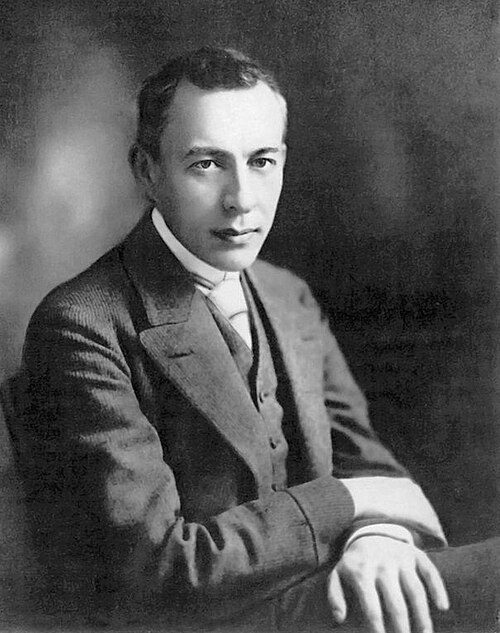
by Ben Hogwood Photo of Rachmaninoff, c1900, courtesy of Wikipedia
March 28 was a significant date in the life of Sergei Rachmaninoff. Sadly it was on this day that he died, in 1943 – but the event I have chosen to highlight is the infamous premiere performance of the Symphony no.1 in 1897.
The concert was an unmitigated disaster, due to under-rehearsal and the supposedly intoxicated state of its conductor, Alexander Glazunov. The negative reaction afforded the work caused Rachmaninoff great psychological harm, severely denting his confidence and casting a shadow over many future compositions. This was a great shame, for it is a powerful piece, with original development of its melodic material and an instinctive and fluid compositional style. The finale is lean, its raw power making a strong impact both in concert and on record.
The symphony was not revived until 1945, when a second performance took place under Alexander Gauk, since when the work has steadily gained in popularity. It has been helped by a number of excellent recordings, of which one is chosen here – the Concertgebouw Orchestra conducted by Rachmaninoff specialist Vladimir Ashkenazy:
by Ben Hogwood, with adapted text from the press release
Set against the backdrop of ‘Elgar Country’, the Elgar Festival is a highlight of the West Midlands cultural calendar, this year taking place across the scenic destinations of Worcester, Malvern, and Pershore from 23 – 31 May 2026. The festival celebrates the enduring legacy of Worcester-born composer Sir Edward Elgar (1857–1934), through a diverse programme featuring world-class artists and accessible performing experiences, talks, exhibitions and guided walks designed to attract the broadest audience.
GALA CONCERT IN WORCESTER CATHEDRAL
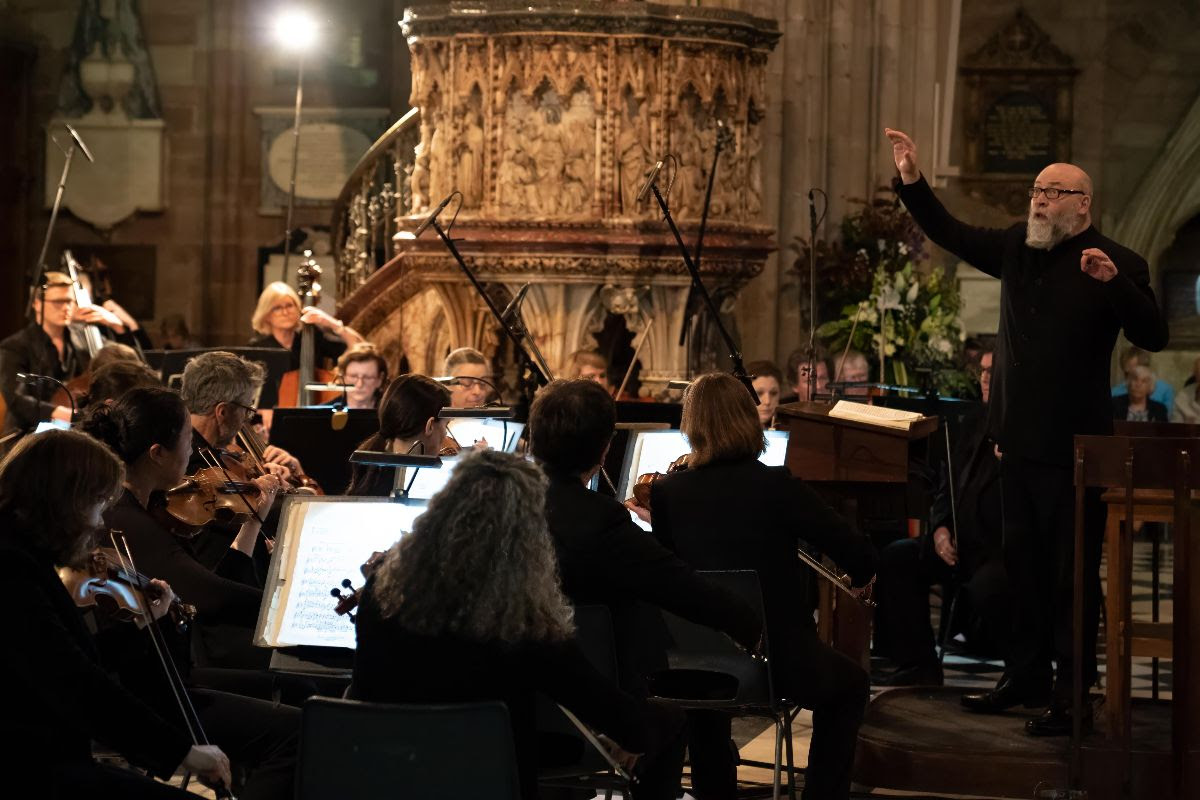
Amongst highlights this year is a Gala Concert in Worcester Cathedral on Saturday 30 May which features a performance of the rarely-heard Cello Concerto by Elgar in the version for Viola, prepared by Lionel Tertis and premiered under Elgar’s baton in 1930. The work is to be performed by one of today’s leading performers and educationalists, Rosalind Ventris, with the English Symphony Orchestra (ESO) under their Principal Conductor Kenneth Woods. For the second half, the ESO will be joined by the Elgar Festival Chorus for another Elgar rarity; the composer’s early ‘symphony for chorus and orchestra’, ‘The Black Knight’.
‘GREAT BRITISH TONE POEMS’
There will be a further opportunity to hear the English Symphony Orchestra – as Orchestra-in-Residence at the Elgar Festival – on Friday 29 May at Worcester Cathedral in a rousing ‘Great British Tone Poems’ programme, to include Elgar’s ebullient ‘Falstaff’, Bax’s evocative ‘Tintagel’ and Holst’s ever-popular ‘The Planets’ Suite.
STRING GREATS AND NEW DISCOVERIES
On Thursday 28 May, the ESO Strings perform at Great Malvern Priory in a programme of masterpieces from the string repertoire; popular works by Elgar alongside ‘Rakastava’ by Sibelius, and Schoenberg’s ‘Verklarte Nacht’ (‘Transfigured Night’), both haunting and powerful. The final work is ‘Night Windows’ by Thea Musgrave; a five-movement chamber work inspired by a painting of that name by Edward Hopper.
THEA MUSGRAVE CELEBRATED AS FEATURED COMPOSER
The distinguished 97-year-old Scottish-American composer, Thea Musgrave, is featured composer this year at the Elgar Festival and her work will be showcased in performances throughout the event.
GUEST ARTISTS
Guest artists include oboist Nicholas Daniel and composer and pianist Huw Watkins. I Fagiolini, the British solo voice ensemble and Director Robert Hollingworth will be making a special visit as part of their 40th anniversary tour. Already fully booked is an evening with cellists Julian and Jiaxin Lloyd Webber, while leading record producer Andrew Keener will be reminiscing on his work in the studio with some of the most renowned Elgar conductors and instrumentalists from the 1980s to the present day.
In recital, soprano April Fredrick who, as ESO Affiliate Artist, is well-known to audiences for her many fine performances and recordings, will be joined by acclaimed composer-pianist Eric McElroy and guests Grace Shepherd, violin, and narrator Joseph Campbell Powell, to explore the World War I experiences in words and music of regional luminaries including composers Ivor Gurney, George Butterworth, Arthur Bliss, and Ralph Vaughan Williams.
BEST-LOVED ENSEMBLES
Offering FREE admittance is a popular programme given by Worcestershire Symphony Orchestra, the orchestra co-founded by Sir Edward Elgar, providing an opportunity for families to experience the thrill of live orchestral music. Choral and song repertoire is to be performed by the region’s best-loved ensembles including The Elgar Chorale, and The Jenny Lind Singers who celebrate the works of women composers past and present.
An exciting new collaboration is to be led by Malvern-based multi-disciplinary artist Nakisha Swatton who is working with local amateur and professional musicians to create new musical portraits inspired by Elgar’s ‘Enigma Variations’. International competition winner Roman Kosyakov brings the 2026 festival to a close in virtuosic style with a piano transcription of Elgar’s ‘Enigma Variations’.
PARTICIPATORY EVENTS FOR MUSICIANS OF ALL AGES
At Malvern College, a ‘Come and Play Elgar’ day invites amateur musicians to perform alongside members of the English Symphony Orchestra in two of Elgar’s most challenging overtures as part of a collaborative workshop.
The ‘Elgar for Everyone’ Family Concert is hosted by ESO Youth’s patron, Classic FM broadcaster, composer and author Zeb Soanes, and provides an introduction to the orchestra for music lovers of all ages. Over 100 young musicians from across Elgar Country will play alongside their teachers and ESO mentors for a performance following rehearsals and workshops. A highlight of the program includes the premiere of the winning entries from the 2026 Young Composers Competition.
Participants from the Elgar Festival/Royal Birmingham Conservatoire Young Performer Showcase Programme will perform works for string quartet by Elgar and Rebecca Clarke at the Church of St Mary Magdalene, NT Croome Court.
FREE AND INFORMAL EVENTS
All concerts at the Elgar Festival offer free entry for under 18s accompanied by full-paying adults. Many other events are free-of-charge including relaxed concerts, talks, film and an exhibition.
‘ELGAR FOR EVERYONE’ – BACKGROUND TO THE ELGAR FESTIVAL
Since its inception in 2018, the annual Elgar Festival has grown from a weekend to a 9-day celebration of the life and music of Worcester’s most famous son and Britain’s great composer, Sir Edward Elgar (1857-1934), held at a number of integral venues of both historic interest and personal significance to the composer including Worcester Cathedral and Great Malvern Priory. The Elgar Festival was The Guardian’s Crtic’s Pick in 2018 and in 2022 featured as one of the top 20 Jubilee events. https://elgarfestival.org/about/
FURTHER INFORMATION AND BOOKINGS
Elgar Festival 23 – 31 May 2026 Patron: Julian Lloyd Webber Artistic Director: Kenneth Woods Orchestra-in-Residence: English Symphony Orchestra Programme information and ticket sales Online: www.elgarfestival.org Email: elgar@elgarfestival.org Telephone: 01905 611 427 In person: Worcester Theatres, Huntingdon Hall Box Office, CrownGate, Worcester WR1 3LD
HOW TO SUPPORT THE ELGAR FESTIVAL
The Elgar Festival is raising money to help deliver its 2026 iteration and to continue the development of its range of events for people of all ages, interests, and lifestyles. Funding continues to be a huge challenge across all arts organisations and donations are valuable in helping to continue the legacy of one of England’s most revered composers, contributing towards costs for relaxed concerts, artist’s fees and instrument and venue hire, and keeping the Free events free for all. https://elgarfestival.org/support/
by Ben Hogwood, with text lifted from the press release
Pye Corner Audio has announced a forthcoming new album, More Songs About The Sun, due for release on June 19. His second studio album for Sonic Cathedral is a sequel of sorts to 2022’s acclaimed Let’s Emerge!
The first single, Cycle, is out now on all digital platforms and you can watch the video here:
“Cycle is probably the most direct ‘pop’ song that I’ve written,” explains Pye Corner Audio, aka Martin Jenkins, of the track, which was teased on last week’s vernal equinox and is released today, just ahead of the start of British Summer Time this weekend.
It’s an instant hit of sunshine, the portentous synth intro soon giving way to an indie-dance banger with a rare outing on vocals by Martin and added shoegaze / psych guitars from his sometime Sonic Cathedral labelmate (and Ride / Oasis member) Andy Bell.
You can watch the video below, and also listen / purchase on Bandcamp:
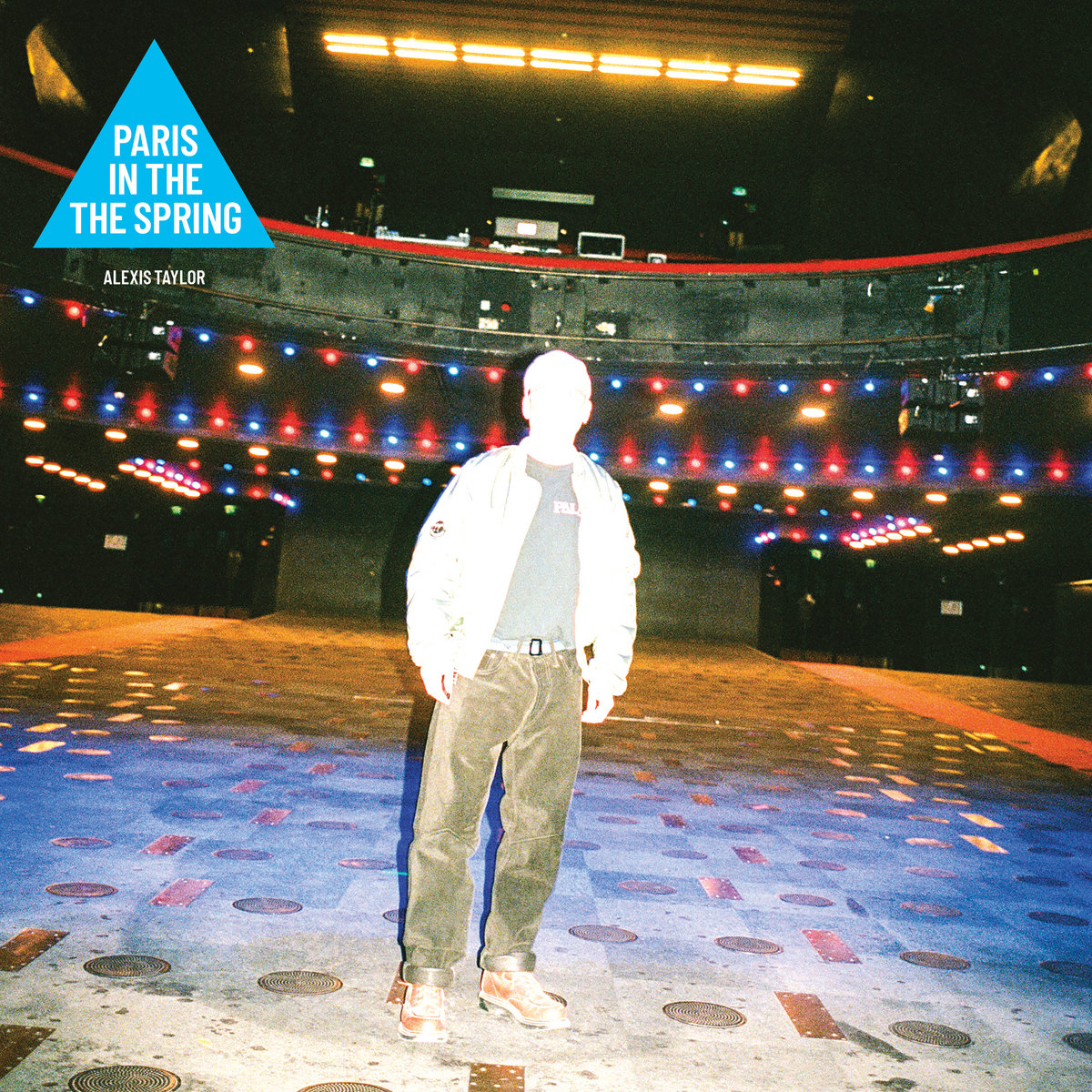
In which the Hot Chip frontman and vocalist Alexis Taylor completes his seventh solo album, this time casting the musical net far and wide with the help of good friend Nicolas Godin, one half of Air.
Nicolas and son Pablo share studio duties on an album whose collaborators also include The Avalanches and Étienne de Crécy, Lola Kirke and, perhaps most strikingly, Scritti Politti mastermind Green Gartside.
What’s the music like?
Given Taylor’s distinctive voice, a lot of the music is instantly recognisable when it comes to the author, but the stylistic departures from Hot Chip’s successful blueprint of soulful club house are frequent and on occasion daring.
These are some of the most emotive songs yet that Alexis has committed to record, especially Colombia, where he moves through bitter regret, and For A Toy, where he asks, “Why do I keep on fucking up the only thing I have ever loved?” There is always wry humour within arm’s reach, though, and in this particular song he is helped by the pure tones of Pale Blue’s Elizabeth Wright.
Elswhere the mood is much more positive, and mp3s Can Make You Cry, On A Whim, the successful hook-up with Gartside, and the outstanding Out Of Phase, with Lola Kirke, all hit the spot. A brave and wholly successful cover of The Rolling Stones‘ Wild Horses shows a vulnerable side, while The Avalanches and Étienne de Crécy fuel dancefloor happiness on I Can Feel Your Love.
Does it all work?
Mostly – and very enjoyably. Taylor really pushes himself creatively, and clearly enjoys doing so.
Is it recommended?
Yes, very much so – Hot Chip fans will love it, and the way in which Alexis Taylor crosses stylistic boundaries with creative freedom is a cause for celebration. Not many vocalists would be this brave, or this successful in their endeavours!
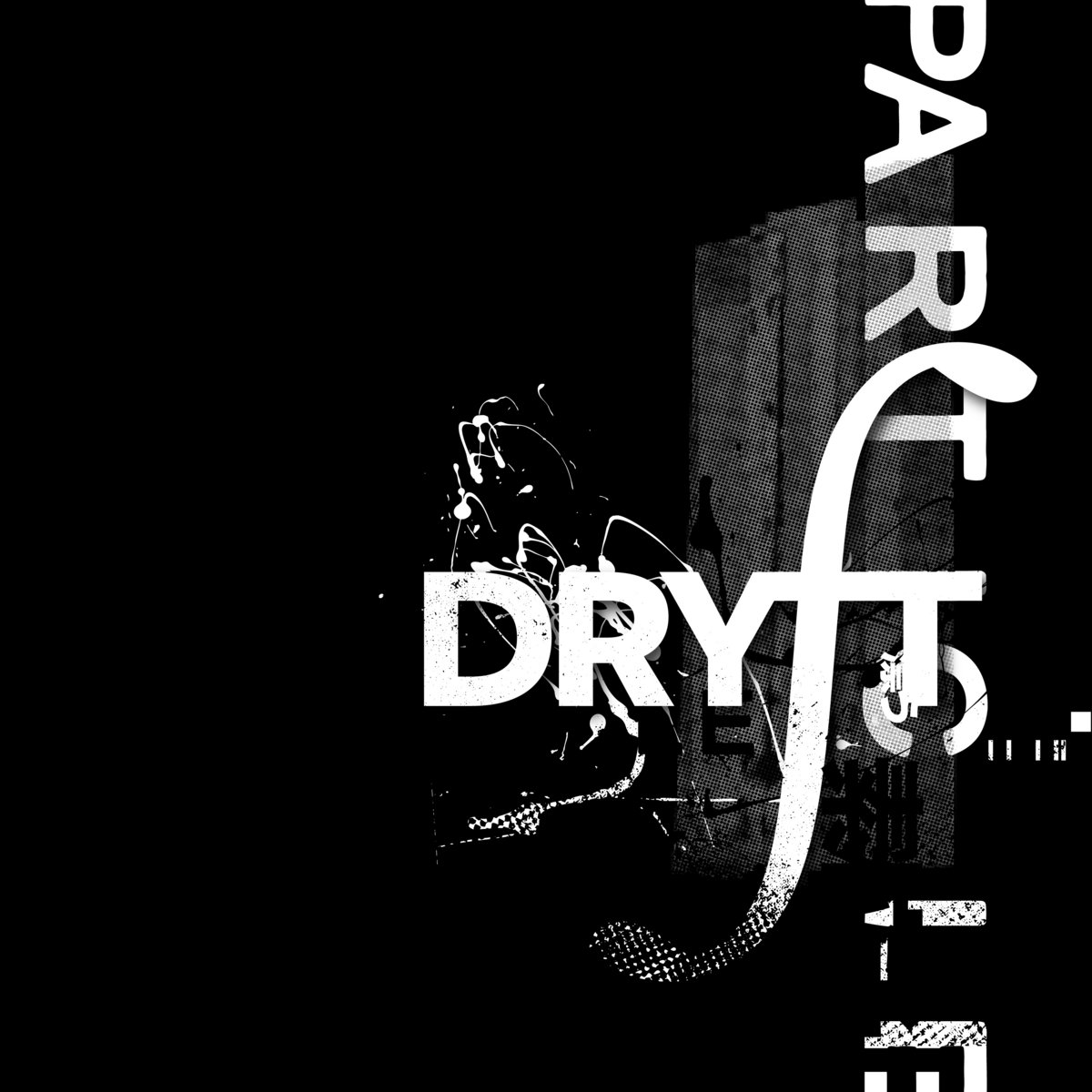
Mike Cadoo returns as Dryft with his fifth album under the moniker, a mere 26 years after he started with Cell.
This is a follow up to From Stasis, released five years ago, and in the words of the press release we find Cadoo “presenting crisper, more immediate compositions”.
What’s the music like?
A compelling mixture of bold beats and dense yet beautifully ambient musical material.
Cadoo has a really strong sense of timing, knowing when to push forward with energetic rhythm tracks and equally when to introduce a weightless keyboard breakdown, without compromising forward momentum.
There is a great deal going on throughout Particle, but with Cadoo’s pacing the likes of Actacrume work especially well, this track dropping a piledriving rhythm just over two and a half minutes in.
Bentithrum is superb, adding weighty beats of concrete to its floated keyboard lines, while Particle itself is a magnificently brooding track, its big beats and expansive soundscape the ideal match. Low Fixture is great, too, with big musical boots on the ground.
Does it all work?
It does – Cadoo’s music evolves consistently and readily, with free inspiration, but remains an ambient listen in spite of some of its sharply pointed beats.
Is it recommended?
Yes, enthusiastically – with the caveat that you really should investigate the other four Dryft albums. This spacey treat goes a long way.


 Arcana.fm