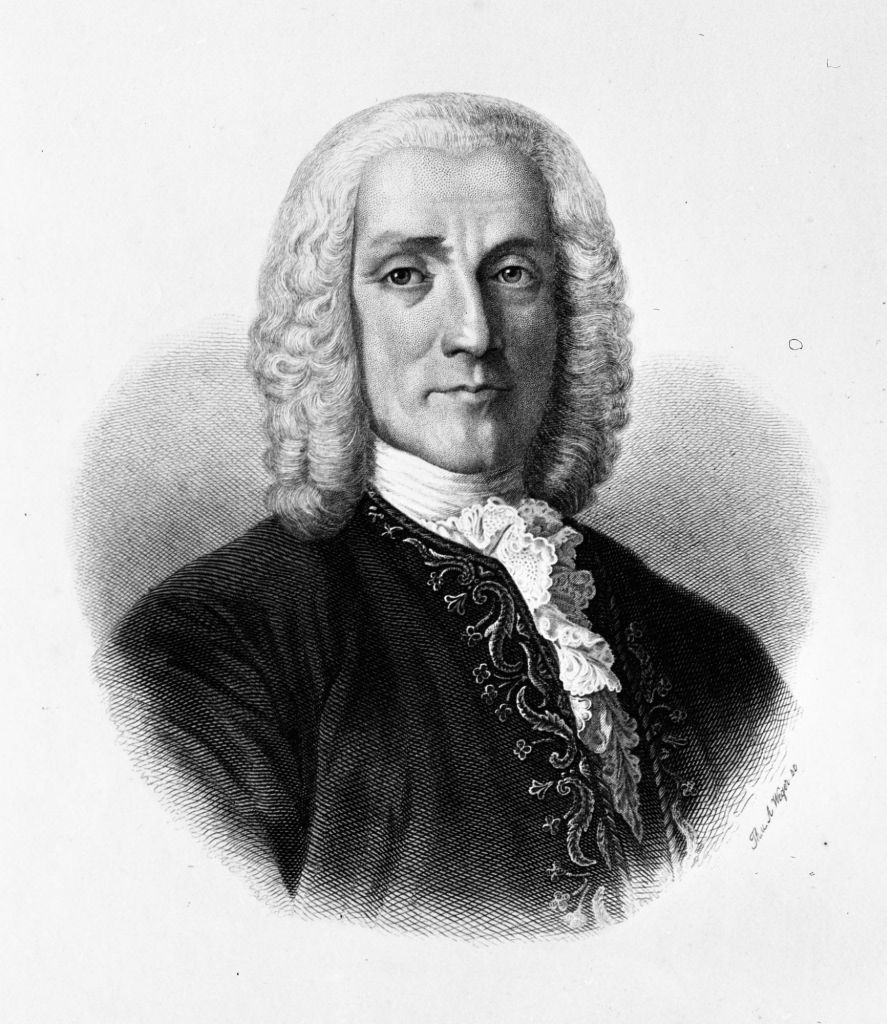
Earlier in the week we marked 300 years since the birth of Alessandro Scarlatti..and now we switch attention to his son Domenico, born 340 years ago today.
Domenico was a prodigious composer of keyboard sonatas, a form he helped revolutionise. Here are some in excellent versions from Anne Quéffelec:
Today we mark two significant anniversary the world of classical music.
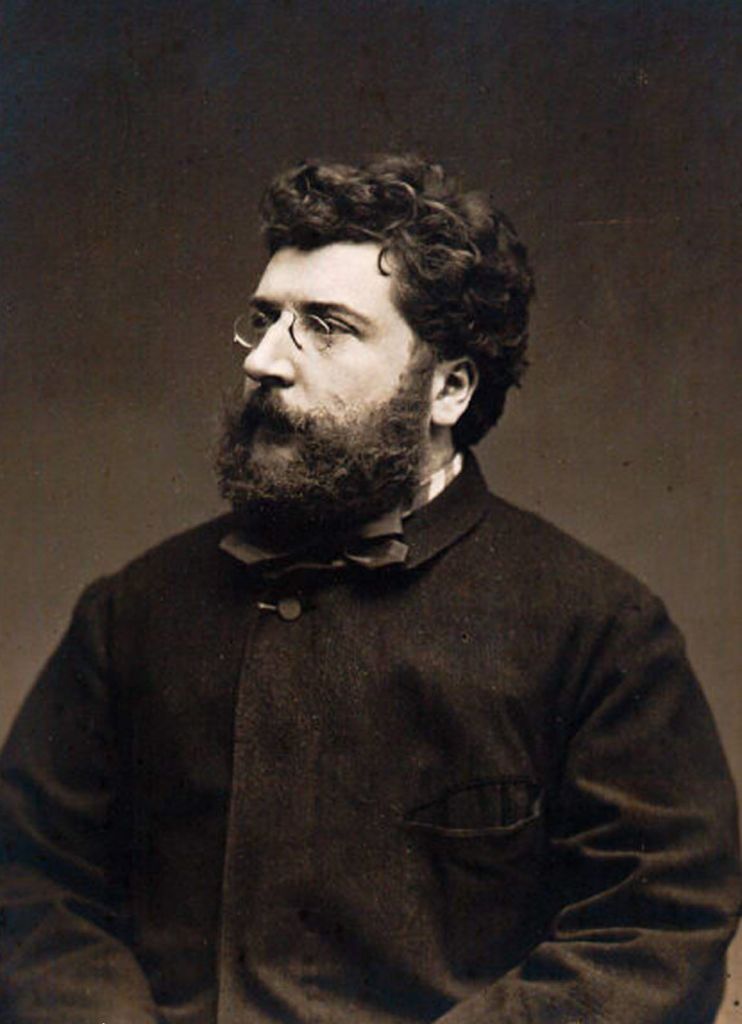
The French composer Georges Bizet died on this day in 1875. Primarily remembered for the opera Carmen, Bizet had many more strings to his bow, as a composer for the stage, the orchestra and the solo voice. One of his most popular orchestral works is the fresh-faced SymphonyinCmajor, which you can enjoy below:
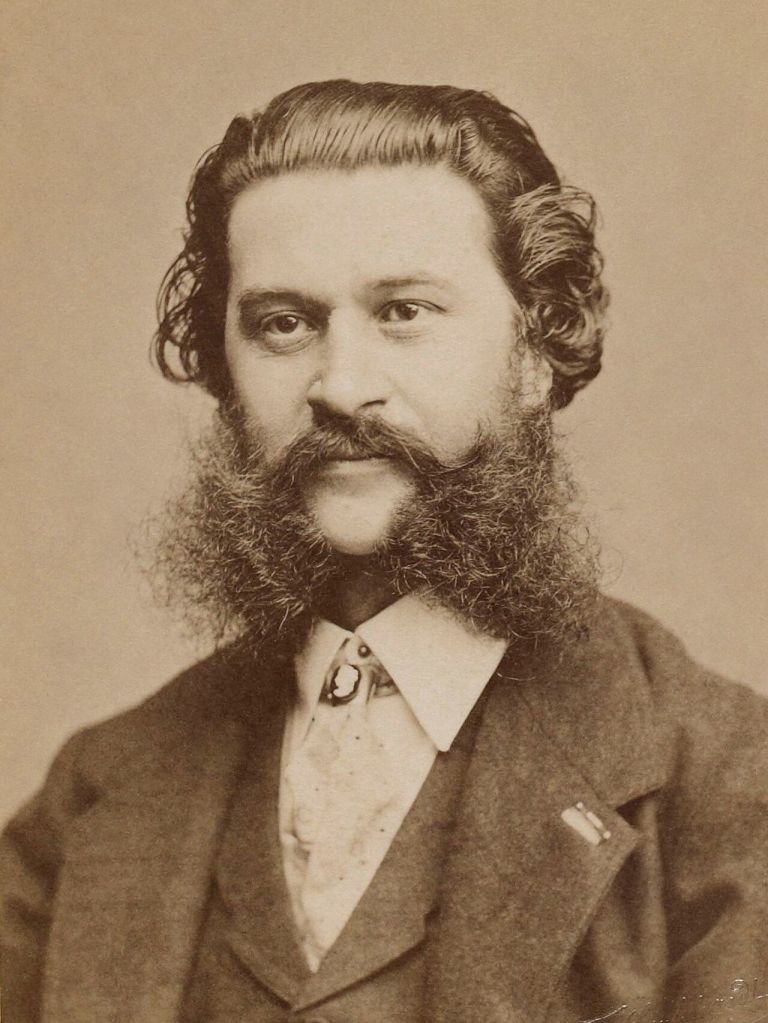
Meanwhile today also marks 200 years since the birth of the king of the waltz, Johann Strauss II. Among the miniature masterpieces in triple time that are such a feature of Johann’s output is the classic waltz OnTheBeautifulBlueDanube, performed below:
Laurence Kilsby (tenor), Christopher Parkes (horn), Sinfonia of London / John Wilson
Vaughan Williams Fantasia on a Theme by Thomas Tallis (1910) Britten Serenade for Tenor, Horn and Strings Op.31 (1943) Bliss Music for Strings B66 (1935) Delius arr. Fenby Late Swallows (1916, arr. 1962) Elgar Introduction and Allegro Op.47 (1904-05)
Barbican Hall, London Wednesday 22 October 2025
Reviewed by Richard Whitehouse
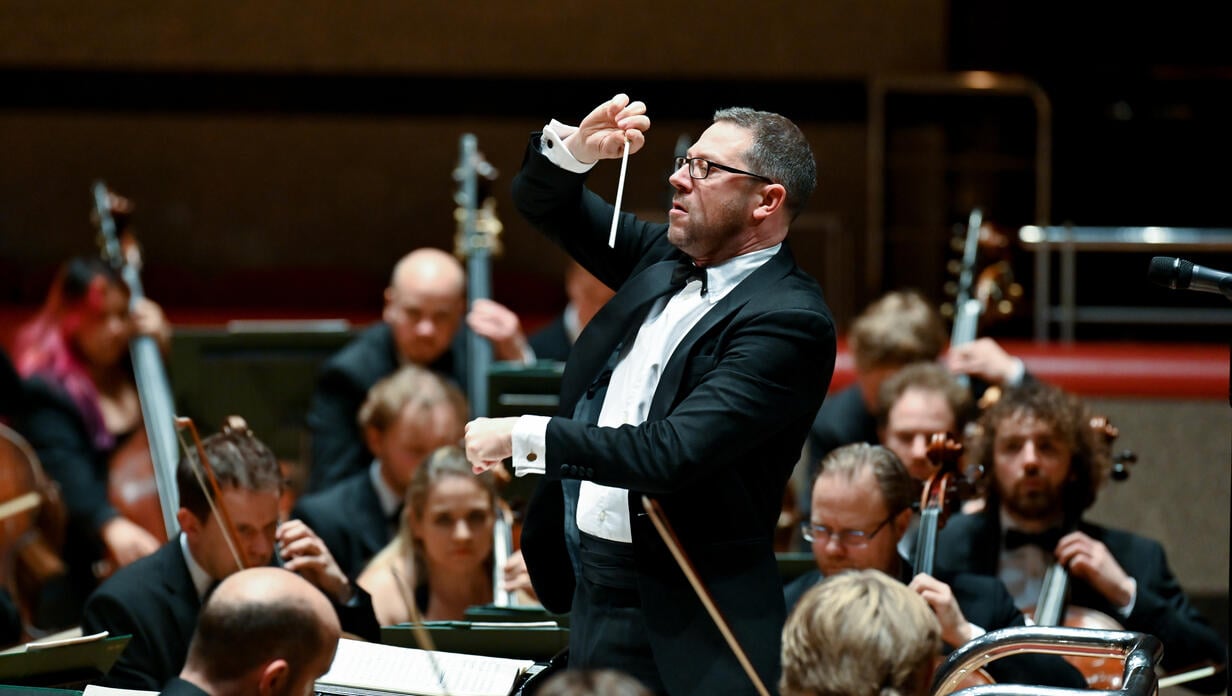
One can only commend John Wilson and Sinfonia of London for, in addition to an ambitious recording schedule for Chandos, frequently taking its programmes on tour – as has been the case with this judicious selection of works for string orchestra tonight being heard in London.
There could hardly be an acoustic less suited to Vaughan Williams’s Tallis Fantasia than that of Barbican Hall, yet Wilson went a good deal of the way toward making it succeed by having the main string body – and solo quartet – to the front of the platform with the subsidiary group arrayed along its rear. The outer section were taken slowly and almost impassively, but there was no lack of impetus or fervency as the central phase built cumulatively towards its climax.
The relatively modest number of strings seemed ideally suited to Britten’s Serenade. Laurence Kilsby (who made a fine contribution to Bliss’s The Beatitudes at this year’s Proms) brought real tenderness to Pastorale and ardour to Nocturne, while Christopher Parkes was suitably plangent in Elegy and dextrousness itself in Dirge. Tenor and hornist joined delightfully in Hymn, then Wilson drew playing of fastidious poise in Sonnet. Just a little unsteady in the Prologue, Parkes excelled in the offstage Epilogue with its ethereal reprise of that opening music – so rounding off a performance that proved affecting and unaffected in equal measure.
Live and in the studio, Wilson has affirmed a commitment to the music of Bliss which could hardly have been more evident than in Music for Strings which formed the centrepiece of this concert. It had been written for the Vienna Philharmonic to premiere at the Salzburg Festival and, if its formidable technical demands no longer sound forbidding, there can have been few performances of this virtuosity or insight. Trenchant and impulsive, the opening Allegro was followed by an Andante whose sustained eloquence never excluded lightness of touch – with the speculative transition into the final Allegro as deftly handled as the Presto with which this work surges to its headlong close. Not merely a timely revival, this was no less a vindication.
Introducing this second half, Wilson had remarked how Delius’ music needs to be coaxed into yielding up its secrets as surely as it needs selling to the musicians. Late Swallows succeeded on both fronts. As arranged by Eric Fenby from the composer’s only mature string quartet, it takes its place among the latter’s most haunting evocations, and not least in a central section whose rapt intensity brought an emotional frisson that tangibly held its listeners spellbound.
Elgar’s Introduction and Allegro may, by contrast, be a piece that plays itself but it still calls for interpretive input of a high order. Wilson responded with an unusually swift reading such as emphasized its nervous intensity and often volatile changes of mood, though there was no lack of cohesion or underlying momentum in a performance that took such testing passages as the central fugato assuredly in its stride prior to a glowing apotheosis then decisive close.
A performance, moreover, as set the seal on a memorable evening’s music-making. All these pieces, save the Britten, have been recorded by Wilson and Sinfonia of London for Chandos, their advocacy of Bliss hopefully continuing well beyond this 50th anniversary of his death.
Click here to read Arcana’s review of English Music for Strings, the Chandos album containing the Bliss and Vaughan Williams works performed in this concert.
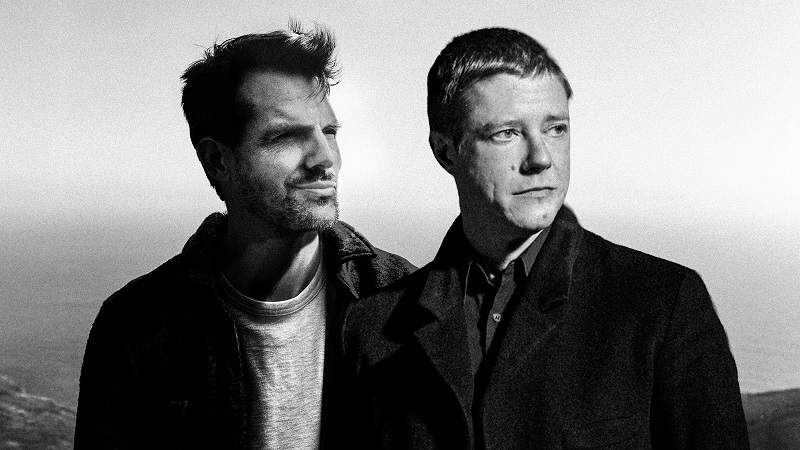
Tycho – project of celebrated San Francisco songwriter, musician and producer Scott Hansen – announces Boundary Rider, his new collaboration with Paul Banks of Interpol.
WithInterpol cited by Hansen as a key touchstone on his own productions Boundary Rider sees Tychoin a decidedly post-rock mode, with Banks’ yearning vocals delivered over crisp percussion, swirling guitar riffs and fleeting synths. Watch below:
“Interpol has long been one of my biggest influences so I jumped at the opportunity to collaborate with Paul on a song,” explains Hansen. “Boundary Rider started life as an atmospheric instrumental song titled “Forge” that I had been working on here and there for a couple of years. When I met Paul and started thinking about what songs might connect with his voice, Forge immediately came to mind.”
“I sent him a demo along with the prompt “Boundary Rider”. I had been reading about the lives of Boundary Riders during the 1930’s, people who patrolled and maintained fences in the vast expanse of the Western Australian outback. There was something about this solitary existence that I felt resonated with the song and the deep sense of isolation in Paul’s lyrics brought this into focus.”
Published post no.2,696 – Thursday 23 October 2025
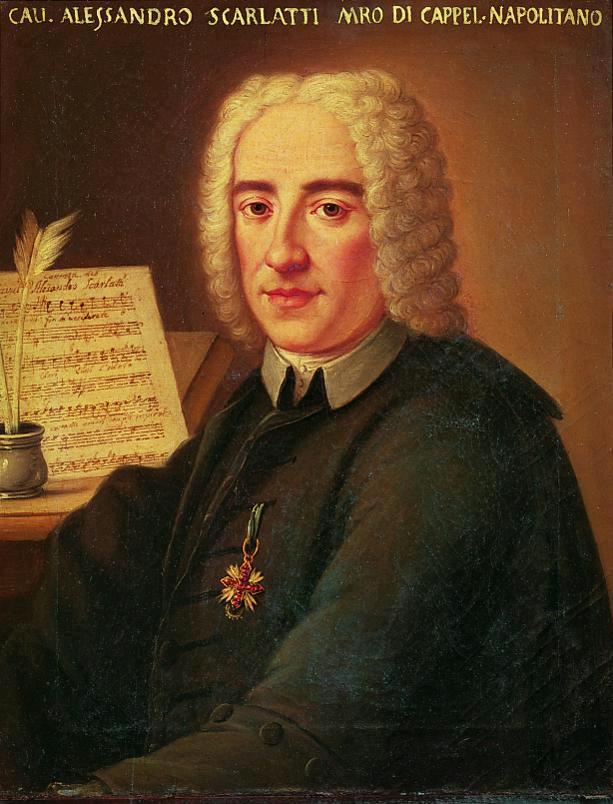
A confession: I know very little of the music of Alessandro Scarlatti, but I did not want this significant anniversary to get passed over, for it is 300 years to the day since his death in Napoli.
Alessandro was renowned primarily as a vocal composer, but also made a number of innovations in instrumental music – picked up by his son Domenico, a prolific composer in this area.
Opera and church music were Alessandro’s main forms of musical currency, but we begin with an invaluable guide to his music from Brilliant Classics, presenting a sequence of concertos, sinfonias and sonatas:
Following this is one of Alessandro’s principal compositions for the church, his Dixit Dominus in a fine performance with Trevor Pinnock conducting the English Concert and a starry team of soloists:
Finally, here is a link to what some regard as Alessandro’s best opera – the three-act drama Telemarco:
Published post no.2,695 – Thursday 22 October 2025


 Arcana.fm