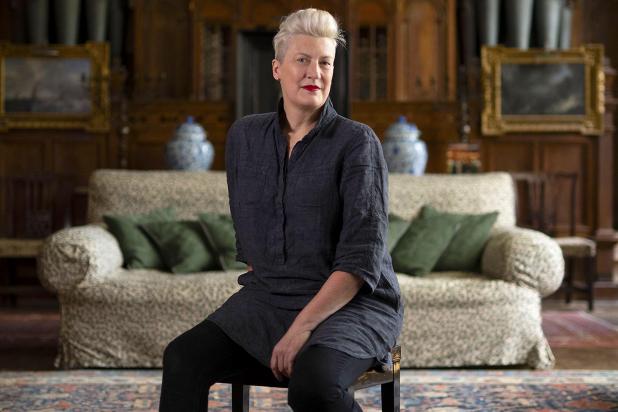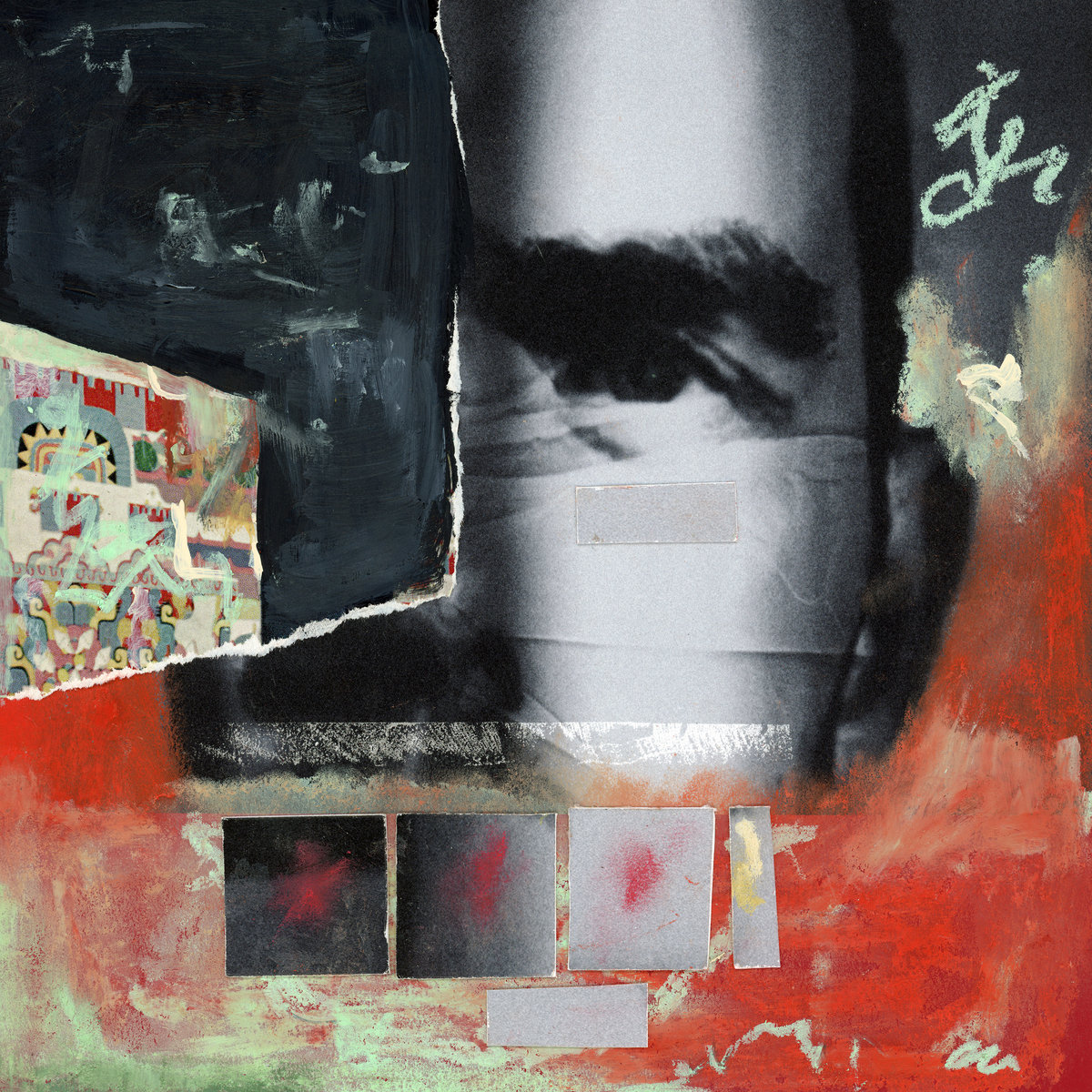
On Record – Jordan Rakei: What We Call Life (Ninja Tune)

jordan-rakei

reviewed by Ben Hogwood

What’s the story?

Jordan Rakei is hitting a rich vein of form and productivity in his musical life. What We Call Life, though, is his most meaningful and personal album to date. It is an exploration of his experiences during therapy, and in particular ‘positive psychology’. In this deeply personal exercise he learned a lot about himself, his behaviour patterns and anxiety triggers, and how his marriage compares to that of his own parents.

Not the average material for a soulful singer – but Rakei takes it as the basis for a profound look at his own life.

What’s the music like?

Perhaps not surprisingly, What We Call Life is deeply expressive. Yet Jordan Rakei manages to avoid any charges of self-obsession that could be levelled at him. Instead, he makes every situation and experience very relatable, and he does that through his own voice – which is a subtly powerful instrument and communicator.

His words are very easy to follow but the song structures really help his cause, as does the instrumentation. The string arrangements are beautifully managed, the slightly skewed beats with hints of funk and / or soul at every turn, the delivery in a conversational style – all these aspects of his style add extra authenticity and authority.

The songs are deeply considered – and even the bigger structures like Brace take their time but leave their mark too. The title track is especially impressive, but Rakei’s most vulnerable moments – Clouds, Send My Love and Illusion – are his most revealing.

Does it all work?

Yes. With each album Jordan Rakei’s authority grows, and this one is the most consistent yet. Measured but heartfelt, each of What We Call Life’s songs is both believable and relatable.

Is it recommended?

Wholeheartedly. Few singers could match his poise and personal style at the moment, and it is all the more impressive given that no singers sound like Jordan Rakei at the moment. He is a serious singer, but he is a compelling one too.

Stream

Buy
 

Listening to Beethoven #195 – 6 Variations on Ich denke dein WoO 74

beethoven-goethe-2

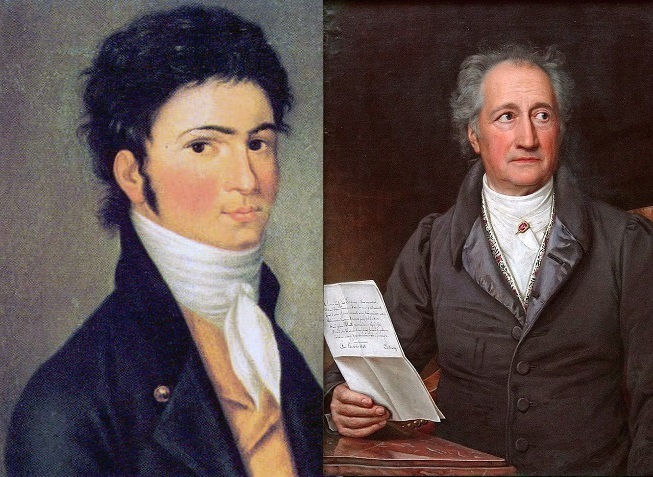
Beethoven and Goethe

6 Variations on Ich denke dein WoO 74 for two pianos (1799-1803, Beethoven aged 31)

Dedication Therese, Josephine and Charlotte von Brunsvik
Duration 5′

Listen

Background and Critical Reception

Keith Anderson writes that in 1799, Beethoven ‘wrote a setting of Goethe’s Ich denke dein and four variations for piano duet on the theme for two pupils, the Countesses Therese and Josephine Brunsvik, daughters of a family with which Beethoven remained friendly through much of his life. In 1803 he added two more variations and the song and variations were published in 1805.

Pianist Peter Hill, writing for a recent recording he made with Benjamin Frith on the Delphian label, highlights Beethoven’s affection for Josephine, expressed in a passionate letter later in his life. He notes the romantic mood of the theme and its variations, pointing towards Mendelsssohn in the faster music especially.

Thoughts

As the story implies, this is a domestic piece for use among close friends. It certainly has that intimate, conversational feel, with less obvious opportunities for virtuosic display but plenty to keep the players occupied and impressed with Beethoven’s resourceful working.

The theme itself is warm hearted, the first variation too. Then Beethoven plays around with syncopations, the two players gainfully employed, before a thoughtful, slow third variation, which is unexpectedly deep in feeling. This time out enhances the fourth variation, a fizzy affair with exchanges between the two players which drew the Mendelssohn comparison from Peter Hill. Darker colours appear briefly for an instalment in the minor key, after which the sunlit textures of D major return and the piece ends calmly but warmly, providing a glimpse of an all-too rare warmth and tenderness in Beethoven’s life at the time.

Recordings used and Spotify playlist

Peter Hill & Benjamin Frith (Delphian)
Amy and Sara Hamann (Grand Piano)
Louis Lortie & Hélène Mercier (Chandos)
Jörg Demus & Norman Shetler (Deutsche Grammophon)

All excellent versions, capturing the intimacy of Beethoven’s writing but also the glint in the eye as he writes.

Also written in 1803 von Pasterwicz 300 Themata und Versetten Op.42

Next up Piano Concerto no.3 in C minor Op.37

In concert – Dame Sarah Connolly, CBSO / Gustavo Gimeno: Humperdinck, Chausson & Tchaikovsky

gustavo-gimeno

Humperdinck Hänsel und Gretel – Prelude (1891-2)
Chausson
Poème de l’amour et de la mer Op.19 (1882-92)
Tchaikovsky
Symphony no.6 in B minor Op.74 ‘Pathétique’ (1893)

Dame Sarah Connolly (mezzo-soprano, below), City of Birmingham Symphony Orchestra / Gustavo Gimeno

Symphony Hall, Birmingham
Thursday 23 September 2021

Written by Richard Whitehouse

This afternoon’s programme (repeated from yesterday) by the City of Birmingham Symphony Orchestra saw a welcome reappearance from Dame Sarah Connolly for a relatively rare hearing, at least in the UK, of Ernest Chausson’s probable masterpiece Poème de l’amour et de la mer.

Often described as a song-cycle, Poème is closer to a scena with its unfolding over two large parts separated by an orchestral interlude. Drawing on texts by Maurice Bouchor, these evoke what is ostensibly the protagonist’s ill-fated affair but whose deeper resonance suggests more that disillusion afforded when revisiting the past. Such a trajectory could easily have resulted in indulgence or even self-pity, avoided through Chausson’s unerring formal control over his subject-matter as well as a thematic resourcefulness sustained across the near half-hour span.

Following in a distinguished lineage of mezzos (among them Dame Janet Baker), Connolly brought out the playfulness of La fleur des eaux as it conveys the burgeoning of love against a heady seascape – doubt only creeping in towards the close as the passing of a year is contemplated. This is represented by the Interlude in which first appears a theme dominant by the close, and while the opening of La mort de l’amour brings a renewed anticipation of arrival, the anguish occasioned by forgetfulness is transmuted into a brooding fatalism – the composer drawing on an earlier song for this sombre final stage. Connolly’s eloquence came into its own here, abetted by a soulful response from cellist Eduardo Vassallo among an orchestral response abounding in soloistic finesse. A powerful reading of a still underestimated piece.

Chausson lived a further six years after its premiere in 1893, whereas Tchaikovsky lived just nine days after the premiere that year of his Pathétique before his still-contested demise. Here again, there was no undue emoting thanks to Gustavo Gimeno’s firm grip over the complex formal and emotional trajectory of the first movement – not least its explosive development culminating in an anguished yet also consoling reprise. The ensuing intermezzo had charm but also a purposeful underlying tread – not least in its wistful trio, then the scherzo amassed no mean impetus through to an explosive second half whose orchestral response evinced no mean virtuosity. Heading straight into the finale, Gimeno sustained expressive tension right through to the closing bars as here faded into a silence born of resignation rather than defeat.

The close of that year brought the premiere of Humperdinck’s ‘fairy-tale’ opera Hänsel und Gretel – then, as now, the work by which this undervalued composer is best remembered and whose prelude encapsulates the essence, though not the totality, of the drama while proving equally effective as a concert-overture. Gimeno paced this unerringly, thereby allowing its animated central phase to merge unobtrusively out of then back into the confiding warmth either side. At least one major work written in 1893 can be said to have a ‘happy ending’.

Next week’s concert brings pieces from very different eras – Brahms’s First Symphony and Rachmaninov’s Third Piano Concerto being preceded by another of the CBSO’s Centenary Commissions, an evidently celebratory overture by Mark-Anthony Turnage called Go For It.

For more information on next week’s concert, click here for tickets. You can find information on the new CBSO season here, and for more on Symphonic Sessions click here

Listening to Beethoven #194 – Graf, liebster Graf, liebstes Schaf, WoO 101

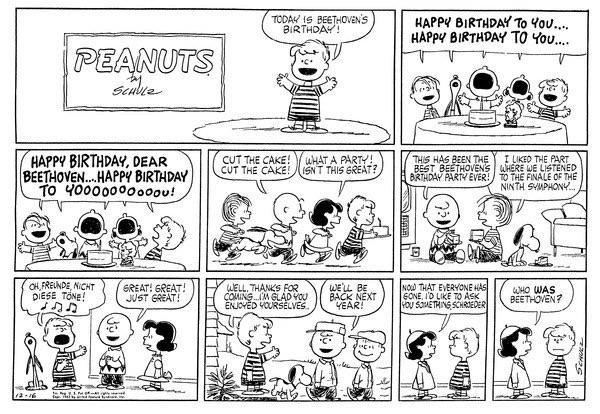
graf-grafPeanuts comic strip, drawn by Charles M. Schulz (c)PNTS
Graf, liebster Graf, liebstes Schaf WoO 101 for three voices (1802, Beethoven aged 31)

Dedication Count Nikolaus Zmeskall von Domanovecz
Text Beethoven
Duration 0’45”

Listen

Background and Critical Reception

This is one of Beethoven’s early musical jokes, which he included in a letter to his friend, Count Nikolaus Zmeskall von Domanovecz. The short text translates as ‘Count, Count, dear Count, best sheep!’

Thoughts

Literally scribbled on the back of an envelope, this is a charming fragment – cleverly working the pronunciations into the melody. Very much a case of less is more!

Recordings used

Cantus Novus Wien / Thomas Holmes (Naxos)

Coro della Svizzera / Diego Fasolis (Arts Music)

Also written in 1802 Reichardt Das Zauberschloss

Next up 6 variations on Ich denke dein WoO 74

Listening to Beethoven #193 – 6 Ländler WoO 15 (piano version)

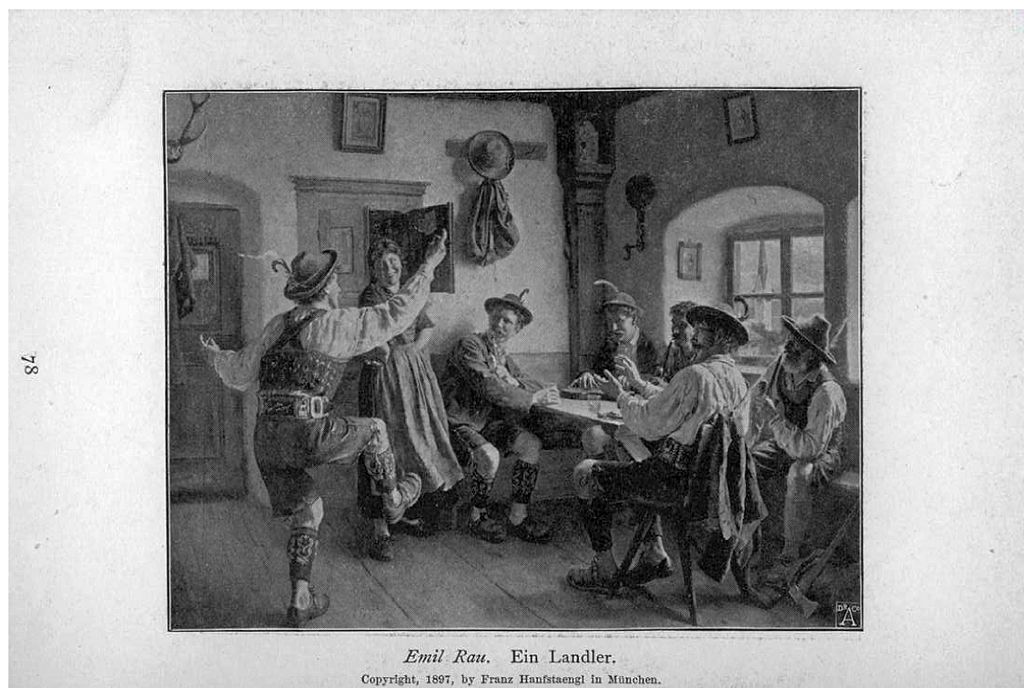
ein-landler

Ein Landler (anon, 1897)

6 Ländler WoO 15 for piano (1802, Beethoven aged 31)

Dedication unknown
Duration 6′

written by Ben Hogwood

Listen

Background and Critical Reception

Beethoven often turned to the Ländler, a folk dance in 3/4 time, as a way of helping entertain his Viennese clientele. He was able to score them for different instrumental combinations, presumably in response to the circumstances of the entertainers. This set is originally for two violins and a bass instrument – but as with many of these dances was also reworked into a piano version.

Thoughts

The piano version of these dance pieces brings out the ‘drone’ qualities in the accompaniment more. These can be heard on the first beat of the bar, where the left hand of the piano typically plays in intervals of a fifth, the support on which the more rhythmic elements of the dance can work their magic.

Recordings used and Spotify links

Jenő Jandó (Naxos)
Martino Tirimo (Hänssler)

Both versions are nicely played, bringing out the spring in Beethoven’s step.

Also written in 1802 Förster 3 String Quartets Op.21

Next up Graf, liebster Graf, liebstes Schaf WoO 101