A choral piece by Johann Sebastian Bach, called Jesu Bleibet Meine Freude (Jesu, Joy of Man’s Desiring). It is the tenth movement of his cantata Herz und Mund und Tat und Leben (Heart and mouth and deed and life), written early in Bach’s time in Leipzig, thought to have been in 1723. The melody, however, is understood to have been written by Johann Schop, with Bach providing the harmonisation.
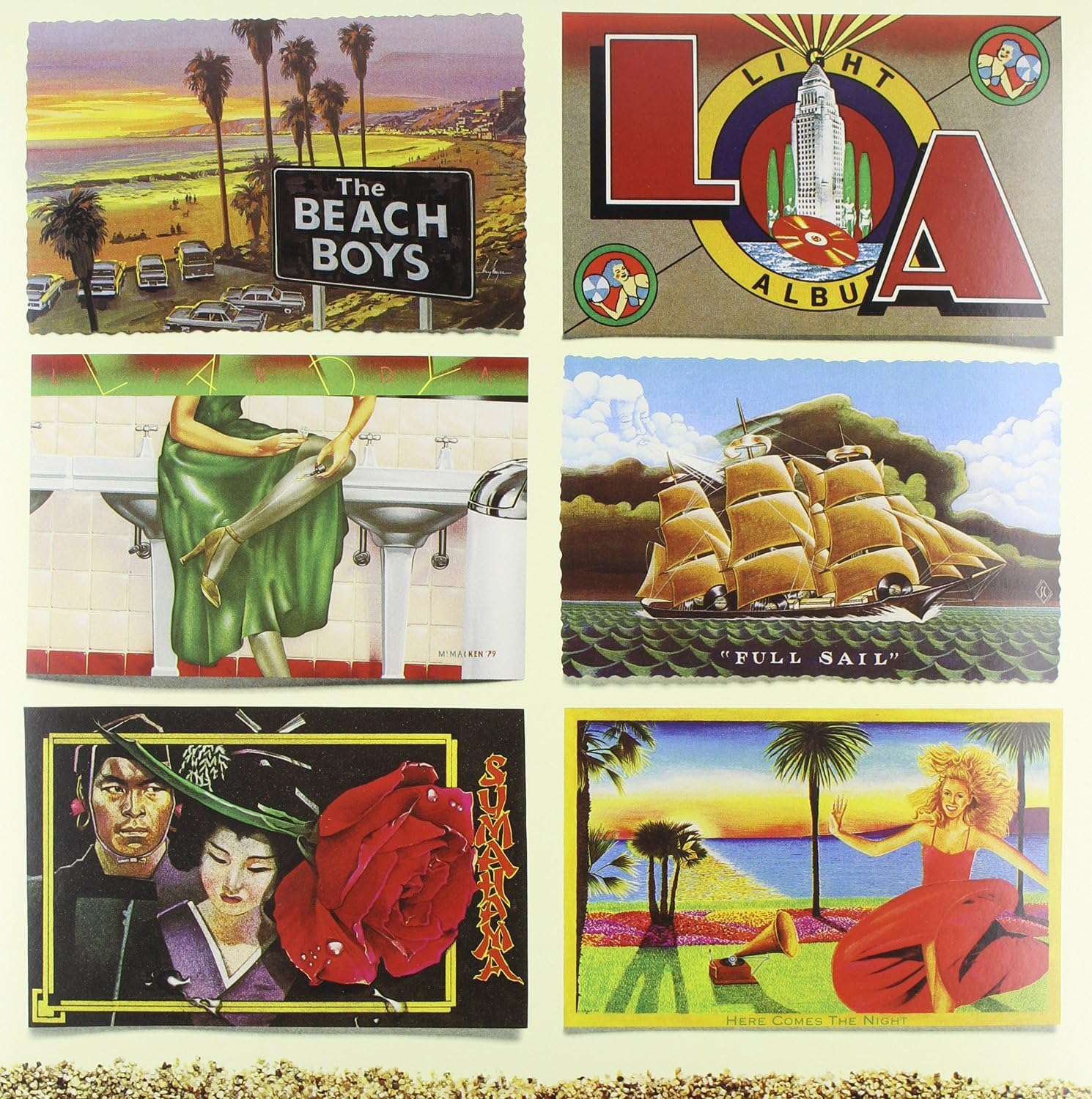
The song itself was written by Beach Boys co-founder Al Jardine, paying tribute to his wife Lynda – with a co-credit also given to keyboard player Ron Altbach. Jardine sings the main vocals, with a large ensemble of session musicians given credit at the song’s Wikipedia page.
How does it work?
The song begins with a note-for-note reproduction of the Bach / Schop melody, with the harpsichord adding a metallic brightness to the thick string sound. Then Jardine starts to play around with the speed of Bach’s work, making the transition to the full-blown Beach Boys sound reasonably seamless, with the addition of some woozy syncopations.
The song has the Beach Boys’ characteristically sunny sound, but there is a certain flatness to its delivery, perhaps belying the band’s fraught relationship at the time and even foretelling the fate of Al and Lynda’s marriage.
That said, it is a bright and relatively positive song, its dappled textures and syncopations presenting Bach’s work in a new and imaginative light.
What else is new?
Lady Lynda was the third single from the Beach Boys’ relatively unsuccessful album L.A. (Light Album), released in the spring of 1979. In a streamlined radio edit, with the introduction removed, it reached no.6 in the UK singles chart.
It was however recast when Jardine and his wife divorced, pointing towards a different Lady (the Statue of Liberty) and becoming Lady Liberty instead.
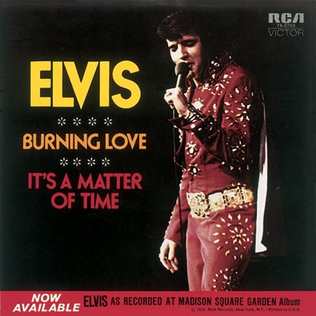
If he were still alive, Elvis Presley would have reached the grand age of 90 today.
We can’t possibly do justice to ‘The King’ in one post, but we can enjoy one of his very best songs, viewed through the prism of the Royal Philharmonic Orchestra in 2015. I’m not normally a fan of re-orchestrations, but this one is a beauty – and BBC Radio 2 must agree, for as I type this post they are playing the very same recording! Of course it’s Elvis who wins the day through sheer charisma, in a song that won’t fail to make you smile. That voice! Enjoy…
Published post no.2,405 – Wednesday 8 January 2025
The New Year is barely a week old, yet TV viewers in the UK have already said goodbye to a much-loved detective.
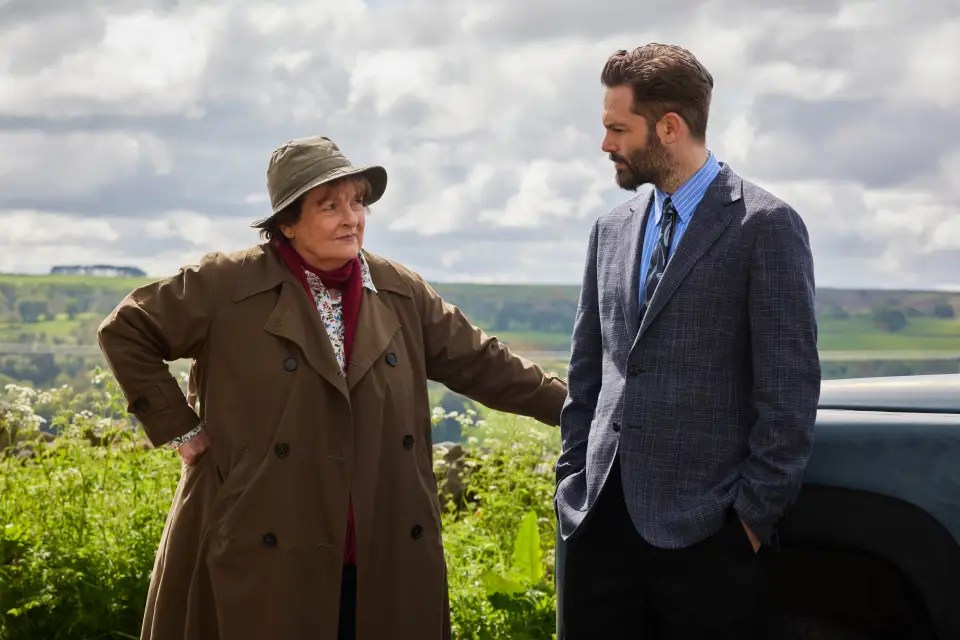
After 14 seasons DCI Vera Stanhope, played by the inimitable Brenda Blethyn (above), has hung up her hat – and with it brought the hugely successful ITV series of dramatisations of books by Jane Cleeves to an end.
There are several key elements to Vera’s success – led by Blethyn herself, a powerhouse character with a keen empathy for the victims of the crimes she is investigating, and an uncanny and occasionally sympathetic understanding of the perpetrators. She rules her team with a rod of iron, though this softer side does occasionally reveal itself.
The support cast are strong, notably David Leon (DI Joe Ashworth, above), Jon Morrison (DC Kenny Lockhart) and Cush Jumbo (DC Bethany Whelan), who met a tragic end in the sixth series.
Yet there are two other stars of the show. The Northumbrian scenery is one, beautifully brought to life by directors Adrian Shergold, Louise Hooper and Paul Whittington. The haunting music of Ben Bartlett is the other, so subtle that it didn’t even warrant a mention in ITV’s documentary about the series.
When you first watch Vera the music seems incidental – but that’s the point. Delve deeper and you will find it is written with forensic attention to detail, commentating wordlessly on each scene while keeping the tension bubbling.
Bartlett uses a mixture of acoustic and electronic sounds, with some dubby effevts giving perspective, often panning out to appreciate the wide open spaces of Northumberland. There is the odd sudden ‘whoosh’ of sound when a plot twist is revealed, and on occasion sonic atmospherics are used to portray the rarefied light often present at the North Sea coast.
The theme itself is also subtle, but memorable, a four-note murmur from strings that grows in presence and stature as the credits roll. Everything – in every episode I’ve watched to date – is rooted in the key of D minor. Bartlett uses this dark key as the basis for all his ideas, which relate back to the main theme without ever duplicating it – the composer adding or taking away layers, depending on the subject in hand.
Only once have I known Vera venture beyond the original score, in a memorable scene from the penultimate episode where its climax was accompanied by Northumbrian folk musicians TheUnthanks, and their haunting song Magpie:
Yet the credit goes to Bartlett, whose brooding score deserves great credit for its economical use of a small amount of music, somehow never outstaying its welcome and always enhancing the story. Vera just wouldn’t be the same without it!
‘A moment of sudden and great revelation or realization’.
This is the second Oxford definition for the word ‘epiphany’…which is also a Christian feast day, ‘the manifestation of Christ to the Gentiles as represented by the Magi’.
It’s the ‘sudden realization’ that has descended on Arcana towers, however, as many of us go back to work today. Christmas is done, two weeks that have flown by – and just a heartbeat later we’re thrust wide-eyed into the New Year, back into the strong current of the river that is modern life.
Help is at hand, however. Music is such a reliable ally in times like this, whether it’s the music we know and love or the music we haven’t discovered yet. Both are reasons to look forward to 2025 with anticipation! Arcana will be hoping for several ‘epiphanies’, as we split our loyalties between the old and the new, covering music from the last 500 years or more as we go.
2025 will see the tenth birthday of this resource, believe it or not – on Saturday 1st February. By then we hope to be well in the groove of providing a daily digest of shared musical loves, interviews and concerts. Along the way there will be special focus on Shostakovich, who died 50 years ago this year, and is a favourite composer in these parts. We will also look to enjoy classical music from London, Birmingham and online, electronic music from all corners of the world, and plenty in between.
If you’d like to get in touch with us about any of it, suggest some things for us to listen to, or even write for us, get in touch! You can get me, Ben Hogwood, via e-mail (editor@arcana.fm), over BlueSky (Ben Hogwood or Arcana) or – if you must – on Twitter / X for a little while longer.
Before you go, do listen to this remarkable carol marking Epiphany from British composer Judith Bingham – both haunting and tremendously powerful. Happy New Year!
As every year passes, it seems to me the importance of music and culture in our lives gets ever greater. Unfortunately this is not recognised by the vast majority of our politicians or those in education. Shouting our love of music from the rooftops is therefore more important than ever! It’s something Arcana has done for nearly 10 years…and as we close in on that special anniversary we do so with a mixture of thankfulness and regret.
I am incredibly grateful to have the new music that we have enjoyed together – and to have Richard Whitehouse giving regular despatches and typically probing insight from Birmingham and the classical recording world. This is along with John Earls whose London gig-going and home reading contributions have been incredibly welcome – along with a couple of very welcome reports from Jon Jacob.
My principal regret with Arcana is that I don’t have enough time to devote to it, with a day job that takes care of the working hours – but I do feel incredibly privileged to be able to bring to you another set of thoughts on the best of 2024 as experienced on these pages.
As you may know Arcana tends to focus on music we either like or are likely to enjoy. This means the review pages tend to celebrate more than criticize, though rest assured we won’t hesitate to if we need to! I see this sort of site as a place for communal enjoyment, to share what we love – with classical and electronic music as two main points of reference, with rock and pop orbiting close around. There are no rules to what we cover, and if it’s good it’s more likely to be written about! On which note…
Right on the junction between classical and electronic sits Belle Chen, whose inventive Ravel in the Forest, on the excellent Platoon label, cast an enchanting spell with its tasteful reimagining of the French master’s music. Also occupying this space is Erland Cooper, whose Carve The Runes…was a culmination of a captivating story of loss and recovery – and Debbie Wiseman, whose spellbinding music for Wolf Hall: The Mirror and The Light captured our hearts.
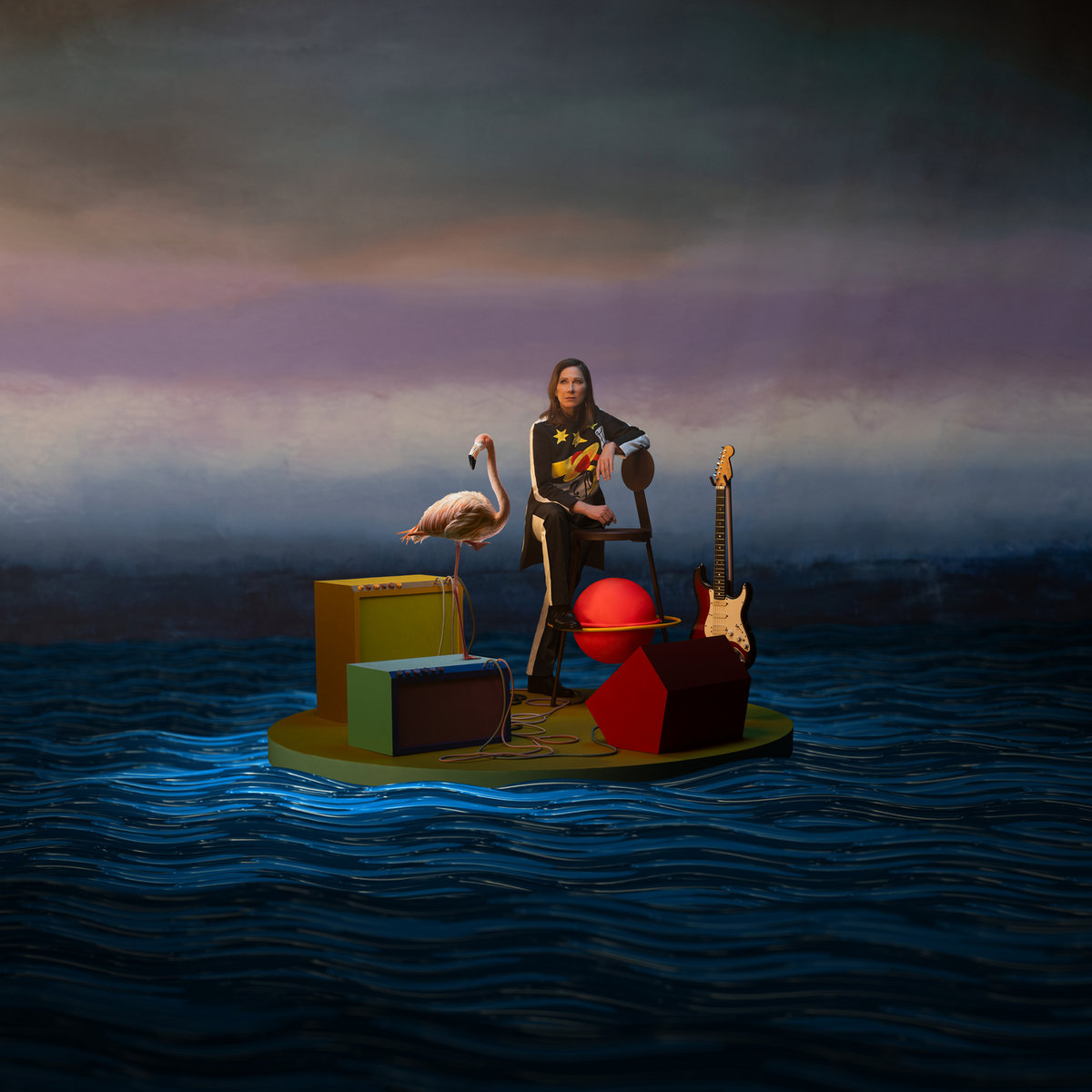
Now you might be following Kim’s advice on one of her singles to head for The Coast…but whether you are or not, we at Arcana thank you for reading our articles this year and for your general encouragement. We’re taking a break for a couple of weeks, but look forward to returning in 2025 for another year of music, new and old. If you want to contribute, do get in touch…but for now, Merry Christmas and / or Happy Holidays, and here’s to another year of sharing music we love.
Ben Hogwood editor, Arcana.fm
Published post no.2,403 – Tuesday 24 December 2024



 Arcana.fm