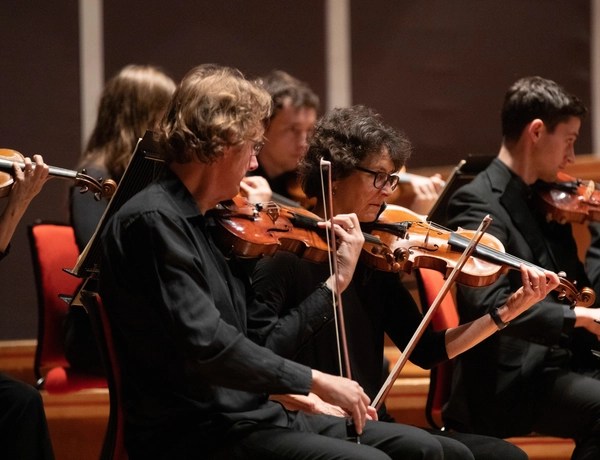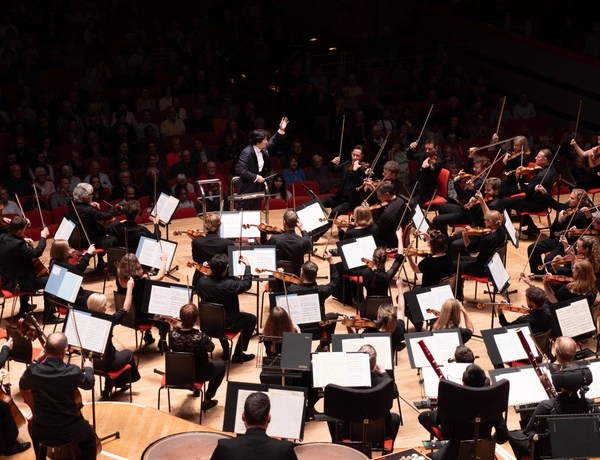
In concert – Sheku Kanneh-Mason, CBSO / Kazuki Yamada: Elgar Cello Concerto & Tchaikovsky Symphony no.5

Sheku Kanneh-Mason (cello), City of Birmingham Symphony Orchestra / Kazuki Yamada

Elgar Cello Concerto in E minor Op.85 (1919)
Tchaikovsky Symphony no.5 in E minor Op.64 (1888)

Symphony Hall, Birmingham
Thursday 19 June 2025 2:15pm

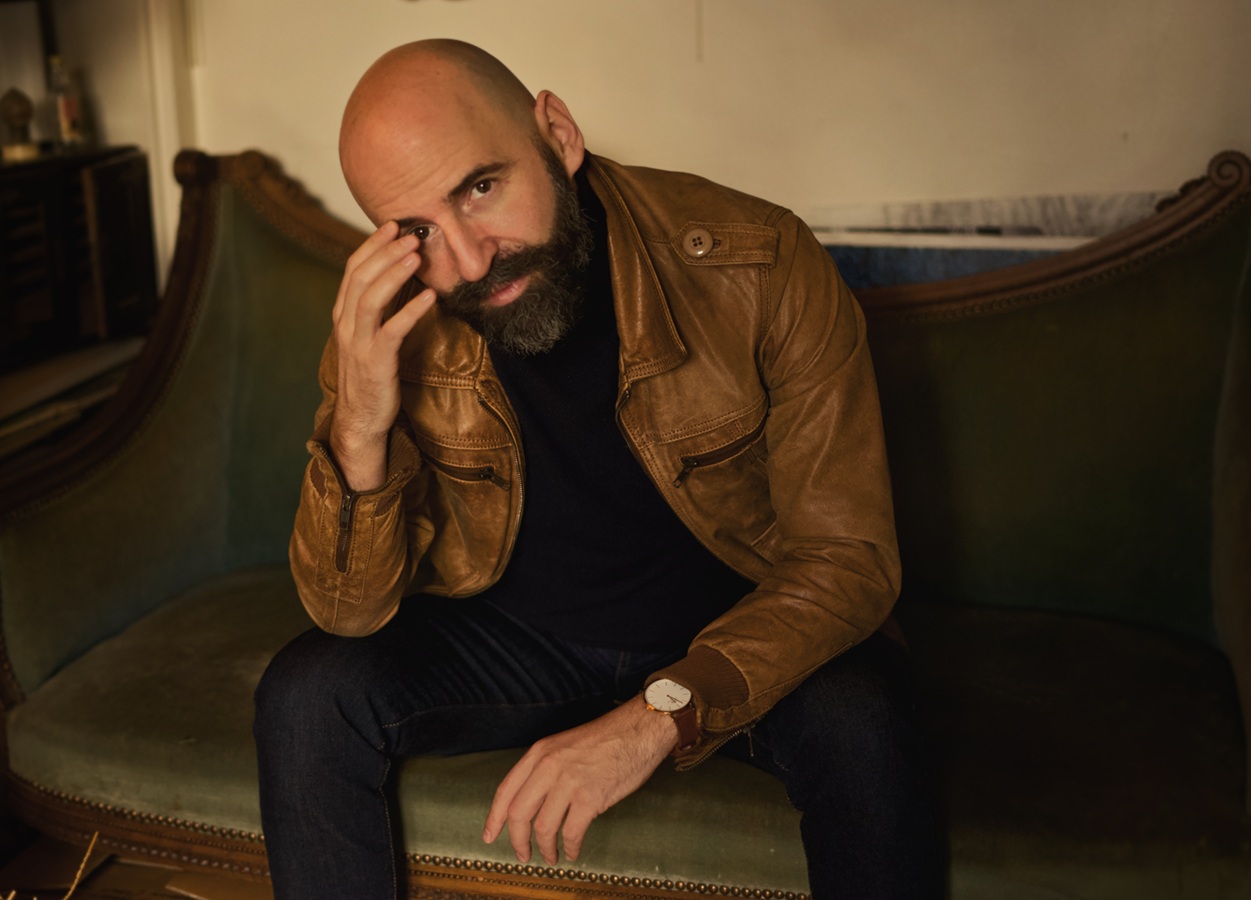
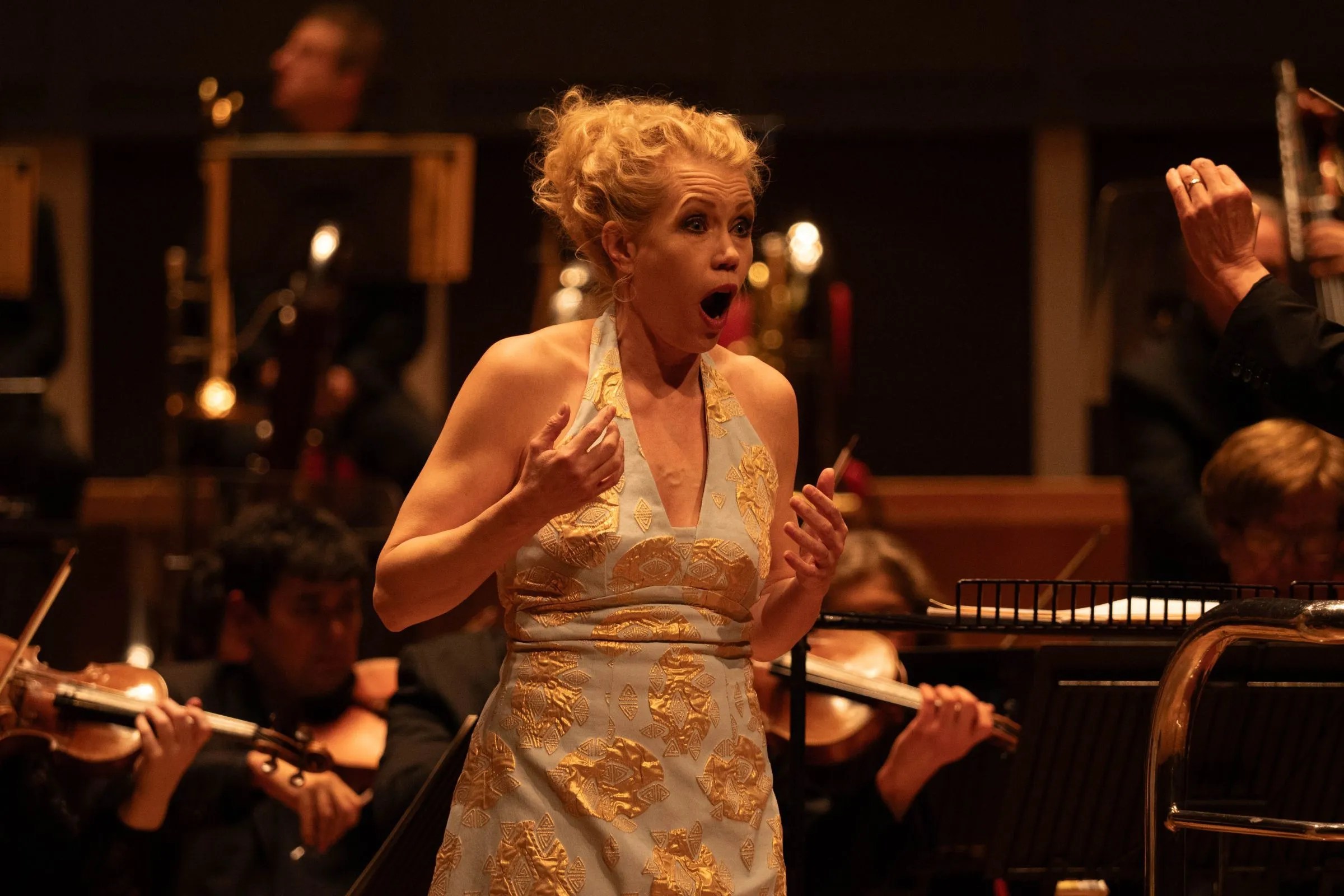
Reviewed by Richard Whitehouse Picture of Sheku Kanneh-Mason (c) Andrew Fox

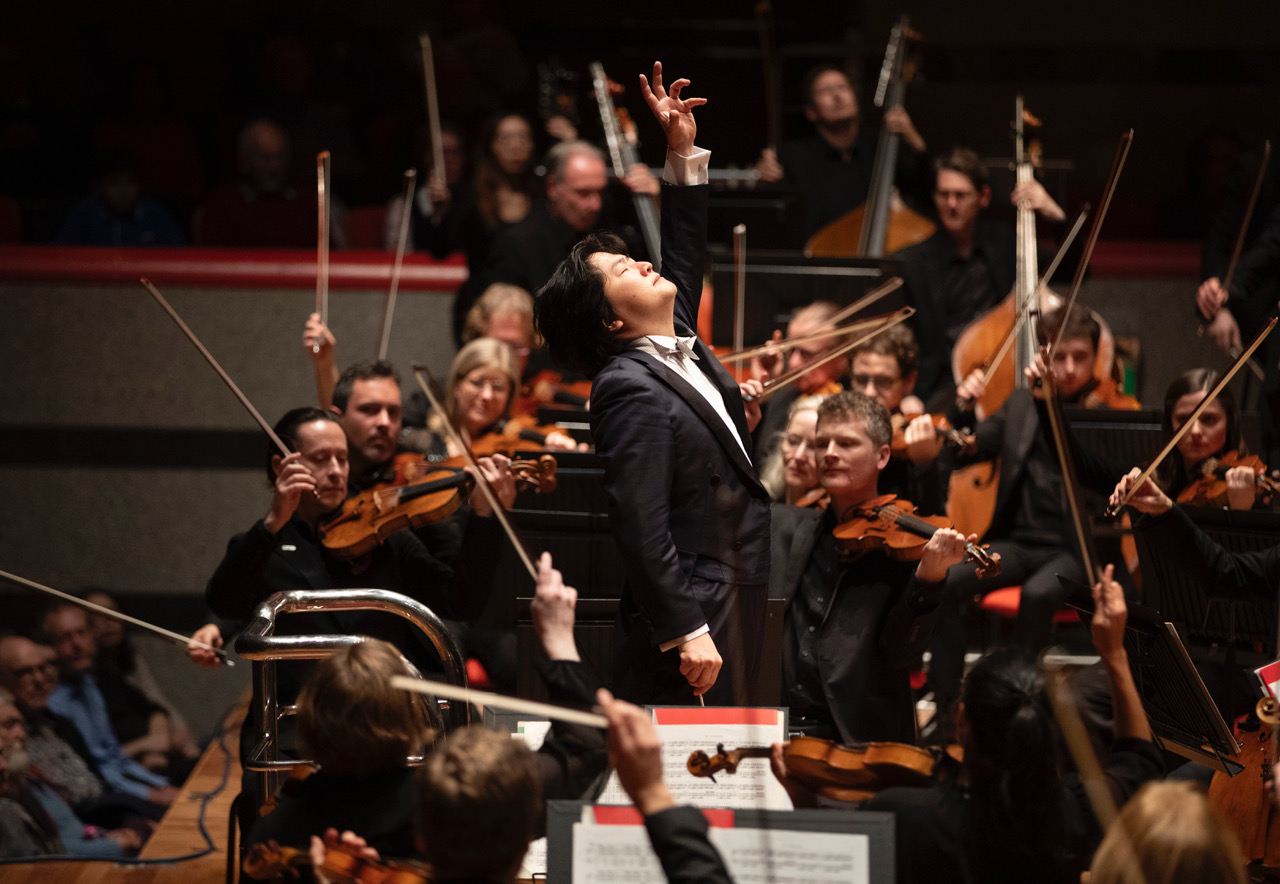
The City of Birmingham Symphony Orchestra’s ‘Season of Joy’ ended (at least at its home base) this afternoon with this concert in E minor, featuring major works by two composers whose wresting triumph from out of adversity was by no means always their strongest suit.

It is all too prevalent these days to talk of Elgar’s Cello Concerto as being the ‘end of an era’ statement, so credit to Sheku Kanneh-Mason for leavening any overt fatalism with a lyrical intensity which paid dividends in the musing restiveness of the first movement – its indelible opening gesture rendered with an understated defiance that set the course for what followed. Nor was the Scherzo’s glancing irony at all undersold, its tensile energy seamlessly absorbing the mock nobility of its secondary theme on the way to a conclusion of throwaway deftness.

Others may have summoned greater fervency from the Adagio, yet Kanneh-Mason’s unforced poise in this ‘song without words’ was its own justification and an ideal entrée into the more complex finale. Especially impressive was his methodical while never calculated building of tension towards a climax of tangible emotional intensity, capped with the terse stoicism of its coda. Kazuki Yamada and the CBSO were unfailingly responsive in support. Kanneh-Mason returned with the 18th (Sarabande) of Mieczysław Weinberg’s 24 Preludes (1969) as a sombre encore.

If to imply that by being his most ‘classical’ such piece, Tchaikovsky’s Fifth Symphony may also be his most predictable, Yamada evidently had other ideas. Certainly, there was nothing passive about the first movement’s scene-setting Andante, Oliver Janes palpably ominous in its ruminative clarinet theme. A smattering of over-emphases in phrasing just occasionally impeded the Allegro’s rhythmic flow but was outweighed by the gripping spontaneity of the whole. Even finer was the Andante cantabile, as undulating lower strings launched french horn player Elspeth Dutch’s eloquent take on its ineffable main melody. The eventual climax was curtailed by a brutal intrusion of the ‘fate’ motto, before the music subsided into its calmly regretful close. Whether or not Tchaikovsky’s greatest slow movement, Yamada’s reading made it seem so.

Interesting this conductor made an attacca to the ensuing Valse, which proved effective even if one between the first two movements would have been even more so. Whatever its laissez-faire elegance, this cannily structured movement is more than a mere interlude – not least for the way the motto steals in at its close. Yamada ensured it connected directly into the Finale’s slow introduction, its fervency reined-in so as not to pre-empt the energy of the main Allegro as it surged toward one of the most theatrical ‘grand pauses’ in music. Taking this confidently in its stride, the CBSO was equally in control of an apotheosis whose grandiloquence never risked overkill. The charge of insincerity that its composer found hard to refute might never have gone away, yet heard as an inevitable outcome, this was pretty convincing all the same.

It found the CBSO in formidable shape as it embarks on a two-week tour of Japan under its music director. A handful of UK concerts (including an annual appearance at the Proms) then precedes next season which begins with more Elgar in the guise of The Dream of Gerontius.

For details on the 2025-26 season, Orchestral music that’s right up your street!, head to the City of Birmingham Symphony Orchestra website. Click on the names to read more about soloist Sheku Kanneh-Mason and conductor Kazuki Yamada

Published post no.2,571 – Saturday 21 June 2025

In concert – Stephen Waarts, CBSO / Mirga Gražinytė-Tyla: Brahms Violin Concerto & Weinberg Symphony no.5

Stephen Waarts (violin), City of Birmingham Symphony Orchestra / Mirga Gražinytė-Tyla

Brahms Violin Concerto in D major Op.77 (1878)
Weinberg Symphony no.5 in F minor Op.76 (1962)

Symphony Hall, Birmingham
Wednesday 11 June 2025

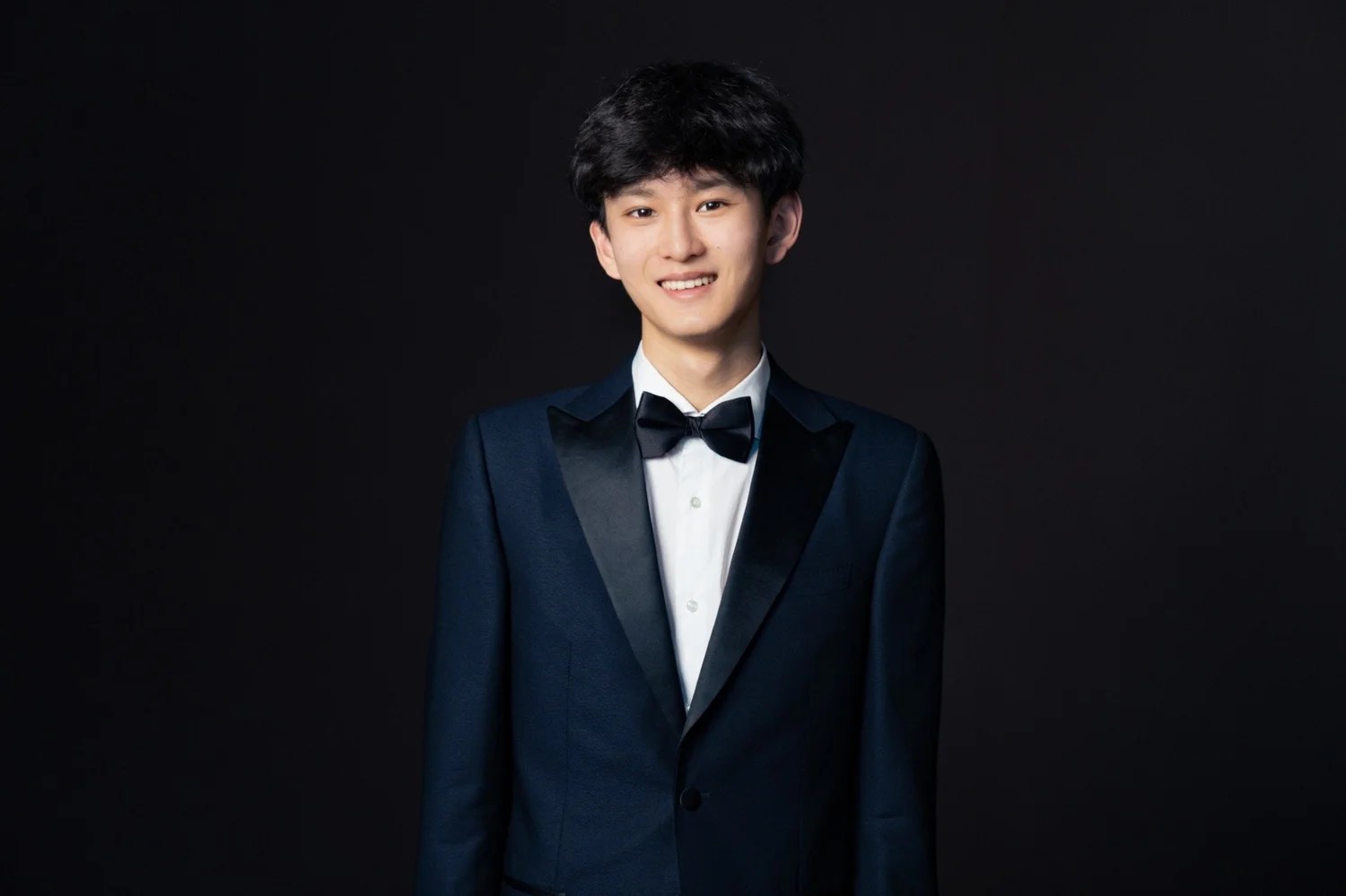
Reviewed by Richard Whitehouse Picture of Stephen Waarts (c) Maarten Kools

Seriously disrupted as it was by the pandemic and attendant lockdowns, the period of Mirga Gražinytė-Tyla as music director of the City of the Birmingham Symphony Orchestra (2016-22) was a successful one, especially in terms of bringing unfamiliar music to the orchestra’s repertoire.

Not least that by Mieczysław Weinberg, his Fifth Symphony tonight receiving only its second UK hearing, almost 63 years after Kiril Kondrashin and the Moscow Philharmonic had given it at the Royal Festival Hall while on tour. Weinberg was unable to attend and the performance attracted minimal comment, but the Fifth is arguably the greatest among his purely orchestral symphonies – a work whose size and scope had merely been hinted at by its predecessors. Six decades on and those qualities confirming its significance then still ensure its relevance today.

The influence of Shostakovich’s Fourth Symphony, written over a quarter century earlier but premiered just months before, has often been noted but whereas this piece is inclusive to the point of overkill, Weinberg’s Fifth has a formal rigour and expressive focus as could only be that of full maturity. Not least in the moderately-paced opening Allegro, its content deriving from the pithy motifs on lower strings and trumpet heard against oscillating chords on upper strings at the outset, and which builds to a febrile culmination before retreating into agitated uncertainty. MGT has its measure as surely as that of the ensuing Adagio, its threnodic string writing palpably sustained prior to a heartfelt climax; either side of which, woodwind comes into its own in a slow movement comparable to that of Shostakovich’s own Fifth Symphony.

Playing without a pause, the latter two movements consolidate the overall design accordingly. Thus, the scherzo-like Allegro alternates furtive anticipation and barbed anger with a dextrous virtuosity that found the CBSO at its collective best – subsiding into a finale whose Andantino marking rather belies the purposefulness with which it elaborates on earlier ideas as it builds towards a searingly emotional apex. Once again, however, the music winds down into a coda whose rhythmic pulsing underpins resigned solo gestures at the close of this eventful journey.

Whether or not Brahms’s Violin Concerto was an ideal coupling, it certainly received a most impressive reading by Stephen Waarts (above). Winner of the 2014 Yehudi Menuhin International and 2015 Queen Elizabeth competitions, this was his debut with the CBSO but there was no lack of rapport – not least an imposing first movement whose technical challenges were assuredly negotiated and with a rendering of the Joachim cadenza that integrated it seamlessly into the overall design. Waarts’ interplay with woodwind in the Adagio was never less than felicitous, then the finale pivoted deftly between panache and insouciance on its way to a decisive close. MGT was as perceptive an accompanist as always, with an encore of the opening ‘L’Aurore’ movement from Eugène Ysaÿe’s Fifth Solo Sonata an appropriate entrée into the second half.

Ultimately, though, this concert was about MGT’s continued advocacy of Weinberg as of her association with the CBSO. Good news that the Fifth Symphony has been recorded for future release by Deutsche Grammophon, so enabling this fine performance to be savoured at length.

For details on the 2025-26 season, Orchestral music that’s right up your street!, head to the City of Birmingham Symphony Orchestra website. Click on the names to read more about soloist Stephen Waarts and conductor Mirga Gražinytė-Tyla, or composer Mieczysław Weinberg

Published post no.2,564 – Saturday 14 June 2025

In concert – Marie-Christine Zupancic, Sebastian Heindl, CBSO / Kazuki Yamada: Saint-Saëns, Respighi, Takemitsu & Berlioz

Marie-Christine Zupancic (flute), Sebastian Heindl (organ), City of Birmingham Symphony Orchestra / Kazuki Yamada

Berlioz Le Corsaire Op.21 (1844)
Takemitsu I Hear the Water Dreaming (1987)
Respighi I Fontane di Roma P106 (1916)
Saint-Saëns Symphony no.3 in C minor Op.78 ‘Organ’ (1886)

Symphony Hall, Birmingham
Wednesday 4 June 2025

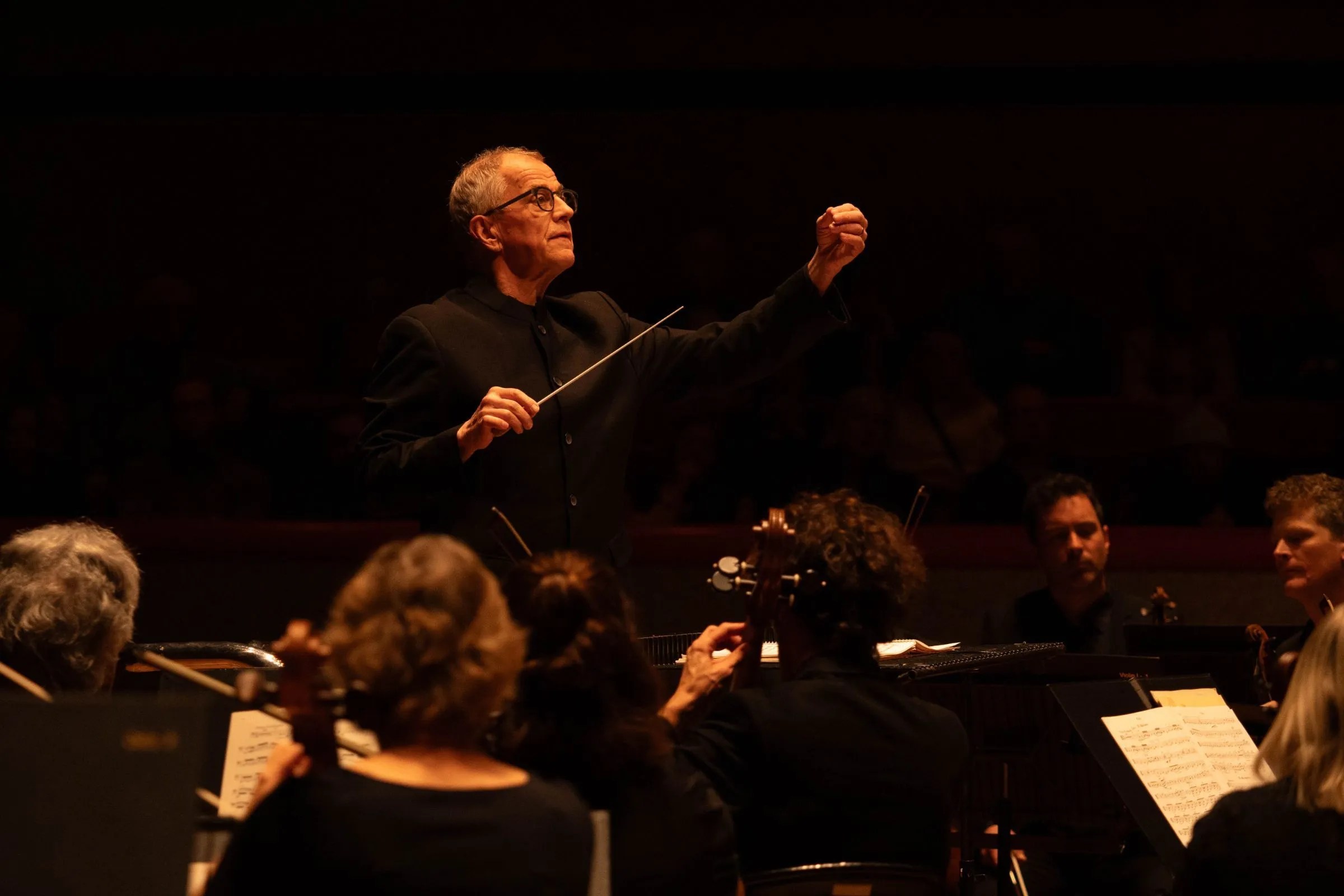
Reviewed by Richard Whitehouse Picture of Kazuki Yamada (c) Benjamin Ealovega

The dashing upsurge at the start of The Corsair launched this evening’s concert by the City of Birmingham Symphony Orchestra under its music director Kazuki Yamada in fine style. Nor was the pathos in this last of Berlioz’s concert overtures downplayed, and if the main portion lacked the pizzazz of illustrious predecessors, Yamada’s handling of the apotheosis proved an object-lesson in controlled spontaneity – setting the seal on a fine account of a piece that long -standing attendees will recall as a favourite of one-time principal conductor Louis Frémaux.

The music of Tōru Takemitsu was often heard in the era of Simon Rattle, but not I Hear the Water Dreaming. Taking its cue (along with other works of this period) from the ‘Dreamtime’ tradition of Aboriginal art, here a painting from the Papunya region of Western Australia, this short though eventful piece typifies its composer’s final creative phase – the formerly radical tendencies from previous years not so much disowned as finding an accommodation with the impressionist leanings of his earliest maturity. A sonic canvas, moreover, against which solo flute pursues its capricious course, with only a hint of something more confrontational either side of the cadenza-like passage towards its close. Certainly, this was music to which Marie-Christine Zupancic (taking time out as the CBSO’s first flute) sounded unerringly attuned.

CBSO regulars will recall Yamada presenting the whole of Respighi’s ‘Roman Triptych’ at a memorable concert four years ago. Tonight, Fountains of Rome rounded off the first half in a performance at its best in the effervescence of Triton at Morning or the dazzling majesty of Trevi at Midday, fading as if suspended in the Symphony Hall ambience. If Valle Giulia at Dawn felt a little passive in its allure, the enfolding serenity of Villa Medici at Sunset was fully sustained – the delicacy and suppleness of its entwining melodic lines accorded full rein.

The CBSO has been identified with Saint-Saëns’s Organ Symphony since Frémaux’s lauded recording of half-a-century ago, and it remains a work in which this orchestra excels. Yamada was (rightly) intent on stressing its symphonic cohesion, drawing ominous expectancy from the first part’s introduction and building no mean momentum in its ensuing Allegro. Sebastian Heindl’s hushed entry duly set the tone for a raptly eloquent slow movement, measured while never sluggish as it headed toward its heartfelt climax then on to a coda of bittersweet repose.

There was no lack of incisiveness or humour in the scherzo which opens the second part – its scintillating passagework for piano duet artfully integrated into the orchestral texture, with an ideally paced link into the finale with its indelible main melody and methodical build-up to a majestic peroration. Those thunderous initial chords aside, Heindl made less of an impact than might have been expected, but his always resourceful choice of registrations underlined the extent to which both he and Yamada continually had the ‘bigger picture’ uppermost in mind.

Overall, then, a concert which manifestly played to this orchestra’s collective strengths. The CBSO is back next week with its former music director Mirga Gražinytė-Tyla for what will be only a second UK performance, 63 years after the first, for Weinberg’s Fifth Symphony.

For details on the 2024-25 season A Season of Joy, head to the City of Birmingham Symphony Orchestra website. Click on the names to read more about soloists Marie-Christine Zupancic and Sebastian Heindl, and conductor Kazuki Yamada

Published post no.2,496 – Sunday 6 April 2025

Orchestral Music That’s Right Up Your Street: The CBSO announces its 2025-26 season

From the press release:

The City of Birmingham Symphony Orchestra (CBSO) today announces its 2025-26 season, presenting a compelling programme of concerts deeply connected to the city’s vibrant cultural identity.

Findings from the orchestra’s new “Listening Project” – a West Midlands focused research initiative reveals Birmingham’s strong cultural confidence. The new research shows 60% of Birmingham residents consider attending arts and cultural events to be a vital aspect of their free time. In addition, public support for Birmingham’s music venues is strong: 79% of people say they have attended a Birmingham venue in the last year – and 57% say they haven’t felt the need to travel beyond the city for music concerts.

In line with this, the CBSO has crafted a season that brings together world-class classical performances, diverse cultural collaborations, and accessible community events that reflect what Birmingham audiences value most.

CBSO Music Director, Kazuki Yamada, comments: “Our 2025-26 season celebrates both our classical heritage and Birmingham’s diverse cultural voices. We’re bringing orchestral music directly to communities across the city – honouring traditional masterworks while creating experiences that reflect what Birmingham audiences have told us they value most.”

The CBSO’s 2025-26 season at a glance

Classical tradition at its finest

The 2025-26 season offers ambitious classical programming:

· Kazuki Yamada enters his second year as Music Director by beginning a full Mahler Symphony Cycle with Symphony No.1, and leading more than 10 concerts in Birmingham, including as part of CBSO in the City.

· Elgar’s The Dream of Gerontius opens the season with the full CBSO Chorus.

· Puccini’s Tosca in concert featuring Natalya Romaniw, Gwyn Hughes Jones and Sir Bryn Terfel.

· The CBSO season has drawn top international soloists, including; Isata Kanneh-Mason, Benjamin Grosvenor, and Lisa Batiashvili.

Celebrating Birmingham’s cultural diversity

Building on successful past collaborations, the CBSO continues to champion the city’s rich cultural tapestry:

· Black Lives in Music brings a taste of their celebrated classical music festival to Birmingham with the return of award-winning singer-songwriter Laura Mvula to her hometown.

· The CBSO & The Orchestral Qawwali Project, a glorious blend of Sufi poetry, Indian Classical dance and symphony orchestra returns to Birmingham.

· Rushil Ranjan leads an evening that celebrates the musical and spiritual connections between western and eastern classical music.

· Satnam Rana presents Bringing the Light, an evening dedicated to celebrating light and winter festivals, including new commissions from contemporary voices including Cassie Kinoshi, Joan Armatrading and Roxanna Panufnik.

Taking music to Birmingham’s communities

The CBSO continues its commitment to bringing music directly to communities across the city:

· CBSO in the City week (23-28 July 2025) will return – as the CBSO delivers free music in public spaces throughout Birmingham.

Music for everyone

The season includes accessible programming designed to welcome new audiences:

· The complete Star Wars Original Trilogy performed over a full weekend, with live orchestra (24-26 October 2025).
· Symphonic Queen celebrating one of the UK’s greatest-ever rock bands.
· Charlie Chaplin’s The Gold Rush with live orchestra.

Inspiring music experiences for children and students

The CBSO’s 2025-26 season will also feature a strong focus on young people, giving more than 20,000 young people enriching music experiences through 36 concerts specifically designed for young people:

· Targeted Schools’ Concerts for different key stages, reaching thousands of children who might otherwise never experience live orchestral music.
· Notelets performances specifically designed for toddlers and young children’s first music experiences – these fun-filled interactive concerts give children the freedom to dance, sing and learn about musical instruments for the first time.
· Relaxed Concerts created for pupils attending Special Schools to enable pupils to experience live music in a supported, accessible and engaging environment.
· Four dedicated family concerts including “Music from the Movies”, “CBSO Family Christmas”, “Tunes & Tales” and “Dance Across America.”

“Our new season is a magnificent celebration of music” says Emma Stenning, CBSO Chief Executive, who promises that 2025-26 will deliver “joy filled concerts for everyone, whether you find us at Symphony Hall, across Birmingham and the West Midlands, or on national and international tour led by our incredible Music Director, Kazuki Yamada”.

She adds: “Birmingham is our inspiration. Our home city is fantastically musical, and full of diversity and creative adventure. This new season is drawn from exactly that spirit, and presents us to the world as a truly future facing orchestra, that both celebrates the great classical repertoire, and dares to try something new”.

“As you delve into what’s on offer, we hope that you will discover music that moves you, uplifts you and offers you moments of celebration and reflection. We very much look forward to welcoming you to a concert soon”.

Catherine Arlidge, Director of Artistic Planning and former CBSO violinist, added: “Our season marries the global with the local. Whilst the diversity of our season programming is informed by understanding our wide-ranging audiences locally, we are also delighted that so many top international artists are joining us for the new season – Sir Bryn Terfel, Lisa Batiashvili, Osmo Vänskä, Vilde Frang and the Jussen brothers to name but a few. At a time of international geo-political tensions, our concerts celebrate different geographies and cultures – and remind us all about music’s power to unite people. Through our research, we have a strong sense of the musical experiences that speak for the city today – yet in terms of repertoire, guest artists and composers, the season is richly international in flavour. It is a season about celebrating home – but on the world stage.”

To explore the 2025-26 CBSO season in full visit the CBSO website. Tickets for the new season go on sale from Wednesday 21 May 2025, 10am.

Published post no.2,519 – Thursday 1 May 2025

In concert – CBSO / Kazuki Yamada: Mahler Symphony no.9 & Takemitsu

City of Birmingham Symphony Orchestra / Kazuki Yamada (above)

Takemitsu Requiem (1957)
Mahler Symphony no.9 in D major (1908-09)

Symphony Hall, Birmingham
Thursday 10 April 2025

Reviewed by Richard Whitehouse Picture of Kazuki Yamada (c) Hannah Fathers

Ninth Symphonies have been a recurrent feature of this season from the City of Birmingham Symphony Orchestra and Kazuki Yamada. Tonight’s concert brought this to a culmination of sorts with that by Mahler and which naturally occupied almost the whole of the programme.

Whatever else, it was a performance whose scope matched the music’s ambition and not least in an opening Andante as lays claim to being its composer’s greatest achievement. Admittedly this took a few minutes to find focus, those initial bars not so much speculative as halting, but an overall sense of the movement unfolding seamlessly across its strategic peaks and troughs was undeniable, and Yamada was mindful to underline Mahler’s holding back of its expected culmination so the closing minutes mused eloquently if uncertainly on what might have been.

The middle movements can often emerge as incidental to the formal scheme, and Yamada’s take on the Ländler gave some pause for thought. Each of its constituents was vividly shaped and articulated, but a stop-start discontinuity arguably denied it that innocence to experience trajectory which, in turn, makes tangible the fatalistic humour at its end. The Rondo-Burleske was the undoubted highlight – its abrasiveness spilling over into violence towards the close, but not before Yamada had summoned the requisite anguish from its yearning trio section.

It might have been better to continue directly into the Adagio. As it was, a relatively lengthy pause left this finale sounding less a direct reaction to what had gone before than a delayed avoidance of the issues raised. Yamada’s overall handling of this movement was fine if not exceptionally so. Such as the twilit episode prior to the main climax was lucidity itself, but the conductor having already slowed to near-stasis then made it difficult to reduce the tempo further, so that the closing bars risked feeling emotionally gratuitous rather than inevitable.

What could hardly be gainsaid was the commitment of the CBSO’s response over what, for all its latter-day familiarity, remains a testing challenge whether individually or collectively. Wisely, Yamada has resisted any temptation to fashion a self-consciously virtuoso orchestra; emphasis seems to be instead on encouraging flexibility and sensitivity of response in terms of the music at hand – a more circumspect though productive approach which suggests he is happy to stay the course in terms of a partnership which is still in its relatively early stages.

Not a few performances of Mahler Nine opt for a scene-setting piece rather than first half as such. Yamada did so with Takemitsu’s Requiem – if not this composer’s first or even earliest acknowledged work, then certainly the one that established his wider reputation. The CBSO strings did justice to its subtle interplay of expressive threnody and more angular elements in a reading that fulfilled its purpose ideally. Hopefully the coming seasons will revive some of the more innovative pieces to have languished in the three decades since Takemitsu’s death.

This was the latest in what is becoming a tradition and rightly so – a page in the programme listing those ‘‘friends, members and colleagues’’ whom the CBSO Remembers with no little gratitude. From this perspective, tonight’s programme could hardly have been more fitting.

For details on the 2024-25 season A Season of Joy, head to the City of Birmingham Symphony Orchestra website. Click on the name to read more about conductor Kazuki Yamada

Published post no.2,502 – Monday 14 April 2025