In concert – Jonathan Kelly, CBSO / Kazuki Yamada: Richard Strauss – Tod und Verklärung, Oboe Concerto, Also sprach Zarathustra

Jonathan Kelly (oboe), City of Birmingham Symphony Orchestra / Kazuki Yamada

Richard Strauss
Tod und Verklärung Op.24 (1888-9)
Oboe Concerto in D major AV144 (1945)
Also sprach Zarathustra, Op.30 (1896)

Symphony Hall, Birmingham
Wednesday 10 December 2025

Reviewed by Richard Whitehouse Picture of Jonathan Kelly (c) Stefan Hoederath

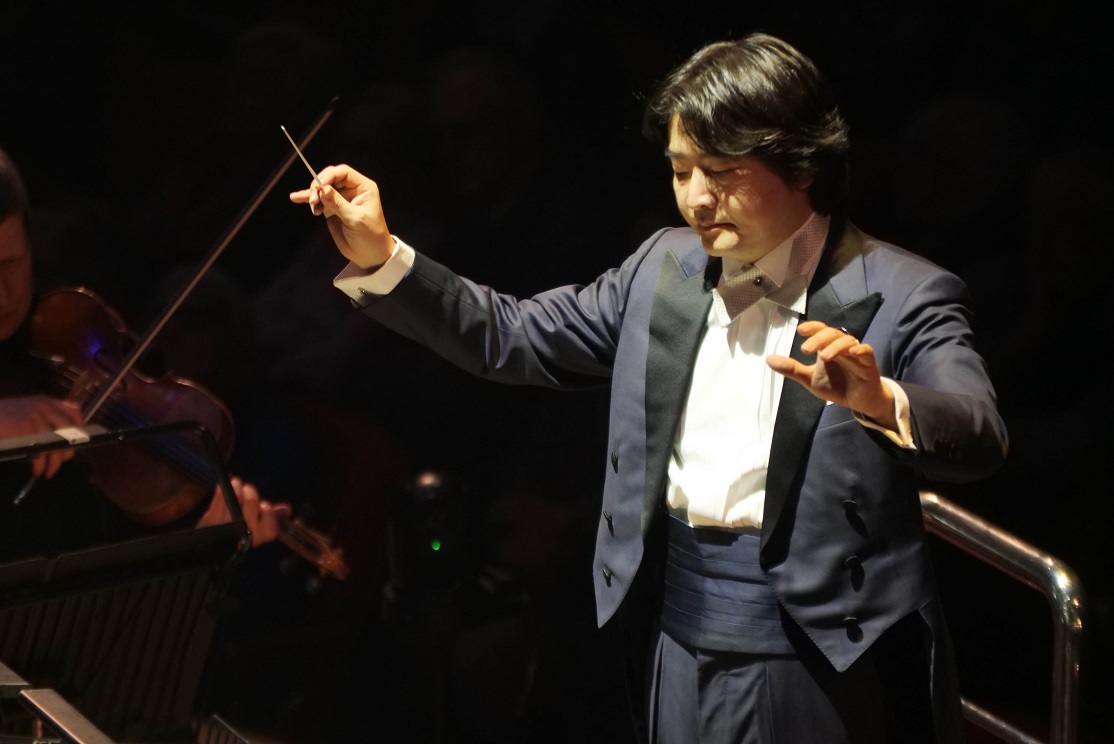
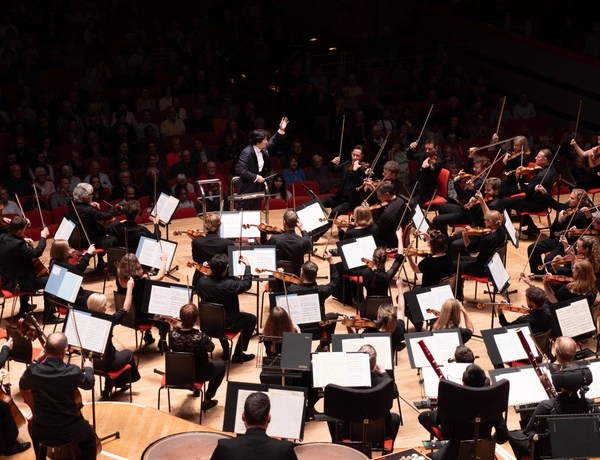
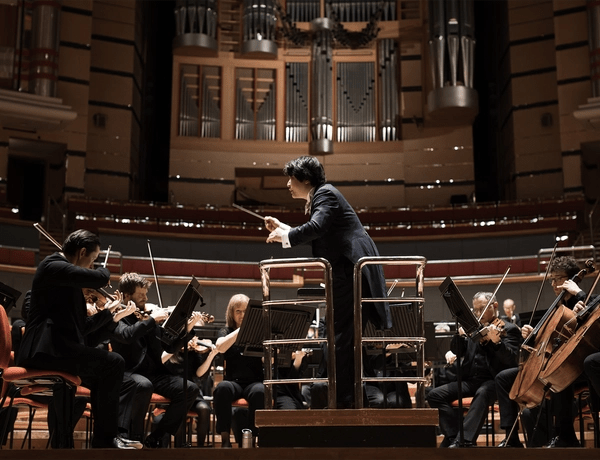
Richard Strauss is among a relatively select number of composers, the range and breadth of whose output makes it suitable for a whole programme – as was evident from this evening’s concert by the City of Birmingham Symphony Orchestra and music director Kazuki Yamada.

Never one to miss such an opportunity, Strauss had evidently conceived his tone poem Death and Transfiguration in the wake of illness only to extend its remit accordingly. Yamada duly had its measure: whether in the not so stark fatalism of its opening pages, the tussle with his approaching demise audibly relished by the protagonist then emergence of that transfiguring state which, after the brief and rather jarring interjection of earlier angst (no more convincing here than almost any other performance) sees this work through to a fervent culmination then on to its beatific close. Not consistently more than the sum of its best parts, and with internal detail sometimes obscured in the onslaught of its vehement tuttis, this was still an involving account – lessened not a jot by its underlining Strauss’s enjoyment of his emotional strivings.
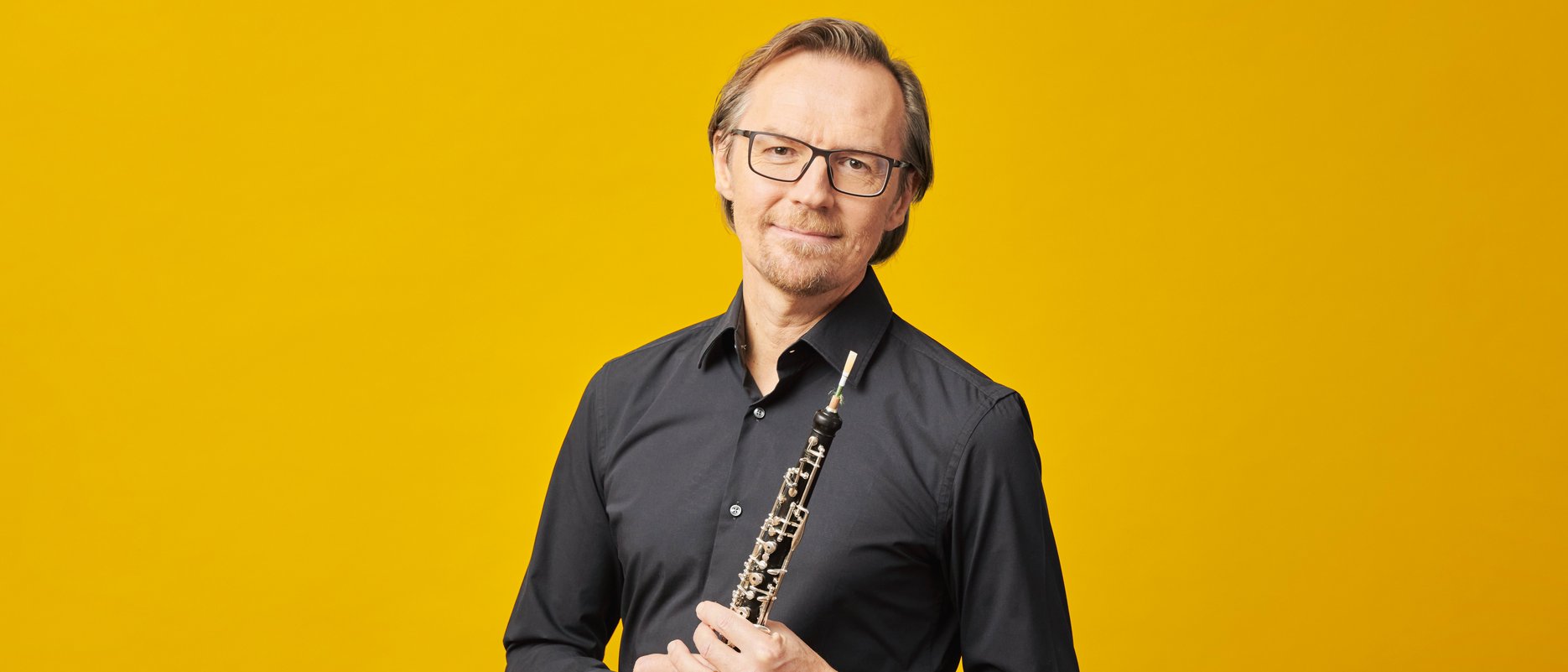
Onward 46 years to the Oboe Concerto the ageing composer wrote at the promptings of US army corporal and professional oboist John de Lancie. Much the finest of those concertante pieces from Strauss’s ‘Indian summer’, its three movements merge into the finely balanced continuity that Jonathan Kelly (above) – making a welcome return to the orchestra of which he was solo oboist during 1993-2003 – relished throughout. The elegance of its initial Allegro here abetted by a degree of nonchalance, as was the poise of its Andante with deftest pathos, his reading came into its own in a Vivace whose cadenza passages were as eloquent as the coda that Strauss duly extended to make this movement an unerring fusion of scherzo and finale. Kelly understandably offered no encore, but he returned to join the CBSO after the interval.

That second half consisted of Thus spake Zarathustra – if not the most ambitious of Strauss’ tone poems in size then surely in scope, whether or not the depths of Nietzsche’s existential musings are really plumbed. The indelible ‘Sunrise’ treading a fine line between profundity and portentousness, Yamada charted its idiosyncratic journey toward spiritual enlightenment with a sure sense of where this music was headed – no matter that the outcome felt as much   a glorification of orchestral power and opulence as of anything more intrinsically humane.

Highlights during its course included the sustained emotional force in ‘Of Joys and Passions’, the textural unanimity of the strings across their fugal writing in ‘Of Science and Learning’, and suavity then mounting animation of ‘The Dance Song’ with leader Eugene Tzikindelean in his element – before ‘Song of the Night Wanderer’ brought proceedings down from their orgiastic heights into that sombre repose whose tonal inconclusiveness may be an indicator  of Strauss’s own perspective; the certainly of those opening bars left pointedly unresolved.

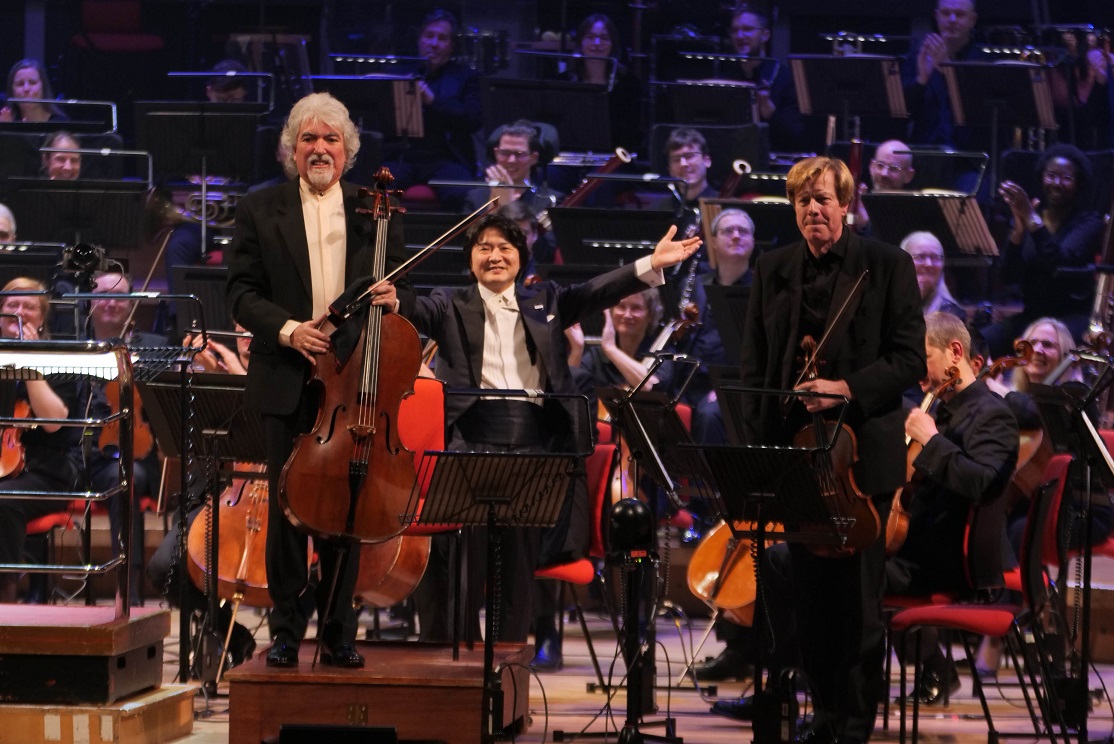
Its pizzicato chords on lower strings made a telling farewell for Eduardo Vassallo, principal cellist throughout much of the past 36 seasons. His broad sympathies including Argentinian tango, and a characterful Don Quixote to boot, leaves players and listeners alike in his debt.

Published post no.2,747 – Saturday 13 December 2025

For more on the CBSO’s season for 2025/26, head to the CBSO website – and for more on the artists in this programme, click on the names to visit the websites of conductor Kazuki Yamada, oboist Jonathan Kelly and principal cellist Eduardo Vassallo
In concert – Eduardo Vassallo, Chris Yates, CBSO / Kazuki Yamada: Richard Strauss – Don Quixote; Beethoven ‘Eroica’ Symphony

Eduardo Vassallo (cello), Chris Yates (viola), City of Birmingham Symphony Orchestra / Kazuki Yamada

Richard Strauss Don Quixote Op.35 (1897)
Beethoven Symphony no.3 in E flat major Op.55 ‘Eroica’ (1803-4)

Kazuki Yamada and Tom Morris (concept), Rod Maclachlan (video design), Zeynep Kepekli, lighting design), Gustave Doré (illustrations)

Symphony Hall, Birmingham
Wednesday 13 December 2023

Reviewed by Richard Whitehouse. Photos (c) Hannah Fathers

Tonight’s concert from the City of Birmingham Symphony Orchestra was not only the orchestra’s final concert before its Christmas season, but also the first to feature a new concept of presentation with a view to reimagining just what the concertgoing experience might be like in the future.

Not that this concept was uniformly applied to the pair of works in question. In the first half, Richard Strauss’s Don Quixote was accompanied by rehearsal and live footage relayed via screens as placed to the left, above and to the right of the platform. They gave passing insight into cellist Eduardo Vassallo’s preparing to take the stage, then kept a close watch on his interaction with violist Chris Yates – their musical repartee informing much of what follows. Less convincing was the selection from Gustave Doré who, while he died over a decade before Strauss’s work, still anticipated its concerns in his illustrations for an 1863 edition of Cervantes. These were rather generally applied over the work’s course with few references to Dulcinea who, while she does not appear in the novel, is yet a pervasive influence on the latter stages of the score.

The performance was a notable one in terms of Kazuki Yamada’s surveying this piece as a cumulatively unfolding whole – its 10 variations, each keenly characterized, framed by an increasingly ominous introduction and warmly resigned epilogue. Vassallo had the measure of what, for all its virtuosity, is essentially a concertante rather than solo part and, for which reason, tends to come off best when taken by a section-leader. Not all those frequently dense textures emerged with ideal clarity and motivic unity, which ensures formal and expressive focus as the work proceeds, could have been clearer in its climactic stages, but an essential humanity was always to the fore as Yamada perceived it. Those hearing it for the first time could hardly have failed to be impressed with Strauss’s ambition or moved by his response.

Less so, perhaps, by Beethoven’s Eroica Symphony after the interval. Here the visual element centred largely on the musicians as the account took place – except during the first movement, when a photographic roll-call of the CBSO’s ‘heroes’ (musical and otherwise) was laminated onto the music – thus robbing it of the means to transcend time and place as surely as had the composer those of revolution or Bonaparte. Elsewhere, the standing-up of individual players and sections to highlight salient aspects of the piece was rather inconsistently applied – why, for instance, did the horns not do so with their unison statement of the ‘Prometheus’ theme in the finale (Thomas Beecham did this decades ago) – while the emerging photos of orchestral members mid-way through that movement risked seeming an awkwardly sentimental gesture.

All of this might have mattered less had the reading carried consistent conviction. As it was, the opening Allegro stuck doggedly to a tempo that felt more than a little stolid – its climactic moments undermined by pauses that impeded the musical flow, though the coda yielded the right emotional frisson. The highlight was a Funeral March whose fatalism was leavened by acute pathos at its climax, with a coda whose disintegration audibly left its mark. If the outer sections of the Scherzo seemed just a little deadpan, its trio was rousingly despatched by the three horns, and the initial stages of the finale had a welcome spontaneity as the ‘Prometheus’ theme is put through its paces. A pity Yamada slowed right down for its restatement midway through, resulting in a serious loss of momentum that not even an incisive coda could regain.

Tonight’s concert was a concerted and not unsuccessful attempt to confront the issue of how to attract a younger and more inclusive audience to classical music. Where it foundered was on a misguided premise that bombarding those present with images somehow makes them listen more intently. For this to come about, they need to be encouraged to focus collective attention aurally rather than just visually – a challenge such as Symphony Hall, with its all-round excellence and its many acoustical resources, would seem ideally equipped to fulfil.

This is evidently an experimental phase for the CBSO, as various possibilities are tried out, but an emphasis on sonic enhancement, allied to the subtle if pervasive presence of lighting, is arguably one way forward and could ultimately blaze a trail for the concert of the future.

You can read all about the 2023/24 season and book tickets at the CBSO website. Click on the names for more information on conductor Kazuki Yamada, cellist Eduardo Vassallo, violist Chris Yates – and also on the names for more on Tom Morris, Rod Maclachlan, Zeynep Kepekli and Gustave Doré

Published post no.2,044 – Tuesday 19 December 2023