

Prom 30 – Poulenc: Dialogues des Carmélites
Blanche de la Force Sally Matthews (soprano), Madame de Croissy (Old Prioress) Katarina Dalayman (mezzo-soprano), Madame Lidoine (New Prioress) Golda Schultz (soprano), Mother Marie of the Incarnation Karen Cargill (mezzo-soprano), Sister Constance of St Denis Florie Valiquette (soprano), Mother Jeanne of the Child Jesus Fiona Kimm (mezzo-soprano), Marquis de la Force Paul Gay (bass-baritone), Chevalier de la Force Valentin Thill (bass-baritone), Father Confessor Vincent Ordonneau (tenor, Jailer Theodore Platt (baritone), First Commissary Gavan Ring (tenor), Second Commissary Michael Ronan (bass-baritone), Thierry (a footman) Jamie Woollard (bass), M. Javelinot (a physician) Matthew Nuttall (baritone), Sister Mathilde Jade Moffatt (mezzo-soprano), Officer Michael Lafferty (baritone), The Glyndebourne Chorus, London Philharmonic Orchestra / Robin Ticciati
Directed at the Proms by Donna Stirrup
Royal Albert Hall, London
Monday 7 August 2023
by John Earls photos by Sisi Burn / BBC; John Earls (panorama pic)
Semi-staged performances of operas can be tricky. Especially if given in the cavernous space that is the Royal Albert Hall.
Glyndebourne Opera’s production of Francis Poulenc’s Dialogues des Carmélites (Dialogues of the Carmelites) this summer had already received some excellent reviews so it was with some excitement and nervousness that I approached this Proms performance directed by Donna Stirrup, based on Barrie Kosky‘s Glyndebourne production.
It was a breathtaking evening combining sensitive and thoughtful staging, outstanding playing of the magnificent score by the London Philharmonic Orchestra under Robin Ticciati, and some stunning individual performances.

Poulenc’s 1957 opera is a fictionalised version of the story of the Martyrs of Compiègne, Carmelite nuns who, in 1794 during the closing days of the Reign of Terror during the French Revolution, were guillotined in Paris for refusing to renounce their vocation. Whilst rooted in this harrowing story this production also touches on the theme of persecution more generally.
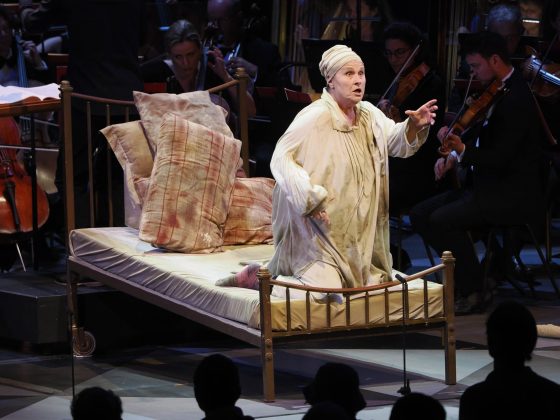
There were a number of outstanding solo performances. Sally Matthews (Blanche), Katarina Dalayman (Madame de Croissy, Old Prioress, above), Golda Schultz (Madame Lidoine, New Prioress), and Karen Cargill (Mother Marie of the Incarnation). But I was particularly taken with Florie Valiquette whose portrayal of Sister Constance of St Denis was gripping throughout and singing incredibly moving – “We die not for ourselves alone, but for one another, or sometimes even instead of each other” (it was good to have surtitles of George Bernanos’ impressive text).
But if the solo performances were captivating, the playing of the London Philharmonic Orchestra conducted by Robin Ticciati was exceptional. The range in colours and timing was just enthralling with Ticciati measuring silences to magical effect.

The concluding march to the scaffold and Salve Regina with accompanying guillotine-drops were affecting and unforgettable. This was a remarkable performance of a remarkable piece.
This concert is available on BBC Sounds until early October. For more on the 2023 BBC Proms, visit the festival’s website at the BBC
John Earls is Director of Research at Unite the Union and tweets at @john_earls
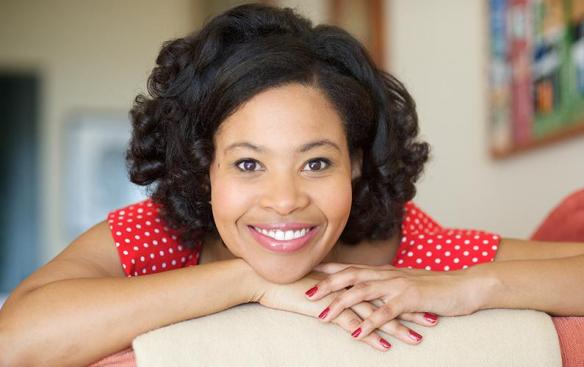
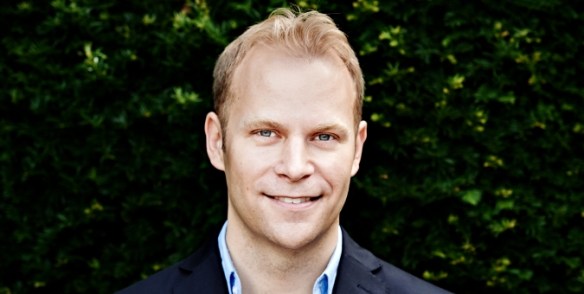 Amy Beach was one of the first women composers to really make a lasting impression in classical music, terrible as that sentence sounds. Some of her songs are well known, in particular these three short settings of poetry by Robert Browning (31:02-33:50 on the broadcast). The first, The Year’s at the Spring! (31:02), was a rapturous picture postcard with which to throw open the doors, while Ah, Love, but a Day! (32:13) grew gradually higher in range, Schultz making the most of this with an exquisitely floated delivery. Finally I Send My Heart Up To Thee (33:50) was a joyful ray of light.
 Arcana.fm