Vanessa Wagner continues her exploration of Philip Glass’s piano works with Etude No. 8, released on September 5th.
“Etude No. 8 is one of the most mysterious pieces of the cycle and undoubtedly the most lyrical of Book I. It begins with an ethereal unison between the right and left hands, sounding like a question, a call, and resolves into a phrase with a theme of heartbreaking tenderness. The central section, with its deep basses and 3-against-2 rhythmic sway, carries us into a universe of dark, passionate turmoil before returning to the initial unison—pure and bare, like a moment of renunciation. In just a few minutes, Philip Glass takes us through multiple emotional landscapes, all infused with gentleness, melancholy, and depth.” – Vanessa Wagner
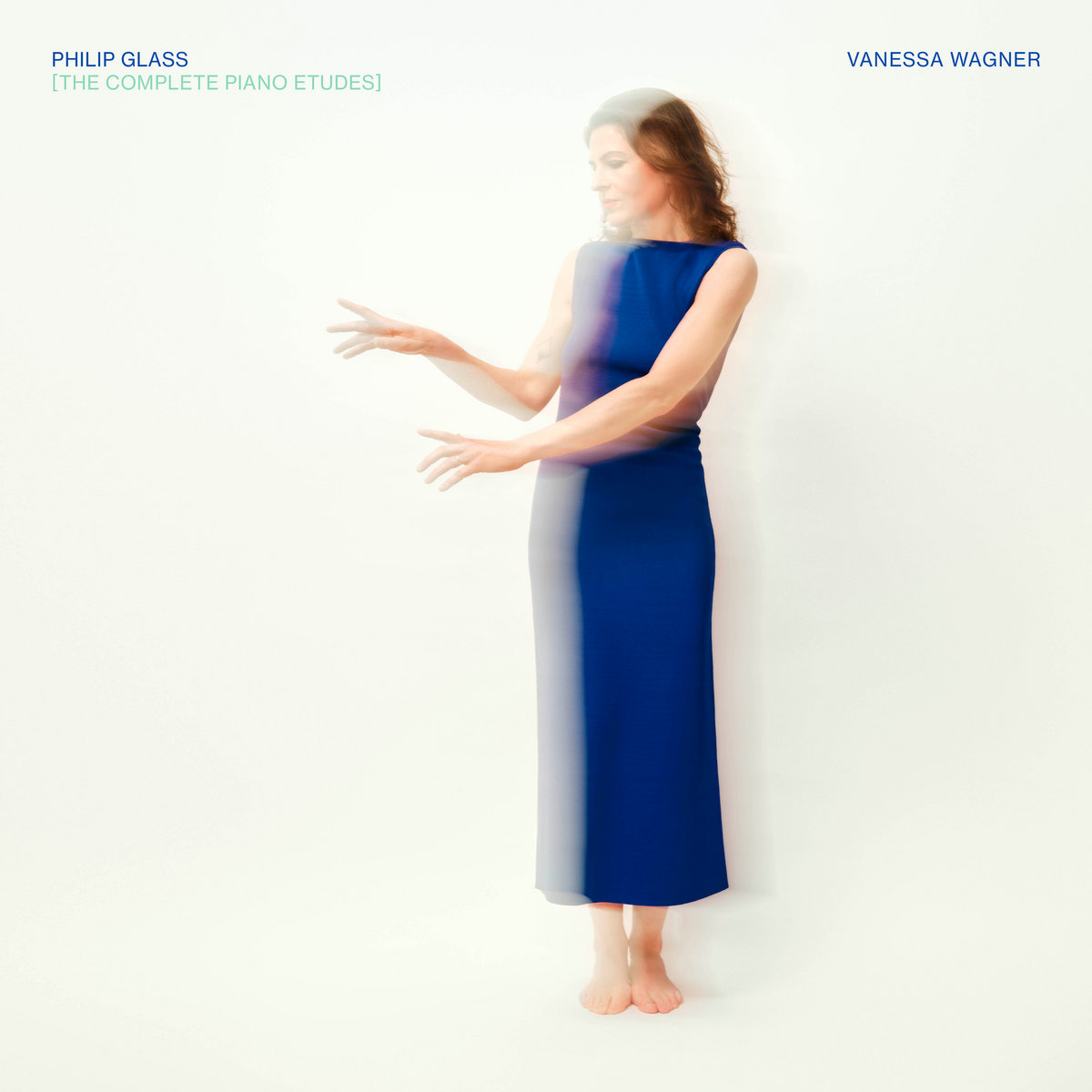
Vanessa Wagner has today revealed the next instalment of her forthcoming album release of Philip GlassEtudes, due for release on 13 July from the InFiné label.
“After more than thirty years spent playing, interpreting, and working on the great repertoire, Philip Glass’s music has, in a way, almost revolutionized my life as a musician,” confides Vanessa Wagner.
The label describe how “in Etude no.14, so often filed away as a mere “transitional” study, Wagner uncovers a central engine of Glass’s language: the art of turning motif into living gesture, pattern into emotion, structure into an open-ended form.”
InFiné have been extending their reach with a clutch of interesting digital compilations of late, including Club InFiné and InFiné Rewind 2024.
The French label is largely known for its experimental strands, but they have a far musical reach – as this cosmopolitan ambient collection shows.
What’s the music like?
The mix immediately reaches its goals through the soft beats of Murcof and the beautiful sounds of Brian Eno refracted through the piano of Bruce Brubaker, whose take on Music For Airports 2/1 will soothe any fevered brow. The same can be said for Vanessa Wagner’s piano, Struggle For Pleasure viewed through the hazy viewfinder of GAS.
There are some long form ambient epics here too, in the form of Gaspar Claus with the slightly disquieting Inside, and an epic take on Carl Craig’s At Les from Abul Mogard. Elsewhere Loscil takes the slowly oscillating piano of Murcof x Wagner’s Avril 14th (Aphex Twin), opening it out in timeless widescreen. The track leads seamlessly into Cubenx’s Human Dilemma.
Does it all work?
It does indeed, especially when experienced as a 13-track whole. As a bonus, if you visit the compilation’s Bandcamp page you get helpful biographies of all the ambiently inclined InFiné composers and musicians.
Is it recommended?
Very much so. InFiné know exactly what they’re doing with this compilation, providing aural balm whenever the listener needs it.
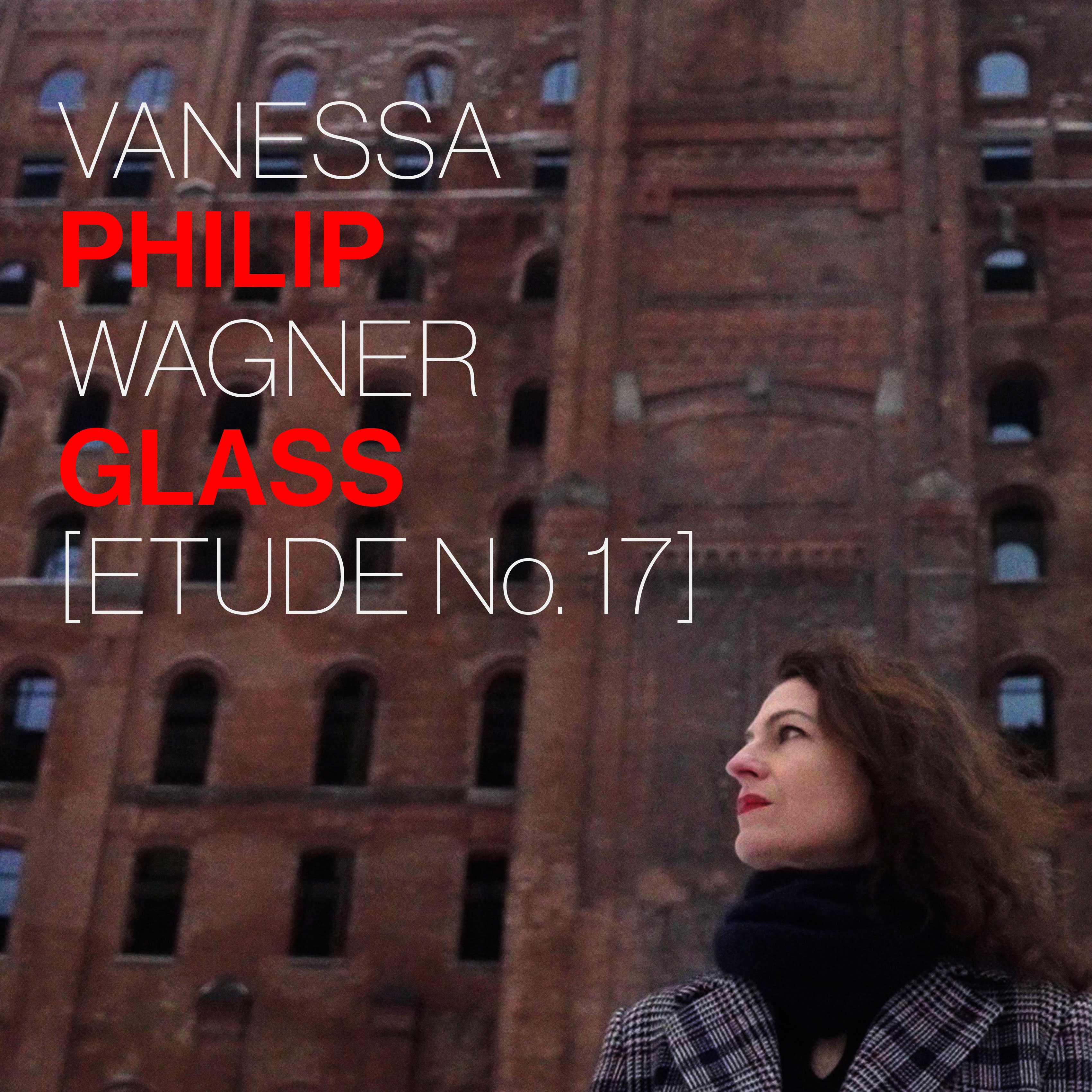
Today brings us news of an important project from Vanessa Wagner, a favourite of these pages. Étude No. 17 is the first excerpt from her complete recording of Philip Glass’s Études for Piano, set for release later in 2025 on the InFiné label.
The InFiné press release goes into detail on Glass’s etudes, which are fast becoming the most recorded area of his music:
“Through her approach, Vanessa Wagner helps establish these two books as a major cycle within the grand repertoire, on par with the études of Ligeti, Pascal Dusapin, and, before them, Chopin and Liszt.
While the first book was conceived as an instructional manual to push Glass’s technical limits with a piano, the second book envisions an imagined virtuoso pianist, demanding both precision and dexterity. Glass himself has rarely performed more than a few pieces from the second volume.
Legend has it that while working on his final four études, Glass pulled a collection of poetry by Allen Ginsberg from his bookshelf. A mythical figure of the Beat Generation, Ginsberg inspired a whole generation’s desire for travel—journeys that took the young Glass across Europe (notably France) and India, infusing his work with a singular tone. As he flipped through the book, he reportedly rediscovered a personal manuscript for a piece titled Magic Psalm, which would later become his Etude No. 17.
Through her interpretation, Vanessa Wagner brings to light the delicate balance between serenity and tension in this mesmerizing composition, capturing both its poetic, wistful quality and its cinematic contrasts—inviting listeners on a journey that is as reflective as it is unsettled, much like the ever-shifting landscapes of the Hudson River.”
Ambient music lies at the very core of InFiné. We’re devotees of the great Brian Eno, raised on the 4AD label, and nurtured on KLF’s pioneering Chill Out and Aphex Twin’s Selected Ambient Works on Warp. Ever-curious listeners, we soaked up the German vibrations of early Ash Ra Tempel before diving into the abyssal basslines of Moritz Von Oswald or the stark minimalism of Pole.
Later, we encountered other wizards around the globe: Murcof in Mexico, Loscil in Canada, Kaito in Japan, Biosphere in Scandinavia, and more recently Kmru in Kenya. This music forms a central thread in our catalog, sitting alongside more rhythm-driven electronic styles, innovative classical hybrids, and increasingly even pop. In Ambient, the role of sound is more vital than in any other genre! Each note needs ample space to resonate, and every piece immerses you in the pure essence of its sound. These tracks stretch time by using minimal resources to create a profound experience. Here, silence is part of the composition, offering a depth and richness unlike anything else.
What seems simple often takes hours in the studio to refine and place each note, adjusting the movement of a resonance like an architect shaping a structure. Everything must be perfectly calibrated, without artifice, like a zen garden where the tiniest imperfection disrupts the harmony. Ambient goes straight to the heart of music: emotion! Sound becomes a safe haven, a powerful instrument for resilience and introspection, bringing us together to face personal or collective challenges. Fueled by this conviction and countless hours of practice, InFiné developed its own “medicinal music” series. We’ve carefully selected audio potions from our catalog—often electronic, sometimes more organic or experimental—to guide you through beneficial emotional landscapes. InFiné Ambient is an invitation to travel without moving, a moment to reset our humanity in a world assaulted by outside turbulence.”