

Elizaveta Ivanova (flute, below), BBC Symphony Orchestra / Vinay Parameswaran (above)
Carlos Simon Fate Now Conquers (2020)
Ibert Flute Concerto (1932-33)
Prokofiev Symphony no.7 in C# minor Op.131 (1952)
Studio 1, BBC Maida Vale Studios, London
Tuesday 4 February 2025 (2:30pm)
by Ben Hogwood Photo of Vinay Parameswaran (c) Roger Mastroianni, courtesy of The Cleveland Orchestra
For this concert linking seventh symphonies, the BBC Symphony Orchestra made their first public appearance with conductor Vinay Parmeswaran.
They began with music from Vienna via America, Carlos Simon effectively remixing the second movement of Beethoven’s Symphony no.7 and applying some fresh paint of his own. The piece was inspired by an entry Beethoven made into his journal in 1815, and takes its lead from “the beautifully fluid harmonic structure” of the symphony’s second movement, Simon composing “musical gestures that are representative of the unpredictable ways of fate”. Though Beethoven’s structure could still be glimpsed, it was viewed through music incorporating the language of Sibelius, Copland and John Adams to create a relatively familiar but ultimately thrilling orchestral vista. Simon’s development of the material was enjoyable to witness, though the sudden end felt underpowered in context. Nonetheless, here is a composer to investigate further.
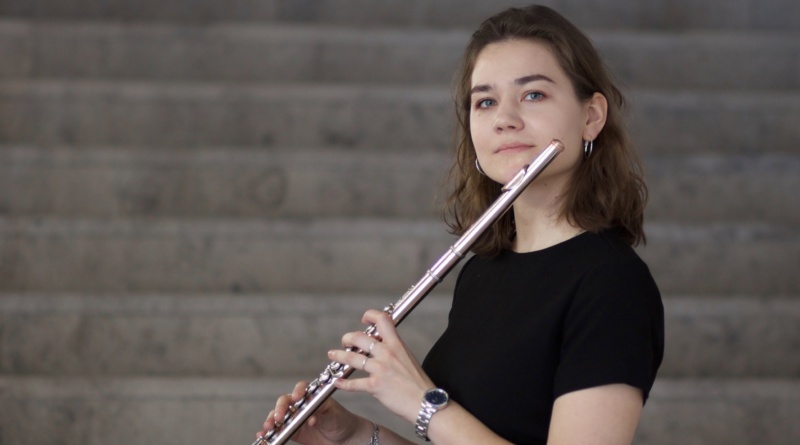
Ibert’s Flute Concerto is one of the instrument’s calling cards from the 20th century, though is heard in concert rather less than it could be. Here it was performed by Elizaveta Ivanova, a flautist recently recruited to the BBC New Generation Artists programme and making her first appearance with the BBC Symphony Orchestra. She brought to the piece a welcome freshness, rising to the challenge of Ibert’s virtuoso solo part while including stylish phrasing and thoughtful dialogue with the orchestra. The graceful second movement Andante is the emotional centre of the concerto, and recalls the equivalent movement in Ravel’s Piano Concerto in G major in its beauty and softer-hearted sentiments. This was in vivid contrast to the outer movements, whose syncopations took the music closer to New York rather than Paris, Ibert’s cosmopolitan style enjoyed by the reduced BBC SO forces as much as by the athletic soloist. A fine performance, and a welcome revival for a composer whose colourful orchestral music and abundant melodies are a tonic.
Melodies, bittersweet or otherwise, are at the core of Prokofiev’s late Symphony no.7, written the year before his death. In a short interview section Parmeswaran implied the work was ‘softer’ than its predecessors, but there were no shrinking violets to be found as the second movement reached a juddering conclusion. Here Prokofiev’s attempts to write a competition winner, simultaneously pleasing Stalin, were affected by his own personal angst, for he was living in poverty at the time.
The weighty bass of the first movement and graceful cello theme of the third movement, marked Andante espressivo, were indicators of the emotional range of the symphony, but the biggest tune, heard from the full orchestra, was the second theme of the first movement, a soaring and winsome melody that returns to crown the final movement. Under Parmeswaran’s affectionate direction it was beautifully judged, though he was careful to ensure the final word in the symphony carried equal impact, the strange ticking of the percussion indicating the creeping passage of time. The symphony ended as it should, its smiling countenance compromised by a frown.
Listen
This concert was recorded for future broadcast on BBC Radio 3. A link will appear here when that becomes available.
Published post no.2,433 – Wednesday 5 February 2025
 Arcana.fm