In concert – Lukas Sternath, BBC Singers, Symphony Chorus & Orchestra / Sakari Oramo @ BBC Proms: Bliss ‘The Beatitudes’, Grieg & Gipps

Lukas Sternath (piano), Elizabeth Watts (soprano), Laurence Kilsby (tenor), BBC Singers, BBC Symphony Chorus, BBC Symphony Orchestra / Sakari Oramo

Gipps Death on the Pale Horse Op.25 (1943) [Proms premiere]
Grieg Piano Concerto in A minor Op.16 (1868 rev.1907)
Bliss The Beatitudes F28 (1961)

Royal Albert Hall, London
Sunday 7 September 2025

Reviewed by Richard Whitehouse Photos (c) BBC / Chris Christodoulou

This evening’s Prom – launching the final week of the present season – was billed as ‘Grieg’s Piano Concerto’, no doubt the reason why many in the audience were attending while hardly being the most interesting aspect of a typically adventurous programme from Sakari Oramo.

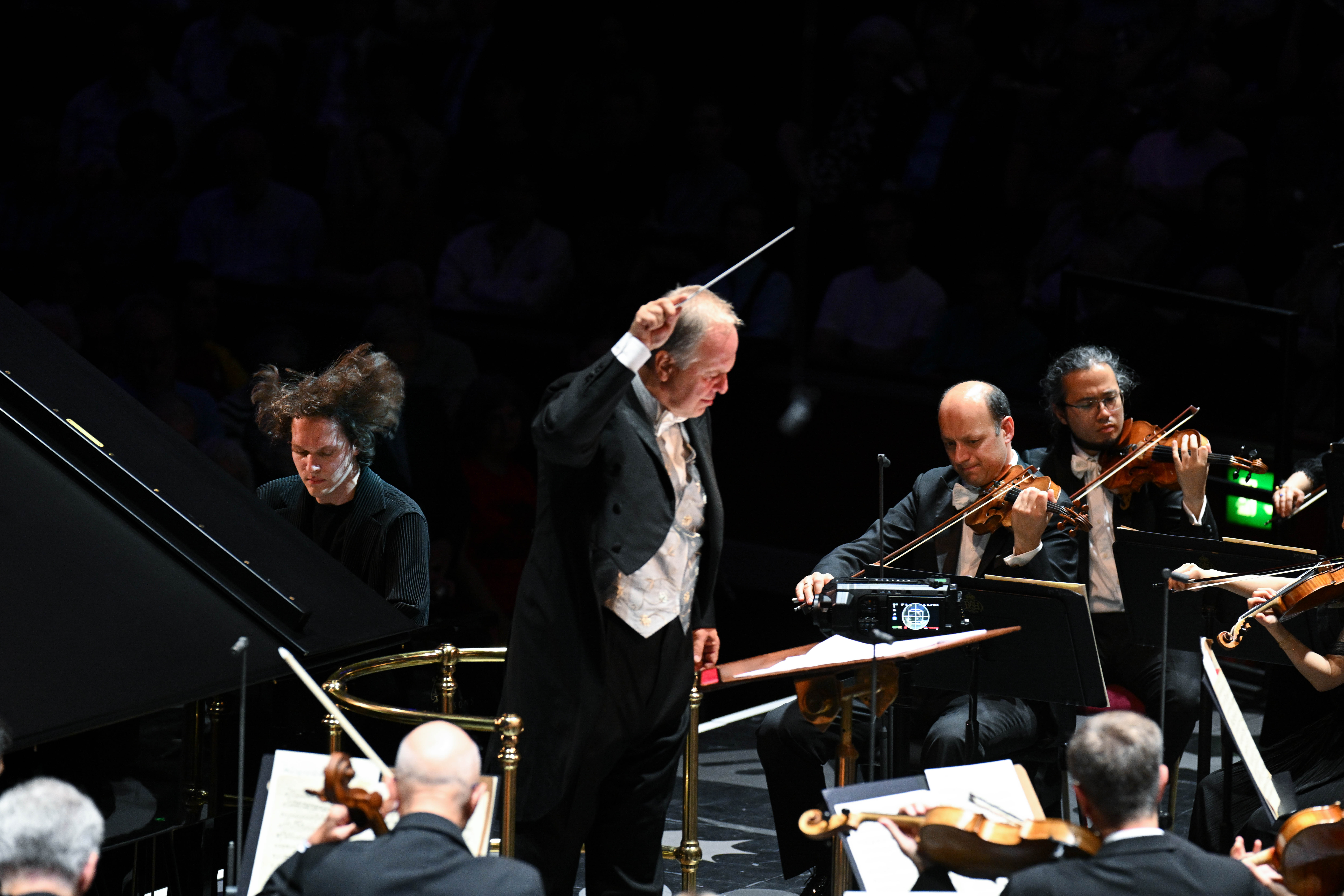
In the event the Grieg received a responsive reading from Lukas Sternath (below, with Oramo), the Viennese pianist who, still in his mid-20s, was most at home in more inward passages. The second theme of the initial Allegro was enticingly taken up after a heartfelt rendering by cellos, as was the Adagio’s eloquent melody and that first emerging in the finale on flute, where it was soulfully rendered by Daniel Pailthorpe. Nor were the more demonstrative aspects underplayed – Sternath having the measure of a cadenza whose mounting rhetoric was pointedly reined-in, while the finale’s outer sections were incisively inflected prior to an apotheosis which felt the more exhilarating through its absence of bathos. A melting take on Richard Strauss’ early song Morgen!, transcribed with enviable poise by Max Reger, served to reinforce Sternath’s formidable pianistic credentials.
The 50th anniversary year of Sir Arthur Bliss’s death has seen a gratifying number of revivals, few more significant than that of The Beatitudes. The misfortune of its premiere having been moved from Coventry’s new Cathedral to its Belgrade Theatre, thus freeing up rehearsal time for Britten’s War Requiem, rather condemned it as an also-ran from the outset. Yet Bliss had created a piece unerringly suited for the consecration in what, in itself, remains an impressive conception. Unfolding as 14 short sections which can be grouped into six larger movements, this is less a cantata than a choral symphony. Setting all nine Beatitudes, Bliss none the less merged several of these and interspersed them with settings from three 17th-century and one 20th-century ‘metaphysical’ poets to commemorate the past from the vantage of the present.

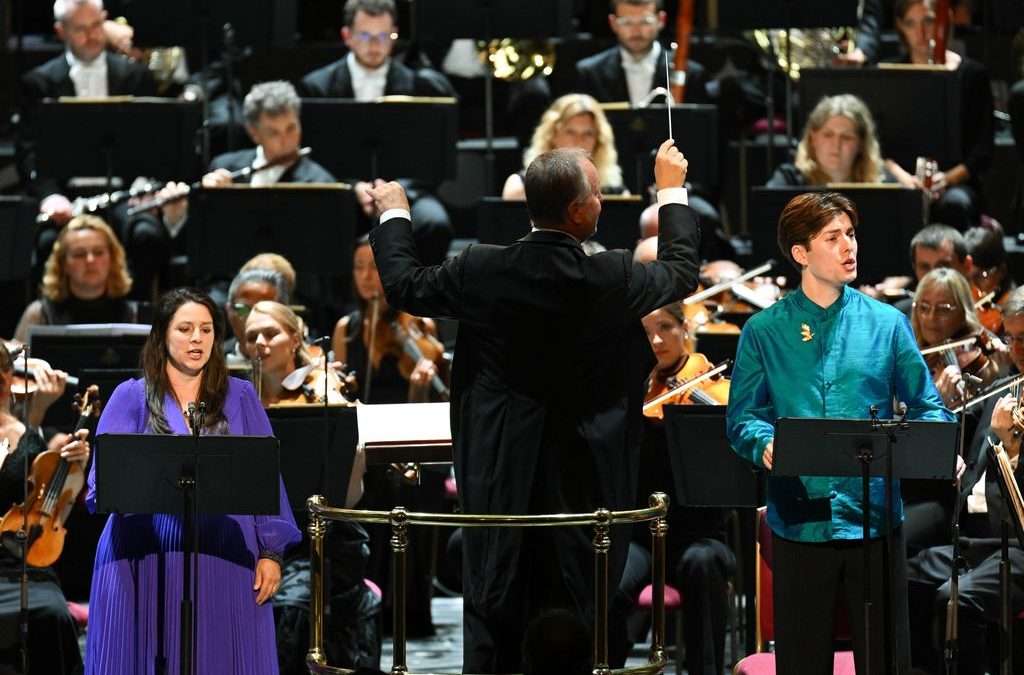
The texts, drawn from Henry Vaughan, George Herbert and Jeremy Taylor, anticipate a future redemption – as, more ambivalently, does Dylan Thomas in And death shall have dominion which builds implacably to the climactic Ninth Beatitude and Voices of the Mob prior to the hard-won serenity of the Epilogue. That The Beatitudes has enjoyed relatively few revivals is less to do with its intrinsic quality than the demands of its choral writing, to which the BBC Symphony Chorus and BBC Singers did notable justice. Elizabeth Watts responded with real sensitivity and perception to some radiant soprano writing and while Laurence Kilsby was a little effortful in the more demonstrative passages, he brought conviction to a tenor role both fervent and compassionate. Nor did Richard Pearce disappoint with his extensive organ part.
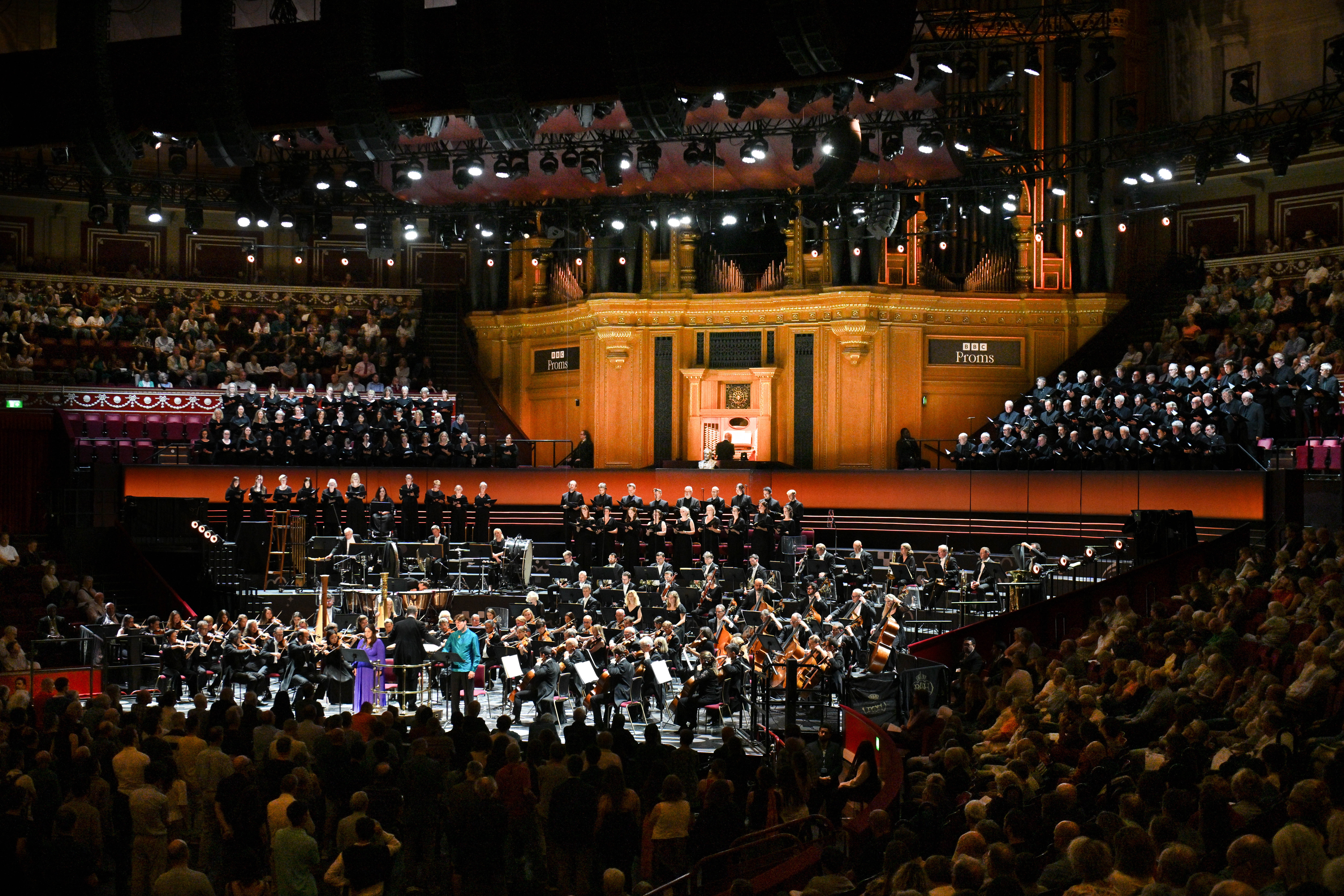
Oramo paced the 50-minute entity superbly as to make one hope he will tackle more works by Bliss – not least the masterly Meditations on a Theme by John Blow, which has inexplicably fallen through the net this year. He had started tonight’s concert with a most welcome revival for Death on the Pale Horse – the succinctly eventful tone poem by Ruth Gipps which, while it might not capture the visceral drama of Blake’s eponymous engraving, distils an evocative atmosphere from pithy initial ideas that audibly reflects the circumstances of its composition.

Click on the artist names to read more about soloists Elizabeth Watts, Laurence Kilsby and Lukas Sternath, the BBC Singers, BBC Symphony Chorus and BBC Symphony Orchestra, and their conductor Sakari Oramo. You can also click to read more about composers Arthur Bliss, Ruth Gipps and the BBC Proms

Published post no.2,652 – Tuesday 9 September 2025
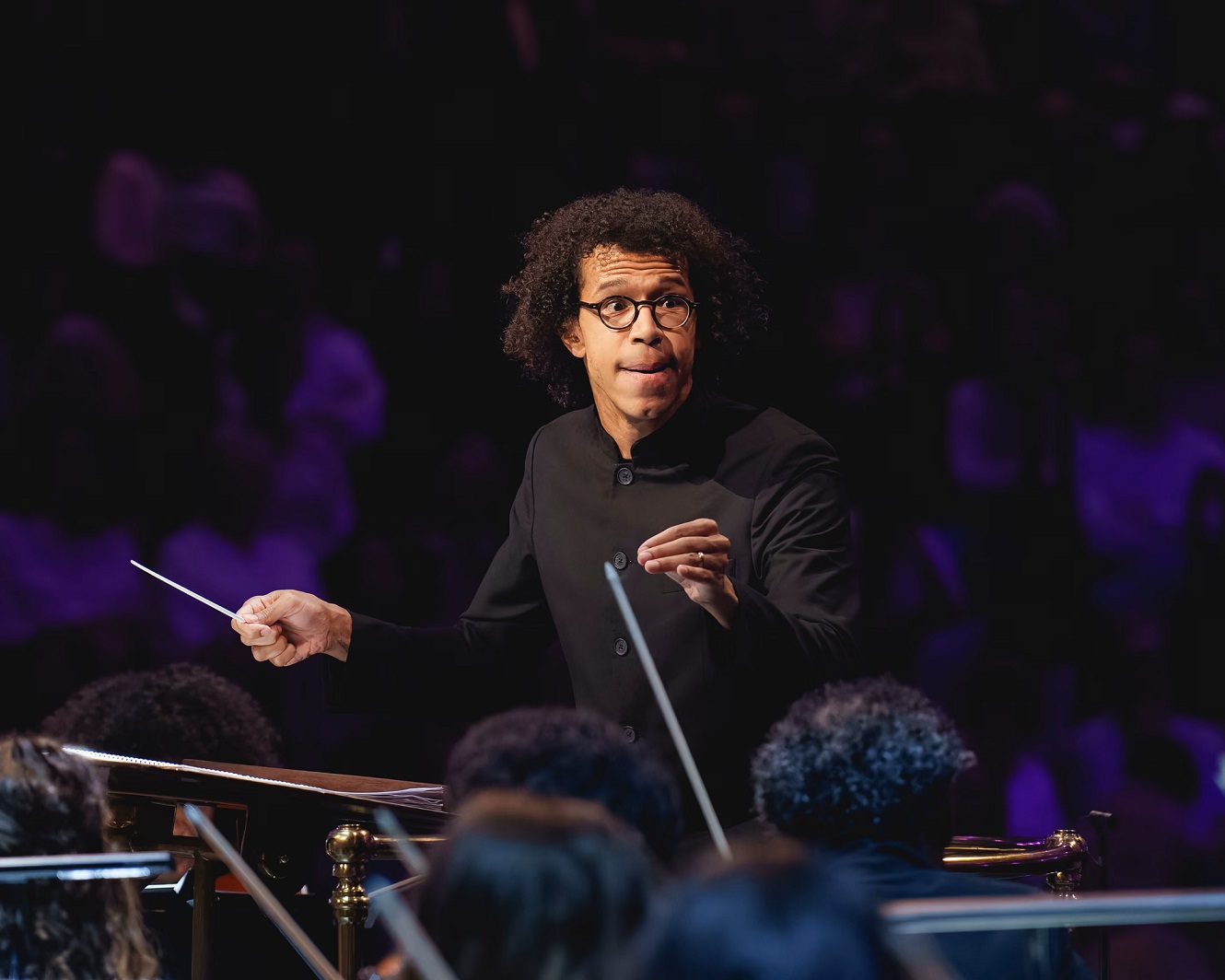
In concert – Chineke! Orchestra / Jonathon Heyward @ BBC Proms: Coleridge-Taylor, Coleman, James Lee III & Shostakovich

Chineke! Orchestra / Jonathon Heyward

Coleridge-Taylor The Bamboula Op.75 (1910)
Coleman Fanfare for Uncommon Times (2021) [UK premiere]
James Lee III Visions of Cahokia (2022) [European premiere]
Shostakovich Symphony no.10 in E minor Op.93 (1953)

Royal Albert Hall, London
Friday 5 September 2025

Reviewed by Richard Whitehouse Photos (c) BBC / Andy Paradise

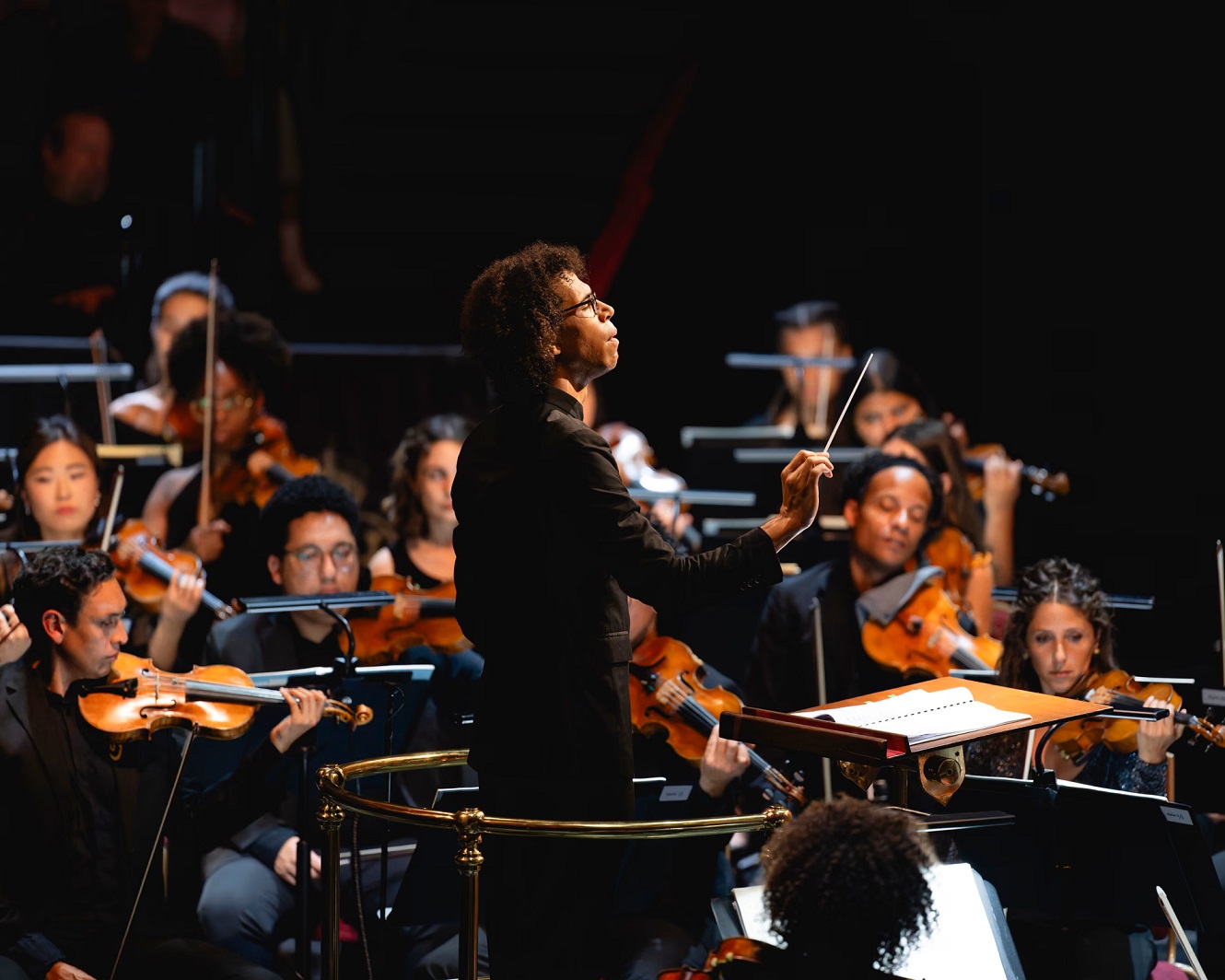
Sir Simon Rattle may have stood down from his second Prom this season, but as his replacement for Chineke! Orchestra’s eighth appearance here was the highly regarded Jonathon Heyward (current music director of the Baltimore Symphony), a positive outcome was all but ensured.

Curious, if not unexpected, that Samuel Coleridge-Taylor’s The Bamboula enjoyed 16 Prom performances in 22 seasons before going into oblivion for 91 years. Although this ‘Rhapsodic Dance’, inspired by a West African drum that found its way into Haitian spiritual practice, is not among its composer’s major works, the increasingly fluid juxtaposition of animated and soulful dances makes for highly sophisticated light music of its period. Certainly, it came up newly minted in this effervescent and responsive reading under Heyward’s assured guidance.

Two pieces from American composers of the middle generation afforded productive contrast in this first half. Aside from its titular play on Copland’s evergreen, Fanfare for Uncommon Times found Valerie Coleman reflecting societal as well as musical ambiguities in a piece that builds not a little ominously in waves of activity towards a latter half whose interwoven brass and percussion conveys a vibrant if disturbing impression: her call to ‘‘face these ‘uncommon times’ with a renewed sense of hope and determination’’ shot through with not a little anxiety.

From here to James Lee III’s Visions of Cahokia was to be transported back into a Medieval settlement which became a centre for Mississippian culture until its still-unexplained demise in the 14th century. Whatever else, this provided inspiration for an orchestral triptych whose fusing elements from Stravinsky with those of Villa Lobos or even Revueltas was evident in the music’s variegated textures and evocative colours. Effectively a ‘concerto for orchestra’ of compact dimensions yet immediate impact, it might well prove a highlight of this season.

As, interpretively speaking, might the performance of Shostakovich’s Tenth Symphony after the interval. Interesting that this piece is currently the most often heard here of its composer’s symphonies – this being its 36th appearance – with Heyward having its measure not least in an opening Moderato such as built methodically yet assuredly from sombre beginnings to a powerful central climax before regaining its initial introspection. After this, the brief Allegro provided explosive contrast as made its being allegedly a ‘portrait’ of Stalin more irrelevant.

Unexceptionally fine as was Chineke!’s playing in these two movements, it came into its own with the Allegretto that ranks among Shostakovich’s most distinctive and personal creations – not least for its motivic interplay of boundless subtlety capped by a stentorian motto on horn to which Pierre Buizer was in accord. Heyward paced it ideally, as also the lengthy Andante whose plangency is swept aside only to return intensified by the finale’s ensuing Allegro; at the close, giving this music its head on route to a decisive and almost affirmative conclusion.

A memorable reading that rounded off a worthwhile concert and likely this orchestra’s most impressive Proms showing yet. Hopefully Chineke! will go on to tackle further symphonies of the later 20th century – maybe a much-needed UK premiere for Allan Pettersson’s Sixth?

Click on the artist names to read more about the Chineke! Orchestra and conductor Jonathon Hayward, and composers Coleridge-Taylor, Valerie Coleman, James Lee III and Dmitri Shostakovich – and the BBC Proms

Published post no.2,650 – Sunday 7 September 2025