In concert – Laura van der Heijden, CBSO / Richard Egarr: Bach, Haydn & Schumann

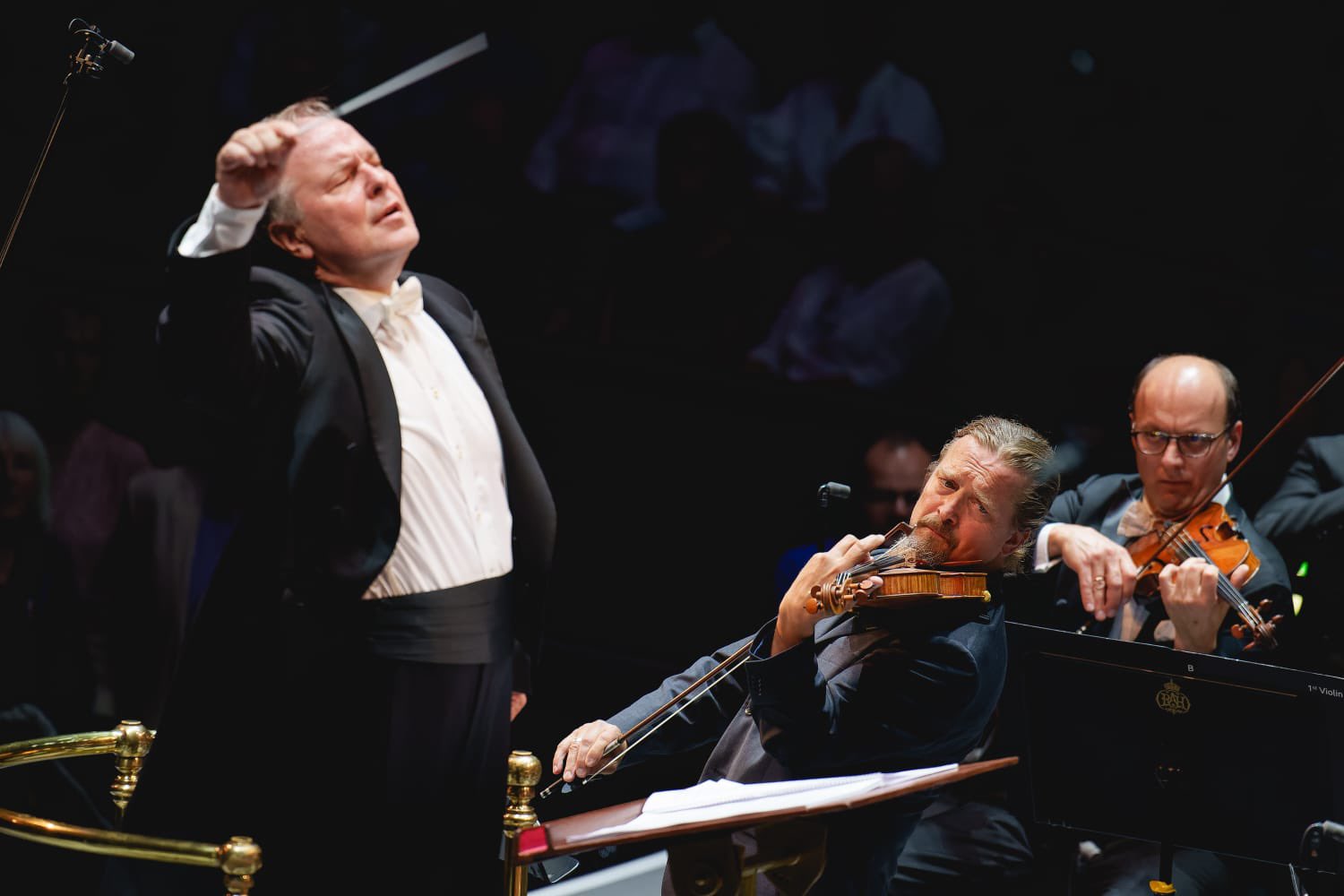
Laura van der Heijden (cello, above), City of Birmingham Symphony Orchestra / Richard Egarr (harpsichord)

J.S. Bach Orchestral Suite no.3 in D major BWV1068 (1730)
Haydn Cello Concerto in D major Hob.VIIb/2 (1784)
J.S. Bach Fuga a tre sogetti BWV1080 no.19 (1748-9)
Schumann Symphony no.2 in C major Op.61 (1845-6)

Symphony Hall, Birmingham
Tuesday 14 November 2023

Reviewed by Richard Whitehouse

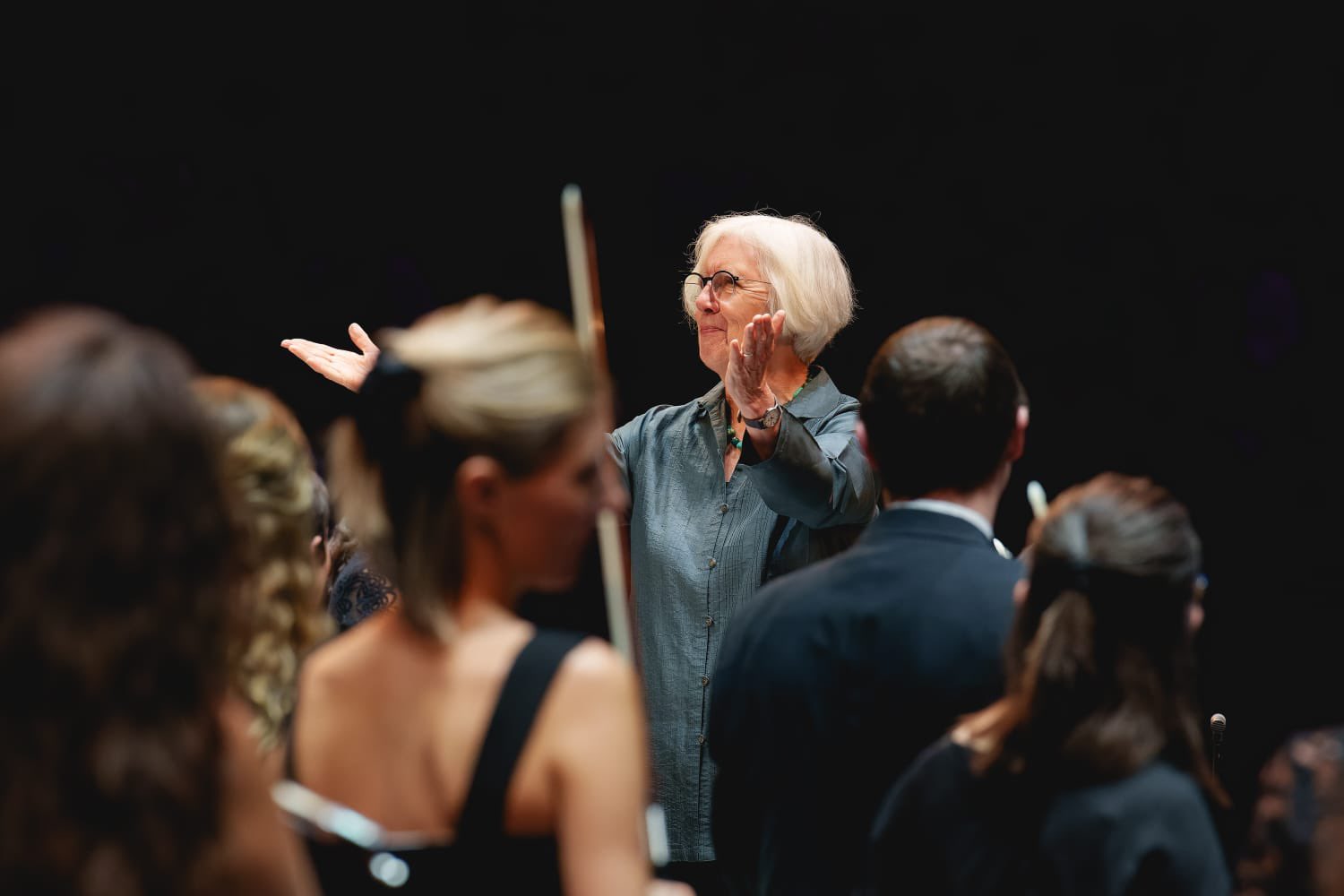
The City of Birmingham Symphony Orchestra has put on smaller-scale concerts over several seasons, and tonight’s wide-ranging programme saw the players being conducted or directed – and frequently at the same time – by the personable and always enthusiastic Richard Egarr.

Egarr and Laura van der Heijden ensured Haydn’s Cello Concerto in D remained unaffected by that understatement, bordering on somnolence, which so often used to characterize it in performance. Although a staple of its repertoire from the outset, it was only discovery of its autograph in 1951 that confirmed it as by Haydn rather than Anton Kraft who had reworked the solo part extensively. Here the initial Allegro had a vibrancy that never wavered, and if Van der Heijden’s tone was not always flattering, the impetus instilled into its development and cadenza (by Colin Matthews?) ensured this movement’s vivid projection. The brief yet eloquent Adagio was enticingly rendered, while the final Rondo had an agility maintained from the first appearance of its indelible theme through to the buoyancy of its closing bars.

Egarr had opened proceedings with Bach’s Third Orchestral Suite, welcome not least because this composer’s orchestral works (other than his Violin Concertos) are seldom encountered at ‘mainstream’ concerts these days. Although its Aria (Air on the G string) – rendered so that its pathos never cloyed – will always be its chief attraction, the Ouverture had grandeur and energy redolent of Handel, then the alternate Gavotte movements evinced a genial humour to which the boisterous Gigue with its clarion-like trumpet writing made an admirable foil. After the interval, an unexpected but absorbing take on the final and unfinished fugue from Bach’s The Art of Fugue. Once more speculated on than actually heard, Contrapunctus XIV remains a fete of technical and imaginative dexterity arguably intensified by its breaking off just after the appearance of the B-A-C-H motif. Whether abandoned from failing eyesight or for reasons of intellectual game-playing, its fascination remains endless and, as heard in this lucid if dour transcription for strings, its fusing of the visceral with the arcane is not in doubt.

Richard Egarr Photo: Marco Borggreve

Not an inappropriate entrée, moreover, to Schumann’s Second Symphony: formally the most rigorous of this composer’s cycle, and one whose historical or aesthetic lineage is evident at every level. Egarr ensured the first movement’s lengthy introduction, pensive yet expectant, led seamlessly into a main Allegro whose momentum carried through to a propulsive close; then into a Scherzo whose pivoting between the agitated and whimsical was not resolved by its headlong coda – superbly articulated here. Nor was there any lack of emotional gravitas in the Adagio, surely among Schumann’s most potent creations, though Egarr’s not always tacit encouragement of applause between movements rather undermined the expectancy of a coda being fulfilled by the final Allegro as this sets out on its joyous while always eventful course.

Just on occasion the inevitability of that course seemed to lose focus, most likely as Egarr’s concept of ‘authenticity’ tended to impede more seamless formal cohesion – but, as the piece headed to its close, a sense of affirmation in the face of daunting odds could hardly be denied.

You can read all about the 2023/24 season and book tickets at the CBSO website. Click on the artist names for more information on cellist Laura van der Heijden and conductor / harpsichordist Richard Egarr

Published post no.1,998 – Friday 3 November 2023

Online Concert: Chouchane Siranossian, Leonardo Garcia Alarcón, Balázs Máté @ Wigmore Hall – Bach, Schmelzer, Farina & Walther

Chouchane Siranossian (violin), Leonardo Garcia Alarcón (harpsichord), Balázs Máté (cello)

J.S. Bach Violin Sonata in G minor BWV1021 (1732-5)
Farina Sonata quinta detta ‘La Farina’ (pub. 1626)
J.S. Bach Violin Sonata in C minor BWV1024: Adagio; Fugue in G minor BWV1026 (before 1712)
Walther Passacaglia from Sonata no.7 (pub. 1688)
Krikor Naregatsi Improvisation on Havun Havun
Locatelli Sonata in D minor for solo violin Op.6/12 (pub. 1737)
Schmelzer Violin Sonata ‘Victori der Christen’ (c1683-4)

Wigmore Hall, Monday 5 June 2023 1pm

by Ben Hogwood

This attractive programme of works for wind ensemble began with a rarity.

September is a prominent line in the sand in the course of the classical music year. The Proms ends, everyone else gears up for the start of an Autumn season, and a fresh wave of creativity begins.

The resumption of the BBC Radio 3 Lunchtime Concert on Mondays at the Wigmore Hall is always a prominent part of the changing of the guard, and the choice to begin the new season with violinist Chouchane Siranossian, harpsichordist Leonardo Garcia Alarcón (both above) and cellist Balázs Máté was an inspired one.

The trio gave a recital based on their Bach Before Bach album of November 2021, bringing forward some of the master’s work for violin and harpsichord but putting it in the context of contemporaries Walther and Schmelzer, as well as some inspired earlier choices.

Bach himself began the programme, the Violin Sonata in G major BWV1021 featuring some effortlessly stylish playing. Siranossian has a particularly beautiful tone and a sense of ornamentation that fits this music instinctively. The same can be said for the fluent harpsichordist Alarcón, an expressive player of exceptional balance, complemented by the burnished tones of cellist Máté. A songful Adagio gave way to an enormously enjoyable, quickfire Vivace, which itself led to a tasteful, florid Largo, led by legato harpsichord. An attractive Presto finished an uplifting account.

We then had a rare opportunity to hear the music of Carlo Farina, whose work is not often heard in concert. With performances like these he deserves much better, for the Sonata quinta detta featured lively passagework and darker colours, the music glinting at the edges as the violin became prone to passionate outbursts over rich harmonies. Siranossian selected a shorter bow for this music, playing to the snappy, playful interjections.

Two Bach movements followed, cleverly linked – a deeply profound Adagio, given great depth and character by the violinist, then a virtuosic Fugue, a very tricky proposition given Bach’s writing but brilliantly played. Walther’s Passacaglia, meanwhile, was a fiery complement, setting out the main theme in relatively polite tones but then liable to explosive outbursts of virtuosity.

After all this activity came the brilliantly timed Improvisation on Havun, Havun, from 10th century Armenian monk Krikor Naregatsi. This introduced a remarkable stillness to the concert, time standing still as the violin turned ornamental phrases over a drone from the cello’s open A and D strings. Siranossian segued straight into the Locatelli, a solo sonata with daring feats of virtuosity here but retaining some of the bird-like qualities found in the Naregatsi. Her impeccable intonation and bow control were striking, but the music reached a truly exalted level in the fifth movement Capriccio ‘prova dell’intonazione’, the sky truly the limit for the violin’s highest register!

There was also a bold opening to Schmelzer‘s pictorial sonata Victori der Christen, with multiple stopping and very descriptive writing, especially in the slow and sorrowful sections. To complement the drama of the Schmelzer, Siranossian introduced the first movement of the Sonata in D major from Georg Muffat. This was another excerpt from the trio’s disc, but one whose sunny countenance was the perfect foil – and which put the seal on a remarkable concert with playing of an exceptional standard.

You can listen to Bach Before Bach via Spotify below:

For more livestreamed concerts from the Wigmore Hall, click here
BBC Proms 2023 – Christian Tetzlaff, BBC Symphony Orchestra / Sakari Oramo – Weir, Schumann & Elgar

Prom 51 – Christian Tetzlaff (violin), BBC Symphony Orchestra / Sakari Oramo

Weir Begin Afresh (BBC commission, world premiere) (2022-3)
Schumann Symphony no.1 in B flat major Op.38 ‘Spring’ (1841)
Elgar Violin Concerto in B minor Op.61 (1907-10)

Royal Albert Hall, London
Thursday 24 August 2023

by Ben Hogwood photos by Andy Paradise / BBC

The BBC Symphony Orchestra and their chief conductor Sakari Oramo have been on fine form this Proms season, and for their fourth outing together chose a concert whose first half celebrated the vibrancy of spring.

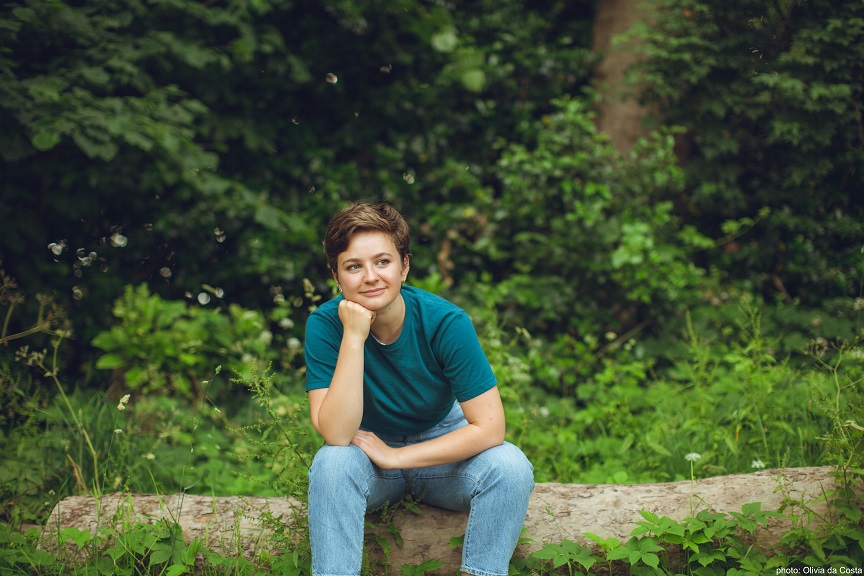
Judith Weir (below) has already written about green matter for orchestra, with her tone poem Forest premiered in 1995 and appearing at the Proms in 2019. Begin Afresh, its title inspired by Philip Larkin verse, takes a more forensic approach, looking at the wonder of trees in an urban setting. Effectively a musical diary, it begins in April, where we found orchestra leader Igor Yuzefovich teaming up with the woodwind section to lead an awakening from months of darkness. Fresh textures and opulent harmonies promised much, but October assumed a heavier tread, trees struggling to produce leaves with the onset of colder weather. Darker colours, including the sharper tone of the piano, came to the fore, but there was strong resolve reminiscent of Sibelius in the colours and phrasing, tonal but restless. True darkness set in among the lean lines of February, where roots fought against the frost, their sinewy profiles etched by the lower strings. Begin Afresh found its victory to be hard-won, but proved to be an attractive and pictorial piece deserving of more outings in the future.

Schumann’s Spring symphony, written in 1841 in the heady aftermath of his marriage to Clara, occupied an odd place in the program but benefited from a freshly minted performance. The initial fanfare set the tone for an interpretation of clarity and poise, the burbling woodwind on fine form. The ensuing Allegro molto vivace was bracing, and was complemented by a softly voiced second movement Larghetto. Here the softer shades were ideally weighted, the strings’ intimate thoughts conveyed with deep feeling. The Scherzo found the violins applying extra force, the theme balanced by two light-footed trio sections that danced happily. Oramo’s fluent reading of this wonderful symphony ended with a convincing last movement affirmation.

If spring was the main focus of the first half, Elgar’s Violin Concerto was ideally suited to late summer. There are many violin concertos in this year’s season – 13 at last count – and although this is the longest work by some distance, it did not tarry here. This was thanks in part to relatively quick tempo choices but mostly due to wholehearted investment from Oramo and soloist Christian Tetzlaff, who clearly loves the piece. From his first statement the violinist was in full, assertive control yet his most meaningful contributions were also the quietest, beckoning the audience in to Elgar’s most intimate thoughts and emotions.

The orchestral counterpoint was clearly and carefully managed by Oramo, himself a dignified Elgarian, with opportunity given for the strings to release ardent feelings in the climax points. The main themes were lovingly delivered, especially in the rapt slow movement Andante, the audience largely silent as the compelling dialogue took hold. While Tetzlaff took every opportunity for virtuoso display, reminding us that no less a violinist than Fritz Kreisler commissioned this work in 1904, none of the acrobatics were for personal gain. Instead they were at the service of Elgar’s expression, which made the final pages all the more telling. As the quiet music took hold a chill spread through the music, a sombre realisation that love – in this case – might not prevail. This realisation unwittingly found a parallel, a musical realisation of the temperatures dropping and the nights drawing in as they do in late August.

The concerto may have had an affirmative finish but these thoughts remained, reinforced by a tastefully restrained encore of the Andante from Bach’s Solo Violin Sonata no.2 in A minor BWV1003. As with the performance before, it was beautifully judged.

For more on the 2023 BBC Proms, visit the festival’s website at the BBC. Meanwhile click on the artist names for more on Christian Tetzlaff, Sakari Oramo and the BBC Symphony Orchestra.

Online Concert: Tom Borrow @ Wigmore Hall – J.S. Bach, Franck & Rachmaninoff

Tom Borrow (piano)

J.S. Bach Italian Concerto in F major BWV971 (pub. 1735)
Franck Prélude, choral et fugue (1884)
Rachmaninoff Variations on a theme of Corelli Op.42 (1931)

Wigmore Hall, Monday 1 May 2023 1pm

by Ben Hogwood

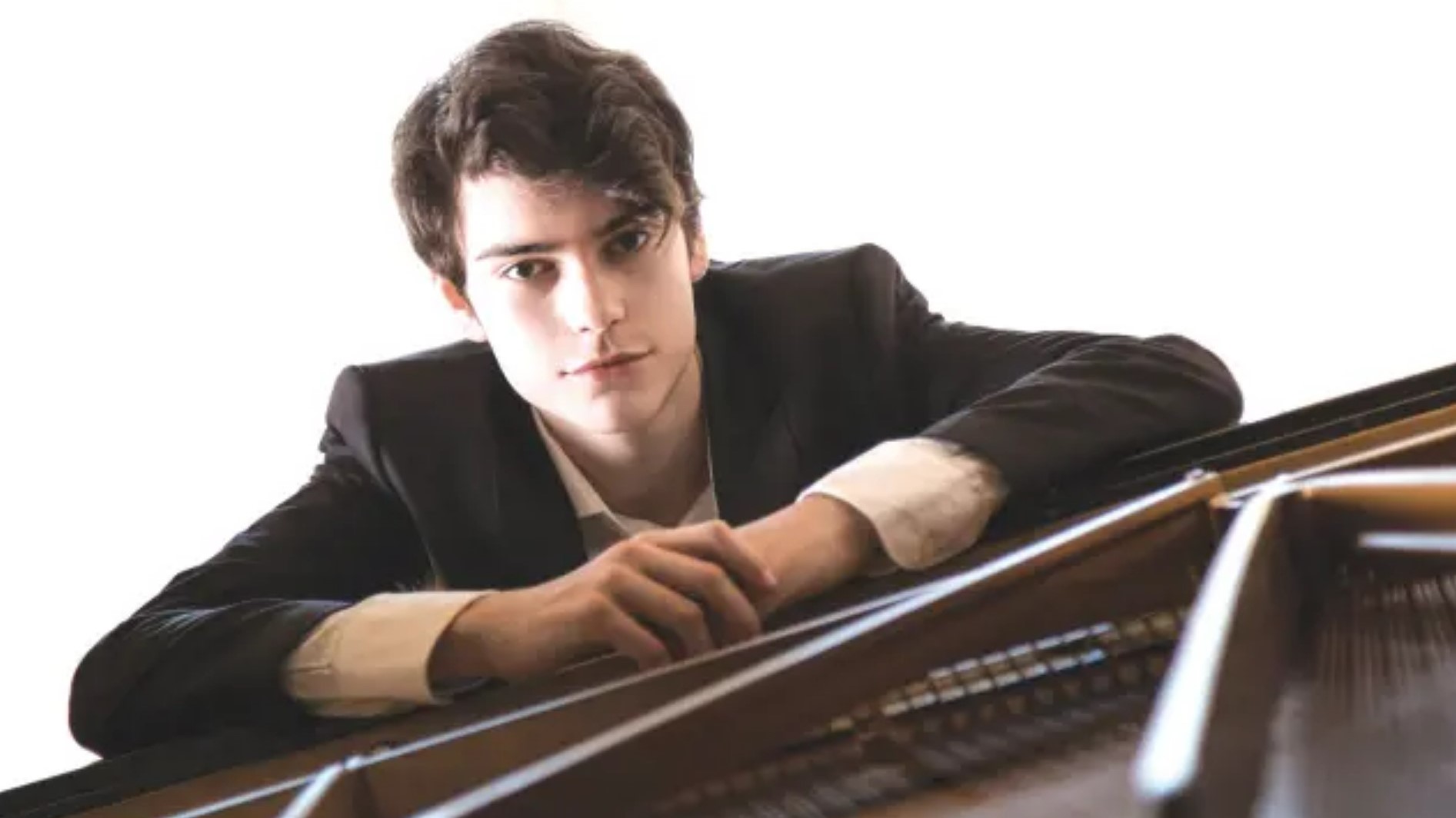
This BBC Radio 3 Lunchtime Concert featured the New Generation pianist Tom Borrow, making his debut at the Wigmore Hall with a very well-judged trio of works casting their eyes back to the past. The Israeli-born performer was notably comfortable in the environment, responding to the intimate atmosphere of the hall with compelling music-making.

Bach’s Italian Concerto was first, a work that is particularly successful on the piano. Borrow’s articulation in a crisp Allegro was very pleasing to the ear, his enjoyment of the counterpoint evident. The Andante was particularly beautiful, and completely unhurried – the pianist not afraid to give the right hand plenty of room to expand Bach’s melodies, the left hand hushed but responsive too. The bustling Presto had plenty of musical activity, the energetic profile maintained throughout but again the shapely melodic phrasing winning through.

Franck’s Prélude, choral et fugue is the best known of his works for solo piano. Its form looks back to the organ works of Bach, inserting a ‘chorale’ section in between the more conventional pair of ‘prelude’ and ‘fugue’. Here the Prélude began softly, Borrow’s light touch bringing delicacy to the decorative arpeggios around the theme, while also bringing the parallels with Brahms into focus. The choral started softy but grew in stature, moving from darkness to bright light, Borrow crossing hands to play the theme with apparent ease. The flowing discourse here was notable, maybe not as loud as some pianists but finding the heart of Franck’s expression nonetheless. The fugue was stately but also mysterious to begin with, the pianist bringing forward its chromatic profile, but then taking full command of the intense exchanges and achieving a most impressive performance in the process. The closing peal of bells was brilliantly played.

Rachmaninoff’s Variations on a theme of Corelli completed the trio of retrospective works, this one another remarkably concentrated piece offering plenty of opportunity for virtuosity and interpretative skill. This was again taken up by Borrow, once again setting a reverent atmosphere with the slow exposition of the theme. The lilting second variation in triple time was persuasively delivered, while a commanding fifth variation and sweeping seventh carried all before them. This only heightened the mysterious eighth and ninth variations, lost in thought.

The dynamic contrasts of the twelfth variation were very well observed, then the anxious syncopations of the thirteenth. The following Intermezzo had the requisite elements of fantasy, followed by a yearning chorale for Variation 14. Borrow’s technical command was impressive throughout, notably in the twists and turns of Variation 16 and the jagged edges of the eighteenth variation onwards. The clarity here was notable, in spite of the volume – and the thunderous finish was complemented by a radiant coda.

Borrow’s encore choice was well-suited – a flowing account of Rachmaninoff’s Prelude in G# minor Op.32/12, with notes that twinkled in the upper right hand at the end.

For more livestreamed concerts from the Wigmore Hall, click here

In Concert – Martin Fröst, Roland Pöntinen & Sébastien Dubé @ Wigmore Hall: Night Passages – A Musical Mosaic

Martin Fröst (clarinet), Roland Pöntinen (piano), Sébastien Dubé (double bass)

Debussy Première rhapsodie (1909-10)
Chausson Andante and Allegro (1881)
Poulenc Sonata for clarinet and piano (1962)
Night Passages – A musical mosaic (with arrangements by the performers)
Domenico Scarlatti Sonata in D minor Kk32
Chick Corea Children’s Song no.15 (1978)
Rameau Les Indes galantes: Air pour les Sauvages (1735-6)
Purcell Incidental music for Oedipus, King of Thebes Z583: Music for a while (1692)
J.S. Bach Sinfonia no15 in B minor BWV801 (c1720)
Chick Corea Armando’s Rumba (1976)
Purcell Hornpipe in E minor Z685
Handel Menuet in G minor (1733)
Traditional Polska från Dorotea
Göran Fröst Klezmer Dance no.2 (2011)

Wigmore Hall, London
Wednesday 21 December 2022

Reviewed by Ben Hogwood

In 2019, Arcana was at the Wigmore Hall to see Martin Fröst and Roland Pöntinen give a concert of largely French music for clarinet and piano. Their encore hinted at an intriguing sequence of arrangements exploring connections between classical music and jazz. Three years on, that sequence has grown in stature, realised in recorded form as the Sony Classical album Night Passages, and given meaningful content by personal and world events.

Through lockdown, Fröst experienced intense bouts of Ménière’s disease, whose symptoms include unexpectedly severe bouts of vertigo and tinnitus. The clarinettist experienced one such bout while driving his car, which he thankfully negotiated without injury, but which bred a number of accompanying fever dreams. Expressed in the program notes, they lent a vivid written complement to the music.

Since 2019 the double bass of Sébastien Dubé has been added to the instrumental thinking, an essential musical component taking the arrangement style towards Jacques Loussier without ever resorting to parody. Unexpectedly, the group’s colourful arrangements did not always include the piano, allowing Fröst and Dubé the chance to explore the rewarding combination of clarinet and double bass through imaginative techniques and compelling improvisation.

The course of Night Passages led from a solemn sonata by Domenico Scarlatti to a Klezmer dance from Fröst’s brother Göran, by way of arrangements exploring the versatility of Baroque music. These were matched by jazz-inflected work from Chick Corea, with Armando’s Rumba presenting some vibrant syncopations, along with a celebration of the Swedish polska.

Frost’s artistry was almost beyond criticism, the clarinettist able to make even the most demanding technical passages appear nothing more than a walk in the park, airily improvising or running through sharply edged cadenzas. Dubé was no less impressive, and a remarkably wide range of colours issued from the double bass, whether bowed or plucked. His chemistry with Fröst was compelling, and the occasional use of vocals added to the mix. Roland Pöntinen also made the most of his chances to shine, providing the rhythmic verve to the dances but also a welcome, cleansing clarity which ran through the Baroque arrangements, tastefully and affectionately realised.

Prior to the interval we heard three short pieces by French composers for clarinet and piano. Debussy’s Première rhapsodie tells its story through a set of contrasting thoughts, initially set out in a humid atmosphere but becoming more outward facing as it gains in confidence. Fröst and Pöntinen had its many twists and turns instinctively under their fingers, finishing each other’s sentences as they did in the romantic, lyrical writing of Chausson’s Andante and Allegro, played with evident affection.

Yet it was Poulenc’s Sonata for clarinet and piano, completed in the year before his death, that made the most lasting impression. What a profound work this is, paying tribute to his friend and fellow composer Arthur Honegger. The slow movement holds the emotional centre of the work, with melancholy on occasion spilling over into outright sadness. Fröst’s quieter asides encouraged the audience to lean closer to the music, but these intimate thoughts were swept away by the exuberant finale, throwing caution to the winds. Fröst and Pöntinen played with great feeling throughout, typifying the approach of a concert that may not have been generous in length but which amply compensated through musical quality.