
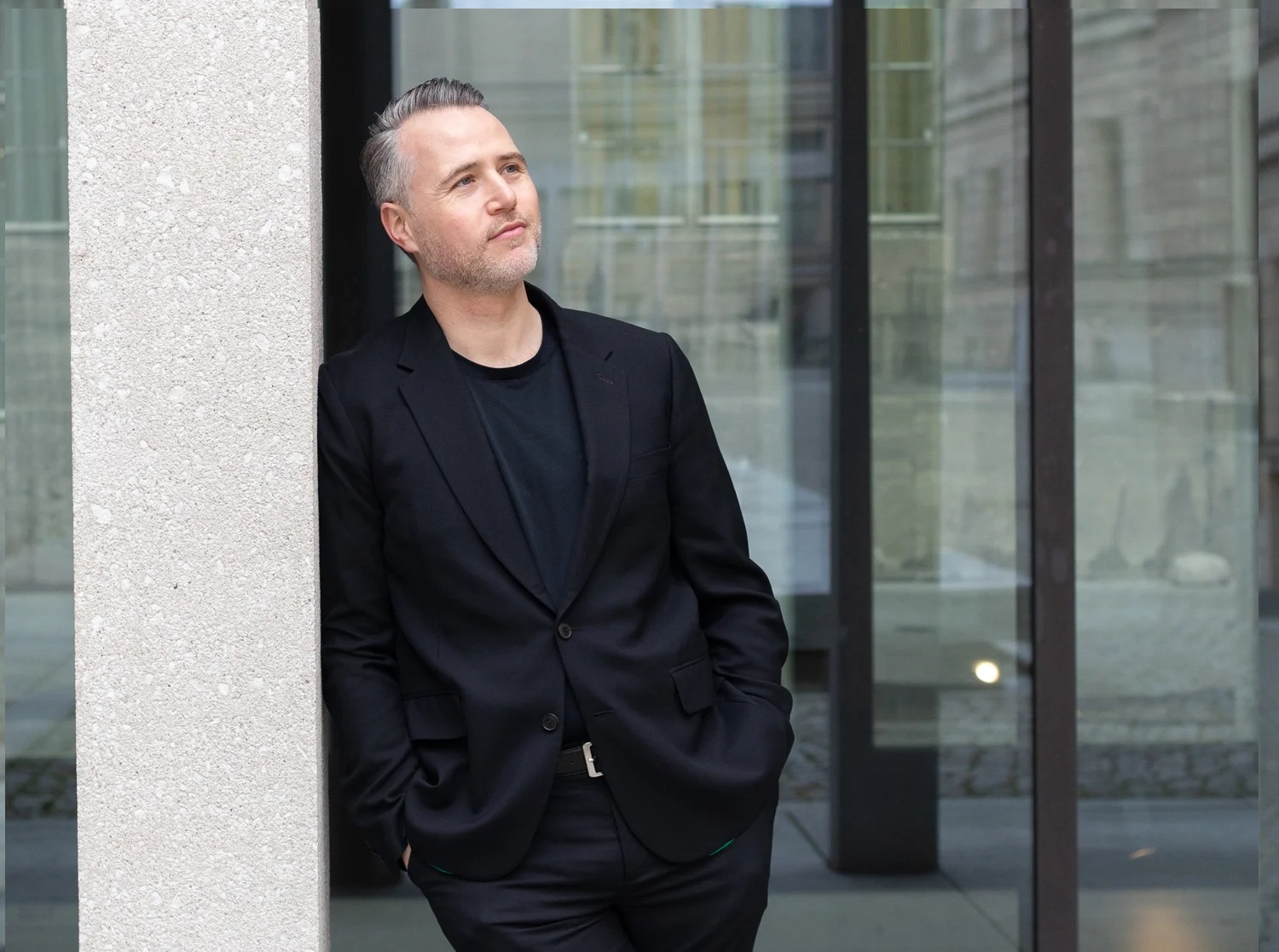
Simon Wallfisch (baritone, above), Joseph Middleton (below)
Ullmann Beryozkele from 3 jiddische Lieder Op. 53 (1944); Lieder der Tröstung (1943): Tote wollen nicht verweilen, Erwachen zu Weihnachten; From Drei chinesische Lieder (1943): Wanderer erwacht in der Herberge; Der Müde Soldat
Taube Ein jüdisches Kind (1944)
Haas 4 Songs on Chinese Poetry (1944)
Leo Strauss arr. Iain Farrington Als Ob! (c.1942-4)
Brahms 4 Serious Songs Op.121 (1896): Ich wandte mich und sahe an alle
Ullmann From Der Mensch und sein Tag Op. 47 (1943): Heimat, Der Liebsten, Verdämmern, Nacht
Brahms 4 Serious Songs Op.121 (1896): Wenn ich mit Menschen und mit Engelszungen redete
Ullmann Stille from Der Mensch und sein Tag Op. 47 (1943)
Ilse Weber Wiegala (1944)
Ravel Kaddisch from 2 mélodies hebraiques (1914)
Wigmore Hall, London
Tuesday 27 January 2026, 1pm
Reviewed by Ben Hogwood
This remarkable concert, given on International Holocaust Remembrance Day, took the form of a wholly appropriate tribute to the musicians, writers and academics assembled by the Nazis in the Ghetto Theresienstadt. This was based at Terezin, the small town near Prague, and used as a propaganda tool to present Jewish prisoners as thriving artists, in spite of them being held prior to being sent to the Auschwitz or Treblinka concentration camps.
German-English Baritone Simon Wallfisch is a member of a deeply musical family, with his grandmother, Anita Lasker-Wallfisch, a survivor from the Women’s Orchestra of Auschwitz. Together with pianist Joseph Middleton he presented music from four composers held in the ghetto, part of a sequence intertwined with diaries, poems, essays, pictures and musical excerpts. They gave the Wigmore Hall a deeply moving period of contemplation, their consummate artistry and control ensuring that a celebration of the creative spirit ultimately won through.
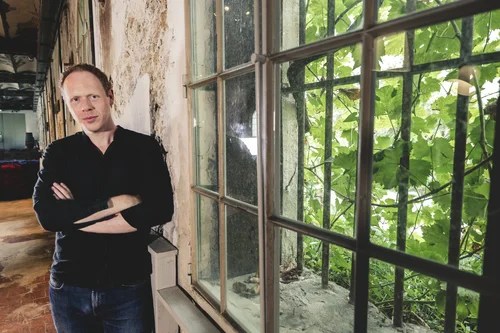
Wallfisch and Middleton (above) used the music of Viktor Ullmann as reference points. A principal focus was the composer’s settings of German haiku equivalents by the Czech poet Hans Günther Adler, a Holocaust survivor whose son Jeremy addressed the audience before the concert began. Ullmann’s music found a blend of touching simplicity and harmonic daring, pulling against tonal confines to give increased tension but in a way bringing the music closer to Berg than Schoenberg.
His word settings were particularly vivid in the first song, Beryozkele (Little birch tree), especially the line Jedes Bletele ihr’s Scheptshet schtil a t’rile (Each little leaf whispers quietly its own prayer), a parallel for each of the souls held captive in the town.
Meanwhile the crumpled harmonies of Tote wollen nicht verweilen (The dead do not want to linger) contrasted with the eerie purity of the fragment Erwachen zu Weihnachten (Awakening at Christmas), while in the Adler settings we heard the concentrated Heimat (Home) and the shafts of hopeful light offered by Der Liebsten (The loved one). The cold bell of Verdämmern (Twilight) rendered by Middleton offered beauty but also fear, before the pair achieved a remarkable stasis during Stille (Stillness).
The music of Carlo Sigmund Taube was similarly moving, through the innocence of Ein jüdisches Kind (A Jewish child), but was a wild contrast to the approach of Leo Strauss, whose cabaret scene Als Ob! (As If!) was deadpan, its humour brilliantly done but cold in the extreme.
The music of Czech composer Pavel Haas continues to make a striking impact, and his 4 Songs on Chinese Poetry were prefaced by a video clip (above) of the tensile Study for Strings from Theresienstadt itself. The songs were dramatic, particularly The moon is far from home, where the bare bones of Middleton’s left-hand line supported the powerful vocal. The discomfort and distorted imagery of A sleepless night were similarly vivid.
Finally Ilse Weber, the nurse who opted to travel with her young children to Auschwitz, was represented by Wiegala (Cradle Song), a touching sweetness lent to the upper piano part and a moving simplicity to Wallfisch’s reading.
Complementing the four Terezin composers was the music of Brahms, whose last work for voice, the 4 Serious Songs Op.121, were heard in a concert in the ghetto. Their gravitas here was only enhanced by the composer’s sense of mortality, Wallfisch singing with poise and power. The final word, however, was left to Ravel, whose Kaddisch was a potent memorial, Wallfisch commanding through his intonation and ornamentation.
A prolonged silence followed; the only appropriate response to a deeply moving concert. Here, in spite of the horrors suffered by the composers and the subjects of the readings, it was possible to appreciate their resolve and enduring talent, their lights somehow undimmed. Here they were remembered with the utmost respect and appreciation, and I for one shall never forget it.
Published post no.2,781 – Tuesday 27 January 2026



 For his comedic piece The Bearded Lady, commissioned by Daniel and based on a scene in Stravinsky’s Rake’s Progress, Julian Anderson used the extremities of the range of both instruments, the oboe jumping and swooping between high and low pitches, before we heard a tumbling figure down the piano. Then both instruments descended together, and while the piano hammered away at the low register Daniel left the stage. This was all part of the theatre, for soon we heard in the distance the mournful tones of the cor anglais (30:31), The Bearded Lady lamenting her fate at the end of an entertaining piece.
 Arcana.fm