
Jonny Greenwood (bass guitar/tanpura), Daniel Pioro (violin), Nicolas Mangriel (tanpura), Katherine Tinker (piano), BBC Proms Youth Ensemble, BBC National Orchestra of Wales / Hugh Brunt
Biber Mystery (Rosary) Sonatas No. 16 – Passacaglia in G minor
Penderecki Sinfonietta for strings, second movement Vivace
Greenwood Three Miniatures from Water – No. 3; 88 (No. 1)
Reich Pulse
Greenwood Horror vacui
Royal Albert Hall, Tuesday 10 September 2019 (late night Prom)
Reviewed by Ben Hogwood
Photo credits Mark Allan
You can listen to this Prom on BBC Sounds here
Alongside his role as lead guitarist with Radiohead, Jonny Greenwood has a close relationship with the string orchestra. Detailing his love for the medium in the programme for this late night Prom, he explained his preference for live music over electronic or recorded alternatives, citing the living and breathing aspects of the instruments as his prime reason for using them.
Breathing into the stringed instruments became an aspect of his new piece, Horror vacui, written for violinist Daniel Pioro and an ensemble comprising string players from the BBC Proms Youth Ensemble and the BBC National Orchestra of Wales.
Arranged in a fan shape across the stage, the orchestra had the lowest sounds at the back in the form of eight double basses and twelve cellos, with ten violas just in front of those. That left just the 38 violins in front, each of the 68 instrumentalists having their own specific part.
Greenwood’s directions for conductor Hugh Brunt were unconventional, his arm often sweeping across the ensemble from left to right and back again so that each instrument knew when to come in and fade away. This created a powerful visual and aural effect, the string players’ bows rising and falling like a sound wave.

Greenwood explained how Horror vacui is the fear of empty space, usually in paintings. This was vividly captured not just from the dense orchestration but from Daniel Pioro’s superbly played solo violin part. With incredibly secure intonation he excelled in the pure upper register passages, the notes soaring effortlessly towards the ceiling of the Royal Albert Hall. Beneath him the textures were always changing, sometimes secured by players blowing into their instruments, literally breathing life into them, or from deep-piled chords, some of which were huge blocks of consonant sound. Around 20 minutes in the biggest of these chords drew applause from the audience, most of whom thought the piece had finished there – and indeed it would have been a natural stopping point. There was still a substantial coda to follow, which ended in a pure C major with Pioro back up in the heights. The conventional end felt like a more obvious statement after Greenwood’s innovations earlier in the piece, and though beautiful felt tacked on to the end.
That said, Horror vacui is a very impressive and engaging piece of work – and here, with the orchestra under the leadership of the energetic Lesley Hatfield, it received the best possible performance.
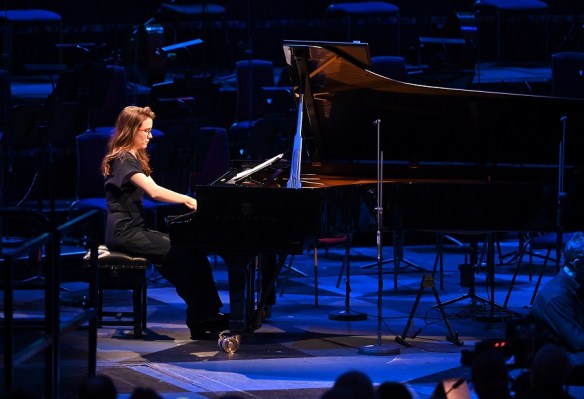
We heard two other Greenwood pieces. The third of Three Miniatures from Water was perfect late night fayre, especially with the drones of two Indian tanpuras to enjoy, but ultimately was not long enough for pure indulgence. The shapes made by the smaller orchestra were pleasing to the ear – while the liquid torrents from solo pianist Katherine Tinker in the premiere of 88 (No.1) were harsher. The title reflects the number of keys on a modern grand piano, and Tinker surely used them all in the course of a virtuoso performance that built on watery influences from Debussy and Ravel.
Steve Reich’s Pulse transported us to the American plains. Written in thrall to Copland’s Appalachian Spring, this very approachable piece has all the Reich qualities of small, oft-repeated melodic cells and development, but also a warmth not lost on the ensemble here. Greenwood himself played bass guitar but it was the higher riff from the violins at the start of the piece that made a lasting impression.
The inclusion of Biber and Penderecki at the start was helpful. The former ensured we could adjust to the sound of a solo violin in the big space of the Royal Albert Hall, as well as the idea of a minimalist approach in the composer’s development of a relatively small chord sequence. That it comes from the early Baroque period, late 17th century, is startling. Penderecki, a friend and close musical ally of Greenwood’s, was present in the second movement of his Sinfonietta. Energetically played here, it is however wholly under the influence of Bartók in its musical language and scoring.
This was a stimulating concert with an attentive audience. A brief note should be made about timekeeping, however, as due to the required stage changes, no matter how efficiently done, this Prom did not finish until 11:55pm. While that is unquestionably value for money, it did inevitably lead to audience members having to leave half way through or even before the main work in order not to miss their last transport options of the evening. The anxiety this can breed is contagious and can affect the whole evening, not just for the leavers but those around them. It would surely have been beneficial for an earlier item in the program to have been omitted to avoid this, or for the concert to start at 10pm as Late Night Proms used to do. I myself had to leave Greenwood’s piece before the finish, as staying on would have landed me with a £70 cab fare and an extremely late night. BBC Sounds was on hand to help with the closing minutes, naturally – but it’s something for the BBC to consider in future.
You can watch this concert in a recording on BBC4 on Friday 13 September. Rehearsal clips for Horror vacui on the BBC website


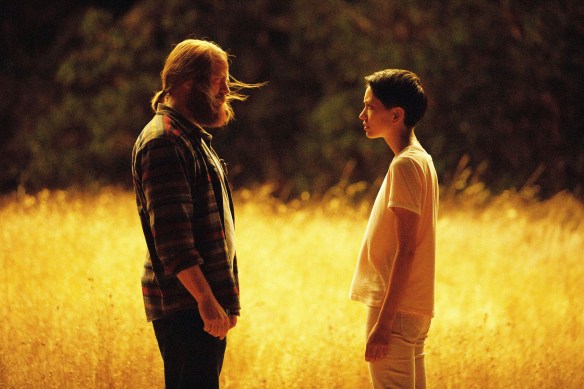
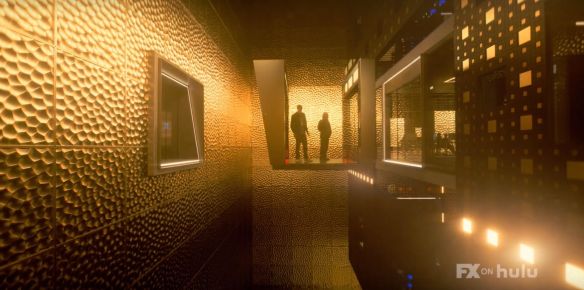
 This means that when a song appears in Devs the instinct on the listener’s part is to seek it out immediately. When Guinnevere by Crosby Stills and Nash is used in the sixth episode, it works exquisitely at just the right point in the plot, heightened by the fact it was written in the same state – California – in which Devs is set:

 Arcana.fm