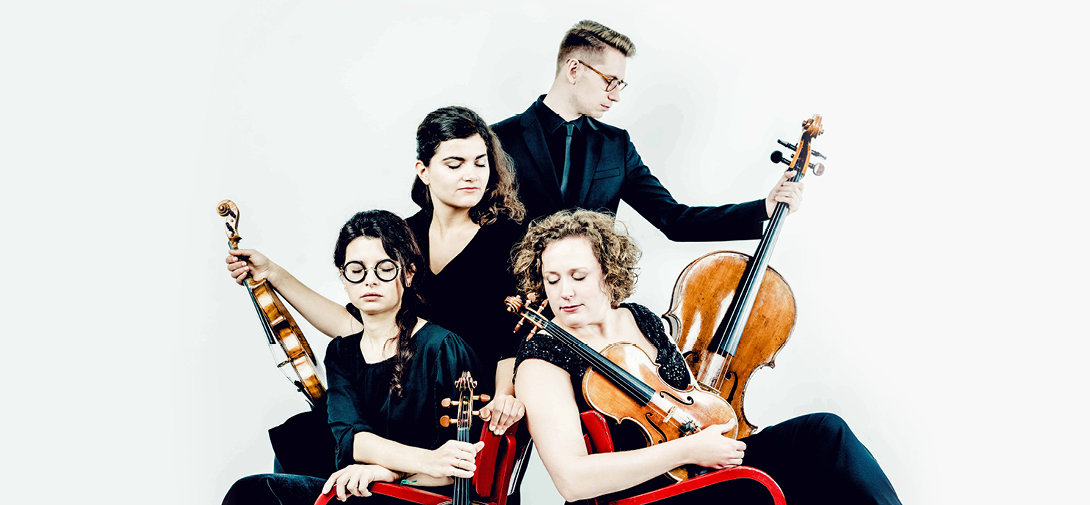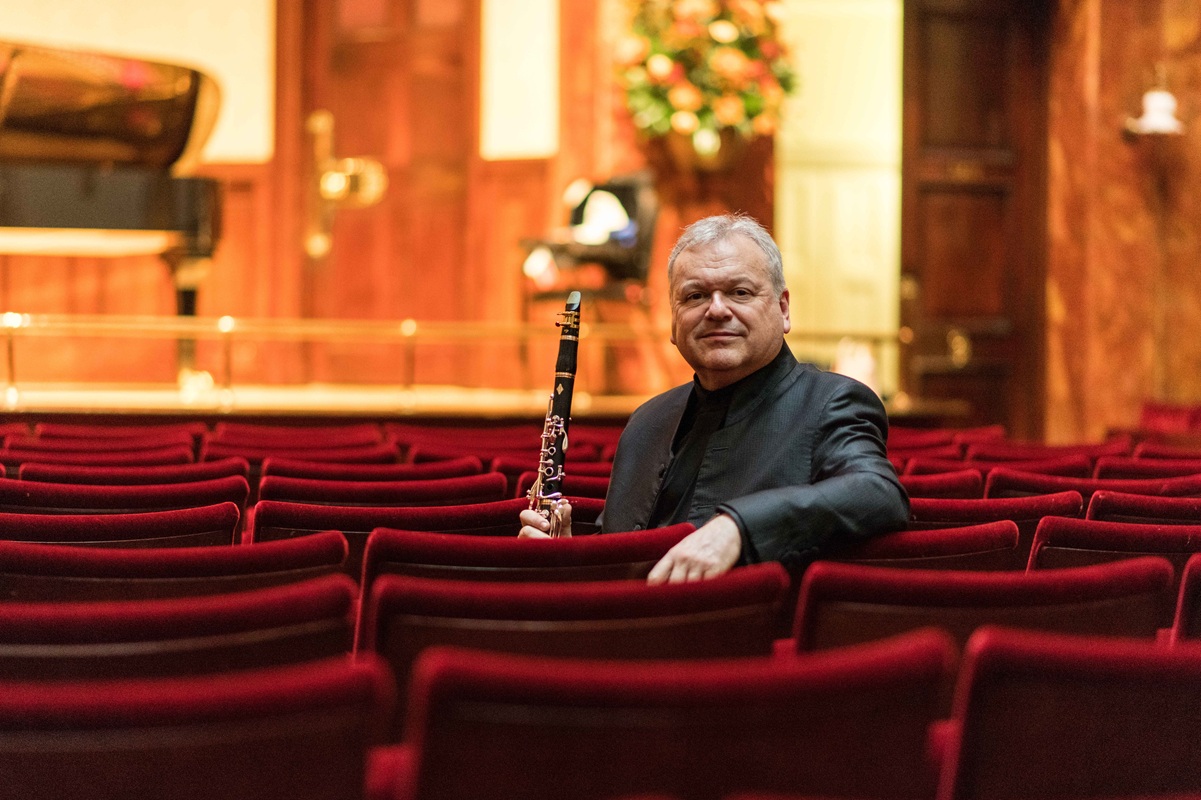
In concert – Kleio Quartet @ Wigmore Hall: Elgar, Webern & Haydn

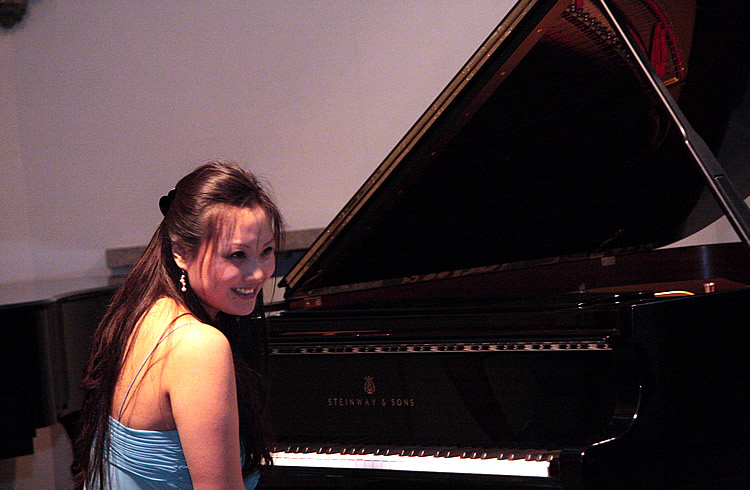
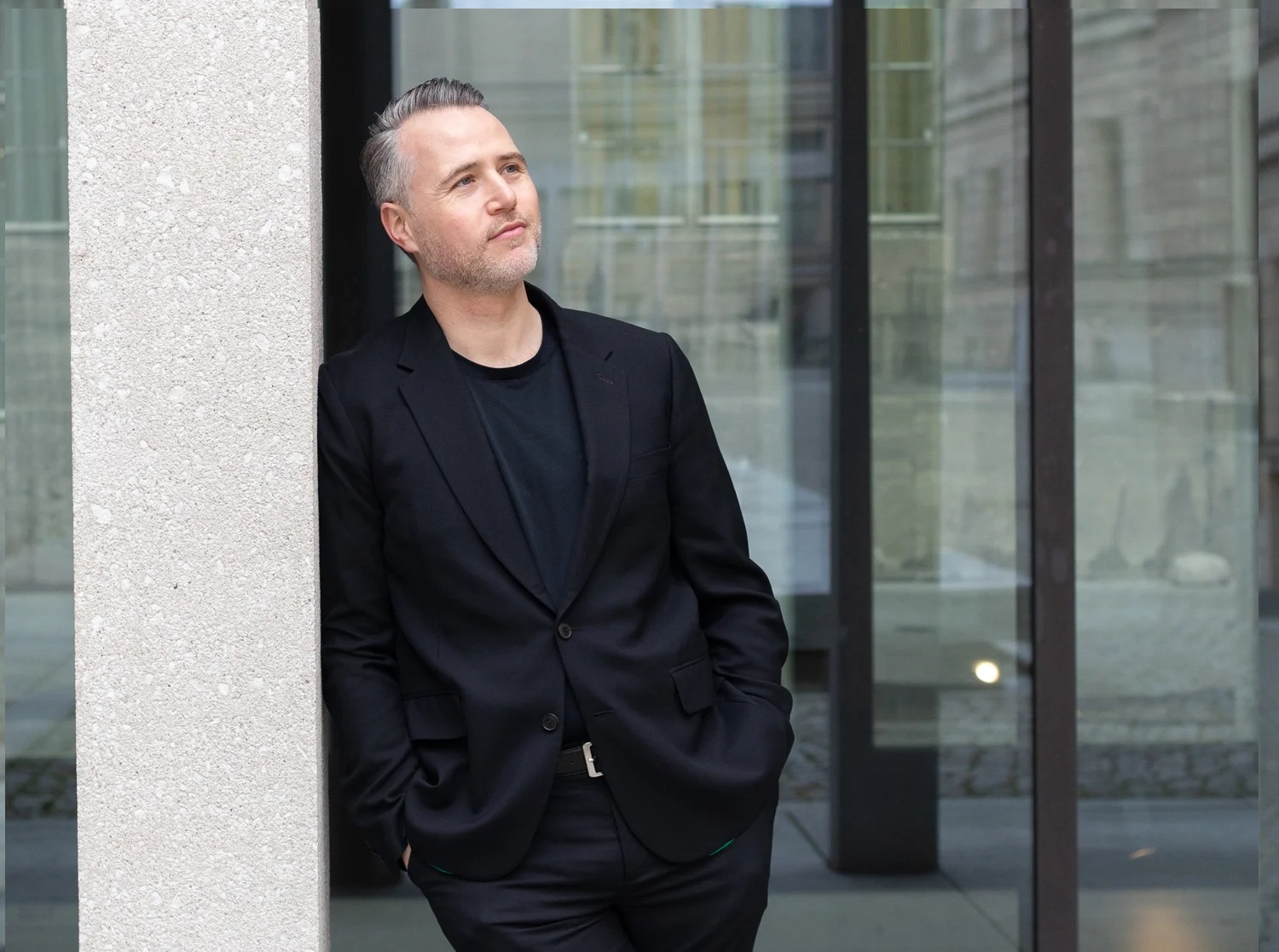
Kleio Quartet [Juliette Roos, Katherine Yoon (violins), Yume Fujise (viola), Eliza Millett (cello)]

Elgar String Quartet in E minor Op.83 (1918)
Webern 5 Movements for String Quartet Op.5 (1909)
Haydn String Quartet in D major Op.50/6 ‘Frog’ (1787)

Wigmore Hall, London
Monday 6 October 2025 (1pm)

On the evidence of this BBC Radio 3 Lunchtime Concert, the Kleio Quartet – members of the station’s New Generation Artists scheme – are ones to watch. Not least for their programming, for it was refreshing to see a Haydn string quartet given top billing at a concert rather than making up the numbers.

The concert began with an account of Sir Edward Elgar’s sole String Quartet notable for its poise, elegance and understated emotion. Elgar’s ‘late’ works are best experienced in concert at this autumnal time of year, though the dappled sunlight evoked here was compromised by a subtle yet lasting foreboding. For the youthful Kleio Quartet to capture the thoughts of a man in his early 60s with such clarity was impressive indeed. They did so through a first movement taking the ‘moderato’ of Elgar’s tempo marking to hand – deliberate but never plodding. The dense, Brahmsian counterpoint was deftly unpicked, while the nostalgic elements of the second movement gave the feeling of an ensemble performing in an adjacent room, the listener asked to imagine an elegant salon setting. The purposeful finale snapped us out of this reverie with vigorous exchanges, though there was time for affection in its second theme. Ultimately the music revelled in the Sussex outdoors enjoyed by Elgar and wife Alice, though the Autumnal chill remained present.

Memories of a very different kind coursed through Webern’s 5 Movements for String Quartet, written in the wake of his mother’s death. These remarkable compositions illustrate an unparalleled gift for intense, compressed expression. None of the movements last longer than two minutes, yet so much concentrated feeling is loaded into their short phrases, pushing against tonality with oblique melodies and rich yet desolate harmonies.

The Kleio Quartet found those qualities and more in a deeply impressive account, with the alternate moods of the first movement, argumentative and then delicate, and the forthright third. Countering these moods were the soul searching second and the sparse, eerie fourth, where the ticking motif of Yume Fujise’s viola suggested a period of insomnia. The bare bones of Webern’s anguish were made clear in the final movement, in the high, inconsolable violin of Juliette Roos and the empty closing chords.

Following this with one of Haydn’s most amiable quartets was an inspired move, the Wigmore Hall audience smiling feely as the composer’s humour was repeatedly revealed. The so-called ‘Frog’ quartet, named for the croaking repeated notes of the finale’s main theme, shows Haydn completing his Op.50 set of six quartets with a panache that would surely have delighted their beneficiary, Frederick William II of Prussia.

The Kleio had fun with the unpredictable first movement, spirited yet restless, and the harmonic twists and turns of the Poco adagio, led by expressive flourishes from Roos. The quirky Menuetto revelled in melodic inflections and cheeky asides, with the pregnant pauses of the trio section adding to the irregular rhythms within the triple time meter. All of which set up the fun and frolics of the finale, where the occasional slip of ensemble tuning could be easily forgiven in the spirit of the Kleio’s performance, Haydn charming his audience to the very end.

Listen

You can listen to this concert as the first hour of BBC Radio 3’s Classical Live, which can be found on BBC Sounds until Tuesday 4 November.

Published post no.2,680 – Tuesday 7 October 2025

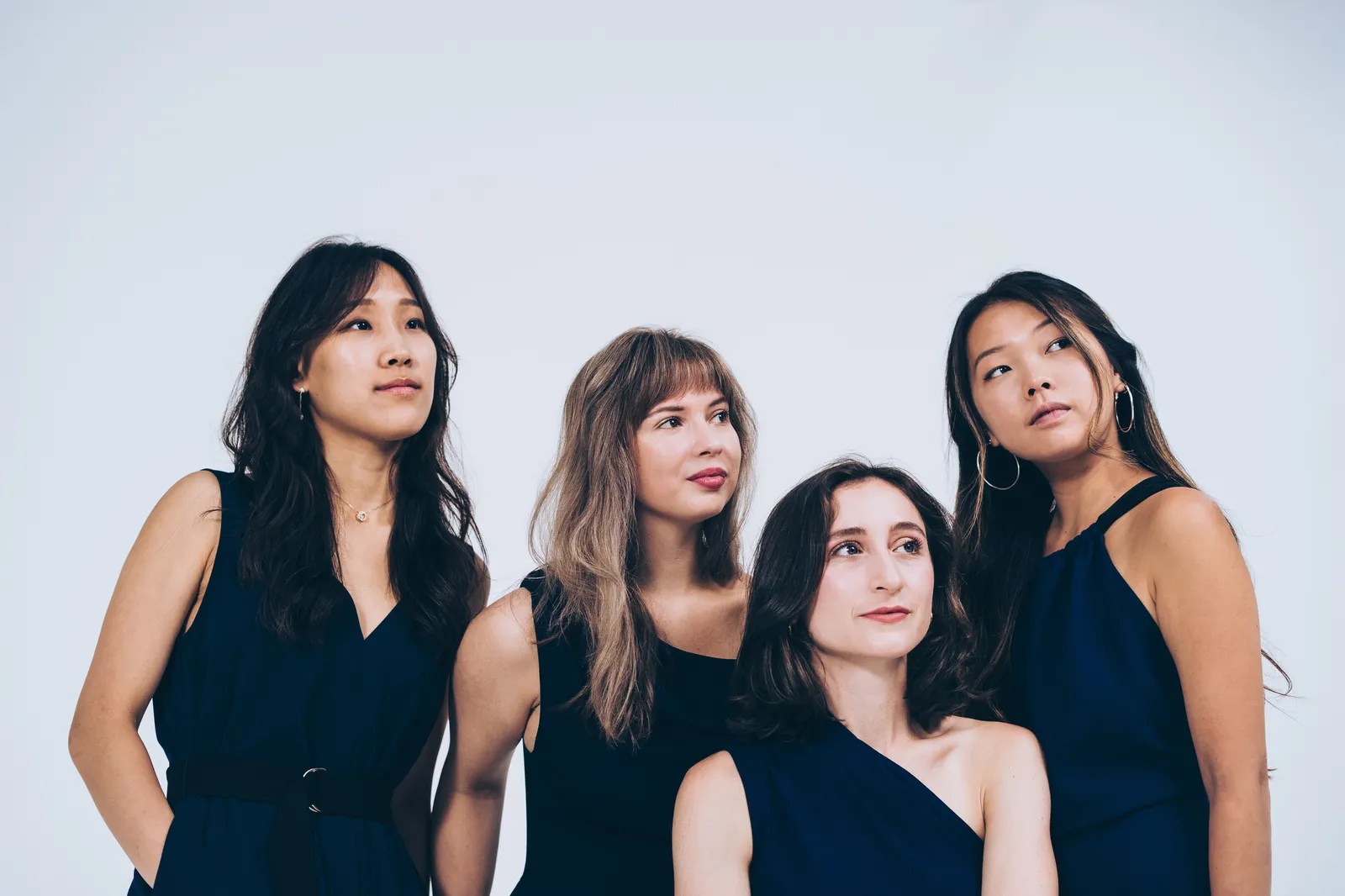
In concert – Heath Quartet @ London Chamber Music Society, St John’s Church Waterloo – Haydn, Bacewicz, Locke & Beethoven

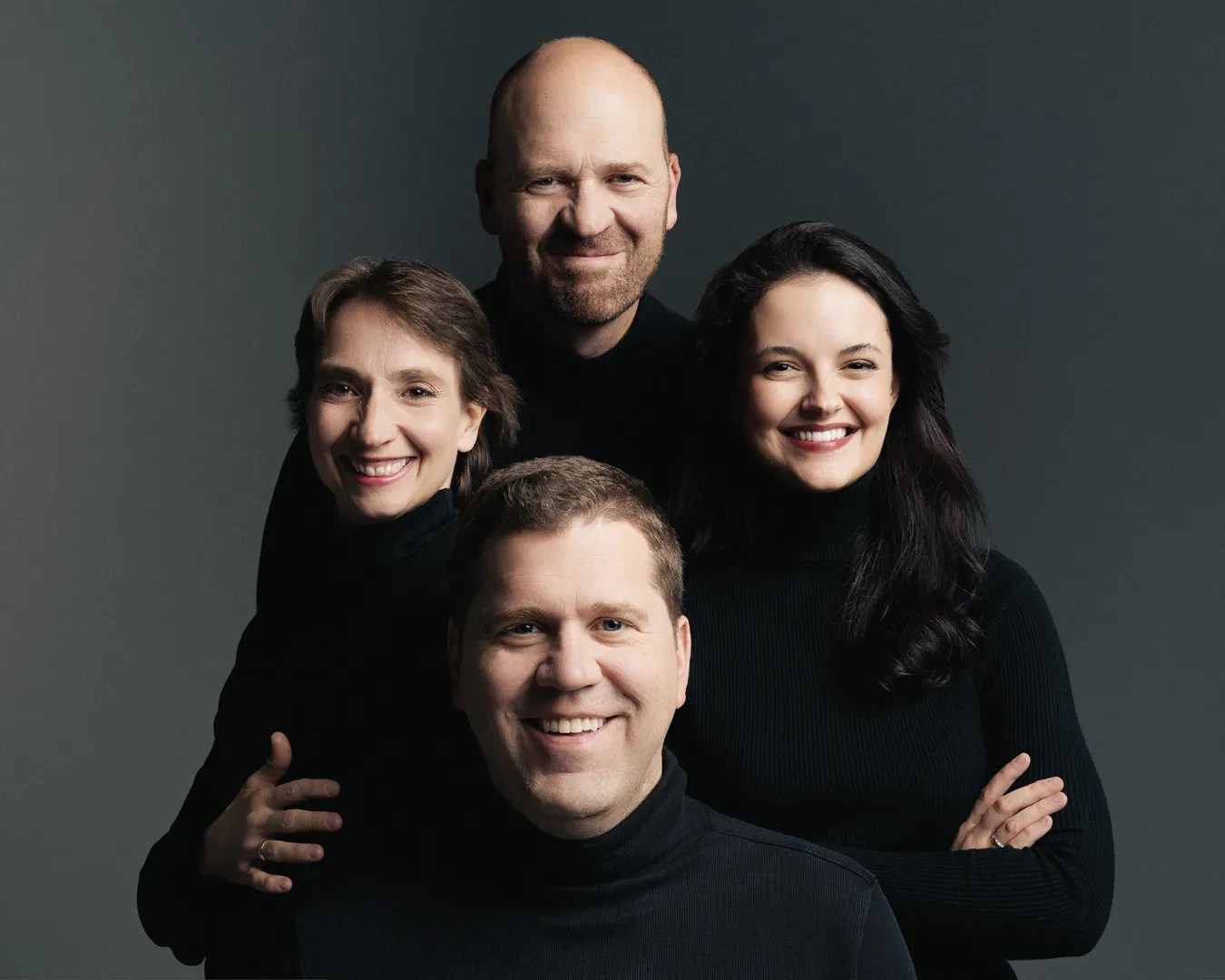
Heath Quartet [Maja Horvat & Sara Wolstenholme (violins), Gary Pomeroy (viola), Christopher Murray (cello)]

Haydn String Quartet in G major Op.33/5 ‘How Do You Do?’ (1781)
Bacewicz String Quartet no.6 (1960)
Locke Suite III in F (c1660)
Beethoven String Quartet no.16 in F major Op.135 (1826)

St John’s Church, Waterloo, London
Sunday 28 September 2025, 6pm

Reviewed by Richard Whitehouse

This early evening concert marked not just the start of London Chamber Music Society’s new season but also that of its first at St John’s Waterloo, following some 17 seasons in residence at King’s Place. The actual programme, however, could not have been more typically LCMS.

What better than to start with a Haydn quartet? His Op. 33 abounds in ‘less is more’ writing, not least the fifth in this set whose buoyant opening Vivace features a cadential figure which provides the nickname, then a Largo whose keening melody for first violin and cadenza-like passage betrays likely operatic origin. The Heath Quartet was equally inside the Scherzo with its amiable impulsiveness, while the final Allegretto had a genial humour that carried through to its good-natured payoff. A piece deserving of greater prominence within the Haydn canon.

As does the Sixth Quartet in Grażyna Bacewicz’s output. Evidently a breakthrough in terms of her writing for strings, its stealthy yet never brazen Modernism is clear from the opening movement in its subtle overhaul of sonata design, then the Vivace with its intensive rhythmic interplay. A ‘song without words’ centred on cello, the slow movement is a soulful interlude prior to a final Allegro as makes inventive play with rondo design – the widening expressive gulf between its stable refrain and its unpredictable episodes deftly sidestepped at the close.

Purcell’s music for consort might be the most directly acknowledged precursor of the string quartet, but that by Matthew Locke is hardly less significant and preceded it by almost two decades. This third of his six four-part suites is no exception – the substantial and teasingly discursive Fantasia being followed with an elegant Courante and a soulful Ayre then a (surprisingly?) trenchant Saraband. Throughout, the Heath’s seamless interplay was such as to relativize any distinction between a consort of viols and the ensemble of strings it became.

An ensemble taken to a peak of perfection on the cusp of the Romantic era with Beethoven’s last string quartet. Here the Heath judged the equable poise of its opening Allegretto then the quixotic humour of its scherzo to perfection. Neither was there any lack of feeling in a slow movement whose pathos becomes the greater for its understatement; the ‘difficult decision’ that informs the finale duly rendered with a sure sense of this music’s venturing towards its playful conclusion. Beethoven was rarely so profound as when he was being this disarming. A persuasive start to a new season and a new chapter in the illustrious history of the LCMS. A wide range of recitals is scheduled between now and June, while those unfamiliar with St John’s need have no doubt as to the excellence of its acoustic or attractiveness of its setting.

Click on the links for more information on the Heath String Quartet, the London Chamber Music Society and events at St. John’s Church, Waterloo. You can also click for more on composer Grażyna Bacewicz

Published post no.2,676 – Friday 3 October 2025

In concert – Johan Dalene, Andreas Brantelid & Christian Ihle Hadland @ Wigmore Hall: Korngold & Ravel

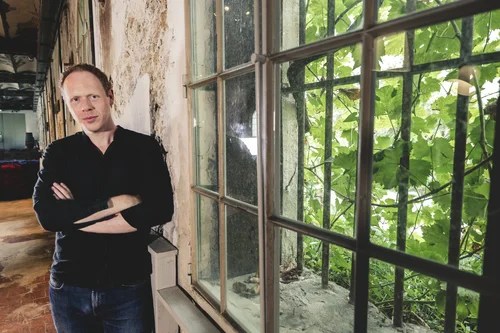
Johan Dalene (violin, above), Andreas Brantelid (cello, bottom), Christian Ihle Hadland (piano, middle)

Korngold Piano Trio in D major Op.1 (1909-10)
Ravel Piano Trio in A minor (1914)

Wigmore Hall, London
Monday 7 July 2025 (1pm)

by Ben Hogwood

With the BBC New Generation Artists scheme reaching its quarter century earlier this year, we had a timely reminder of its legacy in the shape of this high-powered BBC Radio 3 Lunchtime Concert at the Wigmore Hall. All three artists record for the BIS label, and on this evidence it is to be hoped the three will form a lasting trio, for they have an obvious and enduring musical chemistry.

The concert began with the first published work of Erich Wolfgang Korngold, a child prodigy in the same line as Mozart and Mendelssohn before him. While his Piano Trio in D major Op.1 is dedicated to his father Julius, who was a forceful influence on his son’s writing at this point, to have written such an accomplished work is simply remarkable. The work’s rich harmonies and searching melodies explore new possibilities while revering past traditions, a Viennese work written through the eyes of a young composer showing off his agility and expressive potential.

The trio can be elusive on occasion, with a lot packed into its four movements. On occasion the young composer appears to be trying out variants of a modern Viennese style, which comes to him naturally along with an awareness of developments in France. Fauré is a notable influence; so too Brahms and Richard Strauss; and these, mixed with youthful passion, make a heady concoction.

That this performance succeeded owed much to the dexterity and balance of pianist Christian Ihle Hadland, bringing clarity to the second movement Scherzo where Korngold’s thoughts are not always finished before moving onto the next melody. Johan Dalene gave room to the fervent Larghetto, bringing out its thoughtful side with a pure tone in the higher violin register. Meanwhile the strength of the finale was bolstered by its longer sentences, adhering clearly to the energico of its marking but with Dalene and cellist Andreas Brantelid finding perfect melodic unison. All three players enjoyed Korngold’s oblique approach to the final cadence, signing off with some panache.

Ravel’s Piano Trio in A minor was in his mind for some time before writing, though once composition began it did so with great urgency, the composer aware that the First World War was imminent. Hadland was superb throughout this interpretation, the crystalline quality given to the piano’s chords setting the tone for the whole work. Dalene responded with a sweet melancholy to the second theme, while the trio’s white-hot energy and virtuosity in the fast ensemble passages was something to behold.

They also relished the cross rhythms of the Pantoum, given with some exotic colours as Ravel’s mind became distracted by thoughts and the musical language of the Far East. Those were even more apparent in the language of the Passacaille, the threat of war now prescient in the hollow left-hand line of the piano, picked up by Brantelid as though intoning a Gregorian chant. This thoughtfulness and relative darkness gave way to a brilliant burst of light in the harmonics opening the finale, where again the trio reached energetic highs amid bold and clear ensemble statements. Hadland’s mixture of precision and power proved ideal for Ravel, helped by a similar approach from both string players, all three sweeping all before them in the convincing closing bars.

These were performances to cherish, while thought provoking in their proximity to the War where Korngold raised money as a regimental band leader and composer while Ravel approached the front line as a munitions lorry driver.

Listen

You can listen to this concert as the first hour of BBC Radio 3’s Classical Live, which can be found on BBC Sounds until Wednesday 6 August.

Published post no.2,589 – Tuesday 8 July 2025

In concert – Quatuor Danel: Shostakovich & Weinberg #11 @ Wigmore Hall

Quatuor Danel [Marc Danel & Gilles Millet (violins), Vlad Bogdanas (viola), Yovan Markovitch (cello)]

Weinberg String Quartet no.16 in A flat minor Op.130 (1981)
Weinberg String Quartet no.17 Op.146 (1986(
Shostakovich String Quartet no.15 in E flat minor Op.144

Wigmore Hall, London
Friday 27 June 2025

by Ben Hogwood Photo (c) Marco Borggreve

After giving fresh insight and context to the 32 string quartets and two piano quintets of Shostakovich and Weinberg, Quatuor Danel finally brought their Wigmore Hall cycle of both composers to a close. The journey began just before the COVID pandemic but was necessarily aborted. However on the series resumption in 2023 Wigmore Hall artistic and executive director John Gilhooly generously suggested the quartet begin the concerts afresh, a gesture acknowledged by Quatuor Danel first violinist Marc Danel before the group’s encore.

Danel admitted it had been difficult deciding which work should close the combined cycle, yet this concert proved the group had made the right decision, closing with some of Shostakovich’s final musical thoughts. Before that we heard the two very contrasting last quartets by Weinberg. His String Quartet no.16 was completed in 1981, the year in which his sister would have reached her sixtieth birthday had she not been murdered, along with the composer’s parents, in the Holocaust. Bearing her dedication, the quartet is a work of conflicting emotions, with an underlying tension trumped by a strong and lasting resolve.

Stylistically, Weinberg’s writing reflects his reacquaintance with the music of Bartók. This was evident from the heavy-set bow strokes of the first movement, where Danel led with power and precision. Weinberg allows time for calmer thoughts, but there was a guarded watchfulness that the Quatuor Danel conveyed most vividly here. The contrast between Scherzo and Trio in the second movement was striking, the emphatic gestures of the former upturned by the ghostly outlines of the otherworldly trio, which hinted at an alarm going off in the distance. The climax of the Lento felt like the culmination of a unified protest from all four instruments, its dissonant cries living long in the memory, before the waltz of the finale. Cold to the touch, the four instruments were muted but not silenced, and a period of moving stillness in the music held the attention before the waltz returned for the thoughtful closing bars.

With the String Quartet no.17, completed five years later, the mood changed completely. With a more explicit tonal language, this piece started in high spirits, Weinberg relishing the opportunity to revisit and quote from his earlier works, doing so in the spirit of pure musical enjoyment. A rustic first theme was brilliantly played here, as was the richly voiced chorale proving such an effective counterpart. This single movement work falls into four distinct sections, and eloquent solos from Danel and cellist Yovan Markovitch were memorable, before the feathery textures that began the finale, after which the chorale theme returning in an even brighter light. The positive disposition of the quartet gave it a youthful appearance beyond the references to early works, the composer enjoying childhood recollections through the viewpoint of relative seniority. The Danel ensured we were aligned in that viewpoint, too.

Shostakovich’s String Quartet no.15, however, is indisputably the work of a man in the twilight of his life. Written in six slow movements, it is one of the most distinctive utterances in the repertoire both of Shostakovich and the string quartet, and no performance should leave its audience unmoved. In the course of 40 minutes, Shostakovich leaves us with music that in terms of speed never really gets out of first gear, but whose intensity is unrelenting from its very first bars.

The Danel found that intensity with unerring accuracy, right from the first drawn-out melodies. Musically we seemed to have travelled back several centuries, the work unfolding with almost painful slowness, Shostakovich’s frailty made clear through music. And yet there is a spiritual quality looking ahead to the music of Arvo Pärt and Silvestrov, a kind of minimalism conveyed in searching, long-phrased melodies.

The Quatuor Danel were sparing in their use of vibrato, which made for an even more effective expressive tool when used, while their intonation was commendably flawless in such a difficult key for strings. In the second movement, ironically titled Serenade, the music felt inverted, its distinctive outcries made through crescendos reaching for the very soul. Marc Danel gave a searing solo at the beginning of the central Intermezzo, after which he sat, head bowed, listening to his three colleagues, while the viola solo from Vlad Bogdanas for the Funeral March was similarly charged. The Epilogue returned to the remarkable stillness present for much of this work, after which there was an equally moving silence.

It would be difficult to suggest an encore for music with such finality, but the quartet found an answer – in the shape of the first movement of Shostakovich’s String Quartet no.1. This might be thought an odd choice, but, as Danel explained, its music was a timely reminder for the world in which we live that the sun would come back. Hearing Shostakovich’s first and last statements for quartet in such proximity, it was hard not to agree with him – and so – with huge credit to the players for some memorable performances – this wonderful cycle concluded in the best possible way.

You can hear the music from the concert below, in recordings made by Quatuor Danel -including their most recent cycle of the Shostakovich quartets on Accentus:

For more information, click on the names for more on composer Mieczysław Weinberg and Quatuor Danel themselves.

Published post no.2,580 – Sunday 29 June 2025

In concert – Ruby Hughes, Natalie Clein & Julius Drake: Schubert and Other Folksongs @ Queen Elizabeth Hall

Ruby Hughes (soprano), Natalie Clein (cello), Julius Drake (piano)

Schubert arr. Jones Der Hirt auf dem Felsen (The Shepherd on the Rock) D965 (1828)
Kodály Sonatina for cello & piano (1922)
Tavener Akhmatova Songs: Dante, Boris Pasternak, Dvustishie (Couplet) (1993)
Brahms 2 Songs Op.91 (1884)
Trad arr. Britten I wonder as I wander (1940-41), At the mid hour of night (Molly, my dear), How sweet the answer (The Wren) (both 1957)
Deborah Pritchard Storm Song (2017)
Janáček Pohádka (Fairy tale) (1910, revised 1923)
Ravel Kaddisch from 2 Mélodies hébraïques (1914)
Bloch From Jewish Life (1924)
Schubert Auf dem Strom (On the river) D943 (1828)
(Encore) Berlioz La Captive

Queen Elizabeth Hall, London, 27 June 2025

by John Earls. Photo credits (c) Philip Sharp (above), John Earls (below)

Two of the most affecting sections of Ruby Hughes’ excellent 2024 album with the Manchester Collective End of My Days are three of John Tavener’s Akhmatova Songs (Dante, Boris Pasternak and  Couplet) and Maurice Ravel’s Kaddish (from 2 Mélodies hébraïques).

These also featured to dramatic effect in this fascinating concert programme of Schubert and Other Folksongs spanning two centuries, where Hughes was joined by Natalie Clein (cello) and Julius Drake (piano).

In this performance the Tavener song miniatures were performed for voice and cello and were at turns powerful, beautiful and urgent across their nine-minute duration. The prolonged silence from the audience afterwards was noticeable. Ravel’s lament-like Kaddish, this time for voice and (sparse) piano, was similarly respectfully performed and observed.

There were non-vocal pieces for cello and piano where Clein and Drake displayed what a well matched duo they are. Zoltán Kodály’s Sonatina was luminescent, Leoš Janáček’s Pohádka absorbing (not least the cello bowing and pizzicato) and Ernest Bloch’s From Jewish Life was both lovely and mournful.

But this was a concert where Ruby Hughes’ amazing voice was to the fore but often in an understated, but no less impactful way. The captivating trio of Benjamin Britten folksong arrangements with their minimal piano trills were a case in point.

The trio performances were also impressive in their delivery and range. Brahms2 Songs (Op.91) were both gorgeous, while Deborah Pritchard’s Storm Song (from 2017, the most recently written piece) was powerfully unnerving between its haunting start and end (the composer was in the audience to take a well deserved bow).

The concert was bookended by two songs written by Franz Schubert shortly before his death in 1828 at the age of just 31. As David Kettle remarks in his excellent programme notes, to call them simply songs is to do them a disservice. Der Hirt auf dem Felsen (The Shepherd on the rock), arranged by Peter Jones for voice, cello (replacing the clarinet) and piano, traversed a journey of yearning and joy that was both delicate and impassioned. The closing Auf dem Strom (On the river) saw Hughes capturing the drama convincingly throughout.

An encore of Berlioz’s La Captive concluded this concert that combined fascinating and thoughtful programming with performances of beautifully judged expression.

John Earls is Director of Research at Unite the Union and posts at @johnearls.bsky.social on Bluesky and @john_earls on X. You can subscribe (free) to his Hanging Out a Window Substack column here: https://johnearls.substack.com/

Published post no.2,579 – Sunday 29 June 2025