In concert – Helena Juntunen, CBSO / Osmo Vänskä: Sibelius & Shostakovich

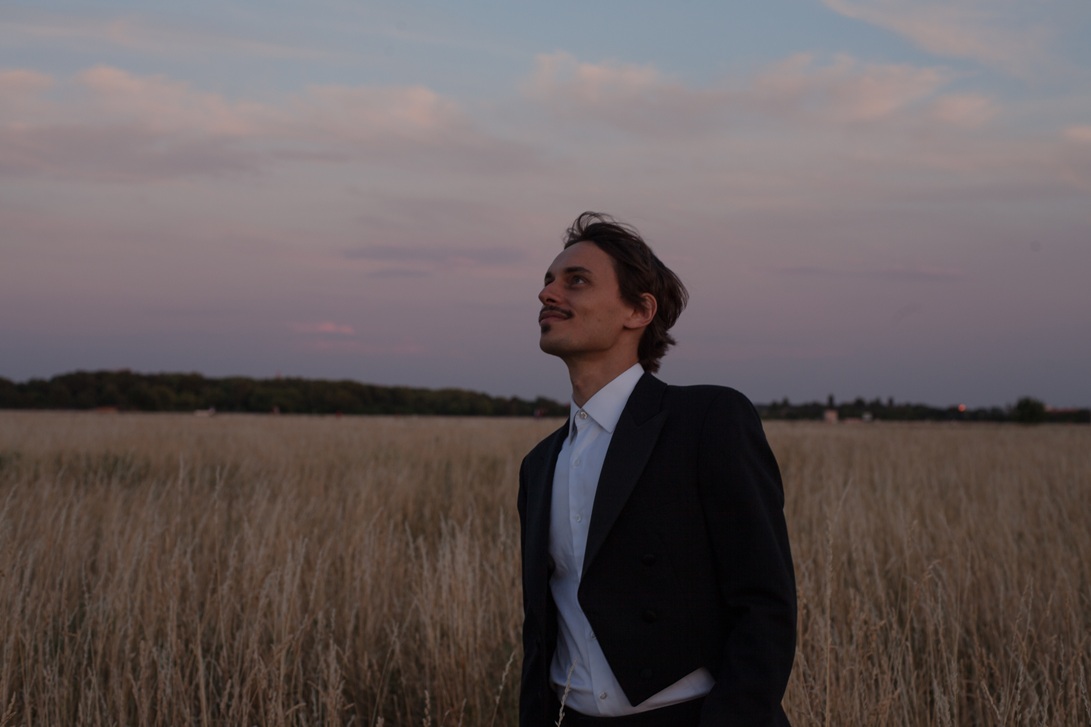
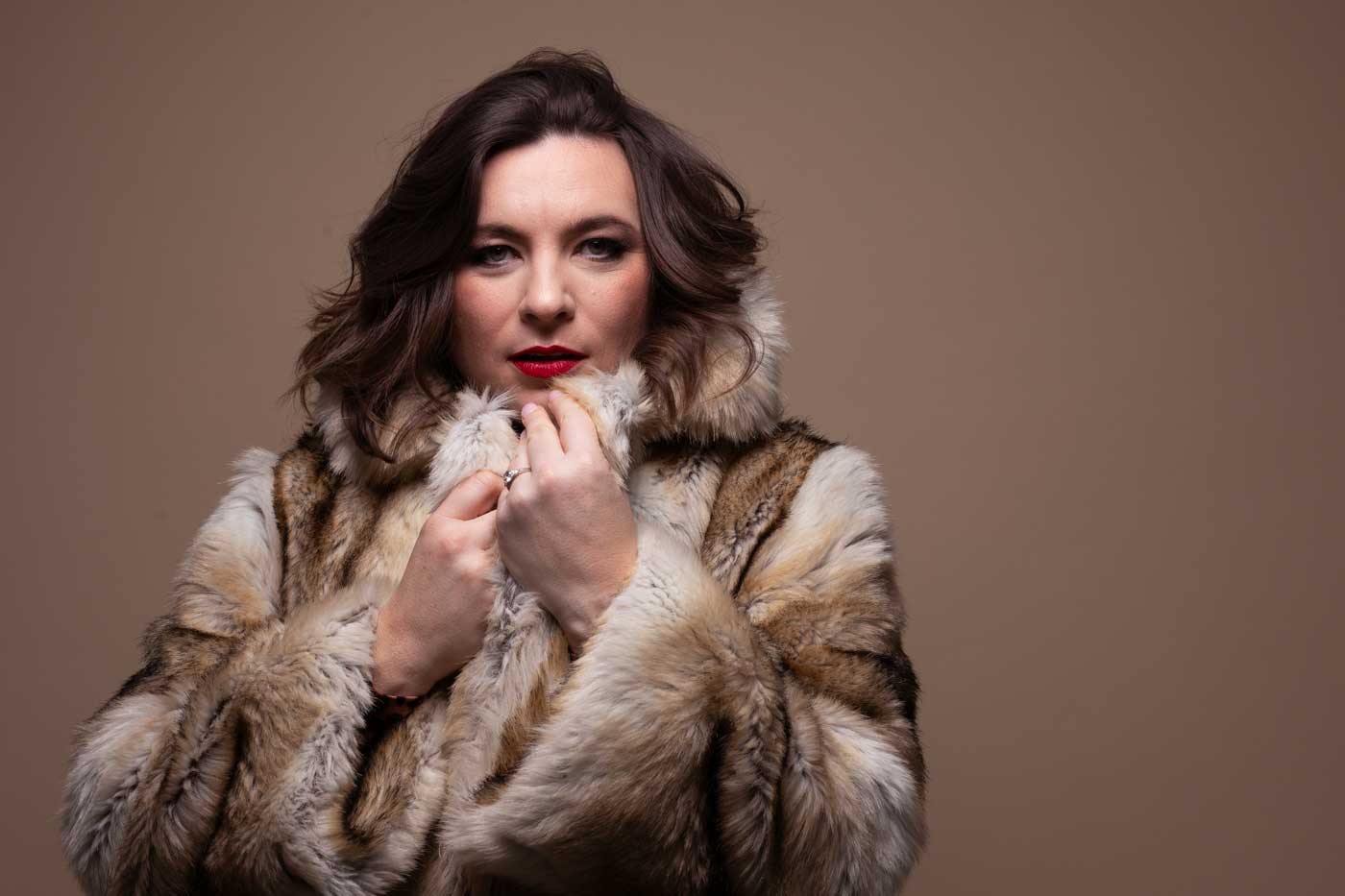
Helena Juntunen (soprano), City of Birmingham Symphony Orchestra / Osmo Vänskä (above)

Sibelius
Karelia Suite Op.11 (1893)
Songs – Höstkväll Op.38/1 (1903, orch. 1904); Hertig Magnus Op.57/6 (1909, orch. 1912); Våren flyktar hastigt Op.13/4 (1891, orch. 1913)
The Bard Op.64 (1913)
Luonnotar Op.70 (1913)
Shostakovich
Symphony no.15 in A major Op.141 (1970-71)

Symphony Hall, Birmingham
Wednesday 19 November 2025

Reviewed by Richard Whitehouse Pictures (c) Jonathan Ferro

Finnish conductor Osmo Vänskä makes relatively UK appearances these days such that this evening’s concert with the City of Birmingham Symphony Orchestra was to be anticipated, given the never less than intriguing juxtaposition of works from Sibelius and Shostakovich.

It now appears less frequently on programmes than half a century ago, but Karelia Suite finds Sibelius at his most uninhibited and Vänskä responded accordingly – whether the simmering motion of its Intermezzo or the pulsating activity of its Alla Marcia; its Ballade distilling the keenest atmosphere with Rachel Pankhurst making the most of her plaintive solo. Harpist Karherine Thomas was similarly attuned to her almost obligato role in The Bard, a tone poem whose sombre understatement hardly prepares one for the surging emotion towards its climax.

Elsewhere in this half it was Helena Juntunen (above) who stole the show with her judicious selection of Sibelius songs. That almost all these are settings of Swedish texts reflects an introspective Romanticism often overlooked in his output and Juntunen brought out the stark imagining of Autumn Evening then restless aspiration of Baron Magnus as potently as the ecstatic yearning of Spring is Flying. Her swapping sophisticated gown for traditional dress may have pointed up stylistic differences with Luonnotar, but it also underlined the inimitability of this setting from Finnish national epic the Kalevala. Birmingham audiences had been spoiled by hearing Anu Komsi in the piece, but Juntunen was no less inside music whose extremes of timbre or texture result in as heady a culmination then as spellbinding a conclusion as any in Sibelius.

Hard now to recall a time when Shostakovich’s 15th Symphony was believed too inscrutable for wider appreciation, rather than that masterly reassessment of Classical symphonism it is. Vänskä brooked no compromise in an initial Allegretto not without its technical mishaps, for all its sardonic and even scabrous humour came over unimpeded, but it was with the Adagio this performance wholly found its stride. As enhanced by eloquent contributions from cellist Eduardo Vassallo then trombonist Richard Watkin, this was palpably well sustained through to a climax shot through with a defiance borne of desperation, before retreating back into its initial numbness. Continuing directly, the ensuing Allegretto was an intermezzo no less acute in its expression and not least for the way solo instruments melded so deftly with percussion.

Vänskä did not make the mistake of rendering the finale an Adagio, such as holds good only with its portentous introduction. The main Allegretto was persuasively handled – broadening marginally for a central passacaglia builds stealthily if inevitably to a climax corrosive in its dissonance, before retracing its thematic steps towards a coda which evokes the notion of the ‘unbearable lightness of being’ more completely than any other music. Here, also, there was no mistaking the CBSO’s collective focus in bringing this totemic work to its deathless close.

Shostakovich 15 does not lack for probing or memorable readings these days and, if tonight’s did not answer all its questions, Vänskä nevertheless ensured this piece left its mark on what was a commendably full house, and which set the seal on a flawed while memorable concert.

For more information on the 2025-26 season head to the City of Birmingham Symphony Orchestra website. Click on the names to read more about soloist Helena Juntunen and conductor Osmo Vänskä

Published post no.2,727 – Sunday 23 November 2025

News – Winter Music in City Churches

published by Ben Hogwood from the original press release

Almost at the mid-way point between the past and future Summer Music in City Churches festivals, we bring news of two winter warming concerts to enjoy in the lead-up to Christmas.

Pavel Sporcl, English Chamber Orchestra, Holy Sepulchre EC1A 2DQ Sunday 30 November, 7pm

The 29th Made in Prague Festival concludes in grand style with a gala celebrating Czech violin virtuoso Pavel Šporcl, whose expressive artistry and dazzling technique have enthralled audiences worldwide.

The programme features Mendelssohn’s Octet in E-flat major, bursting with youthful brilliance, alongside Dvořák’s lyrical Romance and spirited Mazurek. Šporcl’s virtuosity will shine in a solo by Paganini, ensuring a thrilling and unforgettable finale to this year’s festival.

City of London Choir: Carols in the City – St Giles Cripplegate EC2Y 8DA Friday 19 December, 6.30pm

Just ahead of a sell-out carol concert in the Barbican with the King’s College Cambridge choir, the City of London Choir and conductor Daniel Hyde return to St Giles Cripplegate with a wonderful selection of carols and Christmas music, in the company of organist Andrew Lumsden.

Beloved carols by contemporary composers including John Rutter, Morten Lauridsen and Cecilia McDowall sit alongside traditional favourites – with plenty of audience participation. The perfect start to your family festivities.

For links to the concerts, click here for the English Chamber Orchestra and here for the Carols in the City.

Published post no.2,721 – Monday 17 November 2025

In Appreciation – Gary ‘Mani’ Mounfield

by Ben Hogwood Photo of Mani in 2009 by Katherine Barton, edited by Gaz Davidson. Used courtesy of Wikipedia

Yesterday we learned the sad news of the unexpected death of Gary ‘Mani’ Mounfield. Mani was best known as bassist for Stone Roses, where he was a founding member, and Primal Scream, who he joined in 1996. An obituary can be found on the BBC website, but I wanted to acknowledge his contribution to some of the late 1980s and 1990s most notable albums.

One of the first musical sounds you can hear on the Stone Roses debut is the lumbering bass line with which Mani introduces I Wanna Be Adored, one the band’s calling cards:

Meanwhile Fools Gold steps up the tempo, with a funkier but equally brilliant contribution from the bassist:

Many people see the second Stone Roses album as a drop in quality…but when you hear the bass groove driving the superb Begging You those opinions are called into question!

For Primal Scream, you can watch Mani driving one of the band’s excellent mid-90s cuts, If They Move, Kill ‘Em, on live footage from Later…with Jools Holland:

Meanwhile here is one of his final contributions to Primal Scream, driving the energetic Can’t Go Back:

Published post no.2,675 – Thursday 2 October 2025

News – Australian Chamber Orchestra celebrate 50 years with new recording

published by Ben Hogwood from the original press release

The Australian Chamber Orchestra (ACO) continues its 50th anniversary celebrations with the release of a landmark new album, Beethoven & Brahms: Concertos for Violin and Orchestra, featuring Artistic Director Richard Tognetti as soloist. Timed to coincide with the 50th anniversary of the Orchestra’s very first concert, on 21 November 1975 at the Sydney Opera House, this release pays tribute to the ACO’s remarkable legacy while also honouring Artistic Director Richard Tognetti’s extraordinary 35 years of leadership.

Recorded live, the album showcases Tognetti and the ACO at their most vital and alive. Beethoven’s Violin Concerto in D major, Op. 61 was recorded in 2018 and Brahms’s Violin Concerto in D major, Op. 77 earlier this year. These cornerstones of the violin repertoire are reframed with the clarity, intimacy, and daring that have become hallmarks of the ACO’s sound.

It is the first time that Richard Tognetti has recorded the Brahms Concerto and his first full recording of the Beethoven for over 25 years.

Over the last five decades the ACO has become one of the world’s most dynamic ensembles, renowned for fearless programming, boundary-pushing collaborations and a singular, expressive sound. Tognetti has been at the centre of this transformation, reshaping the Orchestra into a globally recognised force through relentless curiosity and risk-taking artistry. More than a celebration, this album is a statement of intent: an affirmation that, at 50, the ACO remains as fearless, passionate, and forward-looking as ever.

Beethoven & Brahms: Concertos for Violin and Orchestra will be available as a special limited-edition vinyl release, with each copy signed by Richard Tognetti, as well as being released as a CD and in digital streaming and download formats.

Full details can be found on the Australian Chamber Orchestra website

Published post no.2,724 – Thursday 20 November 2025

On this day, 150 years ago – the first performance of Tchaikovsky’s ‘Polish’ Symphony

by Ben Hogwood. Image by Charles Reutlinger, used courtesy of Wikipedia

On this day 150 years ago, the first performance took place of Tchaikovsky’s Symphony no.3 in D major, his Op.29, took place with the Moscow Symphony Orchestra conducted by Nikolai Rubinstein. The work carries the unofficial nickname Polish, on account of the Polonaise composed for its fifth and final movement.

The Third is almost certainly the least performed of Tchaikovsky’s symphonies, yet it is increasingly winning a place in the hearts of the composer’s fans. Listen below and you will see why, for the piece has an abundance of melodic charm and character:

Published post no.2,724 – Wednesday 19 November 2025