In concert – Isata Kanneh-Mason, CBSO / Ilan Volkov: Sibelius, Prokofiev & Freya Waley-Cohen

Isata Kanneh-Mason (piano), City of Birmingham Symphony Orchestra / Ilan Volkov

Sibelius The Oceanides, Op. 73 (1914)
Prokofiev Piano Concerto No. 3 in C, Op. 26 (1921)
Waley-Cohen Demon (2022) [CBSO Centenary Commission: World Premiere]
Sibelius Symphony No. 5 in E flat, Op. 82 (1915-19)

Symphony Hall, Birmingham
Wednesday 22 February 2023

Reviewed by Richard Whitehouse

A frequent visitor during the past quarter-century, Ilan Volkov’s concerts with the City of Birmingham Symphony Orchestra are always to be anticipated, and so it proved with this evening’s programme which brought together the familiar and the new to engaging effect.

Sibelius provided a potent framework, The Oceanides (of which the CBSO made a fine recording with Simon Rattle now almost four decades ago) heard in a reading of unusual breadth and deliberation. Not that this ever impeded the progress of music whose almost impressionistic eddying goes hand in hand with inexorability of motion; the outcome a double climax whose spiralling intensity – visceral even in the context of Sibelius’s later music – makes way for a coda whose understated fatalism was affectingly conveyed here.

Along with her brother Sheku, Isata Kanneh-Mason has had a major impact on the UK music scene – her skill and insight evident throughout this performance of Prokofiev’s Third Piano Concerto. There was no lack of élan in passagework where the composer sought to confirm his own pianistic credentials as he built a career in the West, but also a tendency to brittleness as arguably sold the music short. It was in more reflective sections that Kanneh-Mason came fully into her own – the limpid musing on its main theme at the centre of the first movement, the spectral half-lights of its successor’s third variation, or the warmly expressive melody at the heart of the finale in which her rapport with Volkov was tangible. If the electrifying close brought less than the ultimate frisson, it still set the seal on a reading of impressive potential.

After the interval, another in the CBSO’s Centenary Commissions – the well-regarded Freya Waley-Cohen (above) duly responding with Demon. Its scenario evoking the more ominous of folk stories, this piece packed a considerable amount of incident into its 11 minutes – a Ligetian playfulness offsetting its frequently intricate polyphony to diverting and, throughout the final stages, impulsive effect. Drawing an incisive and precise response, Volkov seemed intent on presenting this colourful curtain-raiser as well worthy of further and repeated performance.

Volkov’s accounts of Sibelius’s Third and Fourth Symphonies were highlights of a complete cycle at the 2015 Proms, and this account of the Fifth found his advocacy undimmed. Others have found greater atmosphere in the first movement’s earlier stages, but the purposefulness with which he built to its defining climax was undoubted; as too a corresponding build-up of momentum in its ‘scherzo’ – Matthew Hardy’s volleys of timpani spearheading the propulsive coda. More intermezzo than slow movement, the Andante had an appealingly winsome aura for all its darker undertones (with some delectable woodwind playing), while the finale made the most of its contrasts in motion – the ‘swan melody’ eloquently rendered – on the way to an apotheosis whose surging affirmation was driven home by those indelible closing chords.

An impressive performance, then, such as brought this concert to a suitably inspiring close. Volkov is on the podium again this Sunday – directing the CBSO Youth Orchestra in a new piece by Bergrun Snaebjörnsdottir, heard alongside music by Grażyna Bacewicz and Berlioz.

You can read all about the 2022/23 season and book tickets at the CBSO website. Click on the artist and composer names for more on Ilan Volkov, Isata Kanneh-Mason and Freya Waley-Cohen

In concert – Alban Gerhardt, CBSO / Roderick Cox: Ravel, Saint-Saëns & Bartók

Alban Gerhardt (cello), City of Birmingham Symphony Orchestra / Roderick Cox

Ravel Ma mère l’Oye – suite (1910, orch. 1911)
Saint-Saëns Cello Concerto no.1 in A minor Op.33 (1872)
Bartók Concerto for Orchestra BB123 (1943, rev. 1945)

Symphony Hall, Birmingham
Thursday 16 February 2023 (2.15pm)

Reviewed by Richard Whitehouse

This afternoon’s concert by the City of Birmingham Symphony Orchestra brought a judicious programme that not only looked effective on paper but worked well in practice, juxtaposing characteristic works by Ravel and Bartók alongside a favourite concerto from Saint-Saëns.

Although the extended ballet was championed by Simon Rattle during his CBSO tenure, the original five items constituting Ravel’s Mother Goose suite (the Prelude was included on the programme but (rightly) not in this performance) constitutes an attractive sequence and one that played to the orchestra’s strengths. Roderick Cox brought out the serene poignancy of Sleeping Beauty’s Pavane as fully as the winsome poise of Hop-o’-My-Thumb, with its delectable playing from woodwind. Neither was the piquant humour in Laideronnette, Empress of the Pagodas undersold, nor the stealthy interplay of gentility and earthiness in Dialogue of Beauty and the Beast. Initially a little muted in its rapture, The Fairy Garden built towards a finely sustained apotheosis whose unforced ecstasy was much in evidence.

Saint-Saëns has long enjoyed a following in Birmingham – not least his First Cello Concerto, which this reviewer first heard played by CBSO with the redoubtable Paul Tortelier almost a half-century ago. Evidently no stranger to this piece, Alban Gerhardt launched into the first of its three continuous movements with due purposefulness; pointing up the formal ingenuity as the composer interposes between what are nominally the exposition and development of a sonata design a ‘minuetto’ where soloist and muted strings render the principal themes at an oblique remove. The relatively extended final section can risk feeling diffuse, but Gerhardt’s focus brought a natural sense of intensification then resolution prior to the decisive close. The soulful opening Dialogo from Ligeti’s early Solo Cello Sonata provided an apposite encore.

A staple of the modern repertoire in almost as short a time as it took to be composed, Bartók’s Concerto for Orchestra is a sure test for any such ensemble and one that the CBSO met with alacrity on this occasion. Setting a steady if never inflexible tempo for the Introduzione, Cox drew its contrasts of musing uncertainty and impulsive dynamism into a tensile and cohesive whole. Hardly less effective was the genial succession of duets in Giuoco delle coppie, set in relief by a brass chorale which makes for one of its composer’s most affecting inspirations.

Its sombreness marginally underplayed in its opening stages, the Elegia lacked nothing in eloquence at its climaxes or in its regretful closing bars, then a juxtaposing of folksong with Léhar and/or Shostakovich in the Intermezzo interrotto made for a heady while meaningful amalgam. It might not have followed-on attacca, but the Finale was otherwise the highlight of the reading – Cox as attentive to the music’s energetic and lyrical elements as to a central fugato whose initial fanfares return to cap the work, and this performance, in joyous abandon.

Born in Macon (Georgia) and currently based in Berlin, Cox is a fluent and assured presence such as helped make this an auspicious debut. The CBSO returns next week for an appealing programme with Ilan Volkov, featuring Isata Kanneh-Mason in Prokofiev’s Third Concerto.

You can read all about the 2022/23 season and book tickets at the CBSO website. Click on the artist names for more on Roderick Cox and Alban Gerhardt.

In concert – Alexandre Kantorow, CBSO / Kazuki Yamada: Tchaikovsky Piano Concerto no.2 & Holst The Planets

Alexandre Kantorow (piano), CBSO Youth Chorus, City of Birmingham Symphony Orchestra / Kazuki Yamada

Tchaikovsky Piano Concerto no.2 in G major Op. 44 (1879-80)
Holst The Planets Op. 32 (1914-17)

Symphony Hall, Birmingham
Thursday 2 February 2023

Reviewed by Richard Whitehouse

He may not take up his role as Chief Conductor for a couple of months, but Kazuki Yamada already has acute rapport with the City of Birmingham Symphony Orchestra, as was evident tonight in this unlikely though effective coupling of major works by Tchaikovsky and Holst.

While it has never aspired to the popularity of its predecessor, Tchaikovsky’s Second Piano Concerto lacks none of the melodic appeal or emotional heft synonymous with this composer. Growing conviction that piano and orchestra were best heard separately rather than together can give the first movement a rather stop-start trajectory, but with Alexandre Kantorow (below) alive to its bravura and poetic facets there was never a sense of disjointedness in a first movement – emphasis on whose ‘brillante’ and ‘vivace’ markings avoided any risk of portentousness.

Although those aspects of the edition by Alexander Ziloti that simplify the solo writing have now been consigned to history, truncation of the Andante into an intermezzo akin to that of the First Concerto remains common. To do so, however, misses out on the expansiveness of this movement – notably its eventful trialogue between piano, violin and cello as dominates the latter stages, and which here saw a sustained interaction between Kantorow and the CBSO section leaders (Eugene Tzikindelean and an as yet unidentified cellist. Yamada directed with an unobtrusive rightness, then gave the soloist his head in a finale that makes up for its relative brevity with scintillating wit and agility – not least in the coda when, having resisted any temptation for a grand apotheosis, Tchaikovsky allows soloist and orchestra an effervescent race to the close.

Tchaikovsky was never an influence on Holst, and the conventional scoring of the former’s piece is worlds away from that of The Planets with its extended range of ingenious timbres and textures. Finding the right martial pulse at the outset of Mars, Yamada built this first piece to a pulverizing climax – after which, the enfolding raptness of Venus was the more tangible in its serenity and poise. The deftness and insouciance of Mercury was no less to the fore, and the only reservations came in a Jupiter whose bracing outer sections verged  on the dogged; with a central section whose indelible melody took on a ceremonial turgidity which has nothing to do with this music as Holst conceived it. Happily, the remaining three pieces, which all too often seem anticlimactic, emerged as highlights of this performance.

Undeniably the emotional focal-point, Saturn unfolded from initial remoteness to a climax whose sense of crisis was palpably evident, before withdrawing into a radiant evanescence. Contrast with the sardonic humour of Uranus was pronounced – Yamada making the most of its flights of fancy, then lurchingly triumphant parade, before the heart-stopping dissolve near its close. Neptune capped proceedings superbly – its strangeness and insubstantiality allied to searching introspection which afforded cohesion to this venture into the unknown.

Placed high to the left of the auditorium, the CBSO Youth Chorus added its ethereal tones. The final fadeout began almost too remotely to be sustained yet, as this repeating vocalise moved beyond earshot, there was no doubt as to the totality of what had been experienced.

You can read all about the 2022/23 season and book tickets at the CBSO website. Click on the artist names for more on Kazuki Yamada and Alexandre Kantorow – and for more on Gustav Holst, head to The Holst Society

In concert – CBSO / Clark Rundell: Sounds New

Graves Fanfare
Osborn The Biggest Thing I’ve Ever Squashed
Sweeney Glisk
Zisso A Standing-stonea
Knibbs Strings Bilateral
Maunders In The Land Of Hypocrisy
Morgan-Williams Parti Di-ffinau
Latimer Bellwether
Werner Crossingsb
Crayton Encore
Singh Lament for the Earthc
Baker The Radiance of the Spirit
Järventausta Bourrée
Arakelyan Prelude and Allegro
Nobuto Egress
James Come Show Them the Riverd
Slater Unravelling the crimson sky
Dearden Anthem
Appleby Sonnet 43
Taylor-West Turning Points*

aYfat Soul Zisso, bHéloïse Werner, Bethan Lloyd, dMillicent B James (voices), cSimmy Singh (voice / violin), City of Birmingham Symphony Orchestra / Clark Rundell

Symphony Hall, Birmingham
Sunday 29 January 2023 2.30pm

Reviewed by Richard Whitehouse Photos courtesy of (and with thanks to) Aphra Hiscock and Jenny Bestwick

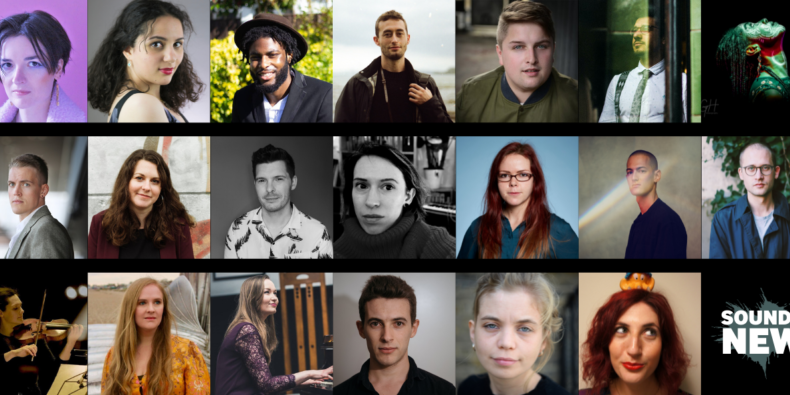
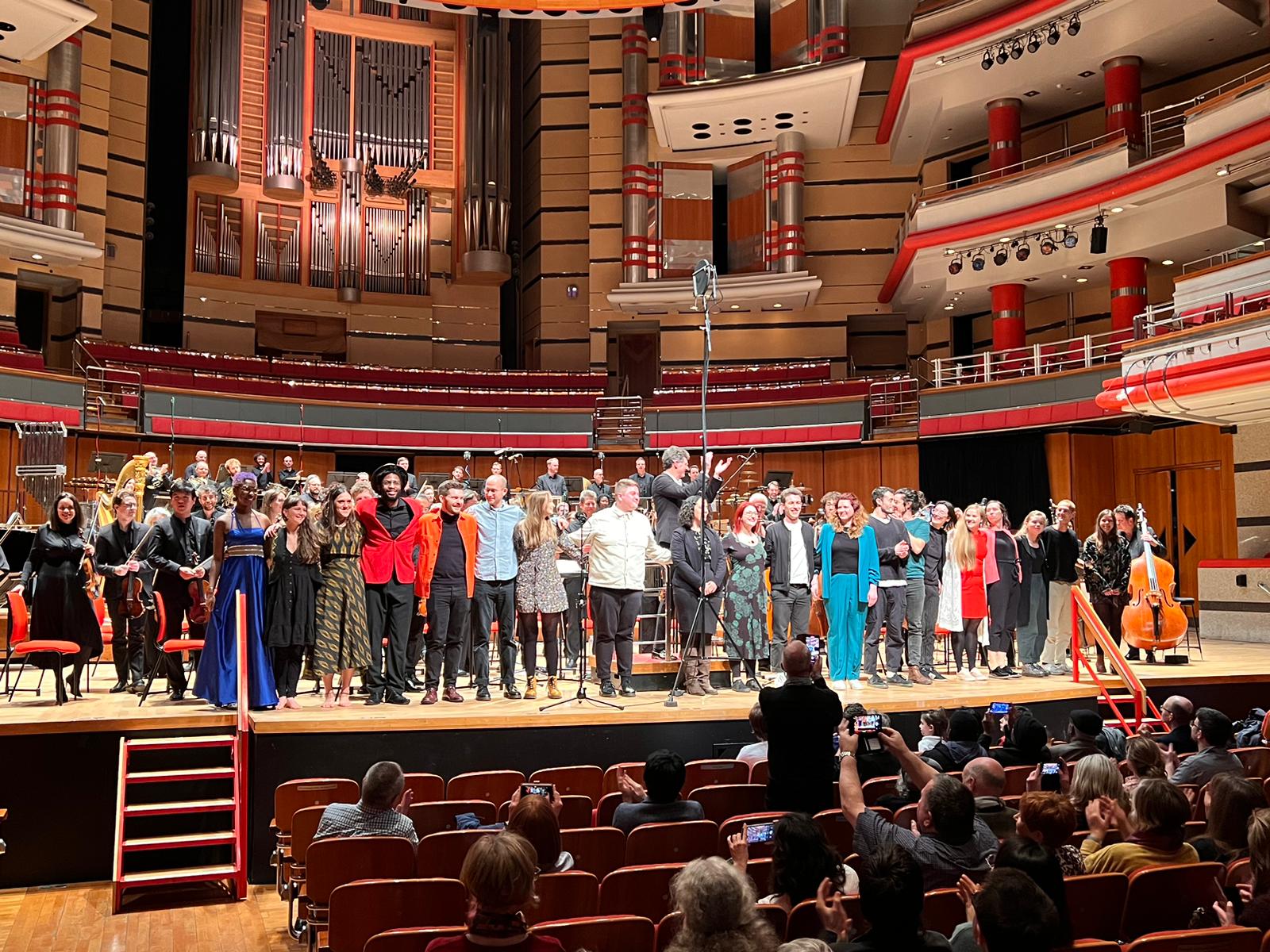
It might have been one of the few positive outcomes to come out of the pandemic, but the decision to programme these 20 pieces by young composers – commissioned by the City of Birmingham Symphony Orchestra as part of its Centenary Commissions – in a single concert rather than across several seasons, as originally intended, paid dividends in terms of highlighting what was an important strand of the orchestra’s activities and so enabled an overview of present-day creativity that would have been impossible within a more generalized context.

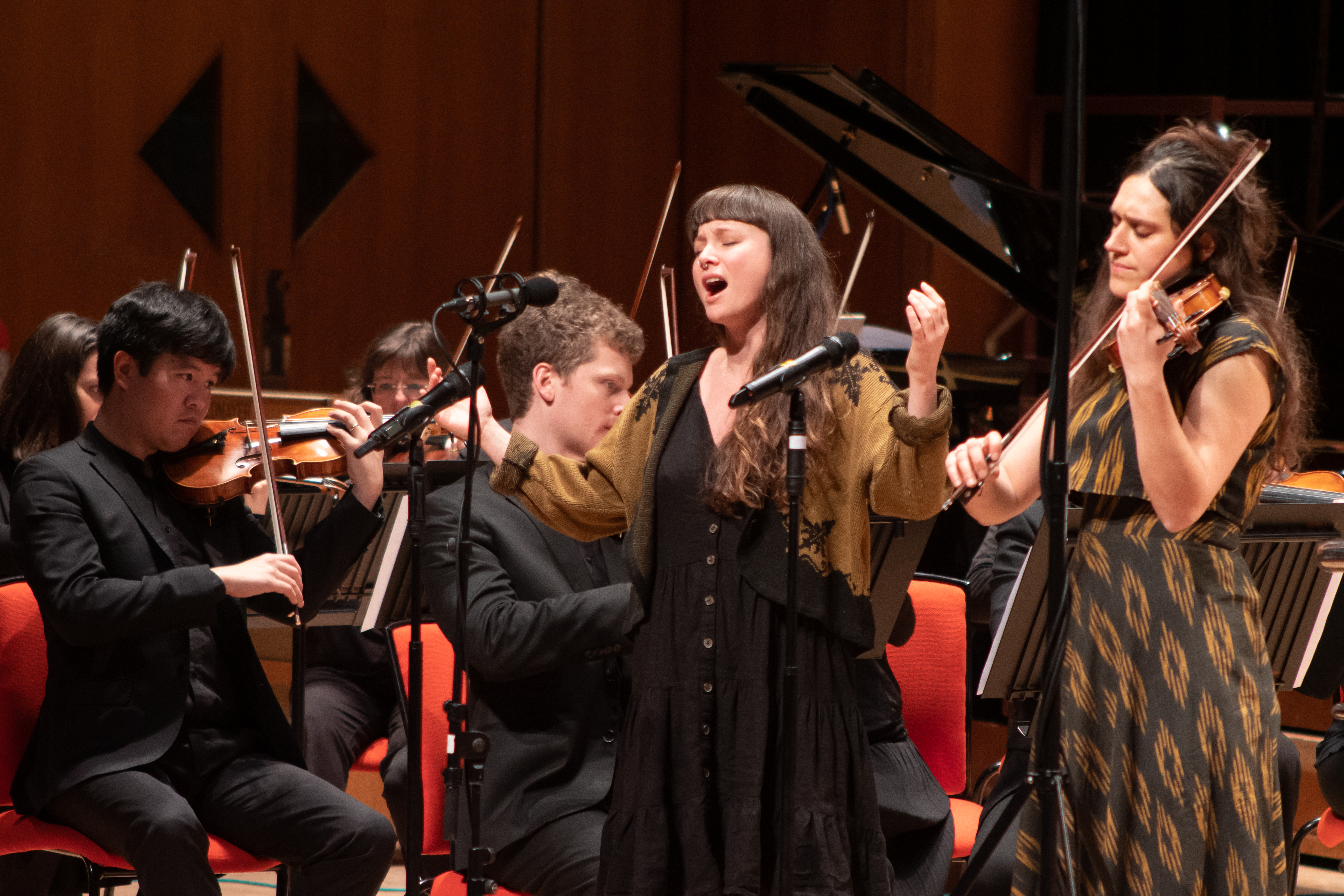
Just how the running-order was determined was unclear, but the various juxtapositions were almost always to the advantage of each piece. Benjamin Graves grasped the nettle with music all about becoming rather than being, and Laurence Osborn implied more than even anarchic humour in intricately enveloping textures. Aileen Sweeney favoured an unabashed cinematic outlook, while Yfat Soul Zisso took centre-stage for her demonstrative take on a relatively circumspect poem by Howard Skempton. Chloe Knibbs drew a halting eloquence from the interweaving string sections, in contrast to the vividly gesticulating essence that doubtless reflected the convictions of Florence Anne Maunders. There was an appealingly whimsical quality to the writing of Bethan Morgan-Williams, then a ruminative aspect to that by Ryan Latimer veering towards the hymnic. Héloïse Werner favoured a gestural approach whose vocalise brought continuity almost despite itself, before Stephane Crayton rounded off the first half with music whose brooding understatement seemed an ironic comment on its title.

Playing violin alongside Bethan Lloyd’s impulsive vocal, Simmy Singh offered a lament of insinuating elegance, then Tyriq Baker focussed on the strings for a study of no mean pathos. Joel Järventausta must have been pleased with the performance of and response to his deftly ominous piece, as too Kristina Arakelyan by the rendering of her diptych with its evocative writing for cor anglais. Ben Nobuto fairly revelled in his capricious portrayal of the concept of ‘exiting’, whereas Millicent B James provided an undeniably charismatic rendition of her text-based setting. Angela Elizabeth Slater intrigued the ear with her fastidiously oscillating textures, while Nathan James Dearden teased out those competing implications from the title of his piece with a tellingly sardonic touch, before Anna Appleby pitched her instrumental take on verse by Elizabeth Barrett at a thoughtfully oblique remove. Ironic that the closing piece was the only one to have been heard before the pandemic, but Liam Taylor-West duly pulled out the stops with music whose scintillating orchestration more than deserved revival.

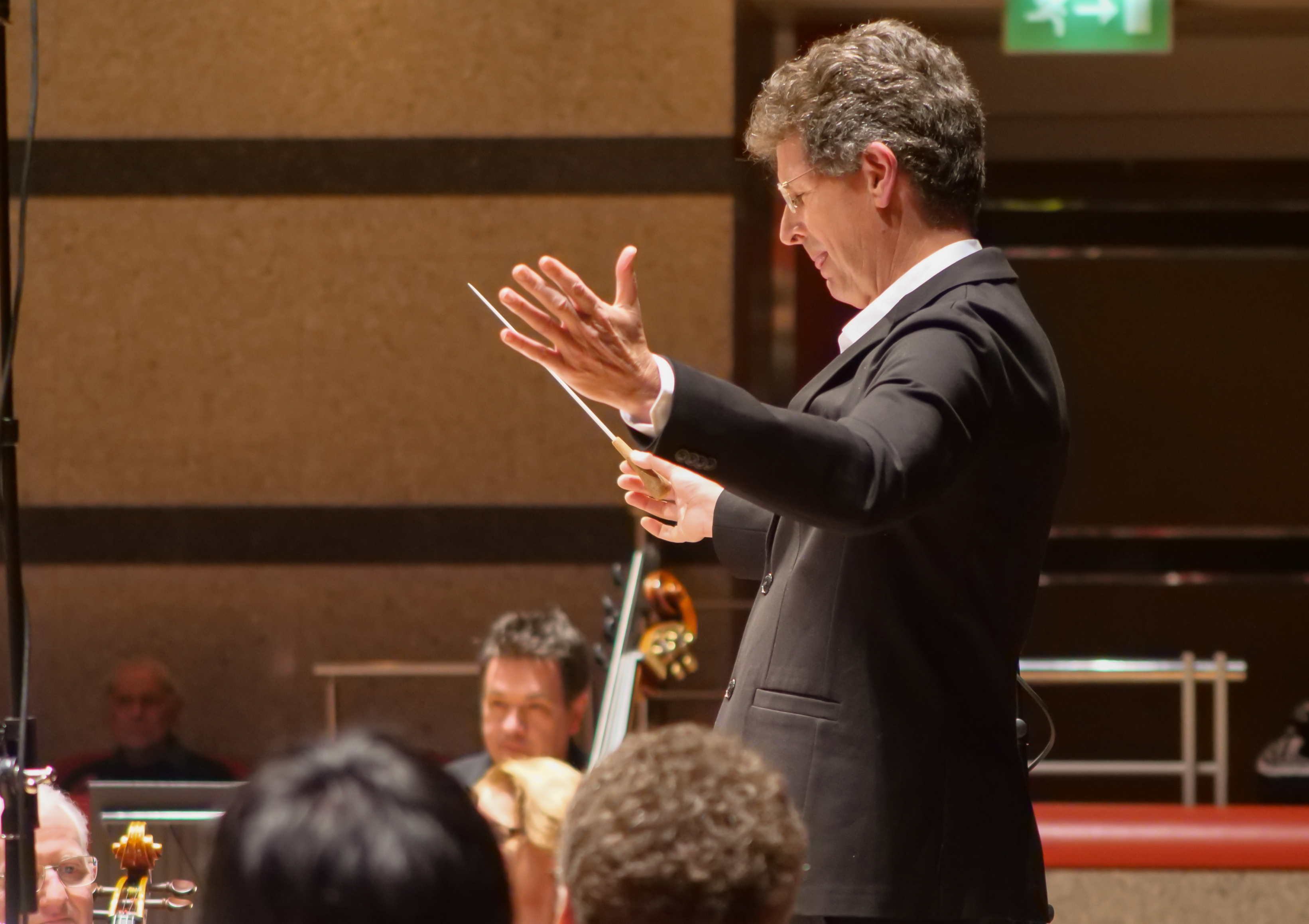
Throughout this programme, the CBSO gave its collective all over what was a considerable range of idioms – abetted by the assured conducting of Clark Rundell (above), who also introduced each half as well as providing continuity between items whenever necessary. Good to hear that the concert was being recorded by NMC Records for later digital release (with maybe an issue on CD too?), and all due credit to The John Feeney Charitable Trust for continuing to fund the orchestra almost seven decades after its first commission. The story continues…

You can read all about the 2022/23 season and book tickets at the CBSO website

In concert – Cédric Tiberghien, CBSO / Eduardo Strausser: Beethoven ‘Emperor’ Concerto & Prokofiev Symphony no.5

Wagner Lohengrin – Prelude to Act One (1846)
Beethoven Piano Concerto no.5 in E flat major Op. 73 ‘Emperor’ (1809)
Prokofiev Symphony no.5 in B flat major Op. 100 (1944)

Cédric Tiberghien (piano), City of Birmingham Symphony Orchestra / Eduardo Strausser

Symphony Hall, Birmingham
Wednesday 25 January 2023 2.15pm

Reviewed by Richard Whitehouse Picture of Eduardo Strausser (c) Peter Wallis

Is there a more evocative way to begin a concert than the Prelude to Wagner’s Lohengrin? The opera itself may fail (for the most part) to live up to the precedent set, but the quality of this piece has never been in doubt – with composers as distinct as Berlioz and Verdi having been captivated by its almost tangible atmosphere and counterpoint redolent of Palestrina in its supple inevitability. Under the assured direction of Eduardo Strausser, it made a fitting curtain-raiser to this afternoon’s concert by the City of Birmingham Symphony Orchestra.

It also provided a telling foil to Beethoven’s Fifth Piano Concerto that followed in the first half. Still the most popular of its composer’s such pieces, it is also nowadays the hardest to bring off – particularly the initial Allegro with its unabashed emotional rhetoric and overtly symphonic conception. Playing down the former aspect and rationalizing the latter, Cédric Tiberghien opted for a tensile and unaffected traversal which emphasized cohesion at the expense of grandeur – underlining just why Beethoven never again completed a concerto.

There was little to fault in Tiberghien’s take on the Adagio (save for a few errors to remind one that Beethoven’s slower music is by no means easier to play), and if the transition into the finale was less than spellbinding, that latter movement for the most part brought out the best in the rapport between pianist and conductor. The CBSO responded with the necessary rhythmic agility, and Tiberghien responded to the applause with excerpts from the Eroica Variations he has recently recorded as part of an edition of Beethoven’s works in this genre.

The engaging director of last year’s Viennese New Year concert, Strausser (above) clearly enjoys a rapport with this orchestra as was a hallmark of Prokofiev’s Fifth Symphony following the interval. Itself the most often heard of a diverse and often diffuse cycle (the ‘Classical’ more often encountered on recording than in concert), it presents notable difficulties of balance and pacing – notably the initial Andante, whose accumulating momentum needs careful handling so as not to congeal. Strausser duly had its measure, maintaining focus through to a seismic peroration – the impact from which carried over into a scherzo whose outer sections seemed more than unusually acerbic. Nor did this preclude a more genial response in the trio, its main theme held over from Romeo and Juliet and as captivating a melody as any by this composer.

That the Adagio is the emotional heart of this work only increases the need to prevent it from dragging, and Strausser’s sense of proportion ensured that the sense of dread made explicit at its climax was balanced by the serene eloquence towards its close. Heading (rightly) straight into finale, he steered a secure course through a movement whose poise is constantly being undercut by disruptive elements as take control in the coda – the composer’s perspective on imminent Soviet victory in the ‘Great Patriotic War’ remaining ambivalent even at the close.

A fine reading of a work whose stature is still questioned (and a reminder that Prokofiev’s Second Symphony still awaits its CBSO debut). Chief Conductor-designate Kazuki Yamada returns next week for an unlikely though appealing double-bill of Tchaikovsky and Holst.

You can read all about the 2022/23 season and book tickets at the CBSO website – and head to this page for the Tchaikovsky and Holst programme. Click on the artist names for more on Eduardo Strausser and Cédric Tiberghien