

Carolin Widmann (violin, below), City of Birmingham Symphony Orchestra / Nicholas Carter
Haydn Symphony no.96 in D major Hob.1/96 ‘Miracle’ (1791)
Ligeti Violin Concerto (1989-93)
Brahms Symphony no.3 in F major Op.90 (1883)
Symphony Hall, Birmingham
Wednesday 1 November 2023
Reviewed by Richard Whitehouse
Tonight’s concert by the City of Birmingham Symphony Orchestra saw a collaboration with the well-regarded Nicholas Carter – former chief conductor of the Adelaide Symphony, now holding that position with Bühnen Bern alongside guest appearances in Europe and the US.
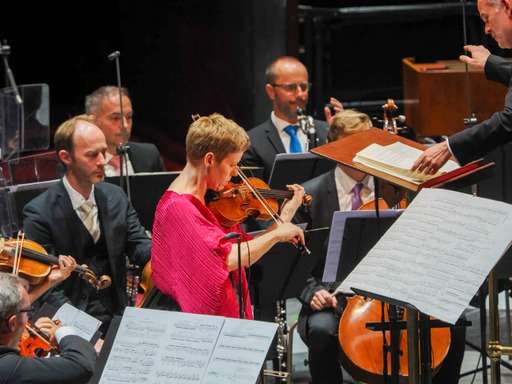
Few conductors would nowadays begin a programme with a Haydn symphony, and Carter’s take on no.96 did not lack for conviction. The Miracle of a falling if harmless chandelier may have taken place at the premiere of no.102 but does not lessen the quality of this work, its slyly portentous Adagio introducing an Allegro whose motivic unity is most evident in a tensile development and agile coda. With felicitous writing for oboe (rendered so by Helena Mackie) and violin (a welcome ‘guest lead’ from Zoë Beyers), the Andante is the highlight – Carter making the most of antiphonal violins where the gains in clarity or incisiveness were never in doubt. Steady but with a lilting grace then a piquant trio, the Minuetto was a perfect foil to the final Vivace – its energetic interplay duly capped by a coda of uninhibited verve.
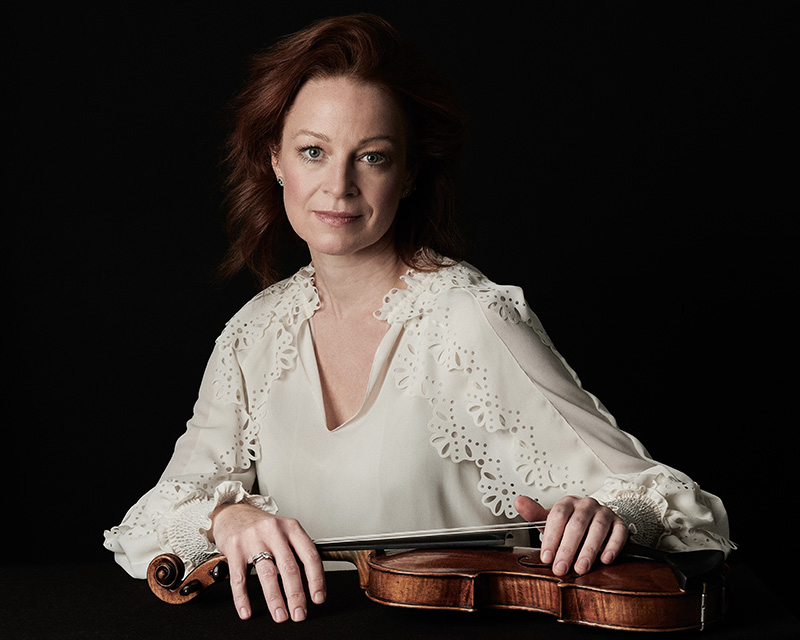
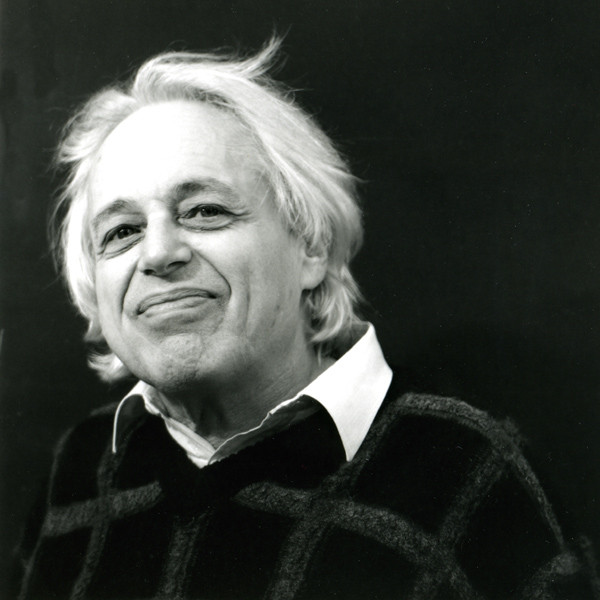
Good that the CBSO marked György Ligeti’s centenary with his Violin Concerto, combining the composer’s love of polyrhythms and varied tunings with a heady recall of his Hungarian heritage. No stranger to this piece, Carolin Widmann emphasized the teasing reticence of its Praeludium and found aching nostalgia in the folk inflections of its Aria-Hoquetus-Choral. The coruscating build-up of its Intermezzo and finely wrought intensity of its Passacaglia were well judged, Carter bringing out the strangeness of orchestral writing with its extremes of register and an array of unorthodox instruments. The final Appassionato was trenchantly done, and while Widmann’s overly matter-of-fact cadenza robbed the closing ensemble bars of their barbed humour, it proved a small blemish on this otherwise captivating performance.
Brahms’ Third Symphony has done well by the CBSO in recent seasons, and Carter’s reading was no exception. Any hint of stolidity at the outset of the initial Allegro had gone during the exposition’s repeat, then the development accrued a momentum such as carried through to the end of this movement. The coda’s transfigured poise (Brahms’ riposte to Tristan?) was no less evident in the Andante, its melodic simplicity belying an emotional ambiguity as was implied by its ruminative asides before suddenly being made explicit during the confiding final pages.
The Poco allegretto was (rightly) taken not as an extra slow movement, rather an intermezzo of a pathos which was accentuated by its deft forward motion. The final Allegro then brought a culmination in all respects – Carter alive to its stark contrasts between the speculative and the combative, with a thrilling transition into the reprise then a coda that recalled the work’s defining motto with mingled aspiration and benediction on its way to an ending of perfectly judged repose. Never the easiest symphony to bring off, this was a Brahms Three to savour.
Carter will hopefully be working with this orchestra again soon. Next Wednesday’s concert brings Cristian Macelaru in a programme with Sibelius and Mendelssohn, while Thursday’s Centre Stage recital has a welcome revival of the Clarinet Quintet by Elizabeth Maconchy.
You can read all about the 2023/24 season and book tickets at the CBSO website. Click on the artist names for more information on violinist Carolin Widmann and conductor Nicholas Carter, and for more about composer György Ligeti
Published post no.1,998 – Friday 3 November 2023



 Arcana.fm