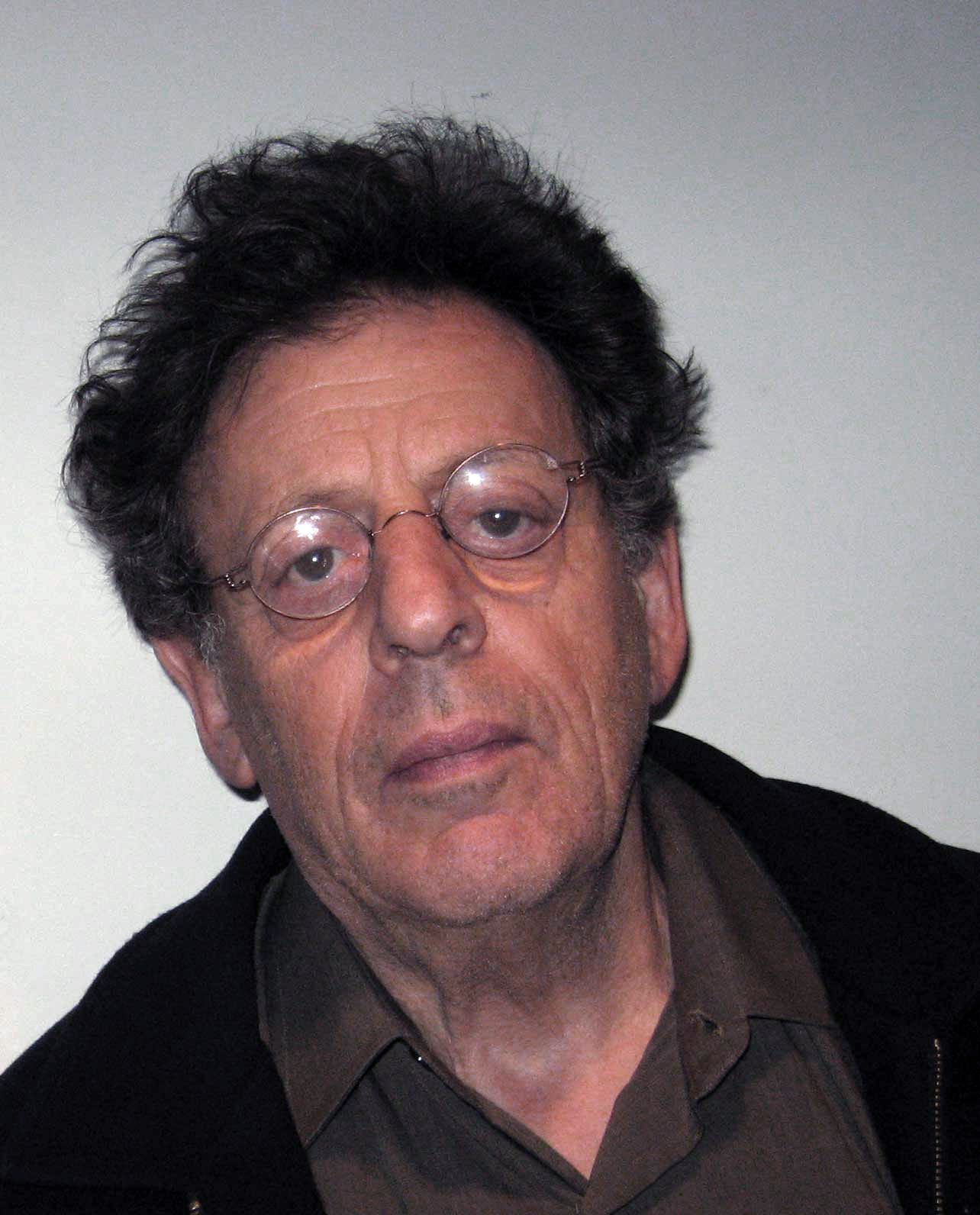
by Ben Hogwood Photo of Glass by WNYC New York Public Radio, used from Wikipedia
On this day in 2005, the world premiere of the Symphony no.8 by Philip Glass took place. Generally the symphony has not been a form to fire the imagination of minimalist composers – Steve Reich, for instance, has not written one – but Glass has found a way of integrating symphonic thought and form with subtly repetitive figures.
The Eighth is a more exploratory, chromatic work in three movements, a substantial piece lasting nearly 40 minutes. Here it is with the performers from the premiere, the Bruckner Orchestra Linz conducted by Dennis Russell Davies:
Vanessa Wagner continues her exploration of Philip Glass’s piano works with Etude No. 8, released on September 5th.
“Etude No. 8 is one of the most mysterious pieces of the cycle and undoubtedly the most lyrical of Book I. It begins with an ethereal unison between the right and left hands, sounding like a question, a call, and resolves into a phrase with a theme of heartbreaking tenderness. The central section, with its deep basses and 3-against-2 rhythmic sway, carries us into a universe of dark, passionate turmoil before returning to the initial unison—pure and bare, like a moment of renunciation. In just a few minutes, Philip Glass takes us through multiple emotional landscapes, all infused with gentleness, melancholy, and depth.” – Vanessa Wagner
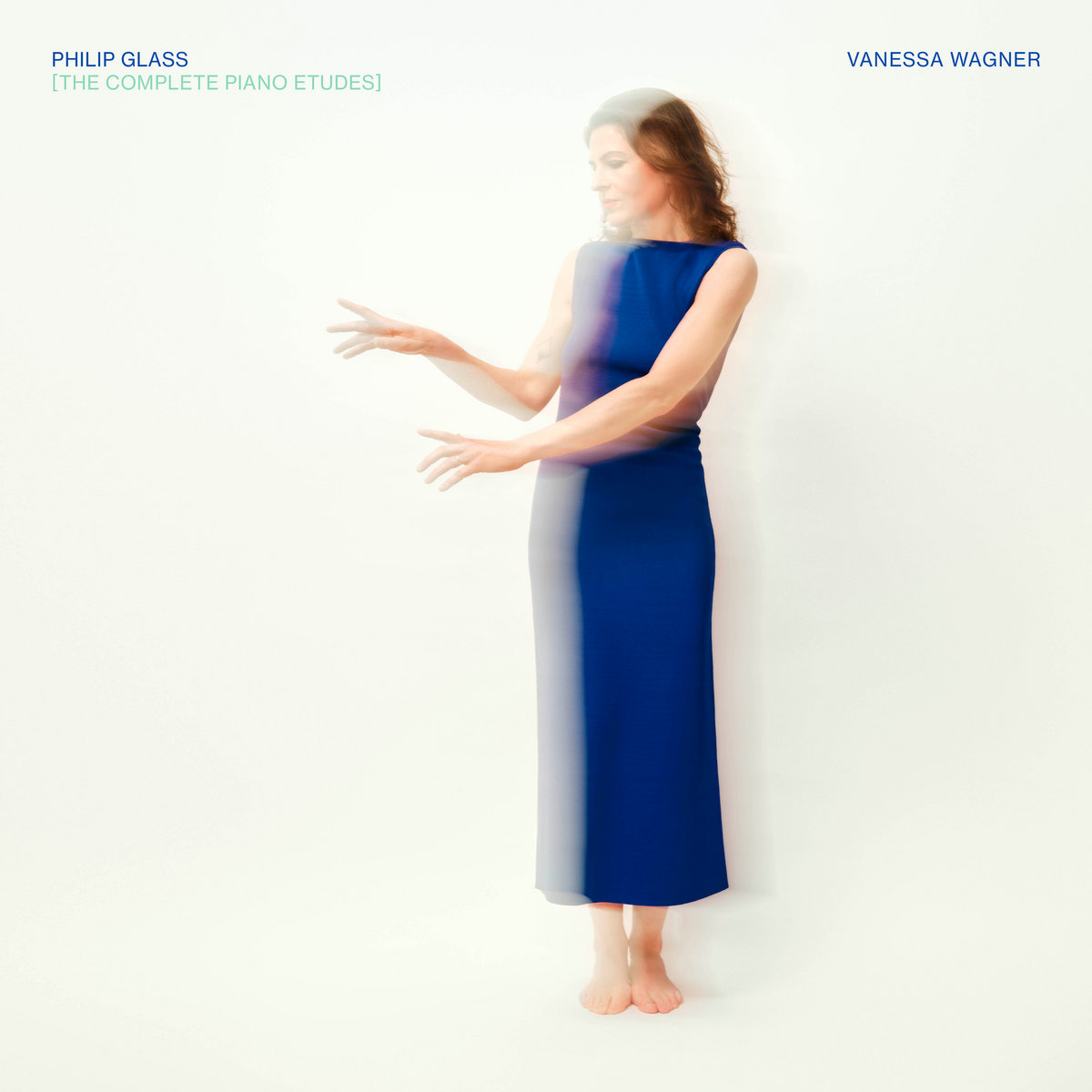
Vanessa Wagner has today revealed the next instalment of her forthcoming album release of Philip GlassEtudes, due for release on 13 July from the InFiné label.
“After more than thirty years spent playing, interpreting, and working on the great repertoire, Philip Glass’s music has, in a way, almost revolutionized my life as a musician,” confides Vanessa Wagner.
The label describe how “in Etude no.14, so often filed away as a mere “transitional” study, Wagner uncovers a central engine of Glass’s language: the art of turning motif into living gesture, pattern into emotion, structure into an open-ended form.”
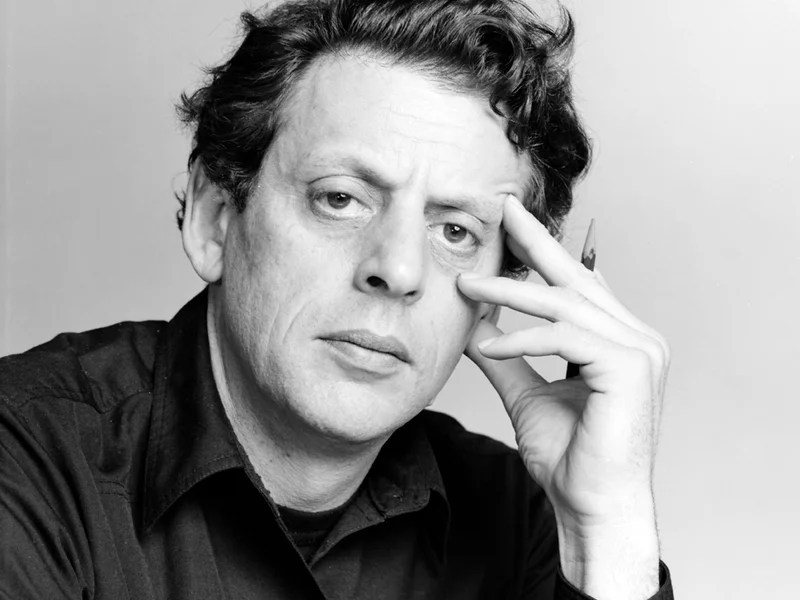
by Ben Hogwood picture (c) Jack Mitchell/Getty Images
On this day in 1987 the premiere of Philip Glass‘ Violin Concerto no.1 took place, played by Paul Zukofsky and with the American Composers Orchestra under Dennis Russell Davies.
The piece has established itself as one of Glass’s most popular works in concert, and can be heard below in its first recording, made by Gidon Kremer for Deutsche Grammophon:
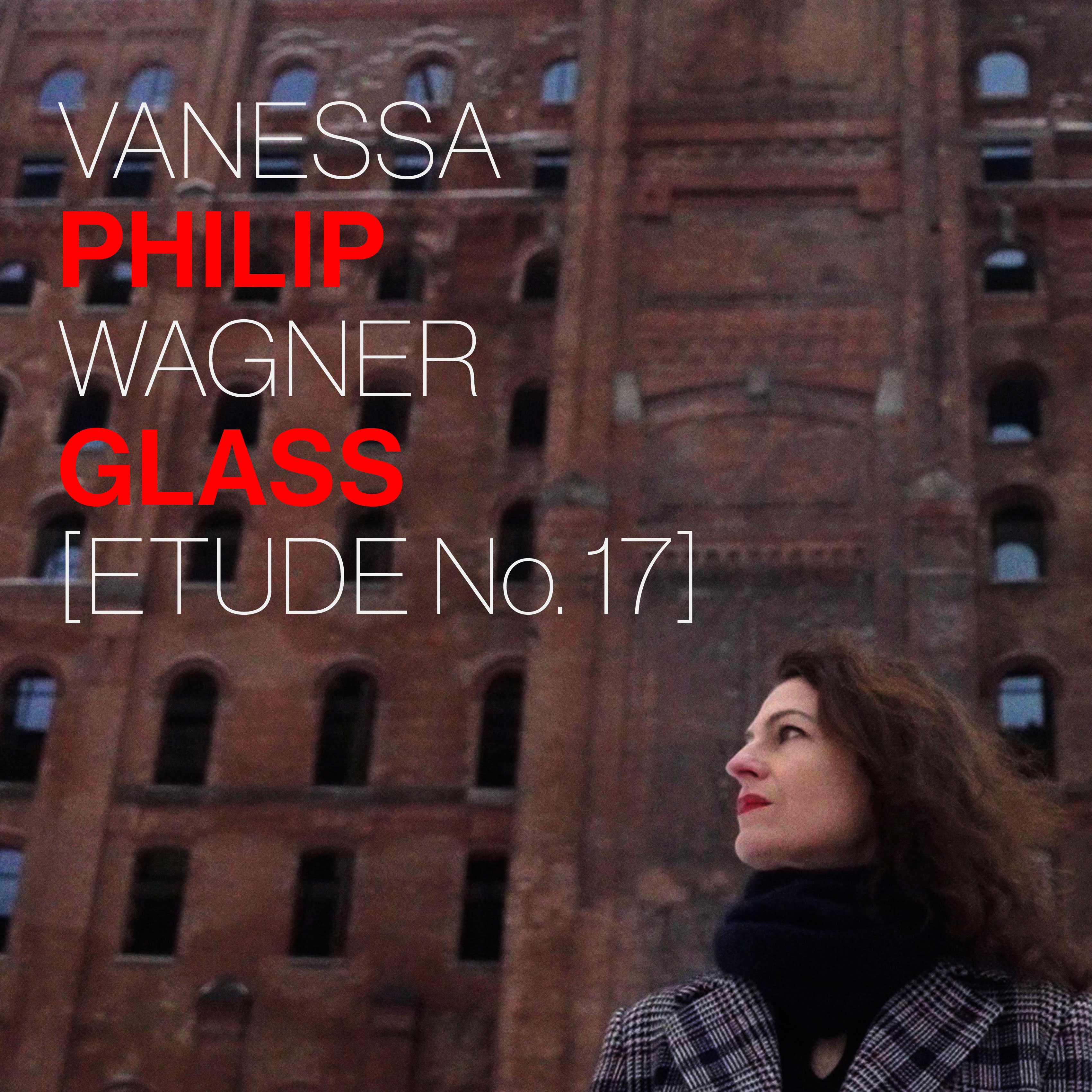
Today brings us news of an important project from Vanessa Wagner, a favourite of these pages. Étude No. 17 is the first excerpt from her complete recording of Philip Glass’s Études for Piano, set for release later in 2025 on the InFiné label.
The InFiné press release goes into detail on Glass’s etudes, which are fast becoming the most recorded area of his music:
“Through her approach, Vanessa Wagner helps establish these two books as a major cycle within the grand repertoire, on par with the études of Ligeti, Pascal Dusapin, and, before them, Chopin and Liszt.
While the first book was conceived as an instructional manual to push Glass’s technical limits with a piano, the second book envisions an imagined virtuoso pianist, demanding both precision and dexterity. Glass himself has rarely performed more than a few pieces from the second volume.
Legend has it that while working on his final four études, Glass pulled a collection of poetry by Allen Ginsberg from his bookshelf. A mythical figure of the Beat Generation, Ginsberg inspired a whole generation’s desire for travel—journeys that took the young Glass across Europe (notably France) and India, infusing his work with a singular tone. As he flipped through the book, he reportedly rediscovered a personal manuscript for a piece titled Magic Psalm, which would later become his Etude No. 17.
Through her interpretation, Vanessa Wagner brings to light the delicate balance between serenity and tension in this mesmerizing composition, capturing both its poetic, wistful quality and its cinematic contrasts—inviting listeners on a journey that is as reflective as it is unsettled, much like the ever-shifting landscapes of the Hudson River.”


 Arcana.fm