Arcana’s best of 2022

by Ben Hogwood

How has 2022 been for you? It has been a difficult year for so many, and I don’t know about you, but I find music takes on an even more important part of our lives when the going gets tough. This year we have been able to rely on a consistently strong line of releases, giving us extra resolve and relief from the day-to-day.

Arcana has reviewed a lot of music this year. What we tend to do on these pages is concentrate on music and artists that we know are likely to be good – and we assemble our thoughts on them so you can then make your own investigations. Classical music is usually our starting point, but from there we travel afar to the outer reaches of electronica, dance and contemporary music.
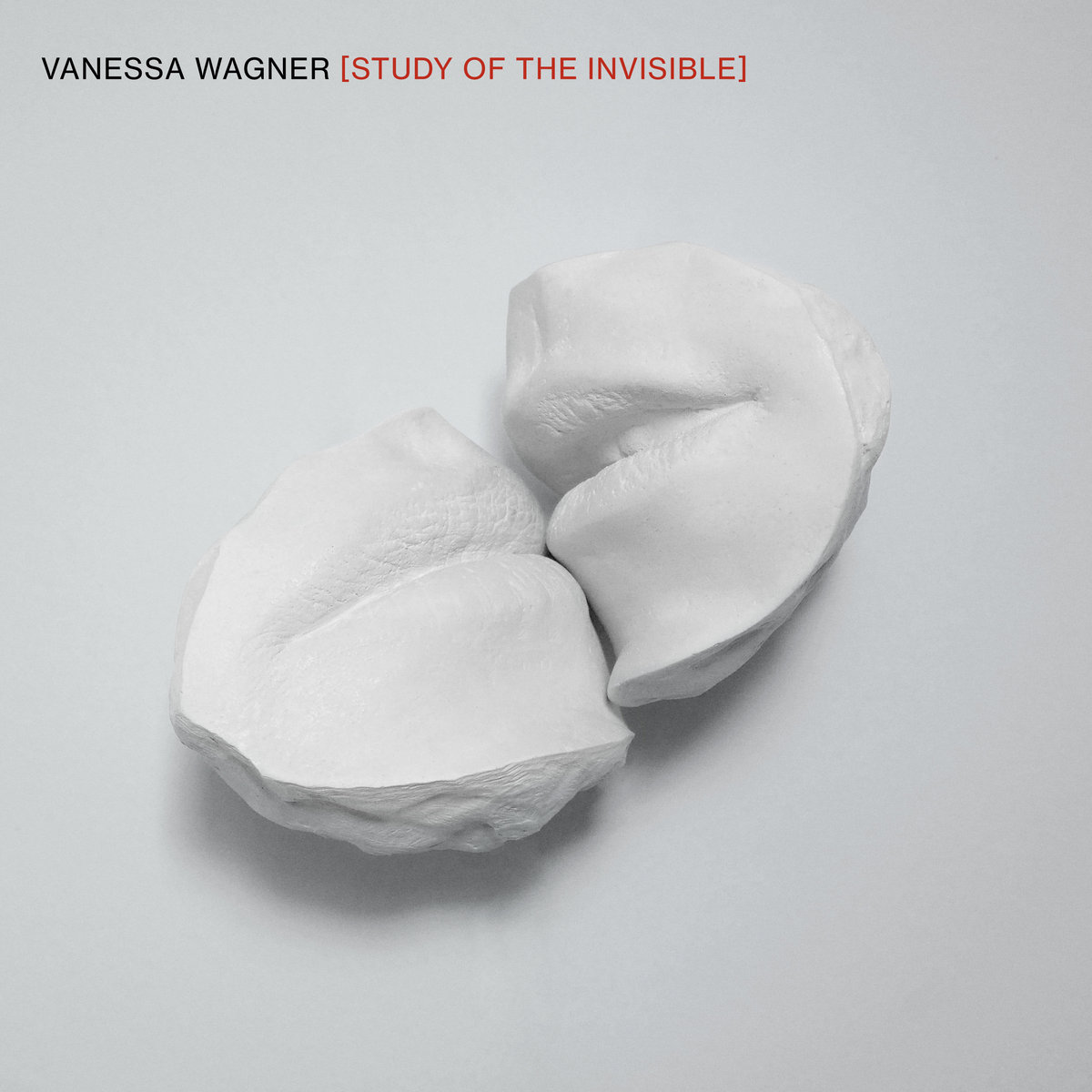
It was another strong year for electronic music of an ambient dimension. Switched On is the area of Arcana concentrating on new music in this area, and without putting too many musical names on these albums, we really enjoyed a good deal of slower stuff. Starting with a single instrument, Vanessa Wagner’s Study of the Invisible (above) made an understated but lasting impression, particularly with Caroline Shaw’s Gustave Le Grey at its heart. Vanessa plays with poise and expression, and this wonderfully curated selection worked so well.
Meanwhile long term favourite Erland Cooper charmed with his pure, still music written to soundtrack the Superbloom installation at the Tower Of London, Music For Growing Flowers (above). Speaking of earthy sounds, Sonic Cathedral gave us twilight wonders from Pye Corner Audio and, with a little more country in the mix, Sunset Dreams from Mark Peters.

At the hottest part of summer, Arthur King’s music was extremely evocative in Changing Landscapes – as was that of Deepchord, making a return to the long player from Detroit with Functional Designs. Steve Davis, meanwhile (yes, that Steve Davis!) was busy enhancing his reputation as part of the electronic trio Utopia Strong and their excellent album International Treasure
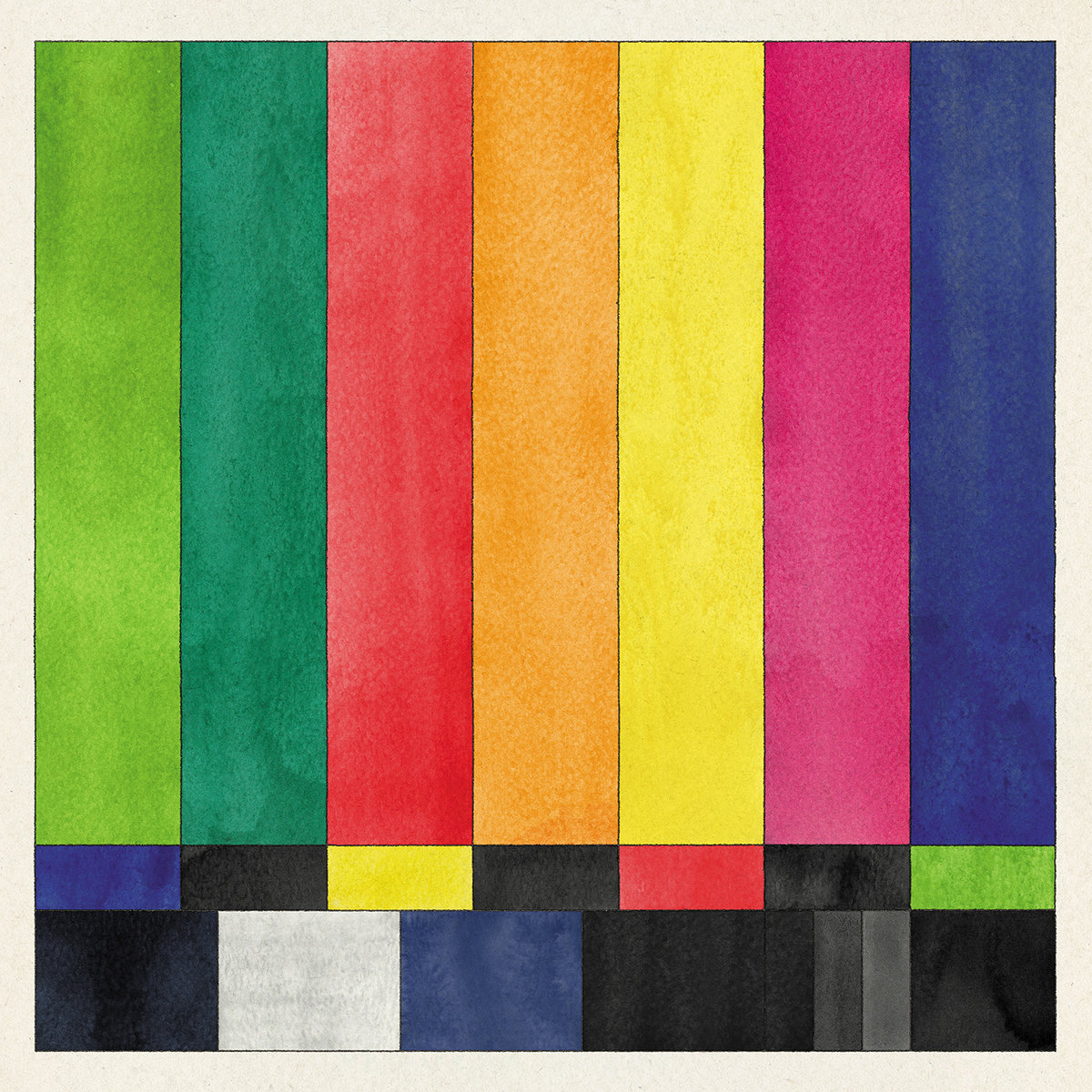
More studied electronica gems should also be shouted from the rooftops – we are lucky to have British artists of the calibre of Bibio, Gold Panda and Plaid, each returning with excellent new albums. Meanwhile Clarice Jensen took her cello as a starting point on new album Esthesis, making music of great colour and descriptive power to counter the onset of lockdown. Also facing the elements head-on was Daniel Avery, whose new album Ultra Truth was a powerful statement indeed:

There were some very strong releases on the classical side of things, as record companies dusted themselves down and started to include orchestral recordings again on their release schedules post-pandemic. Leading the way were the Sinfonia of London under John Wilson, a throwback to the golden age of orchestral recording in their challenging schedules for Chandos. With Hollywood, British and French music all covered, one in particular stood out, with the orchestral music of John Ireland given its rightful place in the spotlight:

Speaking of French music, a charmer from the Orchestre National des Pays de la Loire and Pascal Rophé proved the ideal hot weather soundtrack as it explored orchestral versions of Debussy keyboard works. Their accounts of the Petite Suite, La boîte à joujoux and Children’s Corner were full of colour and character.

This year saw the 150th anniversary of the birth of Ralph Vaughan Williams, one of the finest British composers of the 20th century. Somm Recordings made a memorable tribute by way of the undervalued string quartets, these lovely autumnal works given vibrant performances from the Tippett Quartet.
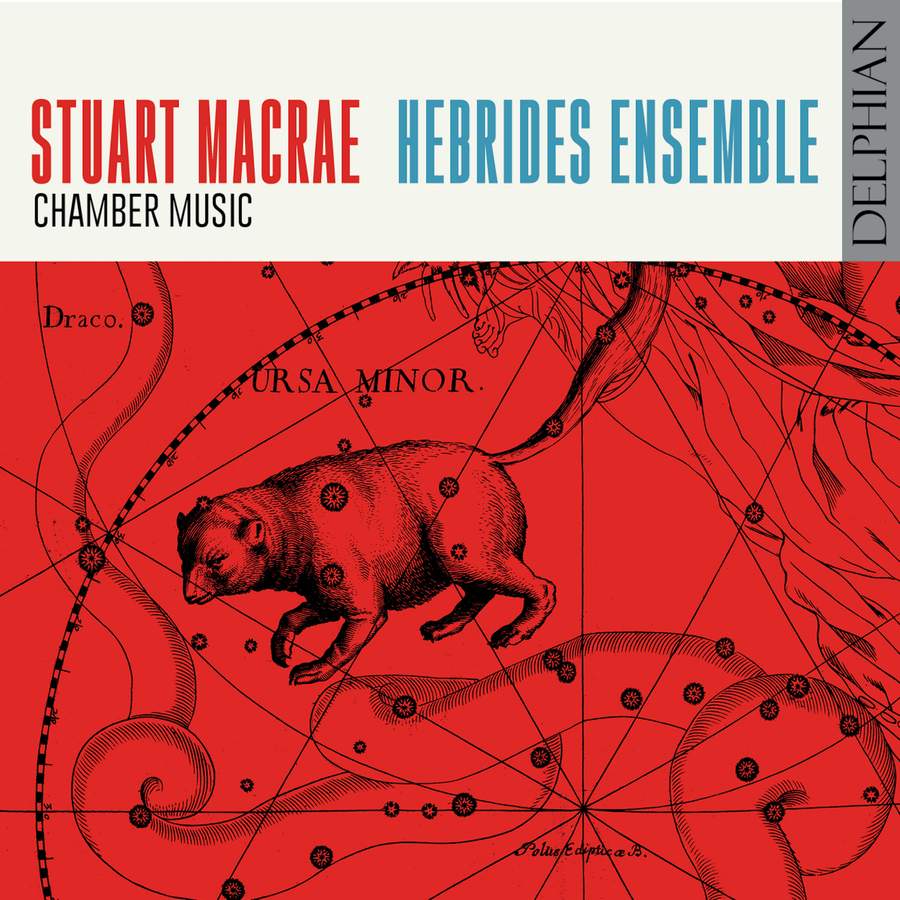
Contemporary classical music put in some very strong appearances this year, and few more than Stuart Macrae, showing off the quality of his chamber music on an album from the Hebrides Ensemble on the excellent Delphian label. We enjoyed a number of online and in-person concerts from the English Symphony Orchestra and Kenneth Woods, which were capped by an outstanding recording of Adrian Williams’ Symphony no.1, a commendable raising of the flag for new British music
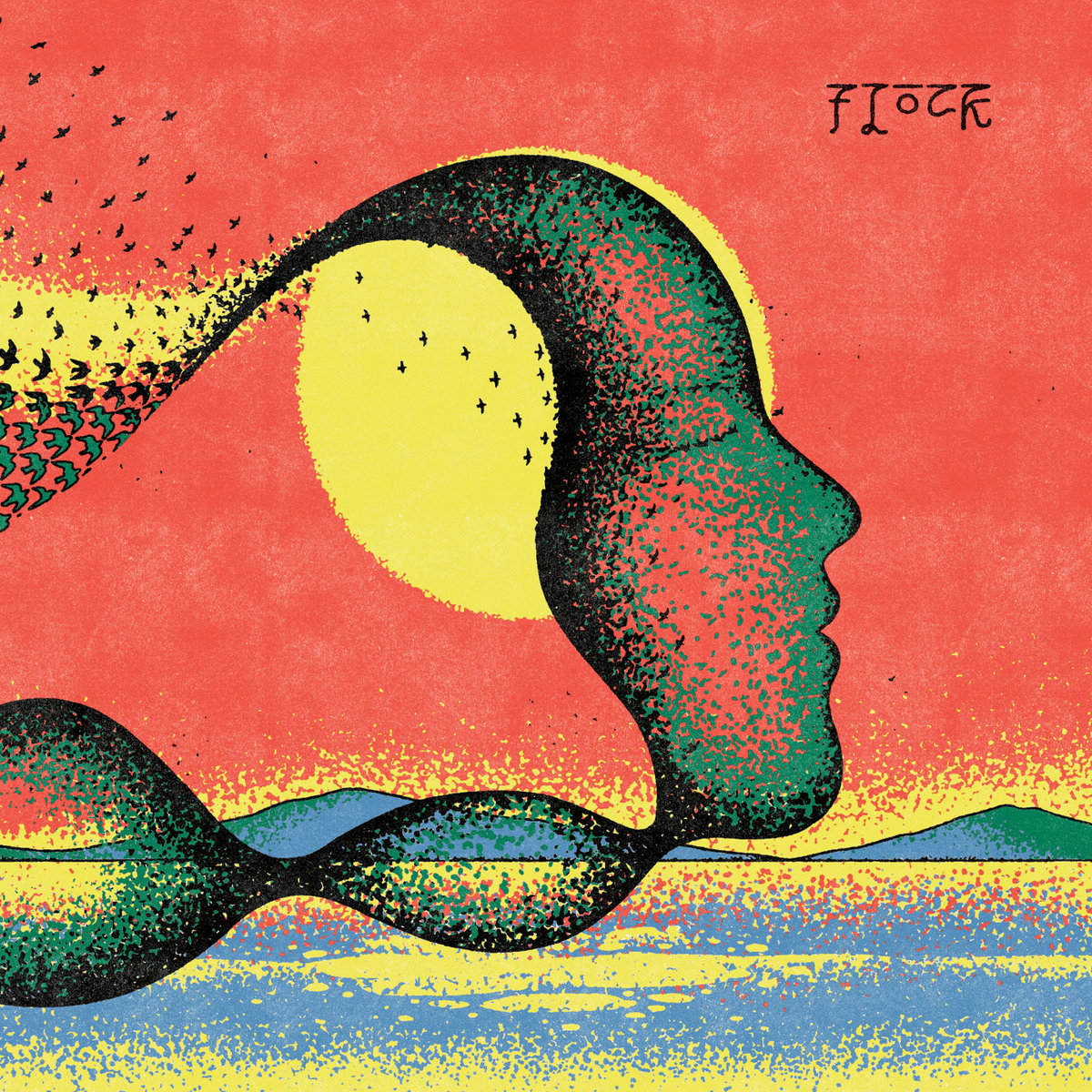
During 2022 we made a couple of visits to the outskirts of jazz, in the company of super group Flocktheir excellent self titled debut – and a triumphant and experimental return from Szun Waves.

On the dancier side of things, Heavenly Recordings excelled themselves this year with no fewer than six collections of remixes! We loved the first two instalments, which acted as a prelude to the utterly essential third and fourth volumes which brought together remixes from the much missed Andrew Weatherall.

The Haçienda celebrated 40 years since its inception with a handsome package from Cherry Red, while the best DJ mix honour goes to Cinthie – her contribution to !K7’s DJ Kicks mix series really was a thing of pure dancefloor enjoyment. So, too, was a John Morales-edited compilation devoted to the art of Teddy Pendergrass, vocalist for Harold Melvin & The Blue Notes.
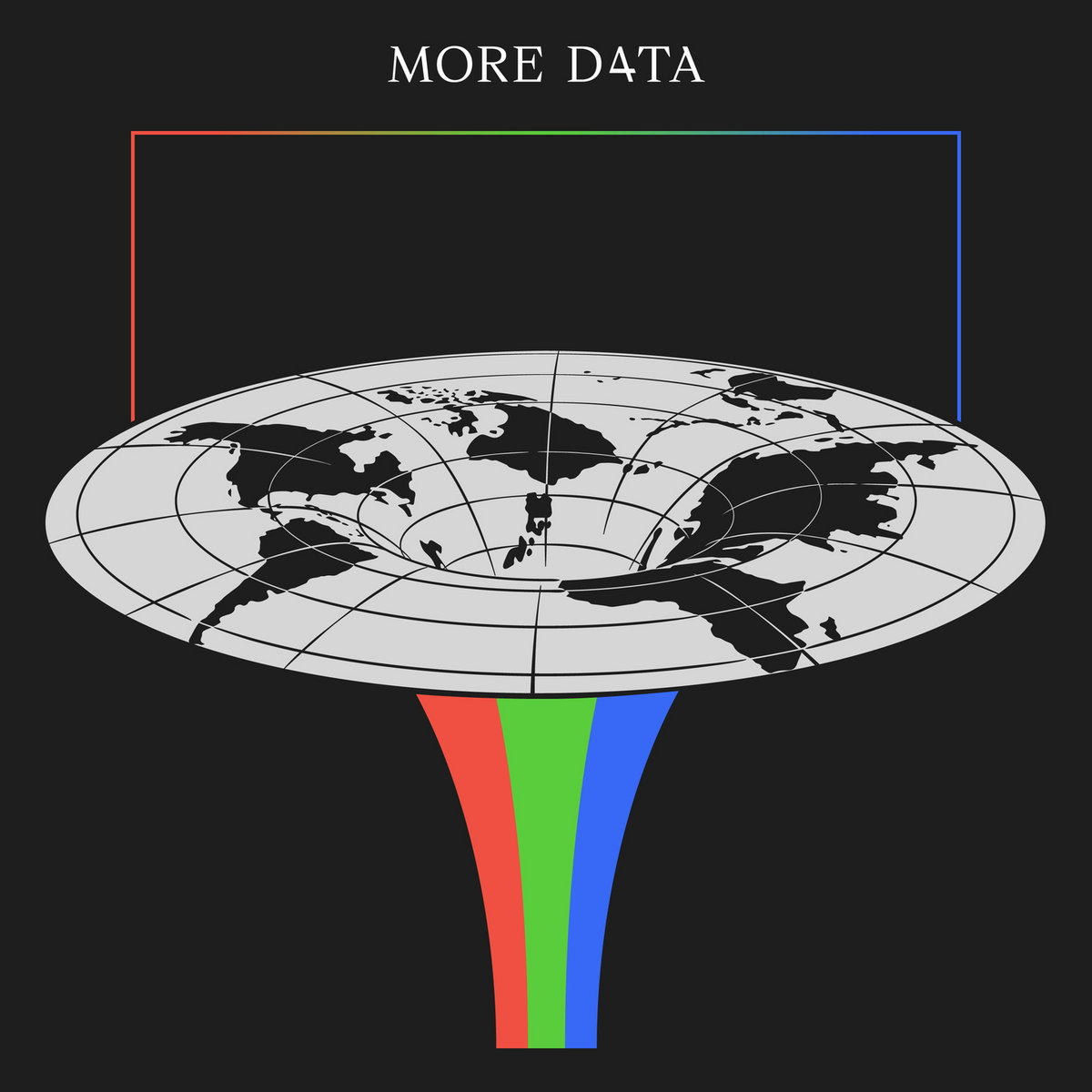
Cultured music for the discerning dancefloor came our way from Au Suisse, a welcome reunion for Morgan Geist and Kelley Polar, and also from Hot Chip, who further explored their emotions with an excellent and heartfelt eighth album. Moderat, returning after a long absence, went more for the jugular with the thrilling More D4ta

With all that said and done, what would an Arcana album of the year look like? Something like this…the most listened to long player of the year in these parts, Fleeting Future – a vibrant offering from Akusmi which channelled all sorts of intriguing influences into something wonderfully original:

We will have a few more reviews to come over this week – but for now, we thank all our readers for your visits and wish you a happy, peaceful and regenerative Christmas holiday season. Oh, and a Happy New Year for 2023!

On Record – Vanessa Wagner: Mirrored (InFiné)

by Ben Hogwood

What’s the story?

Vanessa Wagner has been quick to follow up her March release, Study Of The Invisible, where she thoughtfully compiled an album of modern piano music that might be described as ‘minimal’ but which led to a series of inventive and rewarding compositions, imaginatively sequenced.

Mirrored is a collection of studies for solo piano, largely contemplative spaces that leave plenty of room for meditation and a get-out clause from today’s fast-moving world. Normally a listener might associate piano studies with application of technique; functional pieces rather than emotive; but this collection is very much studies in the form of moods and mental images.

What’s the music like?

Introspective, yet wholly rewarding. Particularly engaging is Wagner’s selection of music by Philip Glass, well-chosen and beautifully played. The Poet Acts is a sombre, thoughtful piece, opening out like an uneasy berceuse. Etude 4 is very different, a turbulent and agitated piece generating a large amount of nervous energy. By contrast Etude 2 is a thoughtful contemplation with a hint of darkness, led as it is by the low left hand, before building to a forceful conclusion.

Ryuichi Sakamoto’s Solitude has a similar profile, though its plaintive right hand melody leads the way. Plaintive is also the word that could be used for Nico Muhly’s Quiet Music, though this has an inner power generated through a soft but meaningful chorale, which makes it sound like a deeply spiritual statement. Melaine Dalibert’s Six + Six has gentle undulations that go on their way in watery figurations, while Sylvain Chauveau adopts a still profile for the simple and meaningful Mineral.

Moondog’s Sea Horses is short but descriptive, an active piece flitting this way and that. A similar freedom is afforded to the right hand in Léo Ferré’s Opus X, where the melody is free to travel up and down in the treble as it wishes.

Does it all work?

It does. Once again Vanessa Wagner has chosen a logical and rewarding sequence of pieces, and her affinity with the music of Philip Glass in particular makes these compelling recordings. She has an unusual and vivid sensitivity for this music, creating many different keyboard colours in the course of the collection.

Is it recommended?

Yes – provided you also have Study Of The Invisible, which is the ideal complement to these pieces.

Listen

Buy

On Record – Vanessa Wagner: Study Of The Invisible (InFiné)

vanessa-wagner-2

written by Ben Hogwood

What’s the story?

Vanessa Wagner returns with a thoughtfully compiled album bringing together a selection of modern piano music that might be described as ‘minimal’. Her concept is to show how new music can still explore the instrument afresh, using the barest of melodic or harmonic material as its stimulus but finding something substantial within.

The selection here includes works by 14 composers, many of them rare and unpublished.

What’s the music like?

This is a really inspired compilation, logically ordered and with a natural rise and fall. In the process of the anthology, Vanessa Wagner shows off a wide range of approaches to the piano, from flowing, watery pieces to more percussive interludes. The music might be predominantly slow but Wagner finds its pressure points and releases its emotional energy in full, showcasing some fine compositions in the process.

The rippling surfaces of Suzanne Ciani’s Rain, first in the collection, are a kind of homage to a Debussy Arabesque. Harold Budd’s La Casa Bruja has a slower, more reflective beauty, as does the Brian and Roger Eno collaboration Celeste. Contrast these with the gently twinkling ivories of Bryce Dessner’s Lullaby (Song for Octave), and the thicker brush strokes of David Lang’s Spartan Arcs.

The two Philip Glass selections range from a sombre, deeply felt Etude no.16 to a staccato Etude no.6 that sounds a bit more like a fly buzzing against the insides of a jam jar. Wagner really gets Glass’s phrasing, and the powerful refrain that the piece returns to is forcefully and brilliantly played. Even more dazzling is the following Etude no.3, ‘Running’, by Nico Muhly, its thrilling discourse brilliantly distilled.

Elsewhere Moondog’s flowing Prelude no.1 in A minor casts its eyes towards the past, while Julia Wolfe’s Earring finds striking sounds in the piano’s upper register. Ezio Bosso’s Before 6 complements the activity of the Glass and Muhly Etudes with almost complete stillness, the effect both meditative and moving.

The most striking of the compositions, however, is the album’s centrepiece. Caroline Shaw’s Gustave Le Grey, based on a Chopin Mazurka, starts with clumps of chords and a solemn, slow bass. From these beginnings the piece progresses to contemplation, lost in thought in its centre before a searing expression of feeling, the piano cutting through in Wagner’s intense interpretation. A sense of pathos is evident at the end, a satisfying resolution.

Does it all work?

Yes, on many levels. What this compilation also does is somehow highlight the importance of the music of Erik Satie, without including any. Much of the music here is both minimal, interesting and emotional, mirroring the older composer’s achievements in his Gnossiennes and Gymnopédies. Wagner plays this music with great feeling and panache.

Is it recommended?

Without hesitation. This is a fine creative project, brilliantly scoped and realised. If you want to discover new piano music, here is a whole album’s worth on which to reflect and enjoy.

Stream

Buy

Switched On – Vanessa Wagner: Study of the Invisible

Take some time out this weekend – three minutes and forty-one seconds to be precise – and enjoy this video, a taster of pianist Vanessa Wagner‘s new album Study of the Invisible.

Released today on InFiné Music, the album is a carefully constructed suite of modern piano music, taking in minimal approaches but casting its net wider to hear from composers such as Caroline Shaw, Julia Wolfe and Harold Budd.

Arcana will carry a full review of the album, and an interview with Vanessa where we discuss the recording of the album and her approach to the piano. For now, though, enjoy the peace and stillness of this video!


You can read more about Vanessa Wagner at her website – and to hear more from the album, listen on by using the Bandcamp link below:

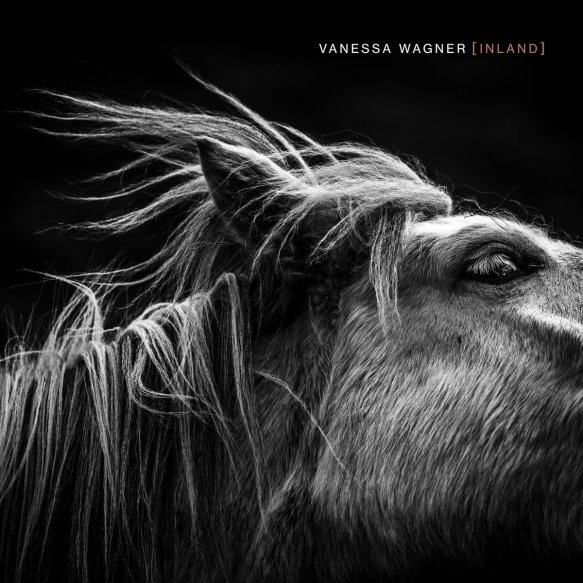
On Record – Vanessa Wagner: Inland (InFiné)

What’s the story?

After her Statea collaboration with Murcof, Vanessa Wagner turns to solo piano for this substantial anthology of pieces with a minimalist slant. It is a broad selection, from the established coffee shop soundtracks of Michael Nyman through to longer pieces by Gavin Bryars, Hans Otte and Pēteris Vasks. Wagner brings together different approaches from either side of the Atlantic, and in doing brings up a half century of albums for French label InFiné.

What’s the music like?

The key to the success of this album is in the planning. By bringing together different approaches Wagner keeps the interest level high, from short but poignant pieces such as Moondog’s Für Fritz (Chaconne in A minor) to Otte’s Das Buch der Klänge, Pt. 2, which has a tonal base but ventures quite a long way harmonically, as its ripples get more pronounced. The pronounced statement at the end serves of a reminder of the influence of Janáček on this area of music.

There are two pieces from Bryce Dessner, with Ornament 3 especially animated, bringing suggestions of Sibelius. The Etude no.9 of Philip Glass drives forward obstinately, its kinetic energy bracing if slightly clinical, but this is complemented by the short but descriptive Railroad (Travel Song) from Meredith Monk. If Michael Nyman’s The Heart Asks Pleasure First inevitably conjures up visions of an Italian coffee chain in the early morning, it is still given extra freshness here, Wagner giving Nyman’s arpeggios a flowing sweep and a really nice sense of space.

Gavin BryarsRamble On Corona hits some deeper set emotions as it works out, reminiscent of the Spanish composer Mompou in its pairing of intimacy and space, while Nico Muhly’s Hudson Cycle has a lovely, lilting syncopation that rocks gently.

The best is saved for last, however, the Latvian composer Vasks really casting a spell with the stillness and poise of Baltâ ainava (White scenery), a cold excerpt from his substantial piano suite The Seasons, serving as one of those ‘last pieces before sleep’.

Does it all work?

Yes, very well indeed. Wagner has a very sympathetic ear for music that has plenty to offer, getting to the nub of its meditative qualities but bringing out its positive energy too. Each composer holds their own, the result an authoritative and accurate look at piano music in the 21st century, showing how it is possible to write with both simplicity and substance.

Is it recommended?

Yes, in all sorts of different musical directions! Recommended to fans approaching from the more ordered classical direction of Reich and Glass, but also to those coming in from the more electronic approaches of Nils Frahm and Murcof.

Stream

Buy