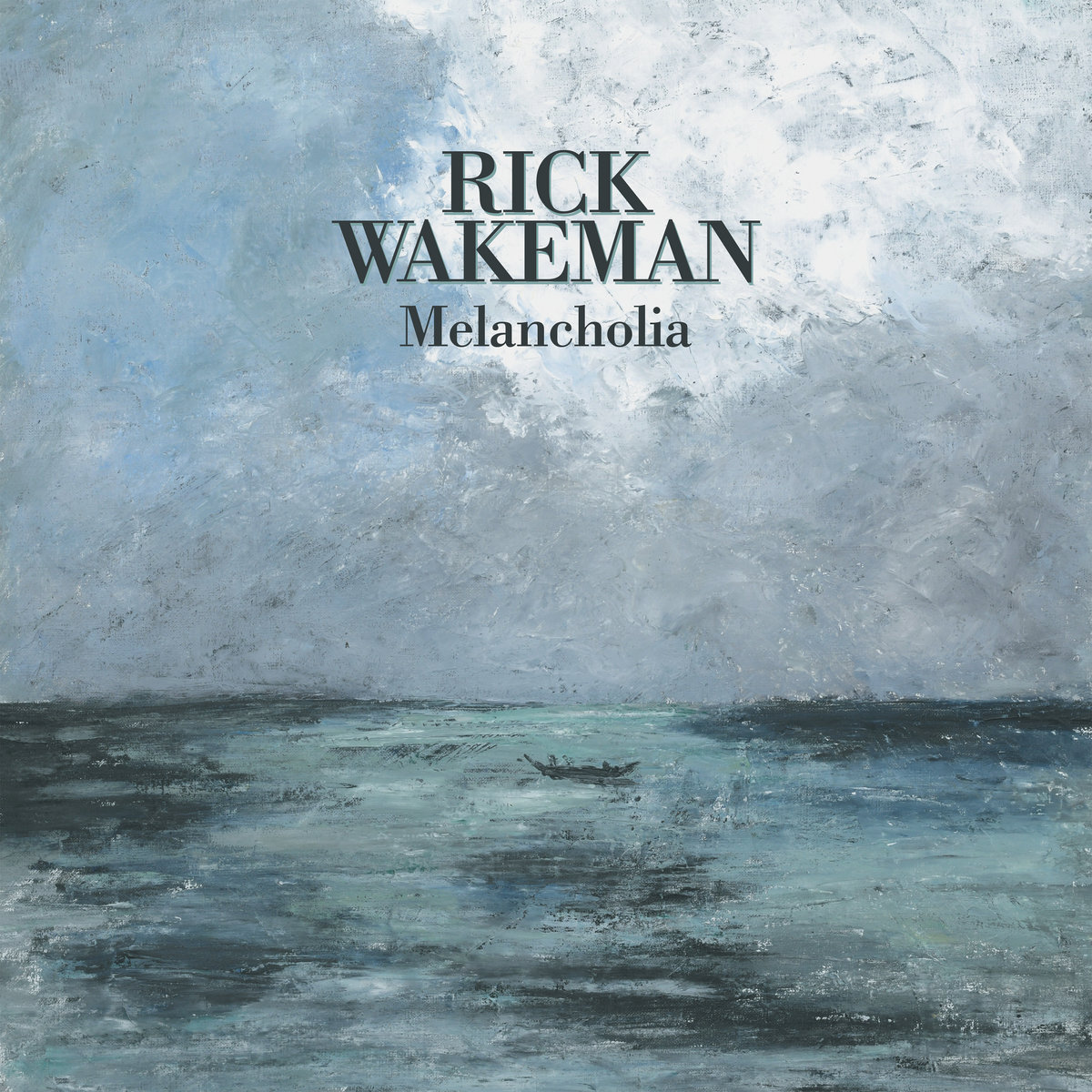
On Record – Rick Wakeman: Melancholia (Madfish)

by Ben Hogwood

What’s the story?

In the last ten years, we have had much more of an insight into Rick Wakeman’s world as a solo musician. These glimpses are afforded us through the albums Piano Portraits and Piano Odyssey, the start of a trilogy now completed by Melancholia.

Yet there is a greater personal edge to this particular set, started by Wakeman’s wife Rachel who was struck by hearing Rick playing privately and encouraged him to share his musical thoughts. The music she heard would become the track Garo, while the other eleven tracks on the album follow a similar, semi-improvised tread.

The music follows Wakeman’s train of thought, a clear thread running through each piece.

What’s the music like?

Melancholia is easy listening – which is of course both a blessing and a curse. If you listen closely, it is possible to tap into Rick’s mostly reflective moods, and admire the way he develops the source material. Clearly this is a master musician at work, the feeling being that we are eavesdropping on an advanced practice session where Wakeman takes us through his intimate thoughts and feelings.

Yet this does also work as a disadvantage, for the music falls effortlessly into the ‘peaceful piano’ section of any digital playlist. This is great for passive listening of course, but it means some of the deeper meanings within the music can be lost, especially given the similarity between the colours on each track.

Wakeman plays with elegance and attention to detail, with some lovely little ornamentations that have become second nature to him, rather like bringing a Bach invention to the table. Pathos is nicely turned, while Alone is led by an attractive melody. Watching Life has a satisfying balance of light and shade, while the title track fades into the distance, leaving room for thought at the end.

Does it all work?

Yes, providing the caveats above are taken into account.

Is it recommended?

It is – though anyone expecting the physical energy Wakeman brings to most of his keyboard playing will find it channelled for inward thoughts only here. Melancholia does, though, reinforce Rick Wakeman’s status as one of the most versatile British keyboard and piano players around.

Listen / Buy

Published post no.2,751 – Wednesday 16 December 2025

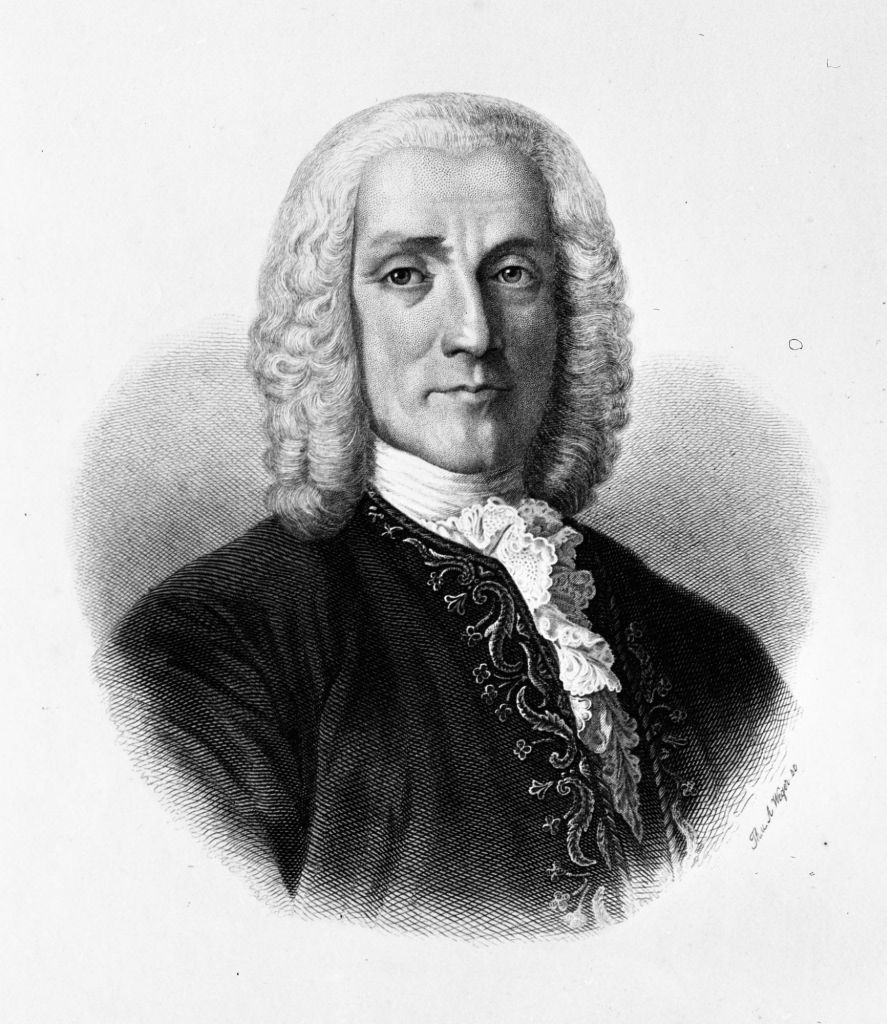
On this day – the birth of Domenico Scarlatti

Picture: used courtesy of Wikipedia

by Ben Hogwood

Earlier in the week we marked 300 years since the birth of Alessandro Scarlatti..and now we switch attention to his son Domenico, born 340 years ago today.

Domenico was a prodigious composer of keyboard sonatas, a form he helped revolutionise. Here are some in excellent versions from Anne Quéffelec:

ublished post no.2,695 – Thursday 22 October 2025

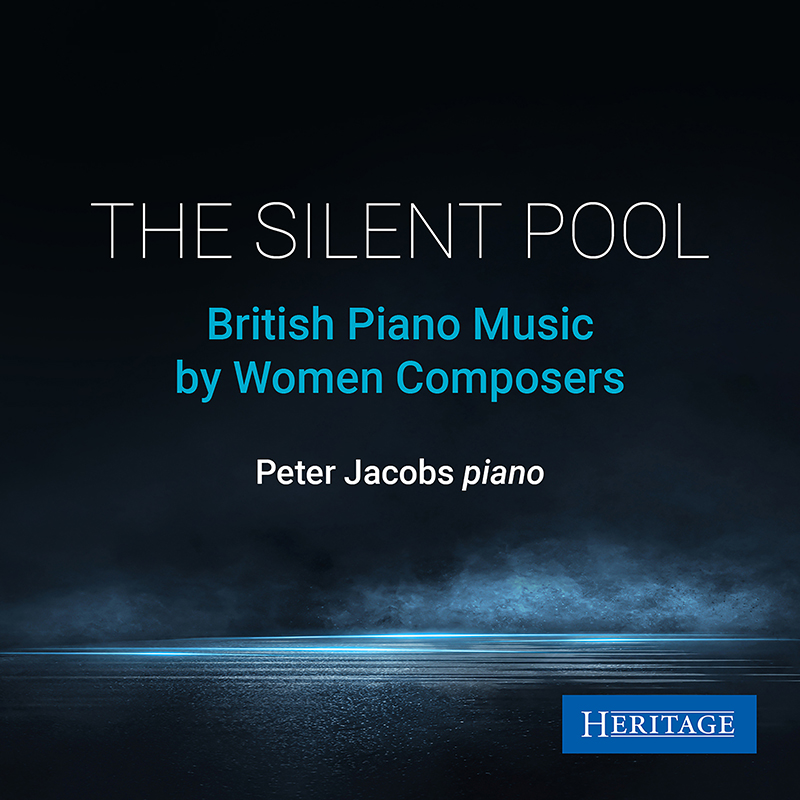
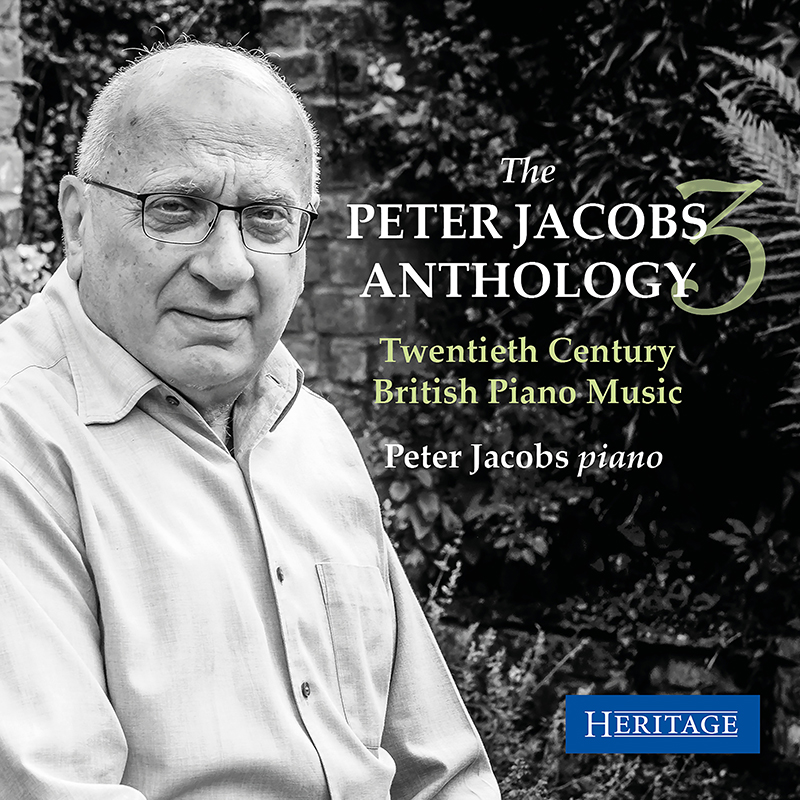
On Record – Peter Jacobs: The Silent Pool: British Piano Music by Women Composers (Heritage Records)

Peter Jacobs (piano)

Smyth Piano Sonata no.3 (1877); Piano Sonata no.2 (Andante) (1877)
Maconchy A Country Town (nos. 1, 3, 4, 5 & 7) (1945)
Williams The Silent Pool (1932)
Grime The Silver Moon (2025)
Dring Colour Suite (1963)
Bingham The Moon Over Westminster Cathedral (2003)
Woodforde-Finden Indian Love Lyrics (nos.2 & 1) (1903)
McDowall Vespers in Venice (2002)
Bingham Christmas Past, Christmas Present (1991)
Roe A Mystery of Cats (nos. 1, 4 & 5) (1994)
Beamish Lullaby for Owain (2016)
Da Costa Gigue; Moods (both 1930)
Lehmann Cobweb Castle (nos. 2 & 5) (1908)

Heritage Records HTGCD126 [75’40”]
Producer / Engineer Paul Arden-Taylor

Recorded 16 September 2024 & 26 January 2025 at Wyastone Concert Hall, Wyastone Leys, Monmouth

Reviewed by Richard Whitehouse

What’s the story?

Peter Jacobs continues his productive association with the Heritage label with this anthology that takes in a well-planned overview of piano music by female British composers, ranging across over more than 130 years of creativity in an impressive variety of idioms and genres.

What’s the music like?

Although female composers had been active in the UK from the outset of the English Musical Renaissance and before, relatively few came to prominence during their lifetime, with many others destined to be rediscovered only years and sometimes decades after their death. While hardly the first of its kind, the present collection is among the most representative in terms of its stylistic coverage which, in turn, underlines they should not be pigeon-holed any more than their male counterparts. Moreover, what was the loss to earlier generations is our gain today.

This recital opens with the redoubtable Ethel Smyth – her Third Piano Sonata contrasting the equable motion of its initial Allegro with the impetuous manner of its closing Allegro vivace. From its larger scale predecessor, the central Song Without Words affords ruminative space between the dynamism and tensions of those movements either side. Of the five (out of nine) pieces in Elizabeth Maconchy’s suite, the eloquent Lament and limpid Bells are especially appealing. Grace Williams is at her most haunting in the piece as gives this collection its title, and Helen Grime pens a miniature stark yet pellucid. Among the most versatile composers of her generation, Madeleine Dring is represented here by a five-movement themed suite which includes such delights as the quizzical Pink Mirror or the appropriately sensuous Blue Air. Judith Bingham may be best known for her choral and brass band music, but there is nothing unpianistic about so translucently textured a nocturne.

Two of Amy Woodforde-Finden’s four-piece suite include the elegant poise of Less than the Dust, while Cecilia McDowall sounds a note of spatial immensity in her Venetian evocation. The four pieces of her Christmas suite find Bingham pursuing an altogether more winsome vein of expression – duly complemented by three out of five whimsical feline homages by Betty Roe, happily still going strong in her 96th year. Sally Beamish contributes a (surprisingly?) capricious lullaby, with two pieces by the short-lived Raie da Costa typifying her witty and sassy manner. The wistful charm of Liza Lehmann, two of six pieces from her only piano suite, affords an elegant then touching envoi.

Does it all work?

As an overall sequence, absolutely. At around 75 minutes, this concert-length recital can be enjoyed as a continuous sequence or in any number of selections. It helps when Jacobs is so persuasive an exponent of this music, much of it remaining little known other than to pianists with his breadth of sympathies but which ought to find an audience given exposure in a live context. As he himself notes, this “random selection [is] united by being rewarding to play, beautifully written for the instrument, varied in style and intellectual depth”. Enough said.

Is it recommended?

It is. Piano sound is as full and spacious as expected given its Wyastone source, while Jacobs contributes laconically insightful notes on the recital overall. Most enjoyable, with hopefully enough material in this pianist’s “library of over 60 years collecting” to warrant a follow-up.

Listen / Buy

You can read more about this release and explore purchase options at the Heritage Records website

Published post no.2,682 – Thursday 9 October 2025

On Record – Duncan Honeybourne: Thomas Pitfield Piano Music (Heritage Records)

Thomas Pitfield
Toccata (1953)
Solemn Pavane in F minor (1940)
Circle Suite (1938)
Capriccio (1932)
Diversions on a Russian Air (1959)
Novelette no.1 in F major (1953)
Bagatelles – no.1 in E flat major (1950); no.2 in C major (1952); no.3 in F major (c1995)
Impromptu on a Tyrolean Tune (1957)
Two Russian Tunes (1948)
Sonatina no.2 (c1990)
Five Short Pieces (1932)
Prelude, Minuet and Reel (1932)
Little Nocturne (c1985)
Humoresque (1957)
Homage to Percy Grainger (1978)
Cameo and Variant (1993)

Duncan Honeybourne

Heritage Records HTGCD132 [68’40”]
Producer / Engineer Paul Arden-Taylor

Recorded 7-8 September 2024 at Wyastone Concert Hall, Wyastone Leys, Monmouth

Reviewed by Richard Whitehouse

What’s the story?

Heritage continues its coverage of Thomas Pitfield (1903-99), following a reissued volume of chamber music (HTGCD210)) with this well-rounded and representative overview of his piano output, performed with his customary flair and conviction by Duncan Honeybourne.

What’s the music like?

The programme launches in fine style with a Toccata whose sheer rhythmic incisiveness and unforced joie de vivre makes it an ideal encore, and to which the pensive understatement of Solemn Pavan affords pertinent contrast. Written as homages to (and likely evocations of) a close-knit group of musical colleagues, The Circle Suite draws on Baroque dance forms in characterful and always personable terms; while the Capriccio underlines that, throughout his composing, Pitfield allied a deft pianistic technique to a highly appealing musical voice.

Centred on a Russian folksong ‘The Blacksmith’, no doubt conveyed to the composer by his Russian wife, Diversions on a Russian Air packs a diverse range of variants into its modest duration, while the Novelette (at 4’36’’ the longest single item here) unfolds as a rumination audibly in the English ‘pastoral’ tradition. Although they were not written concurrently, the Three Bagatelles amount to an effective sequence – their respectively nonchalant, capering then genial demeanours evoking more than a touch of early 20th century French influence.

The Central European-ness of Impromptu on a Tyrolean Tune makes it surprising this lively tune was encountered in a collection housed at a stately home in Chesire, while Two Russian Tunes comprise a playful ‘Nursery Song’ and plaintive ‘Cossack Cradle Song’. Actually, the third of three such works, the Second Sonatina separates its lively Allegro and rumbustious Finale with a ‘Threnody’ as finds the composer at his most confiding, whereas the engaging Five Short Pieces are pithy miniatures whose pedagogical function is anything but didactic.

Prelude, Minuet and Reel was Pitfield’s earliest success and has (rightly) retained a degree of popularity through its melodic insouciance and rhythmic verve. From among the remaining four pieces, Little Nocturne is most likely an intimate reflection from its composer’s old age, while Humoresque contrasts its expected levity with a surprisingly plangent middle section. Homage to Percy Grainger is a ‘take off’ idiomatic and engaging, while the alternate poise then suavity of Cameo and Variant rounds off this collection in the most disarming fashion.

Does it all work?

It does, accepting those formal and expressive limits within which Pitfield operated. For all that his performers comprised a significant roster of pianists (among them John Ogdon and John McCabe), this is music written for the composer’s pleasure and it eschews profundity without thereby lacking in depth. That he was invited to record this selection by the Pitfield Trust and researched the manuscripts at Manchester’s RNCM says much for Honeybourne’s dedication to the Pitfield cause, reinforced with playing of unfailing perception and finesse.

Is it recommended?

It is and not least as these pieces, few of them previously recorded, offer much of interest to performers and listeners alike. John Turner contributes extensive notes while Honeybourne adds his own observations, enhancing a release that warrants the warmest recommendation.

Listen / Buy

You can read more about this release and explore purchase options at the Heritage Records website

Published post no.2,577 – Friday 27 June 2025

New music – Vanessa Wagner: Philip Glass – Étude no.14 (InFiné)

by Ben Hogwood, edited from the press release

Vanessa Wagner has today revealed the next instalment of her forthcoming album release of Philip Glass Etudes, due for release on 13 July from the InFiné label.

“After more than thirty years spent playing, interpreting, and working on the great repertoire, Philip Glass’s music has, in a way, almost revolutionized my life as a musician,” confides Vanessa Wagner.

The label describe how “in Etude no.14, so often filed away as a mere “transitional” study, Wagner uncovers a central engine of Glass’s language: the art of turning motif into living gesture, pattern into emotion, structure into an open-ended form.”

Published post no.2,538 – Tuesday 20 May 2025