
In concert – Johan Dalene, Andreas Brantelid & Christian Ihle Hadland @ Wigmore Hall: Korngold & Ravel

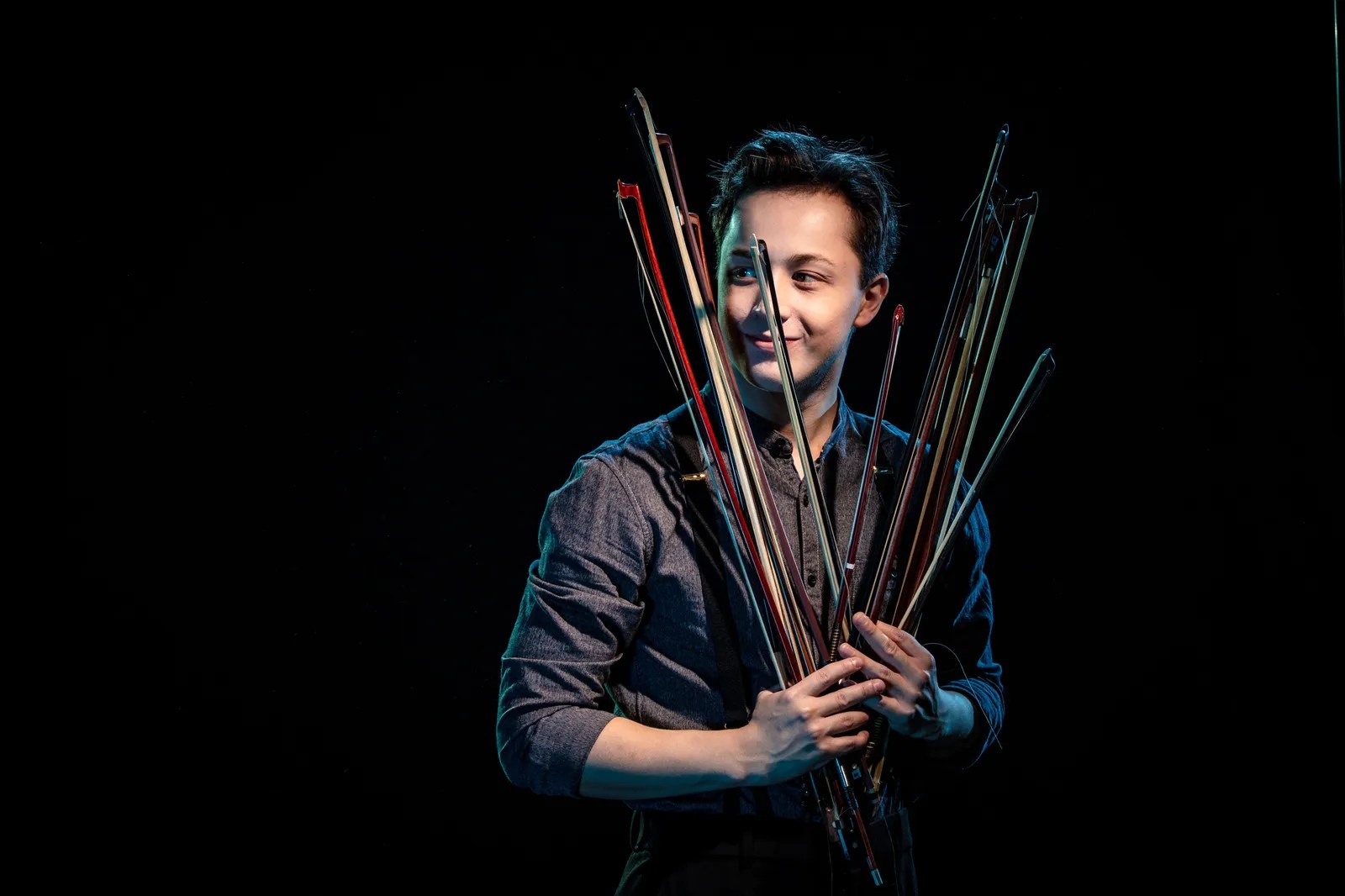
Johan Dalene (violin, above), Andreas Brantelid (cello, bottom), Christian Ihle Hadland (piano, middle)

Korngold Piano Trio in D major Op.1 (1909-10)
Ravel Piano Trio in A minor (1914)

Wigmore Hall, London
Monday 7 July 2025 (1pm)

by Ben Hogwood

With the BBC New Generation Artists scheme reaching its quarter century earlier this year, we had a timely reminder of its legacy in the shape of this high-powered BBC Radio 3 Lunchtime Concert at the Wigmore Hall. All three artists record for the BIS label, and on this evidence it is to be hoped the three will form a lasting trio, for they have an obvious and enduring musical chemistry.

The concert began with the first published work of Erich Wolfgang Korngold, a child prodigy in the same line as Mozart and Mendelssohn before him. While his Piano Trio in D major Op.1 is dedicated to his father Julius, who was a forceful influence on his son’s writing at this point, to have written such an accomplished work is simply remarkable. The work’s rich harmonies and searching melodies explore new possibilities while revering past traditions, a Viennese work written through the eyes of a young composer showing off his agility and expressive potential.

The trio can be elusive on occasion, with a lot packed into its four movements. On occasion the young composer appears to be trying out variants of a modern Viennese style, which comes to him naturally along with an awareness of developments in France. Fauré is a notable influence; so too Brahms and Richard Strauss; and these, mixed with youthful passion, make a heady concoction.
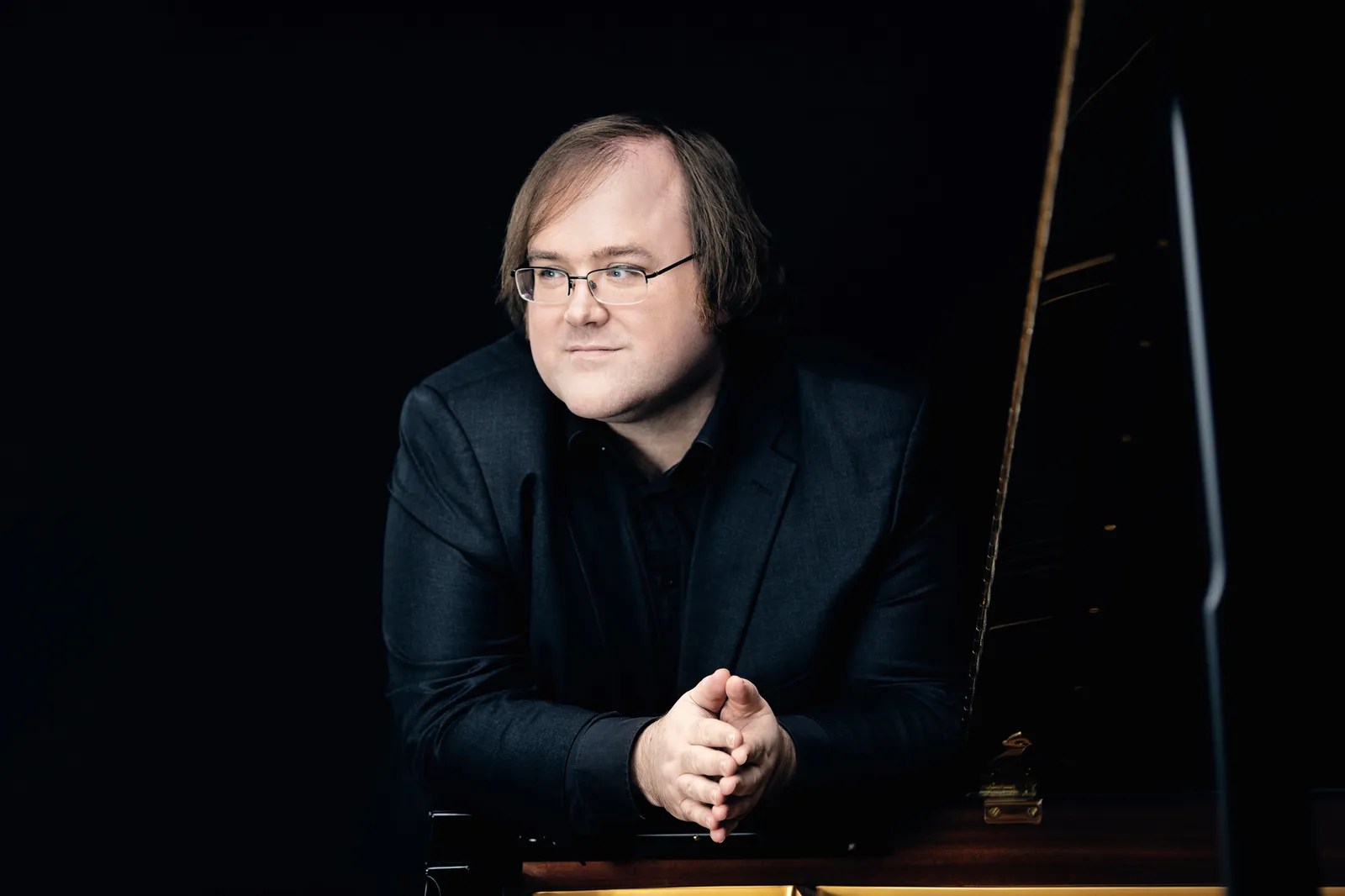
That this performance succeeded owed much to the dexterity and balance of pianist Christian Ihle Hadland, bringing clarity to the second movement Scherzo where Korngold’s thoughts are not always finished before moving onto the next melody. Johan Dalene gave room to the fervent Larghetto, bringing out its thoughtful side with a pure tone in the higher violin register. Meanwhile the strength of the finale was bolstered by its longer sentences, adhering clearly to the energico of its marking but with Dalene and cellist Andreas Brantelid finding perfect melodic unison. All three players enjoyed Korngold’s oblique approach to the final cadence, signing off with some panache.

Ravel’s Piano Trio in A minor was in his mind for some time before writing, though once composition began it did so with great urgency, the composer aware that the First World War was imminent. Hadland was superb throughout this interpretation, the crystalline quality given to the piano’s chords setting the tone for the whole work. Dalene responded with a sweet melancholy to the second theme, while the trio’s white-hot energy and virtuosity in the fast ensemble passages was something to behold.
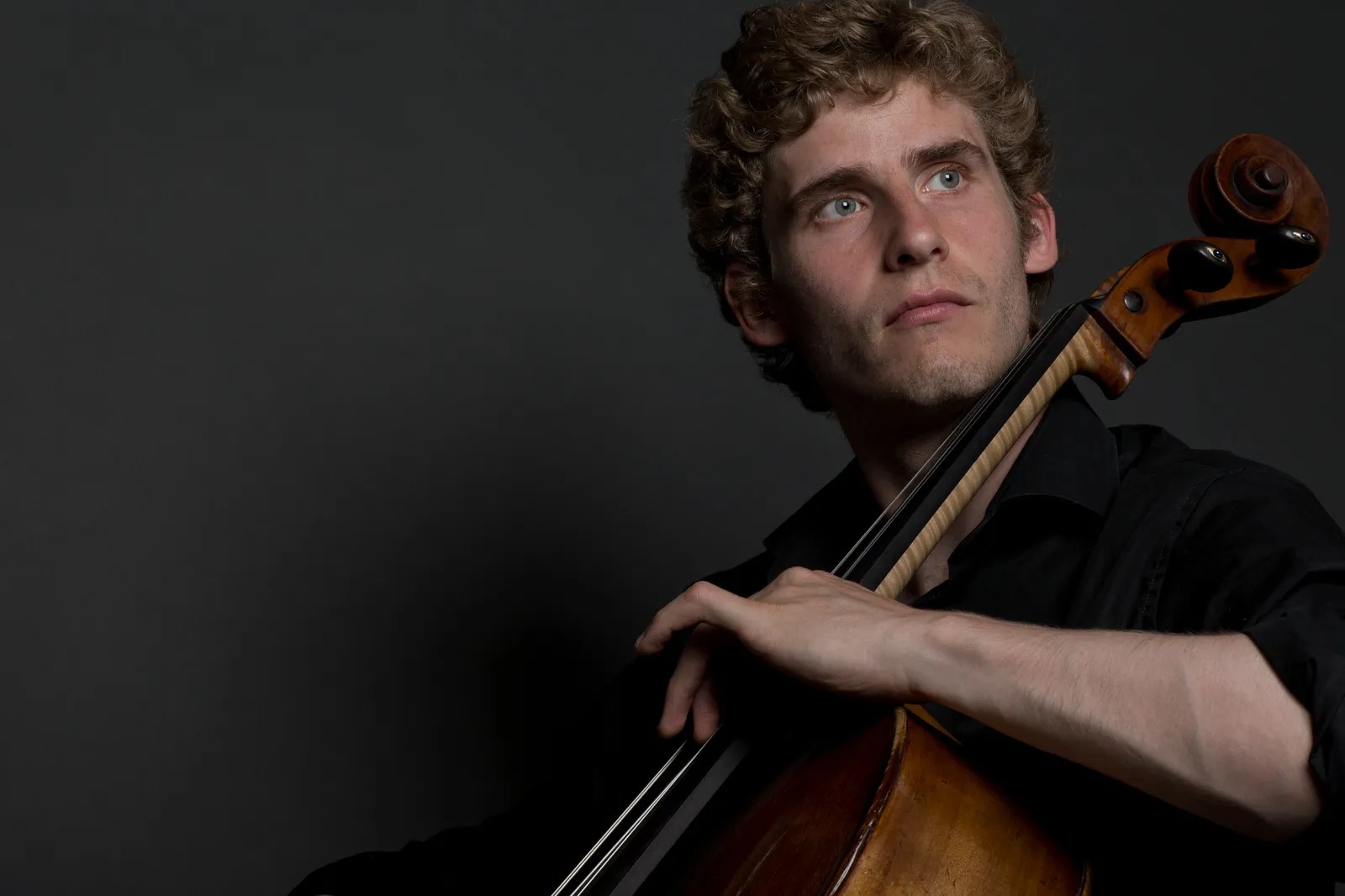
They also relished the cross rhythms of the Pantoum, given with some exotic colours as Ravel’s mind became distracted by thoughts and the musical language of the Far East. Those were even more apparent in the language of the Passacaille, the threat of war now prescient in the hollow left-hand line of the piano, picked up by Brantelid as though intoning a Gregorian chant. This thoughtfulness and relative darkness gave way to a brilliant burst of light in the harmonics opening the finale, where again the trio reached energetic highs amid bold and clear ensemble statements. Hadland’s mixture of precision and power proved ideal for Ravel, helped by a similar approach from both string players, all three sweeping all before them in the convincing closing bars.

These were performances to cherish, while thought provoking in their proximity to the War where Korngold raised money as a regimental band leader and composer while Ravel approached the front line as a munitions lorry driver.

Listen

You can listen to this concert as the first hour of BBC Radio 3’s Classical Live, which can be found on BBC Sounds until Wednesday 6 August.

Published post no.2,589 – Tuesday 8 July 2025
In appreciation – Mark Snow

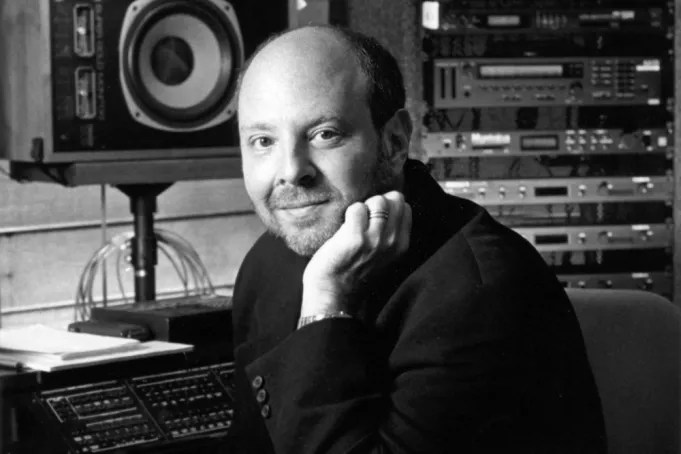
by Ben Hogwood Photo (c) The Film Society

Last week we learned the sad news of the death of American composer Mark Snow.

Snow had an impressive body of work, including music for Blue Bloods and Ghost Whisperer from more recent years, and even work for isolated episodes of Starsky & Hutch, Dynasty and Cagney & Lacey.

Yet it is Snow’s work for The X-Files that brought him to the attention of small screen viewers, specifically the wonderful main theme, with its promise of life from other planets.

Listen closely to each episode, however, and you’ll see how Snow shapes the unfolding drama through his darkly coloured music. Below is the main theme to The X-Files, and a selection of music from the series, released in 1996 and titled The Truth And The Light:

https://tidal.com/browse/album/294285?u

Published post no.2,588 – Monday 7 July 2025

On this day – Rodrigo Concierto de Aranjuez & Fantasía para un gentilhombre

by Ben Hogwood

Today marks the anniversary of the death of composer Joaquin Rodrigo in 1999, at the age of 97.

Rodrigo can claim to have written one of the 20th century’s most popular pieces, the Concierto de Aranjuez, for guitar and orchestra. The concerto’s Adagio is especially treasured, and can be heard at the heart of this performance:

Another popular Rodrigo piece is the Fantasía para un gentilhombre, also for guitar and orchestra:

Published post no.2,587 – Sunday 6 July 2025

Switched On – Various Artists – Place: Toronto curated by Ciel (Air Texture)

by Ben Hogwood

What’s the story?

Air Texture’s new Place series is a brilliant initiative, the label describing it as “a location specific electronic music compilation series where all proceeds are donated to local groups working on important causes in that area such as environment, human rights, conflict aid, and support. The goal is to build a global network of music producers bringing important issues to the electronic music community and world at large.”

It certainly looks like being a source of interesting and vibrant electronic music, judging by the ten destinations the series has already visited. The eleventh falls under the wing, of Ciel, born in China but based in Canada. She is a highly respected producer, DJ and head of the Parallel Minds label – as well as a campaigner for equality and social justice in electronic music.

What’s the music like?

Inventive and intriguing. With a wide range of beat-driven inventions, Ciel has picked 23 complementary productions.

The highlights include Ninechecker’s Frequency Jumping, a really good broken beat track, while Siviyex’s Decals Of Vedici is an effective combination of glitchy beats and woozy vocal snippets. Meanwhile Chambly, by MIASALAV, could almost be a good Lo Fidelity Allstars offcut. Ana Luisa & Geezr’s Bahracas puts its foot down, while the riff for Moon King’s Reverse Imaging hovers beautifully, its elements reminiscent of early Warp records.

Meanwhile Cosmic JD’s Hi Sensei and Yohei S’s Skatter bubble with invention over an upright beat, with the percussive approach taken further by Ficilio’s Alba, a really effective piece of fast-slow dub. Emissive packs a good deal of ambient energy into No Envo, which casts a lingering glance back at the 1990s, before heavier beats kick in with Generator’s Freaky 2nite.

Does it all work?

Much of it does – though be aware that the customary immersive ambience you might anticipate from an Air Texture compilation is not to be found in the energetic beats and lively percussion on offer here!

Is it recommended?

It is, in spite of the above. Quite apart from being a good cause, the compilation is a great source of discovery and packed with good things.

Listen / Buy

Published post no.2,586 – Saturday 5 July 2025

On Record – Parry Karp, BBC National Orchestra of Wales – Bloch: Schelomo & Suite (Signum Classics)

Ernest Bloch
Schelomo (1918)
Suite for Viola and Orchestra (1919; arr. Rejtő/Baller, 1969)

Parry Karp (cello), BBC National Orchestra of Wales / Kenneth Woods

Signum Classics SIGCD932 [60’58”]
Producer Phil Rowlands Engineer Andrew Smilie

Recorded 29-30 July 2024 at BBC Hoddinott Hall, Wales Millennium Centre, Cardiff

Reviewed by Richard Whitehouse

What’s the story?

Signum Classics issues its first release devoted to Ernest Bloch (1880-1959), comprising what is his best-known work alongside a piece that receives its first recording in a version for cello and orchestra – making for a representative introduction to this now under-appreciated figure.

What’s the music like?

Considered in his lifetime to be on a par with such contemporaries as Bartók and Stravinsky, Bloch duly suffered that almost inevitable falling off of reputation from which his music has never quite recovered, but almost all his major works have now been recorded and often on several occasions. Among his sizable output, those with a concertante element are especially notable for their redefining the relationship between soloist and orchestra as holds good for the present works, written as they were either side of the composer’s emigration to the USA.

Its title might translate as Solomon, but Schelomo is by no means a portrait of the Biblical monarch nor is the solo part merely a ‘translation’ of lines from Ecclesiastes such as Bloch had initially intended to set. This ‘Hebraic Rhapsody’ is the last and most representative, if not necessarily the finest, of his Jewish Cycle, its three contrasting sections amounting to a concerto (or maybe a Konzertstück) in terms of their encompassing a gradually cumulative ‘exposition’, then an impulsively tense ‘development’ whose impassioned climax subsides into a ‘reprise’ which takes in a musing accompanied cadenza prior to the starkly fatalistic close. Parry Karp is a perceptive interpreter – one who never over-emphasizes its eloquence or rhetorical overkill, while rendering the piece as a cohesive and an audibly unified whole.

Conceived for viola and piano, the Suite was orchestrated soon afterward then arranged for cello a half-century on by cellist Gábor Rejtő and pianist Adolph Baller. The layout, though not so integrated as to make it a concerto, is none the less striking. Its lengthy initial Lento (originally entitled ‘In the Jungle’) pits soloist against orchestra in a fantasia-like evolution that finds effective contrast in an alternately capricious and ruminative Allegro ironico, then the songfulness of an equally compact Lento; its searching inwardness pointedly dispelled by the lively and playful Molto vivo which brings about an affirmative conclusion. Karp is fully attuned to its understated charm and Kenneth Woods, who directed the likely premiere of this version in 2008, secures playing of sensitivity and imagination from the BBC NOW.

Does it all work?

Almost always. As his introductory note makes plain, Karp has been an enthusiastic advocate for this music throughout his career and there is no doubting the extent of his commitment in either piece. Schelomo remains Bloch’s most recorded work such that those who have any one of Gregor Piatigorsky (Testament), Pierre Fournier (DG), Mstislav Rostropovich (Warner) or, more recently, Sol Gabetta (Sony) can rest content; yet this newcomer is worth a place on any shortlist and a first recording of the Suite in this guise makes the release self-recommending.

Is it recommended?

It is. Balance between cello and orchestra could not be bettered in the spacious yet analytical ambience of Hoddinott Hall, while Woods contributes his customary insightful observations. Aficionados and newcomers alike will find much to delight and absorb them on this release.

Listen / Buy

You can read more about this release and explore purchase options at the Signum Records website. Click on the names to read more about cellist Perry Karp, the BBC National Orchestra of Wales and conductor Kenneth Woods, and for the Ernest Bloch Society

Published post no.2,585 – Friday 4 July 2025