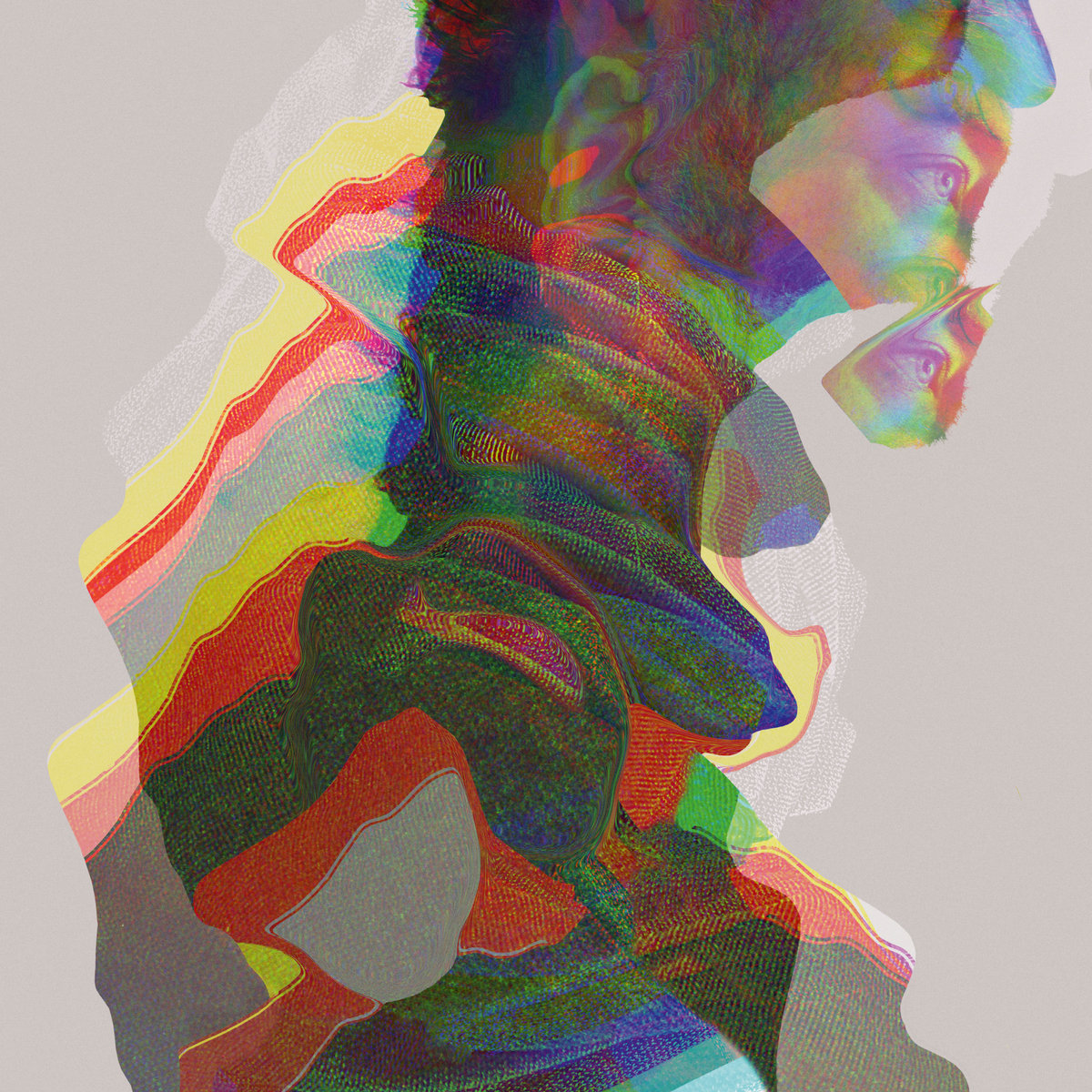
Nathan Fake’s electronica has found a new home, with Evaporator his first album released on the InFiné label.
It is an instinctive work, written during the summer of 2024 and wrapped up in just six weeks. He describes it as “airy daytime music,” which is “not overtly confrontational electronic club music, it’s more accessible.” Continuing the instinctive approach, Evaporator was mostly recorded in single takes on a Cubase set up, with Fake employing synths and even a toy Casio keyboard on Yucon, which has become one of his most treasured compositions.
What’s the music like?
Evaporator engages both the mind and the feet in an easy and frequently appealing way. On many occasions it promises the joy of dancing, but there are moments where Fake’s music is aimed straight at the mind, specifically in removing tension and providing musical company.
Both elements combine in the loping beats and lush textures of You’ll Find A Way, while Fake’s clever trick of employing two paces at once works on the implied Euro riffing of Hypercube, where a distinctive five-note rhythm is punched out, and Aiwa, with its slow beats but busy percussion. Yucon has real presence, as well as the childlike simplicity from the toy keyboard, while Bialystok is really strong, led by a powerful and almost primeval kick drum.
Later on in the album, two collaborations make their mark. The weather-beaten Baltasound, with Dextro, appears to be a portrait of a Shetland settlement. On it, the pair create a massive pillow of sound out of which emerges a beat of reassuring depth. Orbiting Meadows features another good friend, Clark, and hints at music heard further afield, with mysterious bells above a broad canvas. Saving one of the very best tracks for last, Slow Yamaha is a beauty, a loping disco number with a rolling beat that works for all of its nine minutes.
Does it all work?
It does. Nathan Fake’s freedom of expression is key here, and the combination of intimacy and wide-open, elemental sound pictures are managed in a really satisfying way.
Is it recommended?
It is. This is another very strong addition to the Nathan Fake canon, another winner from Norfolk. The instinctive approach suits him well!
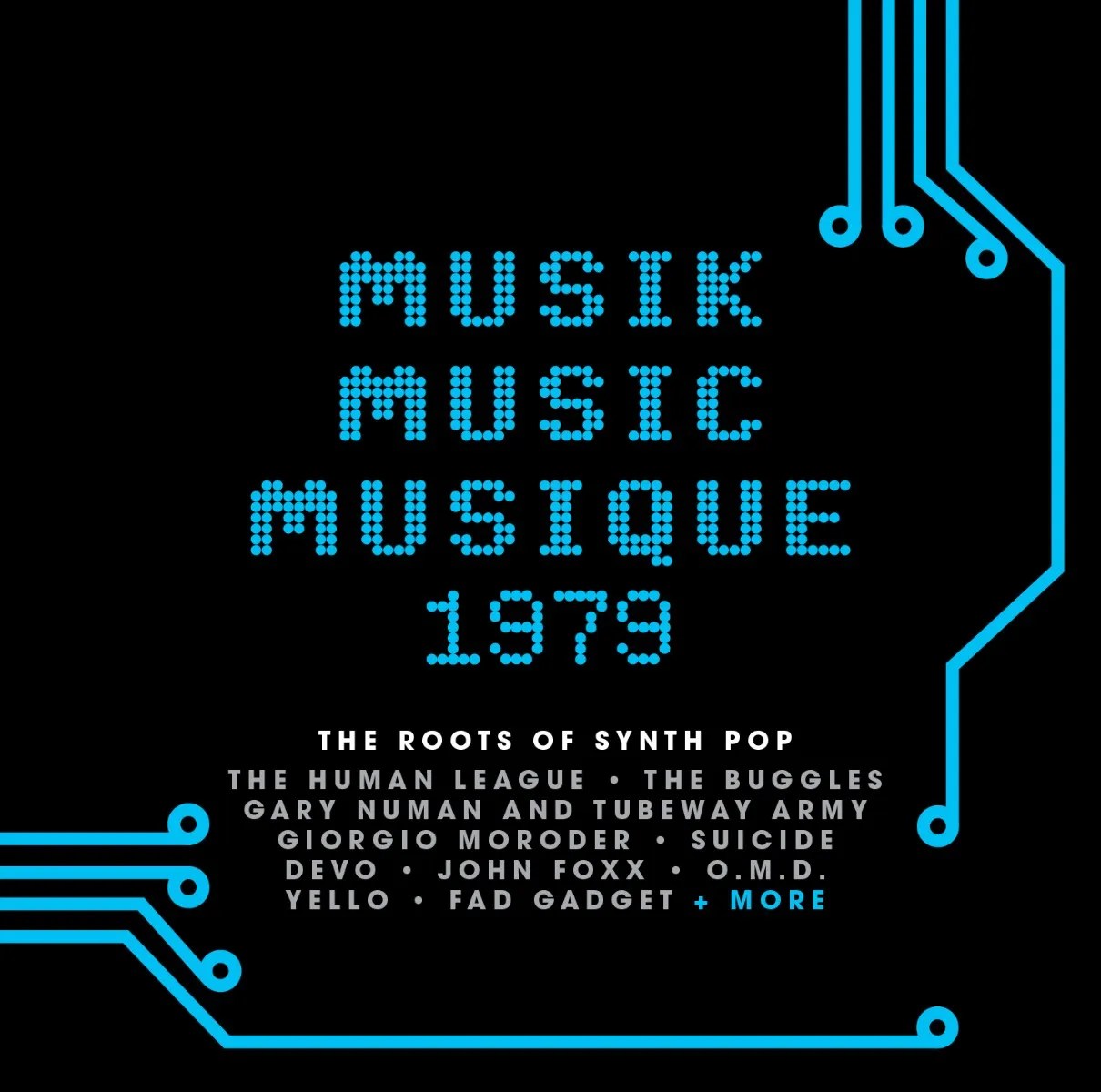
The fourth in Cherry Red’s Musik Music Musique series, this edition from 1979 acts as a prequel, an anticipation of a decade where electronic music moved decisively into the mainstream of pop music once and for all.
Between them Richard Anderson and John Reed have assembled 60 tracks spanning a wide range of styles and sounds, some of them heard on our radios to this minute, others that have almost disappeared. The combination makes for over three hours of very intriguing and instructive listening.
What’s the music like?
When I say, “Of its time”, that is a compliment – and in all honesty, a lot of the music on this collection could have dated from this year. Such is the reflection of how often a good deal of new music looks back to the pioneering spirits of 1979 for its inspiration.
There are so many highlights that it would be impossible to include them all, but safe to say the big hitters from Gary Numan (both Are ‘Friends’ Electric? and Cars) continue to hit the spot in spite of the regular presence on radio, while electro royalty The Human League, Moebius, John Foxx, Steve Hillage, Yello, Japan and Devo all impress, the latter with the fantastically grubby beat of Strange Pursuit. Suicide’s Dream Baby Dream is sublime, too.
More rewarding, surely, to find the outliers that have aged really well, and whose story is so well told by Mat Smith in the generous booklet accompanying the release. We get to learn about Fad Gadget, whose stately Back To Nature is a highlight of CD3. The perky M inclusion Made In Munich is fun, while Metal Voices’ At The Banks Of The River shows that electronic music can be graceful too. The storytelling of Quantum Jump‘s The Lone Ranger is memorable, Karel Fialka’s Armband pre-dated his only big hit Hey Matthew by some eight years, and Jude’s Mirror Mirror contains some brilliant soundbites.
Giorgio Moroder’s E = MC2 still sounds fresh off the page, while Telex offer an excellent cover of Rock Around The Clock. The Buggles’ Technopop is breezy pop perfection, while Visage’s Frequency 7 is a deadpan vocoder-fest. The brightly voiced Hammer (named after Jan) contribute a treat in Forever Tonight, as do the brilliant After The Fire with One Rule For You. A word also for The Men, whose I Don’t Depend On You struts its stuff to funky effect.
Does it all work?
There are some less successful tracks, but to be honest they are of benefit to the collection, as it means the year is presented warts and all, and is all the more realistic for the inclusion of the tunes that haven’t aged as well. Be warned that the earworm of Black Rod’s Going To The Country will stay all day, while there really isn’t a category to describe Fashion’s Technofascist, with its uptight vocal and odd marching beat.
Is it recommended?
Yes, enthusiastically. MMM is the most fun you’ll ever have in a history lesson!
by Ben Hogwood, with text from the press release. Picture (c) Camilla Greenwell
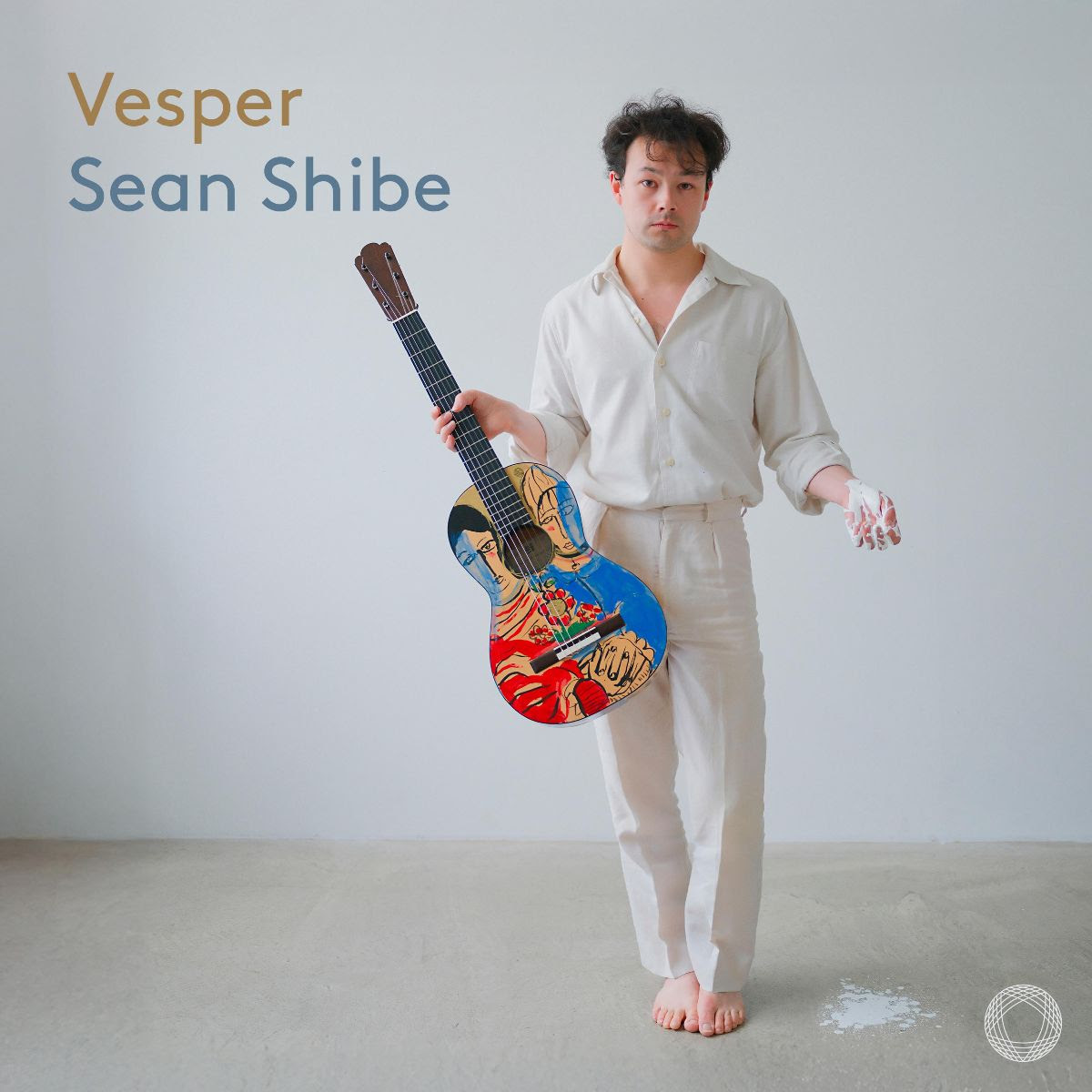
Sean Shibe’s fifth Pentatone album, Vesper, is due for release on 17 April 2026.
On it he presents a typically inventive collection of contemporary guitar works by the late Harrison Birtwistle, James Dillon, and Thomas Adès, “all composed by musicians who do not play the instrument themselves”, says the press release. “Recorded here for the first time, these recent miniatures explore the guitar’s expressive range in profoundly different ways: ritualistic and evocative in Birtwistle, elemental in Dillon, and allusive in Adès. Shibe’s interpretations reveal the instrument’s extraordinary colour, subtlety, and capacity for transformation, bringing each work to life with imagination and nuance.
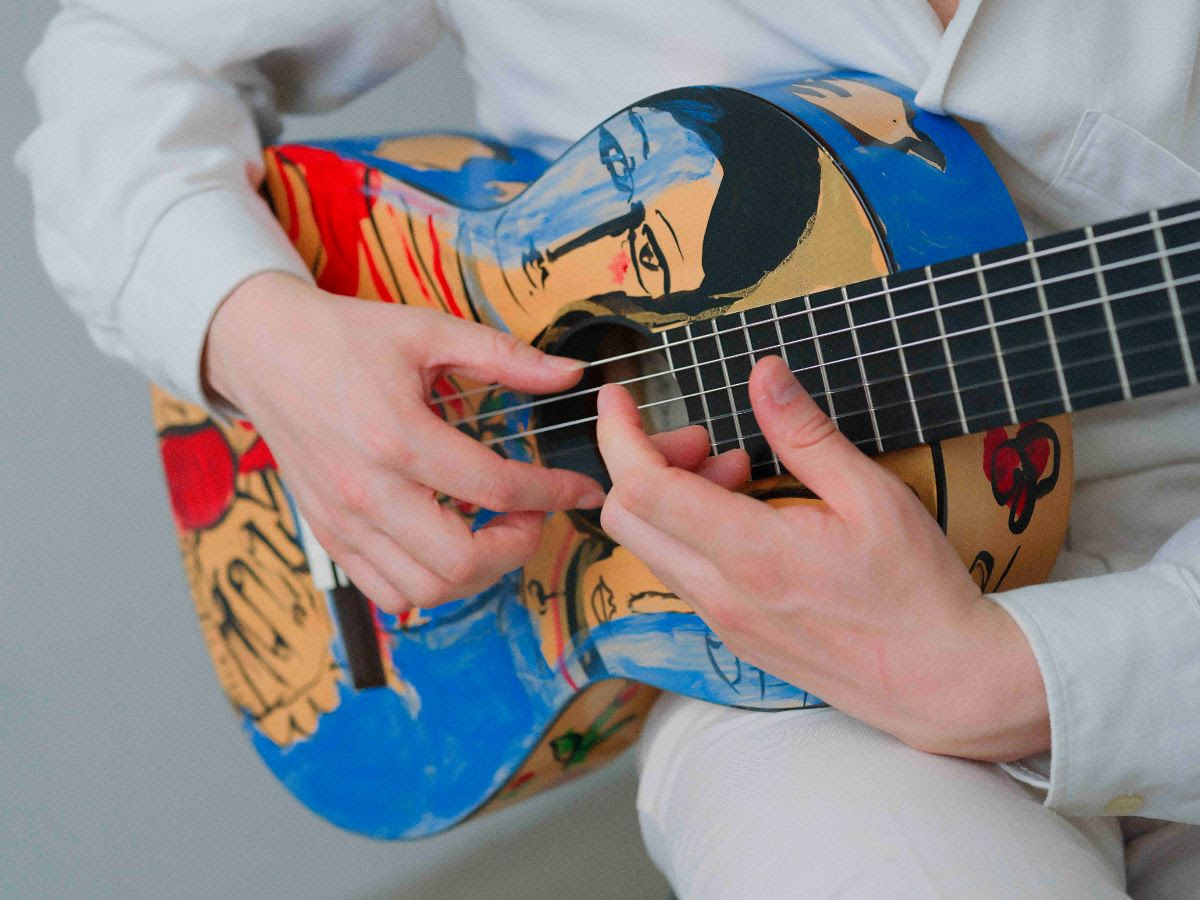
For some of Birtwistle’s pieces, Shibe performs on Sylvette (2021), a guitar made by luthier Simon Ambridge in collaboration with French-British artist Lydia Corbett. A muse to Pablo Picasso – who was himself an important influence for several of Birtwistle’s works on this album – Corbett also inspired Picasso’s celebrated Sylvette series. Modelled on the small, responsive instruments of the Andalusian luthier Antonio de Torres, the guitar features Corbett’s artwork on its body, adding a visual and symbolic layer to the performance.
You can watch the launch video for Vespers here:
The tracklisting for Vesper is:
Thomas Adès (b. 1971) Forgotten Dances* 1 I. Overture, Queen of the Spiders 2 II. Berceuse, The Paradise of Thebes 3 III. Courante – Here was a swift (for Max Ernst) 4 IV. Barcarolle – The Maiden Voyage 5 V. Carillon de Ville (for Hector Berlioz) 6 VI. Vesper (for Henry Purcell)
Harrison Birtwistle (1934–2022) 7 Beyond the White Hand: Construction with Guitar Player** 8 Guitar and White Hand**
Thomas Adès 9 Habanera* from ‘The Exterminating Angel’
10 Oockooing Bird (arr. for guitar by Forbes Henderson) 11 Sleep Song 12 Berceuse de Jeanne (arr. for guitar by Forbes Henderson) 13 Sad Song (arr. for guitar by Forbes Henderson) 14 Je sui aussi
James Dillon (b. 1950) 12 Caprices* 15-26 1.-12.
You can explore purchase options for Vesper at the Pentatone website
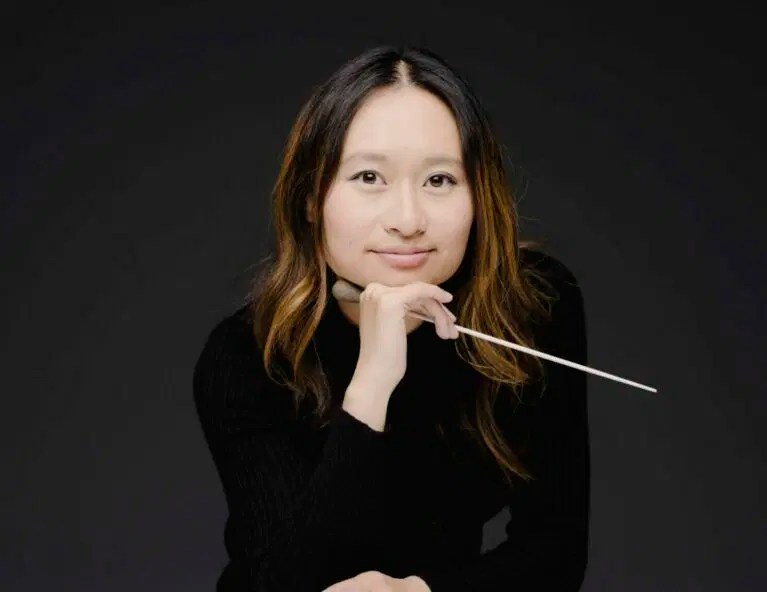
Carolin Widmann (violin, below), City of Birmingham Symphony Orchestra / Tianyi Lu
Habibi Zhiân (2023) Korngold Violin Concerto in D major Op.35 (1945) Prokofiev Symphony no.5 in B flat major Op.100 (1944)
Symphony Hall, Birmingham Wednesday 25 February 2026, 2:15pm
Reviewed by Richard Whitehouse Picture of Tianyi Lu (c) Marco Borggreve
This afternoon’s concert saw the City of Birmingham Symphony Orchestra in action with the Chinese-born New Zealand conductor Tianyi Lu, and a programme that prefaced established works from the mid-20th century with a recent piece by an Iranian-born Canadian composer.
Its title translating not only as ‘Life’ in Kurdish but as ‘indignant’ or ‘formidable’ in Persian, Iman Habibi’s Zhiân takes its cue from Iranian government repression in response to protests after the death of Mahsa Amini in police custody. Although not directly programmatic, there is a discernible trajectory from the initial explosion of violence, through a sequence of more ambivalent yet increasingly consoling episodes – during which solo instruments (notably the oboe) come into focus, towards a culmination of unalloyed fervour. Such a statement could easily have descended into overkill, but Habibi gauges its progress with audible sureness of intent; abetted here by the conviction of the CBSO’s response. Little heard as yet in the UK, Habibi is clearly a composer with something worth saying and the means by which to say it.
Those with longer memories may remember when Korngold’s Violin Concerto was far from being the concert staple it is today, its uninhibited romanticism held in check by orchestration as fastidious as it is sophisticated along with a formal concision that ensures this work never outstays its welcome. It was such a balance between effusiveness and discipline which came across most clearly in Carolin Widmann’s playing, by turns tensile and expressive so that the music retained its focus throughout. Even she could not quite prevent the finale from veering towards bathos, as Korngold’s otherwise judicious recourse to earlier film-scores rather gets the better of him, yet as its uproarious closing bars surged onwards, there was little doubting the sheer effectiveness of this work taken as a whole or of Widmann’s ease when realizing it.
The stage was set for a memorable performance of Prokofiev’s Fifth Symphony which, in the event, was no more than decent. Not that this was because of technical failings, yet the initial Andante never quite recovered from a sluggish opening such that the strenuous development was unduly hectoring then the climactic restatement of the main theme sounded turgid rather than implacable. The scherzo’s central phase had appealing insouciance, but its outer sections lacked impetus with little emphasis on the ‘marcato’ designation to ensure the necessary edge.
The ensuing Adagio was the sure highlight, Lu’s preference for leisurely tempos and gradual accumulation of tension coming into its own not least with a seismic climax which subsided towards a coda of melting pathos. The finale opened enticingly, but progress here was again undermined by a lack of momentum; without which, its ostensibly genial themes never took flight. This was most evident with a denouement, among the most hair-raising in symphonic literature, whose seeming matter-of-factness rather left the whole work hanging in abeyance.
A pity so relatively lacklustre an interpretation ended David Powell’s final concert as CBSO sub-principal cello. Your reviewer remembers his engaging presence from four decades ago, and is glad an overt dislike of Mahler did not end his 45-year tenure almost before it began.
Marianna Crebassa (mezzo-soprano), The Mozartists / Ian Page
Mozart Lucio Silla K135 (1772): Dunque sperar poss’io…Il tenero momento Haydn Symphony no.34 in D minor Hob.I:34 (1765) Mozart Idomeneo K366 (1781): Ah! qual gelido orror; La clemenza di Tito K621 (1791): Parto, parto; Lucio Silla K135: Ah! se morir mi chiama; Le nozze di Figaro K492 (1786): Voi che sapete che cosa e amor Haydn Symphony no.26 in D minor ‘Lamentatione’ (1768) Mozart La clemenza di Tito K621: Deh, per questo istante solo
Wigmore Hall, London Thursday 26 February
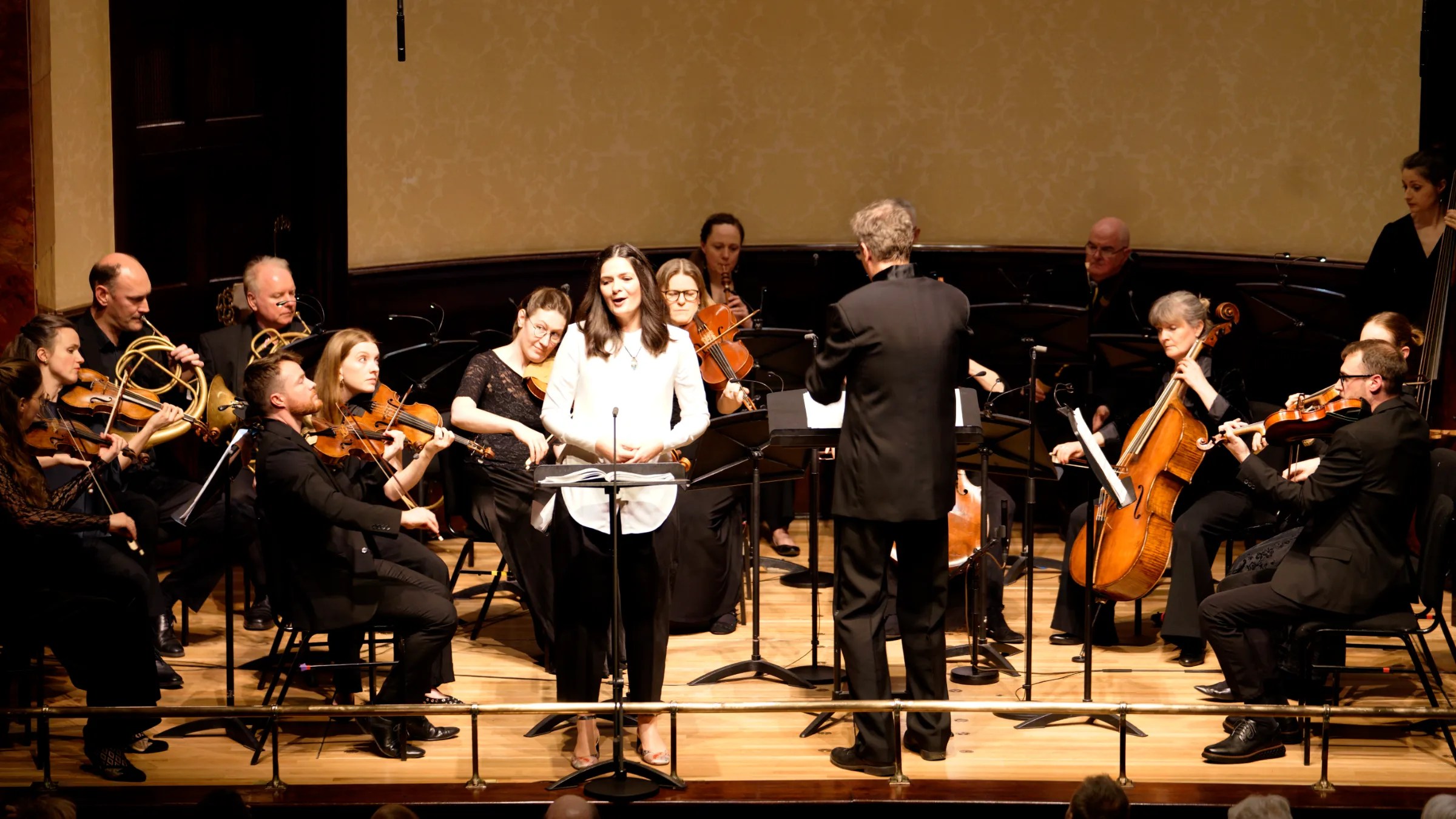
Reviewed by Ben Hogwood Photo (c) The Mozartists
It was a matter of time before Marianne Crebassa and Ian Page appeared together on the same stage. Indeed, as Page confided in the pre-concert talk, the French mezzo-soprano was top of his ‘wanted’ list for performing with his band, The Mozartists. With dates aligned, the pair constructed a typically stimulating programme.
Page’s eye for historical and orchestral detail proved the ideal foil for Crebassa’s characterisation of four operatic characters from early, middle and late in Mozart’s career, with each role written for castrato singers. Supporting these operatic excerpts were two symphonic examples from Haydn’s ‘Sturm und Drang’ period.
Diving straight in at the deep end, Crebassa embraced the many twists and turns of the 10-minute epic Dunque sperar poss’io…Il tenero momento, from Mozart’s teenage opera Lucio Silla. Her lower range notes were sumptuously delivered with impeccable poise, while Crebassa’s upper range was thrilling in the exposed virtuoso passages, delivered with a flash of the eye and a smile.
‘Enjoyment’ was a key word for this concert, as players, conductor and singer alike shared musical asides with obvious pleasure – not always the case in the concert hall! Some of the biggest smiles were reserved for Crebassa’s coy account of Voi che sapete, from Le Nozze di Figaro, subtle but winsome. Meanwhile the tragic Ah! qual gelido orror, from Idomeneo, had the appropriate gravitas and a weighty orchestral tone to match. A second aria from Lucio Silla, Ah! se morir mi chiama, was given with exceptional voice control and attention to detail from Page, including tasteful harpsichord continuo from Steven Devine.
Crebassa also triumphed in two arias from Mozart’s final opera La clemenza di Tito, hailed by Page as a long-underrated masterpiece. In Parto, parto her accomplice was basset clarinettist Emily Worthington, taking the part of Mozart’s friend (and Clarinet Quintet dedicatee) Anton Stadler. Player and singer engaged in a compelling sequence of musical cat and mouse, Worthington projecting well from the back of the stage. Meanwhile Deh, per questo istante solo found Crebassa drawing the audience in with its dynamic contrasts, high on drama. As a considerable bonus she gave a serene account of Qui d’amor from Handel’s Ariodante as an encore.
Complementing the Mozart selection were two examples of Haydn’s invention from early on in his tenure as Director of Music at Esterházy. Both D minor works share a weighty tone, and the earlier work, Symphony no.34, began with a heavy heart. The sparse tone of the orchestra was a stark contrast to the Mozart, only briefly relenting as the first movement developed its ideas. Even when D major appeared as the key of the resulting Allegro the music still bristled with anxiety, expressed through the violin tremolos. The Minuet and Trio – with lovely tone from oboists James Eastaway and Rachel Chaplin – eased the strain with brighter tones, as did the finale, in spite of its brief minor key recollections.
One of few Haydn symphonies to receive a nickname from the composer himself, Symphony no.26, the ‘Lamentatione’, took us to church in an interpretation reaching profound emotional depths. Page and the Mozartists moved from the brio of the lean first movement to rapt concentration in the second, where the music has a similar gait to the chorale of J.S. Bach’s famous cantata Wachet auf, ruft uns die Stimme. Page gave the phrasing appropriate room for contemplation. Haydn’s wit and invention made a welcome reappearance beneath the surface tension of the Minuet and was expressly felt in the syncopated trio, where oboes and horns excelled.
This was a memorable evening of music making, captured by microphones – presumably for broadcast on BBC Radio 3 or recording. Either way, a memento is well worth seeking out!
You can listen to the music from this concert in a Tidal playlist, including some of Marianne Crebassa’s own Mozart recordings made for the Erato label.

 Arcana.fm