
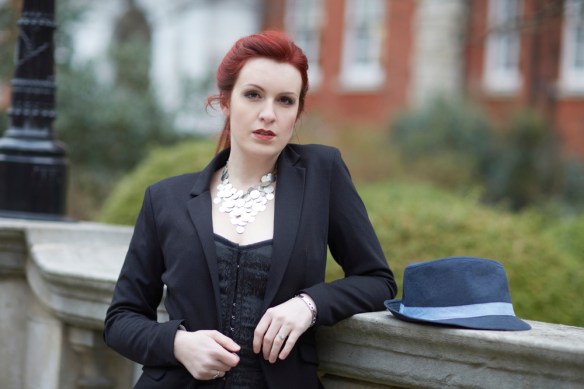
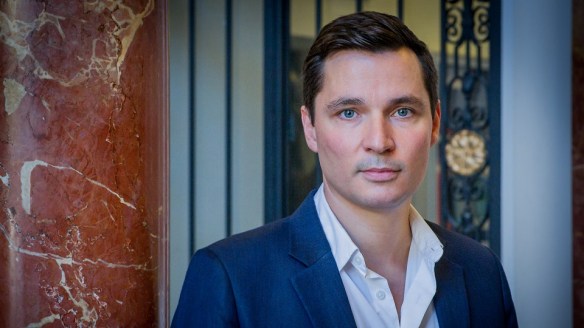
Kitty Whately (mezzo-soprano, above), Simon Lepper (piano, below)
Jonathan Dove All the Future Days (Autobiography; Penelope; The Siren) (2004) (2:11-13:27 on the broadcast link below)
Vaughan Williams 4 Last Songs (1954-8) (13:58-23:27)
Judith Cloud Night Dreams (Variations on the Word Sleep) (2006) (24:58-28:12)
Lori Laitman Orange Afternoon Lover (I Was Reading a Scientific Article) (2006) (28:15-32:24)
Argento From the Diary of Virginia Woolf (Anxiety) (1974) (32:27-34:25)
Rebecca Clarke Lethe (1941) (35:58-39:00)
Juliana Hall Letters from Edna (To Harriet Monroe; To Mother) (1993) (39:05-43:15)
Jonathan Dove Nights Not Spent Alone (2015) (43:34-52:42)
Wigmore Hall, London
Monday 18 February 2019
To hear the BBC broadcast through BBC Sounds, please follow this link
Commentary and Review by Ben Hogwood
What a refreshing hour of music.
With no criticism intended, Mondays at the Wigmore Hall, where BBC Radio 3 hold a lunchtime concert every week, are a reliable way in which to start the week with quality music. They show off some of the very best in chamber, piano and vocal music, often in imaginative programs, but understandably catering for the audience with relatively well-thumbed pieces of music often included.
Not so on this occasion. Mezzo-soprano Kitty Whately always ensures she has an equal balance of male and female composers in her programs, and likes to sing about the stories of both sexes. From the Pens of Women, then, presented an opportunity to sing songs written by women – which in classical music is still not much as a proportion of the whole. She was joined by her regular recital partner Simon Lepper.
Autobiography (2:11 on the broadcast link) was a brave start, Whately straight into the high notes as she flew like the eagle in the text above the rapidly circling figurations of Lepper’s piano. Jonathan Dove’s sound world is fascinating here, clearly on the wing – and then coming down to earth a little for Penelope (4:46), which has a right hand piano figure not dissimilar to Britten, calling out in the right hand before the vocalist brings softer thoughts, then rising to soar with great feeling.
Then, from 8:04, another striking setting – this time The Siren, where Lepper worked overtime to bring a distinctive, treble-rich piano part that dives from the heights as though into a pool of water before cutting off quite suddenly at 13:27 on the broadcast.
Ursula Vaughan Williams‘ text, as set by her husband Ralph, is a very different story. One of her husband’s last works, the Four Last Songs would inevitably invite comparisons with the more famous works of the same name by Richard Strauss, but they are totally different. Vaughan Williams was less obviously heart-on-sleeve with his feelings, but look deeper and they are still there.
The first, Procris (13:58) is a little restless and decides against following the black humour of the story, while Tired (16:32) is a wonderful song, softly rocking its listener as a lullaby. Whately gave an appropriately understated reading here. Hands, Eyes and Heart (18:32) is a short song but then Menelaus (19:42), the most substantial of the four, finishes the brief cycle in a poignant mood.
Three settings of Margaret Attwood follow, with Judith Cloud’s Night Dreams (24:58) a beautifully observed setting of how the author ‘would like to watch you sleeping’. The song is dappled in half light and is shot through with the intimacy of the sleeping hours, while Lori Laitman’s Orange Afternoon Lover (I Was Reading A Scientific Article) (28:15) is similarly personal, set to a flowing accompaniment. Dominick Argento’s setting of Anxiety from From the Diary of Virginia Woolf (32:27) is propelled by the urgent piano part and keeps a high level of agitation throughout.
 The text of Edna St Vincent Millay (above) provided the inspiration for the last third of the concert, a remarkable group of song settings. Rebecca Clarke’s Lethe is the very definition of bleakness, the underworld river supplying no comfort but only sorrow and menace (35:58), particularly in its ominous piano part at the end.
Juliana Hall’s settings of Letters from Edna provide some much-needed light relief, Millay asking humorously for payment from her publisher (39:05-40:22), declaring herself ‘awfully broke’, before passionately declaring her love and admiration To Mother (40:25).
Three settings make up Jonathan Dove’s mini-cycle Nights Not Spent Alone – the down to earth text of Recuerdo (43:34), with a quasi-orchestral piano part brilliantly managed by Lepper, the heady What lips my lips have kissed (47:41) and the passionate I too beneath your moon (50:18).
As an encore Whately and Lepper gave another Dove song, All These Dismal Looks (54:13-56:00), the fourth of five songs making up his Five Am’rous Sighs. The humourous song put the seal on an outstanding hour of music making, full of new discoveries and surprises and passionately delivered. The music and verse will I’m sure provide a springboard for listeners to the broadcast to look further afield. Talking of which…
Further listening
Kitty Whately has recorded the Jonathan Dove songs as part of a disc devoted to the composer’s music, including All The Future Days in its entirety, as well as Nights Not Spent Alone:
The below playlist contains all the music heard in this concert in available versions:
https://open.spotify.com/user/arcana.fm/playlist/6ctQO8z0d77IAARv24UoCR?si=JMBLzE4GQ9S7_Ay03k3iTg
Meanwhile you can hear all the songs of Rebecca Clarke on this disc from Patricia Wright, Jonathan Rees and Kathron Sturrock:

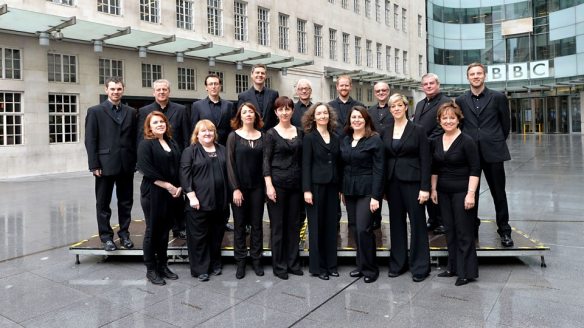 Proms at the Cadogan Hall: BBC Singers (above) / Sakari Oramo (below)
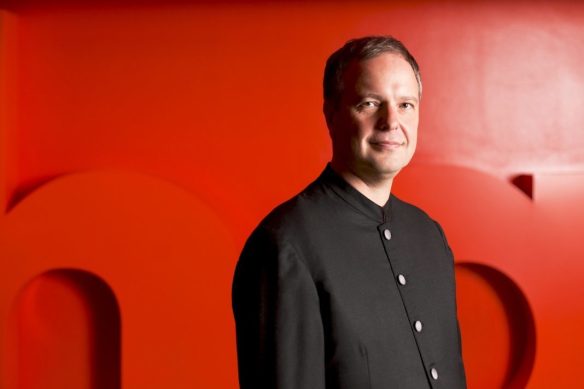 Sakari Oramo has experience as a choral conductor but this was his first outing with the BBC Singers. He led them in a direct, unfussy manner, shaping the phrases while recognising this experienced group already have the tools at their disposal to make a beautiful sound.
 Proms at the Cadogan Hall: Dame Sarah Connolly (mezzo-soprano, above), Joseph Middleton (piano, below)

 Arcana.fm