In concert – Jonathan Kelly, CBSO / Kazuki Yamada: Richard Strauss – Tod und Verklärung, Oboe Concerto, Also sprach Zarathustra

Jonathan Kelly (oboe), City of Birmingham Symphony Orchestra / Kazuki Yamada

Richard Strauss
Tod und Verklärung Op.24 (1888-9)
Oboe Concerto in D major AV144 (1945)
Also sprach Zarathustra, Op.30 (1896)

Symphony Hall, Birmingham
Wednesday 10 December 2025

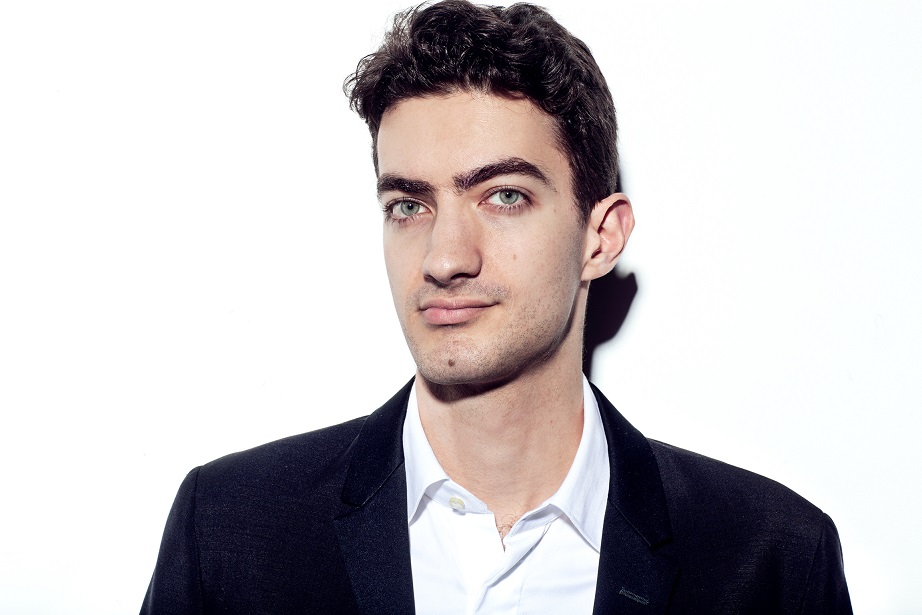
Reviewed by Richard Whitehouse Picture of Jonathan Kelly (c) Stefan Hoederath

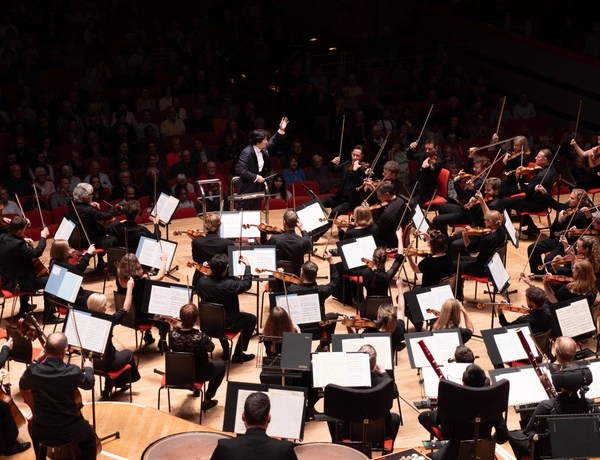
Richard Strauss is among a relatively select number of composers, the range and breadth of whose output makes it suitable for a whole programme – as was evident from this evening’s concert by the City of Birmingham Symphony Orchestra and music director Kazuki Yamada.

Never one to miss such an opportunity, Strauss had evidently conceived his tone poem Death and Transfiguration in the wake of illness only to extend its remit accordingly. Yamada duly had its measure: whether in the not so stark fatalism of its opening pages, the tussle with his approaching demise audibly relished by the protagonist then emergence of that transfiguring state which, after the brief and rather jarring interjection of earlier angst (no more convincing here than almost any other performance) sees this work through to a fervent culmination then on to its beatific close. Not consistently more than the sum of its best parts, and with internal detail sometimes obscured in the onslaught of its vehement tuttis, this was still an involving account – lessened not a jot by its underlining Strauss’s enjoyment of his emotional strivings.

Onward 46 years to the Oboe Concerto the ageing composer wrote at the promptings of US army corporal and professional oboist John de Lancie. Much the finest of those concertante pieces from Strauss’s ‘Indian summer’, its three movements merge into the finely balanced continuity that Jonathan Kelly (above) – making a welcome return to the orchestra of which he was solo oboist during 1993-2003 – relished throughout. The elegance of its initial Allegro here abetted by a degree of nonchalance, as was the poise of its Andante with deftest pathos, his reading came into its own in a Vivace whose cadenza passages were as eloquent as the coda that Strauss duly extended to make this movement an unerring fusion of scherzo and finale. Kelly understandably offered no encore, but he returned to join the CBSO after the interval.

That second half consisted of Thus spake Zarathustra – if not the most ambitious of Strauss’ tone poems in size then surely in scope, whether or not the depths of Nietzsche’s existential musings are really plumbed. The indelible ‘Sunrise’ treading a fine line between profundity and portentousness, Yamada charted its idiosyncratic journey toward spiritual enlightenment with a sure sense of where this music was headed – no matter that the outcome felt as much   a glorification of orchestral power and opulence as of anything more intrinsically humane.

Highlights during its course included the sustained emotional force in ‘Of Joys and Passions’, the textural unanimity of the strings across their fugal writing in ‘Of Science and Learning’, and suavity then mounting animation of ‘The Dance Song’ with leader Eugene Tzikindelean in his element – before ‘Song of the Night Wanderer’ brought proceedings down from their orgiastic heights into that sombre repose whose tonal inconclusiveness may be an indicator  of Strauss’s own perspective; the certainly of those opening bars left pointedly unresolved.

Its pizzicato chords on lower strings made a telling farewell for Eduardo Vassallo, principal cellist throughout much of the past 36 seasons. His broad sympathies including Argentinian tango, and a characterful Don Quixote to boot, leaves players and listeners alike in his debt.

Published post no.2,747 – Saturday 13 December 2025

For more on the CBSO’s season for 2025/26, head to the CBSO website – and for more on the artists in this programme, click on the names to visit the websites of conductor Kazuki Yamada, oboist Jonathan Kelly and principal cellist Eduardo Vassallo
In concert – Ryan Wang, CBSO / Pierre Bleuse: Ravel, Liszt & Bartók

Ryan Wang (piano), City of Birmingham Symphony Orchestra / Pierre Bleuse

Ravel Ma mère l’Oye – ballet (1910-11); Rapsodie Espagole ((1907-08)
Liszt Piano Concerto no.1 in E flat major S124 (1849, rev. 1855)
Bartók The Miraculous Mandarin BB82 – suite (1918-24)

Symphony Hall, Birmingham
Thursday 4 December 2025

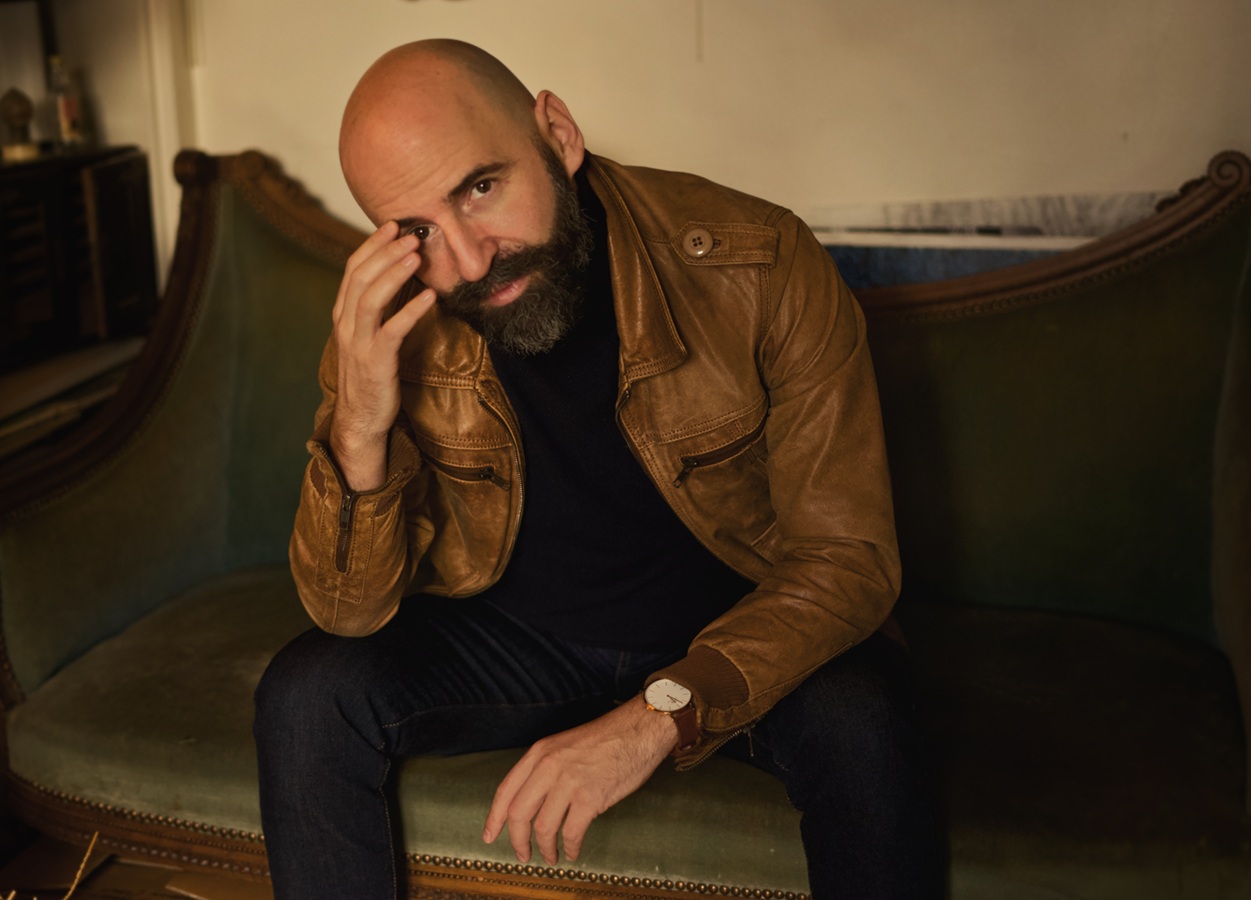
Reviewed by Richard Whitehouse Photo of Pierre Bleuse (c) Marine Pierrot Detry

His marking the centenaries of Berio and Boulez at this year’s Proms confirmed Pierre Bleuse (music director of the Ensemble Intercontemporain) as a conducting force to be reckoned with, duly reaffirmed by this afternoon’s concert with the City of Birmingham Symphony Orchestra.

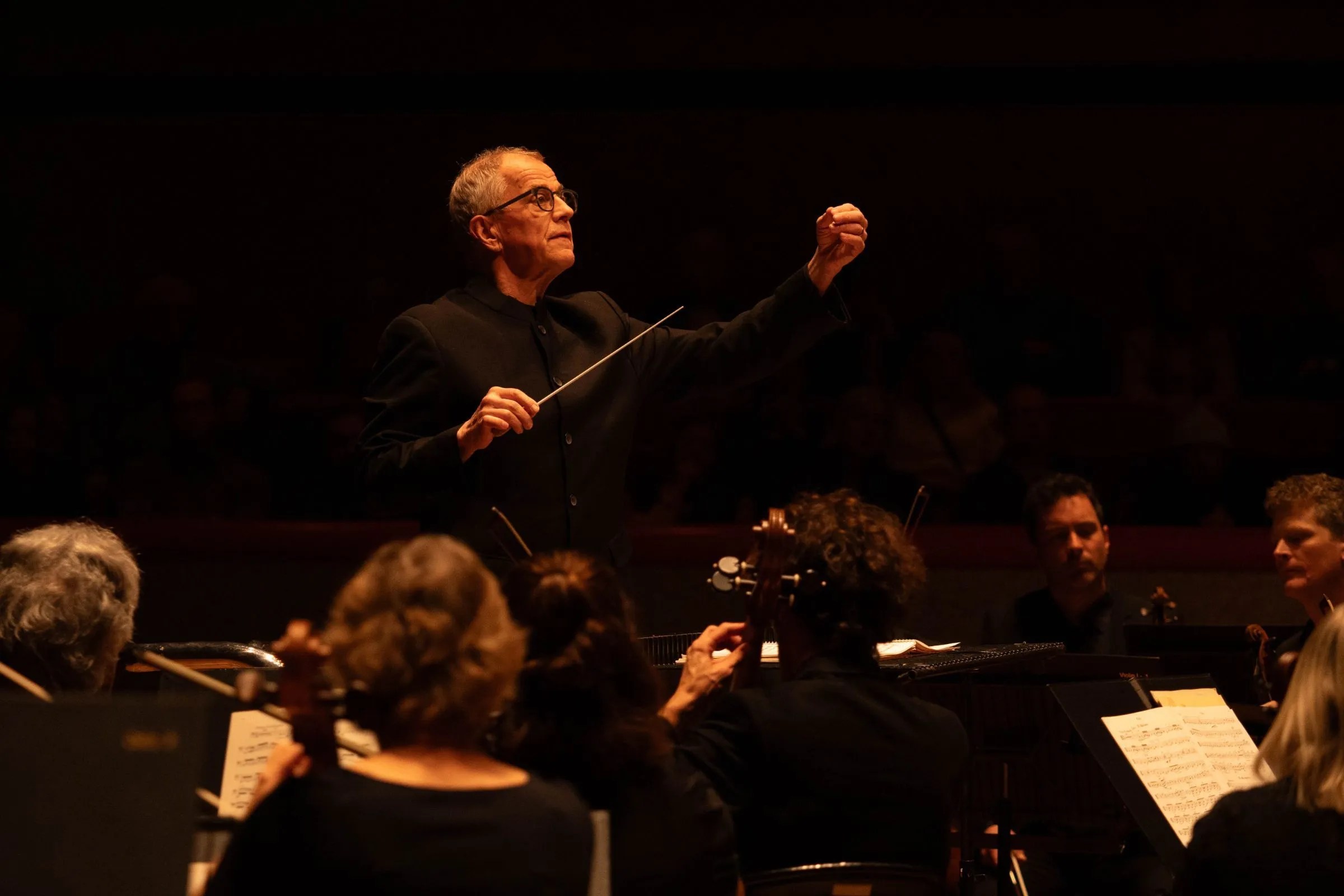
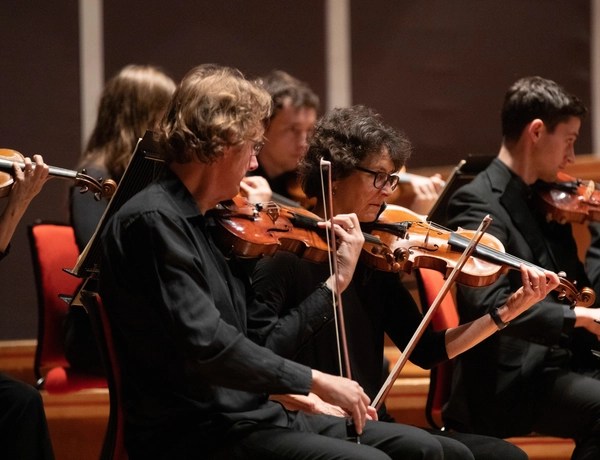
The CBSO has an association with the ballet incarnation of Ravel’s Mother Goose stretching to Simon Rattle and beyond to Louis Frémaux. After an evocative Prelude then a winningly nonchalant Spinning-Wheel Dance, Bleuse (above) brought out the plaintiveness in Pavane of the Sleeping Beauty’ then the subtly nuanced humour in Conversation of Beauty and the Beast; pointing up the piquancy of Tom Thumb then the whimsicality of Laideronnette, Empress of the Pagodas. Interpretively as well as musically, the best was saved until last – the deftest of transitions leading into a Fairy Garden of artless eloquence. Throughout this memorable performance, woodwind playing was consistently beguiling – not least during that approach to an apotheosis such as benefitted from Bleuse’s refusal to overstate its emotional rhetoric.

Nothing wrong with an all-Ravel first half, even if Rapsodie Espagnole may not have been the ideal continuation. Yet that sultry aura exuded by Prélude à la nuit felt almost tangible, as was the ominous unease of Malagueña and the rarefied elegance of Habanera, before the mounting excitement of Feria carried all before it. Bleuse successfully brought out the nostalgic resonances at the centre of this finale, and even if the closing bars lacked a degree of visceral excitement, the sense of a cohesive or cumulative whole could hardly be denied.

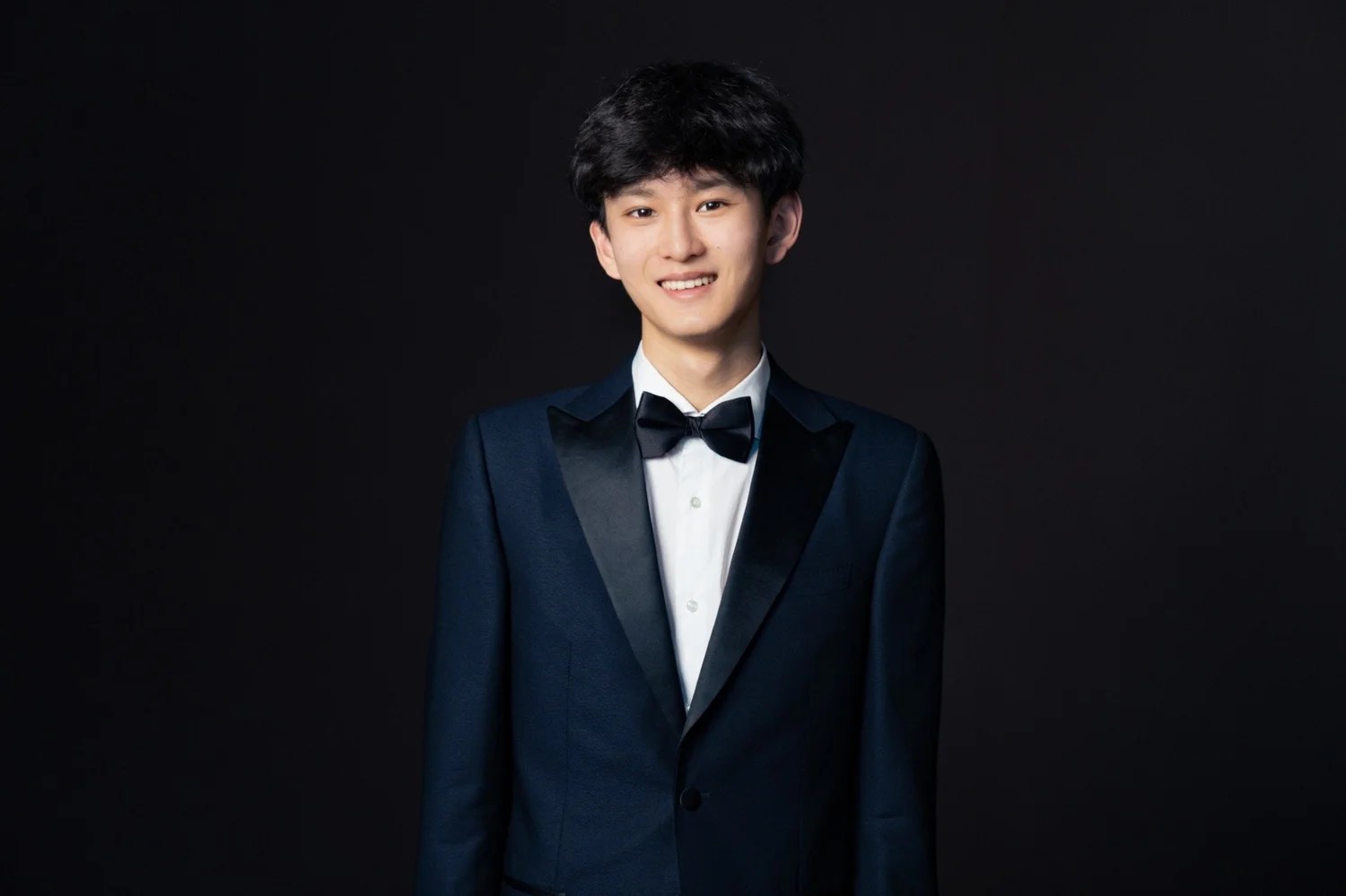
After the interval, a welcome hearing (less frequent these days than might be imagined) for Liszt’s First Piano Concerto. Executed with the right panache and an absence of histrionics, its formal succinctness and cyclical ingenuity are its own justification; not least as rendered with such attention to detail or expressive impetus by Ryan Wang (above). The winner of last year’s BBC Young Musician competition, he evidently has technique to spare while being equally capable of a delicacy and understatement ideally suited to the pensive ‘slow movement’ or the teasingly playful ‘scherzo’. The opening section was enhanced by a poetic contribution from clarinettist Oliver Janes, while the ‘finale’ headed to an exhilarating peroration. Wang duly acknowledged the applause with his leonine rendering of Chopin’s ‘Heroic’ Polonaise.

The programme ended with the suite from Bartók’s pantomime The Miraculous Mandarin. This is music which all too easily descends into overkill, but Bleuse kept a firm grip on its progress from the frenetic opening evocation of urban traffic, via its mounting anticipation with the arrival of the three ‘clients’, through to a bewitchingly shaped encounter between the mandarin and the woman. Nor was there any absence of virtuosity in a climactic chase-sequence, even while the emphasis on its rallentando markings proved a little too intrusive.

Most surprising, however, was a relatively prolonged silence after its explosive ending. Was the audience nonplussed by its once-infamous scenario, or was it unaware of this supposedly familiar music? Whatever, the performance assuredly seal the seal on an impressive concert.

For more information on the 2025-26 season head to the City of Birmingham Symphony Orchestra website. Click on the names to read more about soloist Ryan Wang and conductor Pierre Bleuse

Published post no.2,740 – Sunday 7 December 2025

In concert – Helena Juntunen, CBSO / Osmo Vänskä: Sibelius & Shostakovich

Helena Juntunen (soprano), City of Birmingham Symphony Orchestra / Osmo Vänskä (above)

Sibelius
Karelia Suite Op.11 (1893)
Songs – Höstkväll Op.38/1 (1903, orch. 1904); Hertig Magnus Op.57/6 (1909, orch. 1912); Våren flyktar hastigt Op.13/4 (1891, orch. 1913)
The Bard Op.64 (1913)
Luonnotar Op.70 (1913)
Shostakovich
Symphony no.15 in A major Op.141 (1970-71)

Symphony Hall, Birmingham
Wednesday 19 November 2025

Reviewed by Richard Whitehouse Pictures (c) Jonathan Ferro

Finnish conductor Osmo Vänskä makes relatively UK appearances these days such that this evening’s concert with the City of Birmingham Symphony Orchestra was to be anticipated, given the never less than intriguing juxtaposition of works from Sibelius and Shostakovich.

It now appears less frequently on programmes than half a century ago, but Karelia Suite finds Sibelius at his most uninhibited and Vänskä responded accordingly – whether the simmering motion of its Intermezzo or the pulsating activity of its Alla Marcia; its Ballade distilling the keenest atmosphere with Rachel Pankhurst making the most of her plaintive solo. Harpist Karherine Thomas was similarly attuned to her almost obligato role in The Bard, a tone poem whose sombre understatement hardly prepares one for the surging emotion towards its climax.

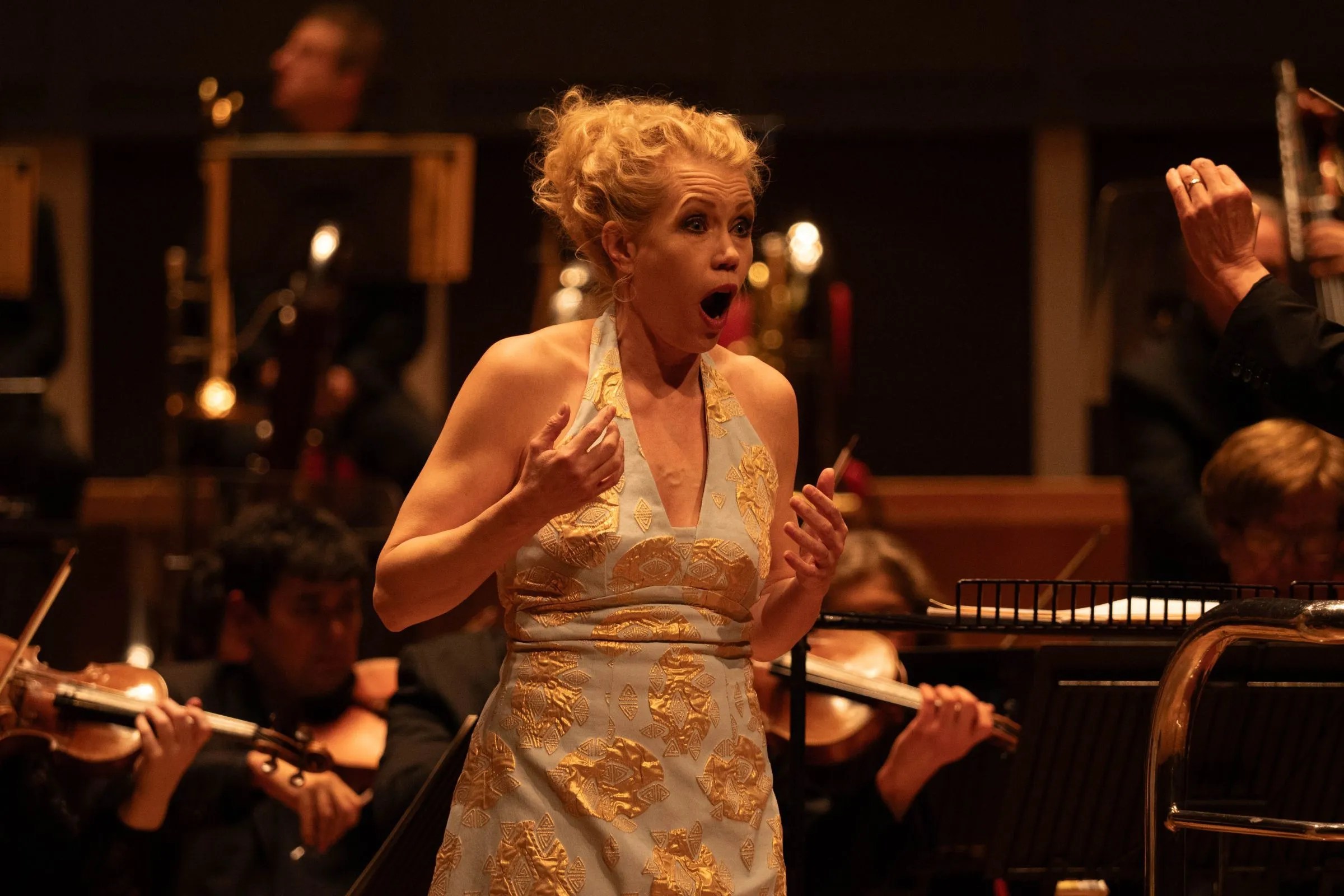
Elsewhere in this half it was Helena Juntunen (above) who stole the show with her judicious selection of Sibelius songs. That almost all these are settings of Swedish texts reflects an introspective Romanticism often overlooked in his output and Juntunen brought out the stark imagining of Autumn Evening then restless aspiration of Baron Magnus as potently as the ecstatic yearning of Spring is Flying. Her swapping sophisticated gown for traditional dress may have pointed up stylistic differences with Luonnotar, but it also underlined the inimitability of this setting from Finnish national epic the Kalevala. Birmingham audiences had been spoiled by hearing Anu Komsi in the piece, but Juntunen was no less inside music whose extremes of timbre or texture result in as heady a culmination then as spellbinding a conclusion as any in Sibelius.

Hard now to recall a time when Shostakovich’s 15th Symphony was believed too inscrutable for wider appreciation, rather than that masterly reassessment of Classical symphonism it is. Vänskä brooked no compromise in an initial Allegretto not without its technical mishaps, for all its sardonic and even scabrous humour came over unimpeded, but it was with the Adagio this performance wholly found its stride. As enhanced by eloquent contributions from cellist Eduardo Vassallo then trombonist Richard Watkin, this was palpably well sustained through to a climax shot through with a defiance borne of desperation, before retreating back into its initial numbness. Continuing directly, the ensuing Allegretto was an intermezzo no less acute in its expression and not least for the way solo instruments melded so deftly with percussion.

Vänskä did not make the mistake of rendering the finale an Adagio, such as holds good only with its portentous introduction. The main Allegretto was persuasively handled – broadening marginally for a central passacaglia builds stealthily if inevitably to a climax corrosive in its dissonance, before retracing its thematic steps towards a coda which evokes the notion of the ‘unbearable lightness of being’ more completely than any other music. Here, also, there was no mistaking the CBSO’s collective focus in bringing this totemic work to its deathless close.

Shostakovich 15 does not lack for probing or memorable readings these days and, if tonight’s did not answer all its questions, Vänskä nevertheless ensured this piece left its mark on what was a commendably full house, and which set the seal on a flawed while memorable concert.

For more information on the 2025-26 season head to the City of Birmingham Symphony Orchestra website. Click on the names to read more about soloist Helena Juntunen and conductor Osmo Vänskä

Published post no.2,727 – Sunday 23 November 2025

In concert – Sheku Kanneh-Mason, CBSO / Kazuki Yamada: Elgar Cello Concerto & Tchaikovsky Symphony no.5

Sheku Kanneh-Mason (cello), City of Birmingham Symphony Orchestra / Kazuki Yamada

Elgar Cello Concerto in E minor Op.85 (1919)
Tchaikovsky Symphony no.5 in E minor Op.64 (1888)

Symphony Hall, Birmingham
Thursday 19 June 2025 2:15pm

Reviewed by Richard Whitehouse Picture of Sheku Kanneh-Mason (c) Andrew Fox

The City of Birmingham Symphony Orchestra’s ‘Season of Joy’ ended (at least at its home base) this afternoon with this concert in E minor, featuring major works by two composers whose wresting triumph from out of adversity was by no means always their strongest suit.

It is all too prevalent these days to talk of Elgar’s Cello Concerto as being the ‘end of an era’ statement, so credit to Sheku Kanneh-Mason for leavening any overt fatalism with a lyrical intensity which paid dividends in the musing restiveness of the first movement – its indelible opening gesture rendered with an understated defiance that set the course for what followed. Nor was the Scherzo’s glancing irony at all undersold, its tensile energy seamlessly absorbing the mock nobility of its secondary theme on the way to a conclusion of throwaway deftness.

Others may have summoned greater fervency from the Adagio, yet Kanneh-Mason’s unforced poise in this ‘song without words’ was its own justification and an ideal entrée into the more complex finale. Especially impressive was his methodical while never calculated building of tension towards a climax of tangible emotional intensity, capped with the terse stoicism of its coda. Kazuki Yamada and the CBSO were unfailingly responsive in support. Kanneh-Mason returned with the 18th (Sarabande) of Mieczysław Weinberg’s 24 Preludes (1969) as a sombre encore.

If to imply that by being his most ‘classical’ such piece, Tchaikovsky’s Fifth Symphony may also be his most predictable, Yamada evidently had other ideas. Certainly, there was nothing passive about the first movement’s scene-setting Andante, Oliver Janes palpably ominous in its ruminative clarinet theme. A smattering of over-emphases in phrasing just occasionally impeded the Allegro’s rhythmic flow but was outweighed by the gripping spontaneity of the whole. Even finer was the Andante cantabile, as undulating lower strings launched french horn player Elspeth Dutch’s eloquent take on its ineffable main melody. The eventual climax was curtailed by a brutal intrusion of the ‘fate’ motto, before the music subsided into its calmly regretful close. Whether or not Tchaikovsky’s greatest slow movement, Yamada’s reading made it seem so.

Interesting this conductor made an attacca to the ensuing Valse, which proved effective even if one between the first two movements would have been even more so. Whatever its laissez-faire elegance, this cannily structured movement is more than a mere interlude – not least for the way the motto steals in at its close. Yamada ensured it connected directly into the Finale’s slow introduction, its fervency reined-in so as not to pre-empt the energy of the main Allegro as it surged toward one of the most theatrical ‘grand pauses’ in music. Taking this confidently in its stride, the CBSO was equally in control of an apotheosis whose grandiloquence never risked overkill. The charge of insincerity that its composer found hard to refute might never have gone away, yet heard as an inevitable outcome, this was pretty convincing all the same.

It found the CBSO in formidable shape as it embarks on a two-week tour of Japan under its music director. A handful of UK concerts (including an annual appearance at the Proms) then precedes next season which begins with more Elgar in the guise of The Dream of Gerontius.

For details on the 2025-26 season, Orchestral music that’s right up your street!, head to the City of Birmingham Symphony Orchestra website. Click on the names to read more about soloist Sheku Kanneh-Mason and conductor Kazuki Yamada

Published post no.2,571 – Saturday 21 June 2025

In concert – Stephen Waarts, CBSO / Mirga Gražinytė-Tyla: Brahms Violin Concerto & Weinberg Symphony no.5

Stephen Waarts (violin), City of Birmingham Symphony Orchestra / Mirga Gražinytė-Tyla

Brahms Violin Concerto in D major Op.77 (1878)
Weinberg Symphony no.5 in F minor Op.76 (1962)

Symphony Hall, Birmingham
Wednesday 11 June 2025

Reviewed by Richard Whitehouse Picture of Stephen Waarts (c) Maarten Kools

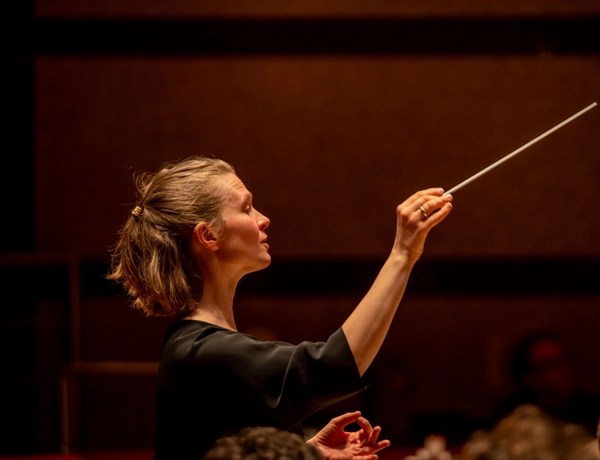
Seriously disrupted as it was by the pandemic and attendant lockdowns, the period of Mirga Gražinytė-Tyla as music director of the City of the Birmingham Symphony Orchestra (2016-22) was a successful one, especially in terms of bringing unfamiliar music to the orchestra’s repertoire.

Not least that by Mieczysław Weinberg, his Fifth Symphony tonight receiving only its second UK hearing, almost 63 years after Kiril Kondrashin and the Moscow Philharmonic had given it at the Royal Festival Hall while on tour. Weinberg was unable to attend and the performance attracted minimal comment, but the Fifth is arguably the greatest among his purely orchestral symphonies – a work whose size and scope had merely been hinted at by its predecessors. Six decades on and those qualities confirming its significance then still ensure its relevance today.

The influence of Shostakovich’s Fourth Symphony, written over a quarter century earlier but premiered just months before, has often been noted but whereas this piece is inclusive to the point of overkill, Weinberg’s Fifth has a formal rigour and expressive focus as could only be that of full maturity. Not least in the moderately-paced opening Allegro, its content deriving from the pithy motifs on lower strings and trumpet heard against oscillating chords on upper strings at the outset, and which builds to a febrile culmination before retreating into agitated uncertainty. MGT has its measure as surely as that of the ensuing Adagio, its threnodic string writing palpably sustained prior to a heartfelt climax; either side of which, woodwind comes into its own in a slow movement comparable to that of Shostakovich’s own Fifth Symphony.

Playing without a pause, the latter two movements consolidate the overall design accordingly. Thus, the scherzo-like Allegro alternates furtive anticipation and barbed anger with a dextrous virtuosity that found the CBSO at its collective best – subsiding into a finale whose Andantino marking rather belies the purposefulness with which it elaborates on earlier ideas as it builds towards a searingly emotional apex. Once again, however, the music winds down into a coda whose rhythmic pulsing underpins resigned solo gestures at the close of this eventful journey.

Whether or not Brahms’s Violin Concerto was an ideal coupling, it certainly received a most impressive reading by Stephen Waarts (above). Winner of the 2014 Yehudi Menuhin International and 2015 Queen Elizabeth competitions, this was his debut with the CBSO but there was no lack of rapport – not least an imposing first movement whose technical challenges were assuredly negotiated and with a rendering of the Joachim cadenza that integrated it seamlessly into the overall design. Waarts’ interplay with woodwind in the Adagio was never less than felicitous, then the finale pivoted deftly between panache and insouciance on its way to a decisive close. MGT was as perceptive an accompanist as always, with an encore of the opening ‘L’Aurore’ movement from Eugène Ysaÿe’s Fifth Solo Sonata an appropriate entrée into the second half.

Ultimately, though, this concert was about MGT’s continued advocacy of Weinberg as of her association with the CBSO. Good news that the Fifth Symphony has been recorded for future release by Deutsche Grammophon, so enabling this fine performance to be savoured at length.

For details on the 2025-26 season, Orchestral music that’s right up your street!, head to the City of Birmingham Symphony Orchestra website. Click on the names to read more about soloist Stephen Waarts and conductor Mirga Gražinytė-Tyla, or composer Mieczysław Weinberg

Published post no.2,564 – Saturday 14 June 2025