CBSO in the City 2025: Birmingham Comes Alive with a Week of Free Orchestral Events in Unexpected Places

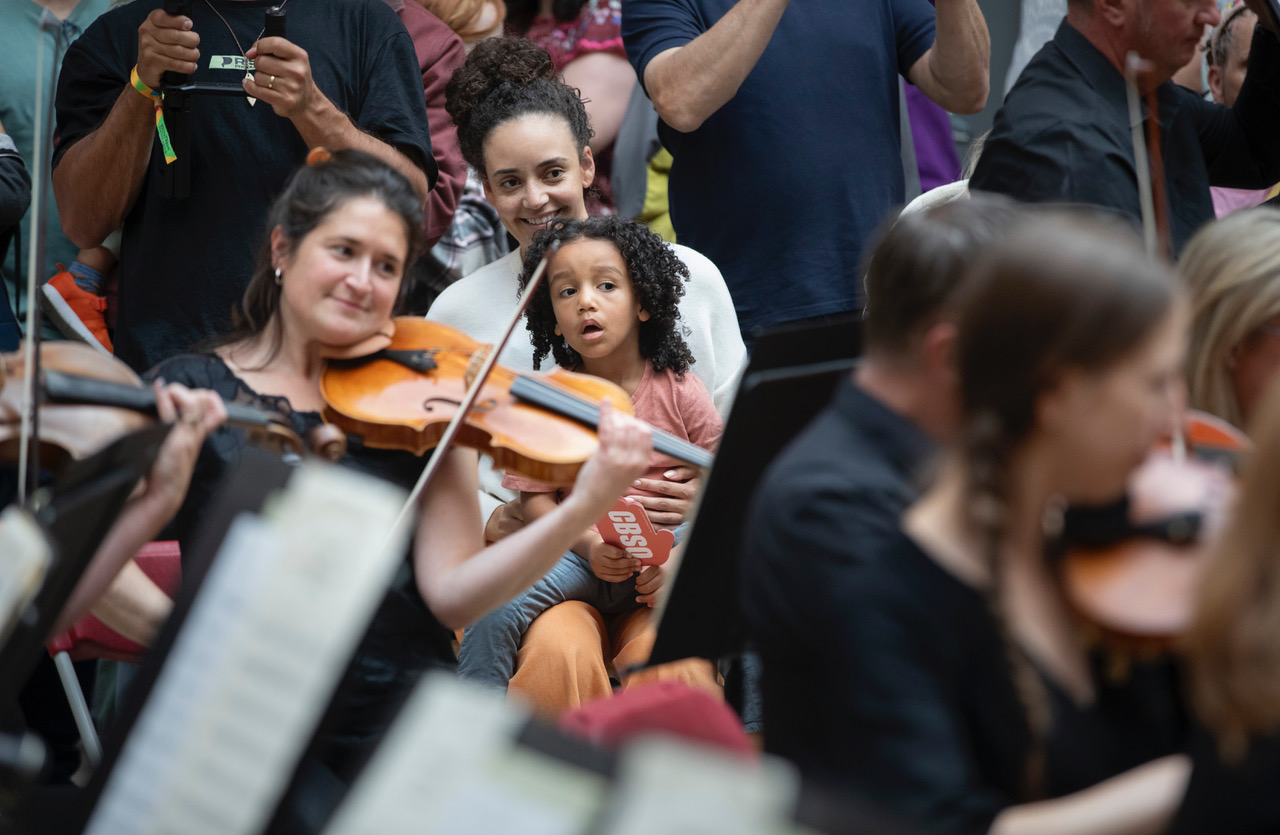
The CBSO performing in the Bullring, Birmingham.

From the press release:

The City of Birmingham Symphony Orchestra (CBSO) returns this summer with its acclaimed week-long musical takeover, CBSO in the City. Running from Wednesday 23 to Monday 28 July 2025, this much-anticipated second edition reaffirms the CBSO’s commitment to reach new audiences across the West Midlands and develop deeper connections with the city it calls home.

Building on the success of 2024’s inaugural CBSO in the City, which saw over 25 free performances in iconic and everyday locations across Birmingham, the 2025 programme blends rich musical experiences with moments of joyful spontaneity – taking the orchestra out of the concert hall and into the heart of the community.

This year’s festival offers an exciting series of free, un-ticketed performances right across the city, bringing CBSO musicians to some of Birmingham’s most recognisable venues. Highlights include:

New Street Station: pop-up performances for commuters

Library of Birmingham: including a space-themed family concert & string quintet with sitar in their wellbeing space

Ikon Gallery and RBSA Gallery: showcasing chamber groups in gallery settings

Birmingham Museum & Art Gallery: featuring flute and harp duets

Birmingham Botanical Gardens: string quartets & wind quintets in serene garden surroundings

Black Country Living Museum: brass quintets adding musical flair to the historic setting

West Midlands Metro: a clarinet trio bringing music on the move

Each performance is designed to meet audiences where they are – whether in transit, at leisure, or exploring with family – while showcasing the full diversity of the orchestra. From Star Wars and Brahms in New Street Station, to strings & winds among the blooms at Birmingham’s Botanical Gardens, a string quartet at the Ikon Gallery, and even a clarinet trio riding the West Midlands Metro.

As part of the celebrations, the orchestra is calling on Birmingham residents to nominate their street for the chance to host an unforgettable pop-up performance later this year.
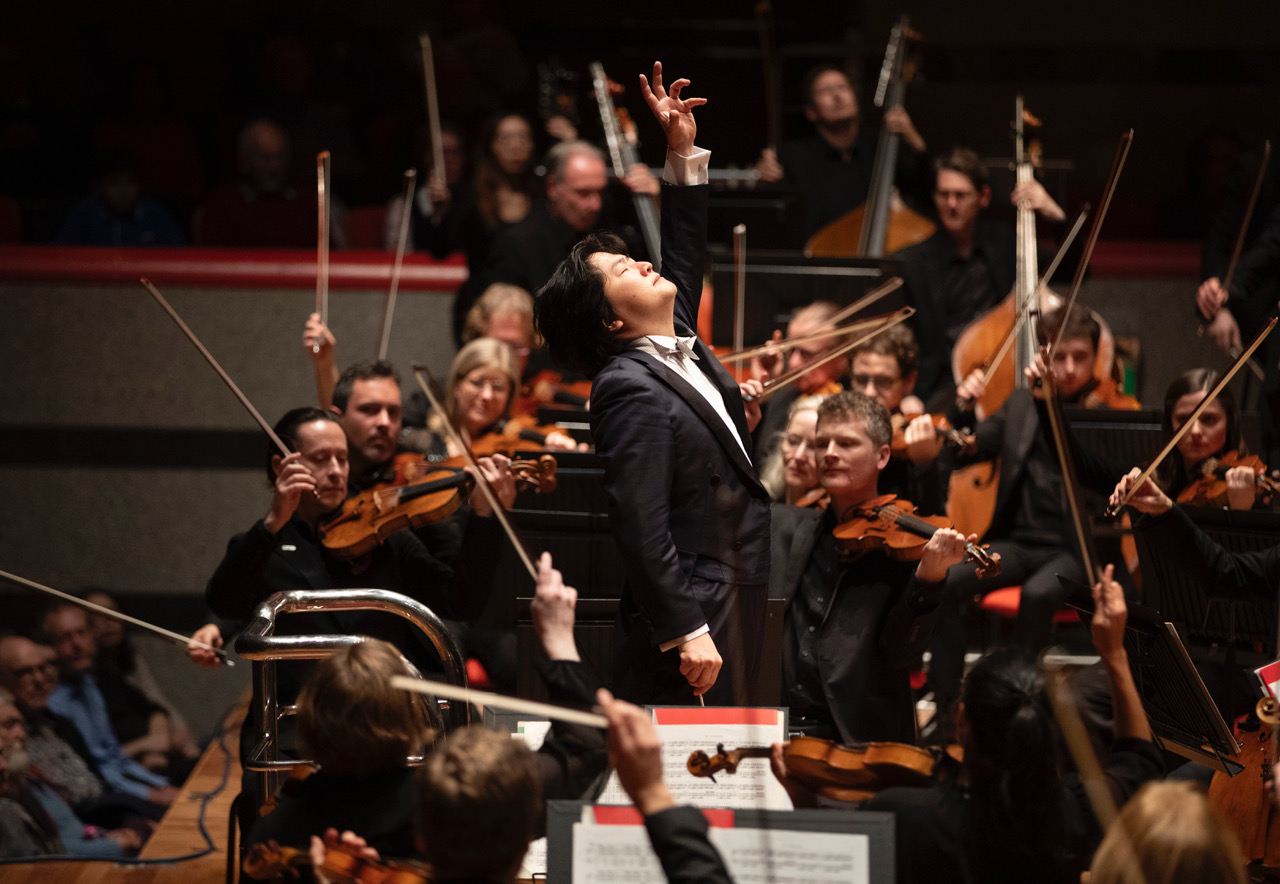
CBSO Music Director Kazuki Yamada (above) leads the spirit of this initiative. He says: “For me, music is about connection. Taking the orchestra outside the concert hall helps us meet people where they are – and share something powerful, beautiful and unexpected.”

CBSO Chief Executive Emma Stenning adds: “CBSO in the City promises to once again fill Birmingham with incredible music, reimagining the city’s spaces as stages for celebration and musical discovery. From familiar faces to new friends, we’re excited to delight audiences, share special moments, and celebrate the vibrant spirit of our city. We believe music is for everyone – and this is one of the most joyful ways we bring it to life.”

CBSO in the City is generously supported by John Osborn CBE and NBB Law.

While all events are free and unticketed, standard admission applies at the Birmingham Botanical Gardens, RBSA Gallery, and Black Country Living Museum.

Full event listings and times can be found at the CBSO website

Published post no.2,591 – Thursday 10 July 2025

On this day – the birth of composer Ottorino Respighi

by Ben Hogwood

Today marks the anniversary of the birth of composer Ottorino Respighi in 1879.

Respighi’s most famous works are the orchestral pieces making up the ‘Roman trilogy’ – in order of composition the Fountains of Rome, Pines of Rome and Roman Festivals. Here they are in landmark performances from the Chicago Symphony Orchestra conducted by Fritz Reiner:

Published post no.2,590 – Wednesday 9 July 2025

In concert – Johan Dalene, Andreas Brantelid & Christian Ihle Hadland @ Wigmore Hall: Korngold & Ravel

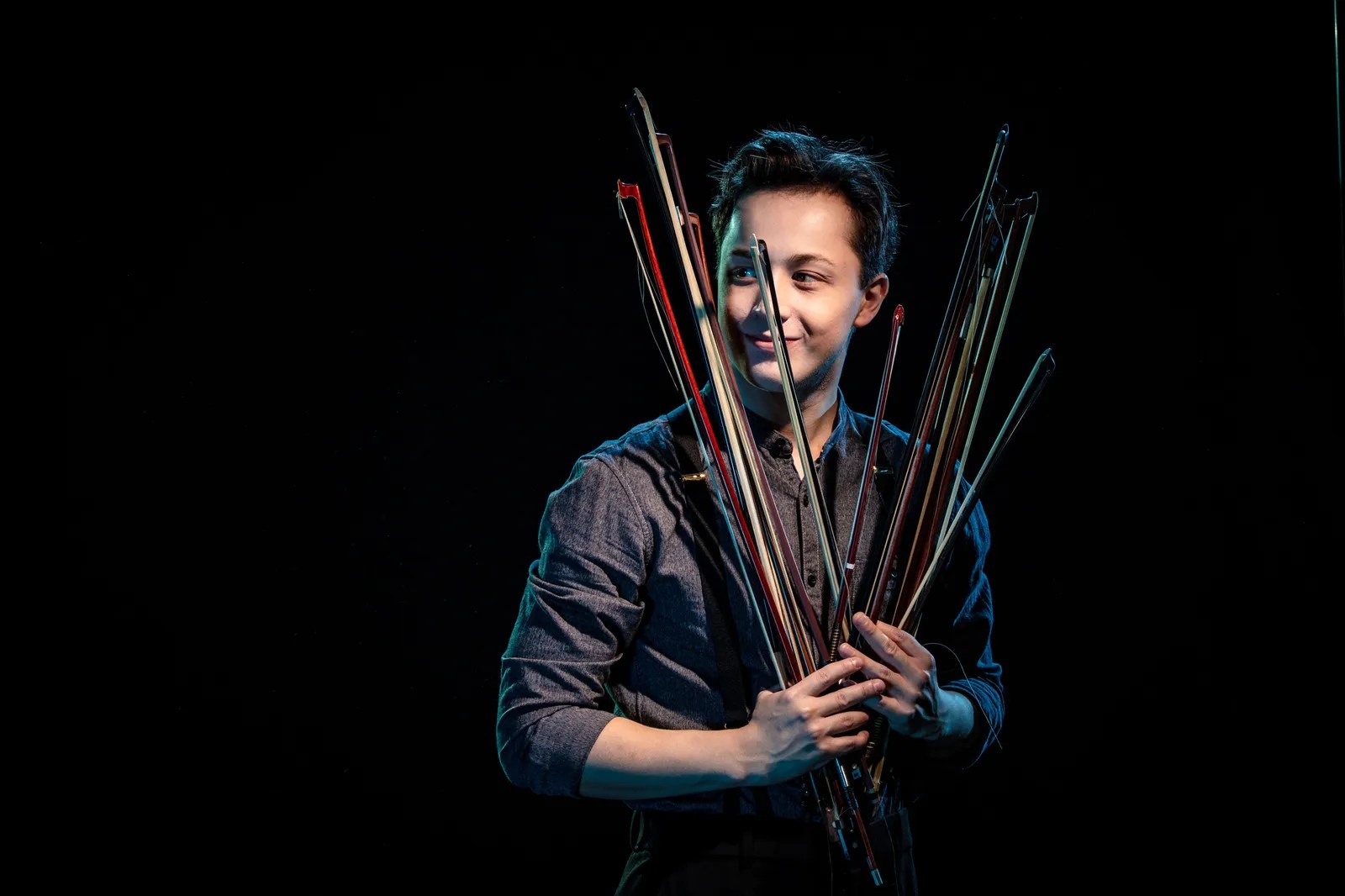
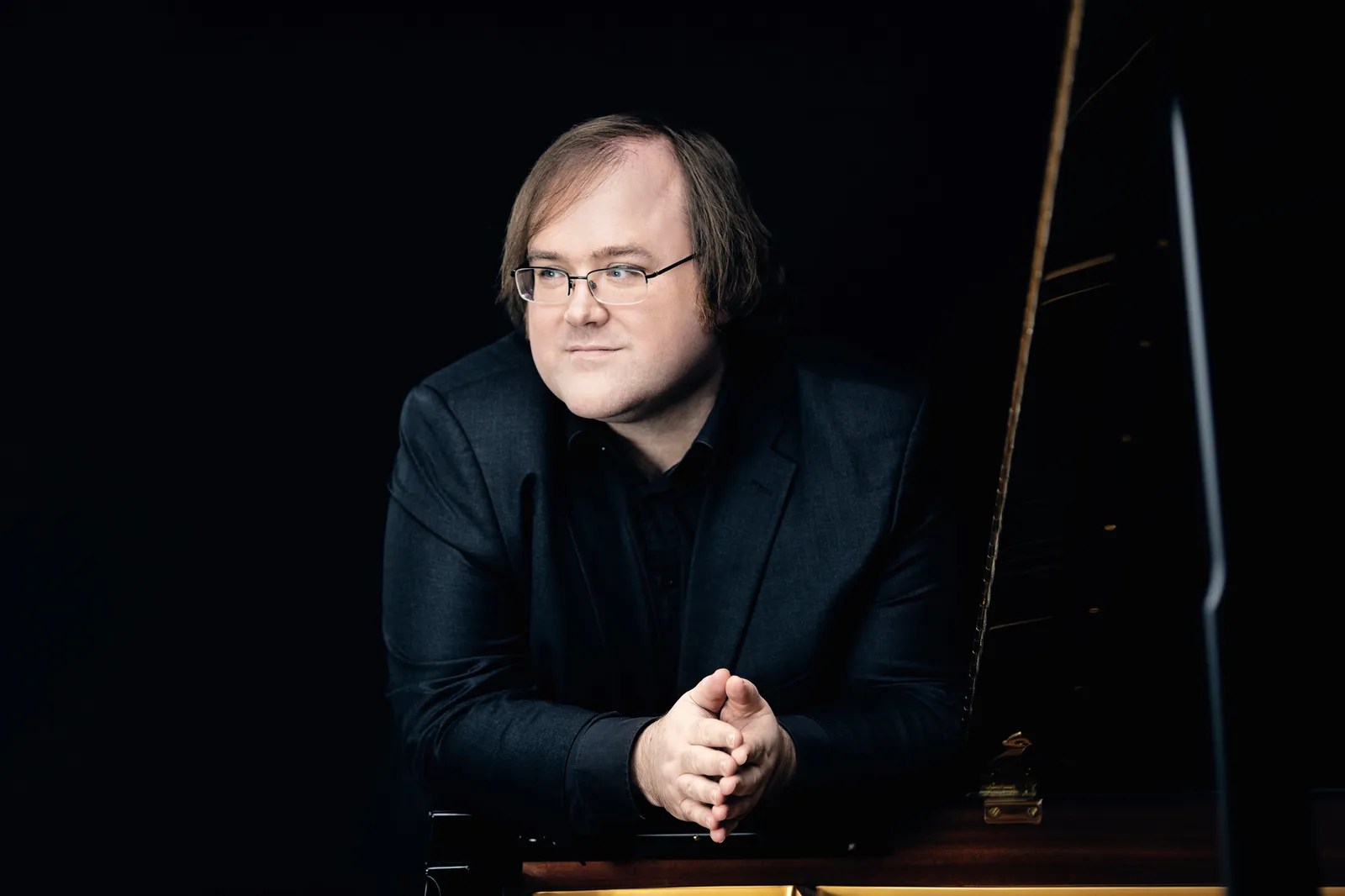
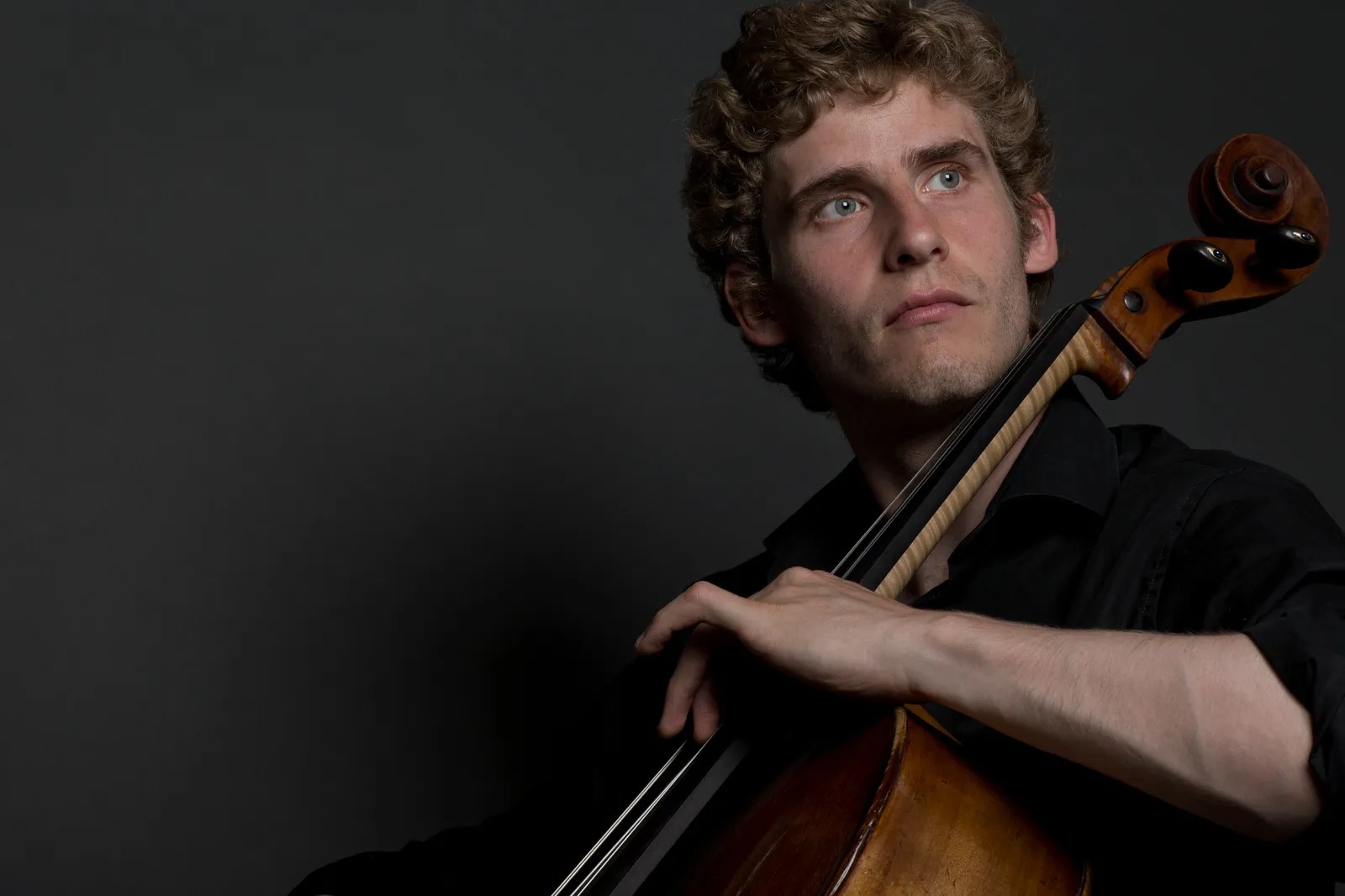
Johan Dalene (violin, above), Andreas Brantelid (cello, bottom), Christian Ihle Hadland (piano, middle)

Korngold Piano Trio in D major Op.1 (1909-10)
Ravel Piano Trio in A minor (1914)

Wigmore Hall, London
Monday 7 July 2025 (1pm)

by Ben Hogwood

With the BBC New Generation Artists scheme reaching its quarter century earlier this year, we had a timely reminder of its legacy in the shape of this high-powered BBC Radio 3 Lunchtime Concert at the Wigmore Hall. All three artists record for the BIS label, and on this evidence it is to be hoped the three will form a lasting trio, for they have an obvious and enduring musical chemistry.

The concert began with the first published work of Erich Wolfgang Korngold, a child prodigy in the same line as Mozart and Mendelssohn before him. While his Piano Trio in D major Op.1 is dedicated to his father Julius, who was a forceful influence on his son’s writing at this point, to have written such an accomplished work is simply remarkable. The work’s rich harmonies and searching melodies explore new possibilities while revering past traditions, a Viennese work written through the eyes of a young composer showing off his agility and expressive potential.

The trio can be elusive on occasion, with a lot packed into its four movements. On occasion the young composer appears to be trying out variants of a modern Viennese style, which comes to him naturally along with an awareness of developments in France. Fauré is a notable influence; so too Brahms and Richard Strauss; and these, mixed with youthful passion, make a heady concoction.

That this performance succeeded owed much to the dexterity and balance of pianist Christian Ihle Hadland, bringing clarity to the second movement Scherzo where Korngold’s thoughts are not always finished before moving onto the next melody. Johan Dalene gave room to the fervent Larghetto, bringing out its thoughtful side with a pure tone in the higher violin register. Meanwhile the strength of the finale was bolstered by its longer sentences, adhering clearly to the energico of its marking but with Dalene and cellist Andreas Brantelid finding perfect melodic unison. All three players enjoyed Korngold’s oblique approach to the final cadence, signing off with some panache.

Ravel’s Piano Trio in A minor was in his mind for some time before writing, though once composition began it did so with great urgency, the composer aware that the First World War was imminent. Hadland was superb throughout this interpretation, the crystalline quality given to the piano’s chords setting the tone for the whole work. Dalene responded with a sweet melancholy to the second theme, while the trio’s white-hot energy and virtuosity in the fast ensemble passages was something to behold.

They also relished the cross rhythms of the Pantoum, given with some exotic colours as Ravel’s mind became distracted by thoughts and the musical language of the Far East. Those were even more apparent in the language of the Passacaille, the threat of war now prescient in the hollow left-hand line of the piano, picked up by Brantelid as though intoning a Gregorian chant. This thoughtfulness and relative darkness gave way to a brilliant burst of light in the harmonics opening the finale, where again the trio reached energetic highs amid bold and clear ensemble statements. Hadland’s mixture of precision and power proved ideal for Ravel, helped by a similar approach from both string players, all three sweeping all before them in the convincing closing bars.

These were performances to cherish, while thought provoking in their proximity to the War where Korngold raised money as a regimental band leader and composer while Ravel approached the front line as a munitions lorry driver.

Listen

You can listen to this concert as the first hour of BBC Radio 3’s Classical Live, which can be found on BBC Sounds until Wednesday 6 August.

Published post no.2,589 – Tuesday 8 July 2025

In appreciation – Mark Snow

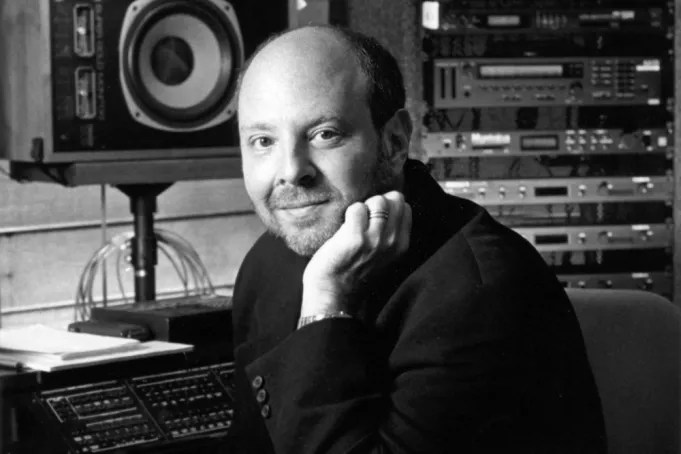
by Ben Hogwood Photo (c) The Film Society

Last week we learned the sad news of the death of American composer Mark Snow.

Snow had an impressive body of work, including music for Blue Bloods and Ghost Whisperer from more recent years, and even work for isolated episodes of Starsky & Hutch, Dynasty and Cagney & Lacey.

Yet it is Snow’s work for The X-Files that brought him to the attention of small screen viewers, specifically the wonderful main theme, with its promise of life from other planets.

Listen closely to each episode, however, and you’ll see how Snow shapes the unfolding drama through his darkly coloured music. Below is the main theme to The X-Files, and a selection of music from the series, released in 1996 and titled The Truth And The Light:

https://tidal.com/browse/album/294285?u

Published post no.2,588 – Monday 7 July 2025

On this day – Rodrigo Concierto de Aranjuez & Fantasía para un gentilhombre

by Ben Hogwood

Today marks the anniversary of the death of composer Joaquin Rodrigo in 1999, at the age of 97.

Rodrigo can claim to have written one of the 20th century’s most popular pieces, the Concierto de Aranjuez, for guitar and orchestra. The concerto’s Adagio is especially treasured, and can be heard at the heart of this performance:

Another popular Rodrigo piece is the Fantasía para un gentilhombre, also for guitar and orchestra:

Published post no.2,587 – Sunday 6 July 2025