In concert – Ryedale Festival: Timothy Ridout, Orchestra of Opera North / Tom Fetherstonhaugh – Bliss: Viola Concerto first performance; Vaughan Williams, Coleridge-Taylor & Elgar

Timothy Ridout (viola), Orchestra of Opera North / Tom Fetherstonhaugh

Vaughan Williams The Wasps – Overture (1909)
Bliss (orch. Wilby) Viola Concerto, B68a (1933, orch. 2023)
Coleridge-Taylor Solemn Prelude in B minor, Op. 40 (1899)
Elgar Variations on an Original Theme, Op. 36 ‘Enigma’ (1898-99)

Ripon Cathedral
Saturday 19 July 2025

Reviewed by Richard Whitehouse Photos (c) Jonas Cradock

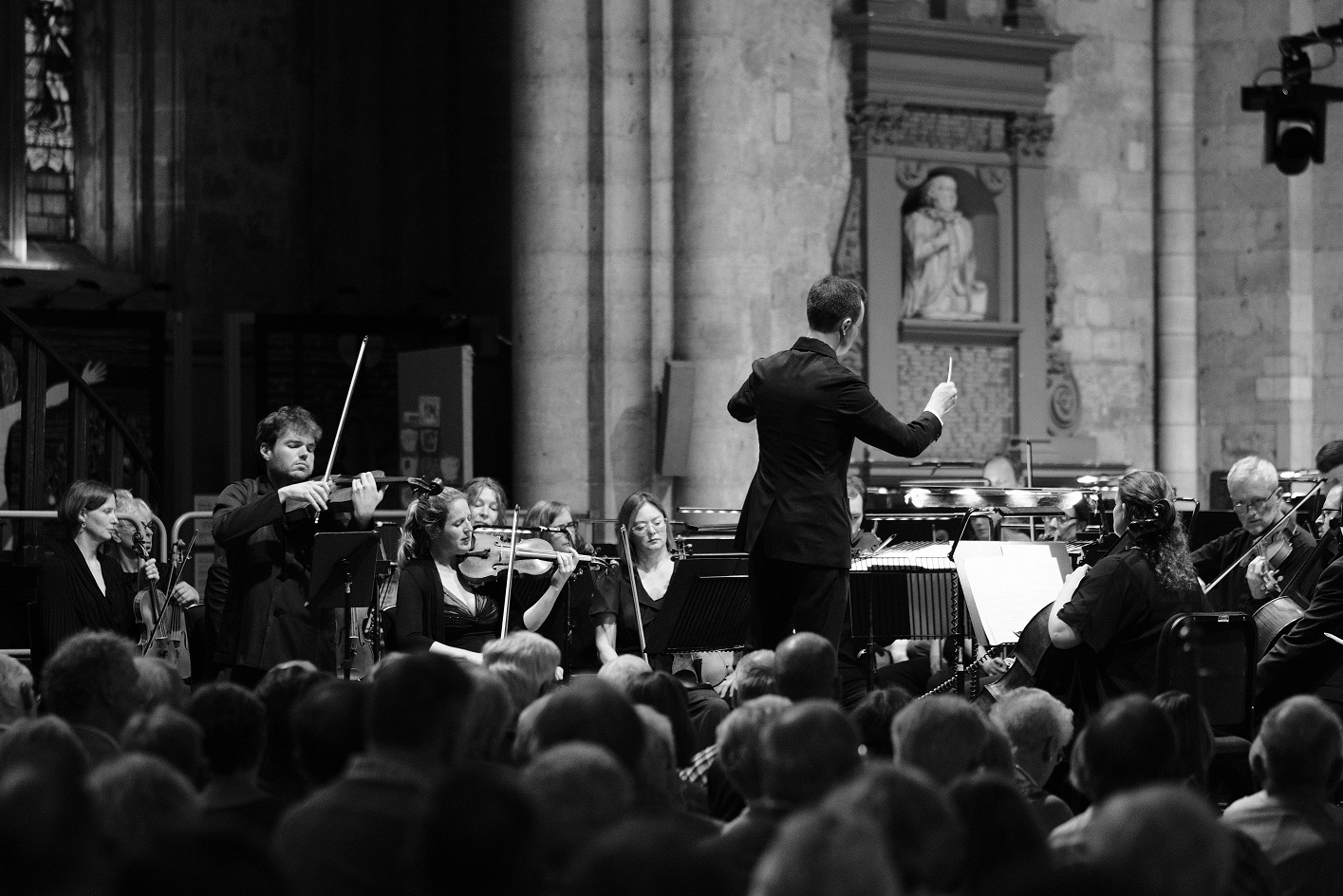
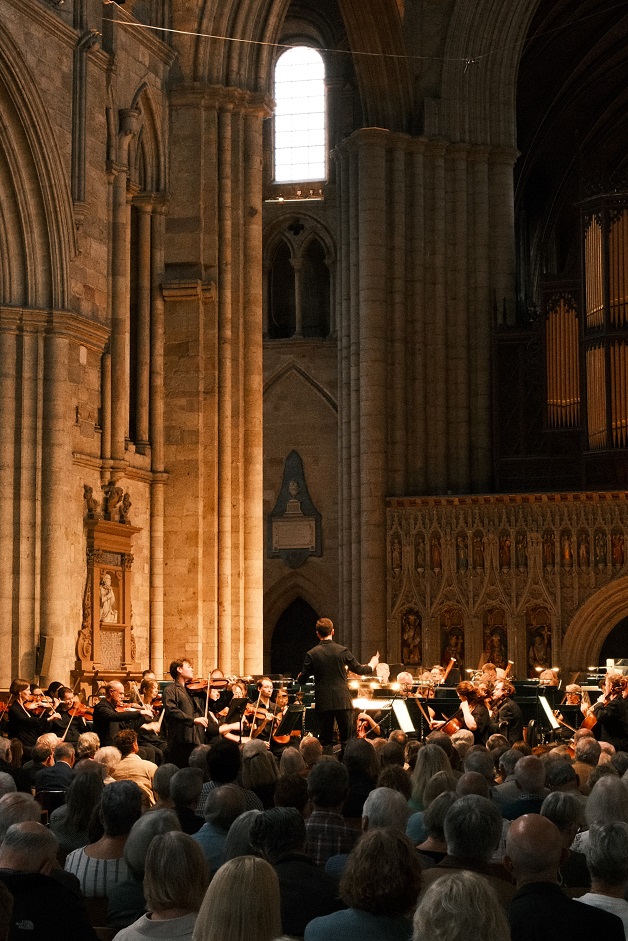
With a variety of activities throughout its region, the Ryedale Festival is now well established among the most wide-ranging of such events 45 years since its inauguration and this evening’s concert showcased the Orchestra of Opera North in the impressive setting of Ripon Cathedral.

The all-British programme centred on the first hearing for a Viola Concerto that Arthur Bliss had always intended to create out of his sonata for that instrument, but has only recently been carried out by Philip Wilby. A former professor of composition at Leeds University, Wilby is best known for his choral and organ music but as was duly confirmed, is an able orchestrator with a keen appreciation of Bliss’ idiom. Hence the successful launch of a piece that deserves to assume its place within the still-limited repertoire of concertante works for this instrument.

That it exists at all was no doubt through the prompting of Lionel Tertis, for whom Bliss wrote his Viola Sonata some 20 years after a single-movement Violin Sonata (never played publicly during his lifetime) as was his only other such duo. Formally it is among his most innovative pieces, the skewed sonata design of its initial Moderato exuding a restive and even impulsive eloquence as responded well to an orchestration which resembles more the intimacy of Bliss’ late Cello Concerto than the full-blooded fervour of his earlier such works for piano or violin.

The ensuing Andante is Bliss at his most personal – its darkly ruminative progress building to an anguished culmination made the more so in this context, before subsiding into the fugitive unease from which it had emerged. There follows a propulsive Molto allegro modelled on the rhythmic syncopation of the Furiant, a scherzo-cum-finale climaxing with a powerful cadenza here forcefully partnered by timpani. After which, the Coda poignantly surveys all that went before in a sustained Andante maestoso as brings about an apotheosis of plangent resignation.

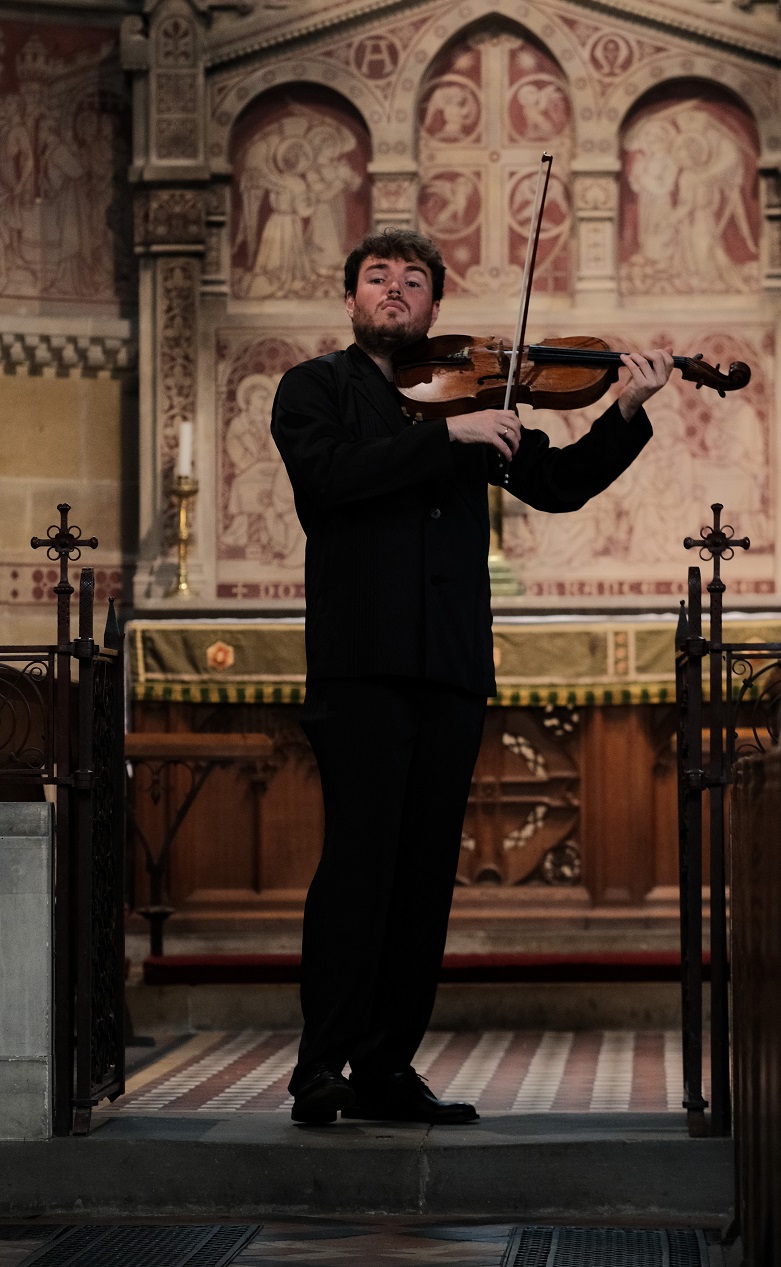
At around 27 minutes, Bliss’s Viola Concerto is equal in its scale as in its expressive reach to comparable works by Hindemith and Walton, so credit to Timothy Ridout (above, among the leading younger violists) that its essence was so tangibly conveyed. Nor was the OON found wanting under the assured direction of Tom Fetherstonhaugh, heard here in an ambience where detail lacked only the final degree of definition. Hopefully a recording will follow of what is likely to be the most important performance scheduled in this 50th anniversary-year of Bliss’ death.

The first half had begun in sparking fashion with the overture Vaughan Williams wrote as part of incidental music for a Cambridge University production of Aristophanes’ satire The Wasps, its incisiveness not precluding an open-hearted response to the ineffable melody at its centre.

A very different proposition duly launched the second half. Solemn Prelude is a characteristic statement by Samuel Coleridge-Taylor that did not merit the total neglect after its premiere at Worcester Cathedral; further hearings only made possible with the score’s belated relocation at the British Library so new parts could be made. Fusing Elgarian nobility with Brucknerian grandeur, any risk of portentousness was countered with an expressive immediacy abetted by Fetherstonhaugh’s flexible control over pace so that a welcome spontaneity came to the fore.

It certainly made an ideal entrée into the ‘Enigma’ Variations. Performances of Elgar’s earliest masterpiece now seem more frequent than ever, and tonight’s had much to commend it. Never fazed by the expansiveness of this acoustic, Fetherstonhaugh opted for mainly swift tempi as might easily have caused blurring in those faster variations had it not been for his scrupulous balance of detail. Elsewhere there was no lack of emotional input, not least during variations VIII-X with the wistfulness of ‘W.N.’ then deftness of ‘Dorabella’ framing a ‘Nimrod’ whose fervour was the greater for its relative urgency. Nor was the ‘E.D.U.’ finale lacking in panache as it brought the whole sequence to a conclusion of ringing affirmation, though it was maybe a pity that this building’s impressive organ could not have been utilized for the closing bars.

What was hardly in doubt was the response that this account received from the near-capacity audience, making one anticipate more such events at Ripon Cathedral in future editions of the Ryedale Festival, as it continues assiduously to promote the cultural life of North Yorkshire.

For more on the festival, visit the Ryedale Festival website, and click on the artist names to read more about violist Timothy Ridout, the Orchestra of Opera North and their conductor Tom Fetherstonhaugh. Meanwhile click to read more on the Arthur Bliss Society and the Samuel Coleridge-Taylor Foundation

Published post no.2,602 – Monday 21 July 2025

On this day – the birth of composer Gerald Finzi

by Ben Hogwood

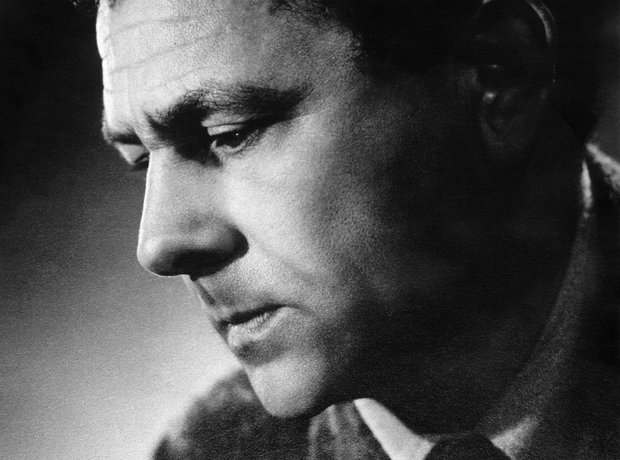
On this day in 1901, the composer Gerald Finzi was born in Oxford.

Finzi’s most popular pieces tend to be in slightly shorter forms, and his unique way of writing for strings has endeared him to many lovers of British music. Here is a great example, a piece more than suitable for a summer’s evening – the Romance for String Orchestra:

Published post no.2,595 – Monday 14 July 2025

Summer music – Bridge: Summer

With another sweltering day promised in the UK, here is a rather wonderful tone poem from the pen of underrated English composer Frank Bridge – one to revel in this Sunday!

Published post no.2,594 – Sunday 13 July 2025

CBSO in the City 2025: Birmingham Comes Alive with a Week of Free Orchestral Events in Unexpected Places

The CBSO performing in the Bullring, Birmingham.

From the press release:

The City of Birmingham Symphony Orchestra (CBSO) returns this summer with its acclaimed week-long musical takeover, CBSO in the City. Running from Wednesday 23 to Monday 28 July 2025, this much-anticipated second edition reaffirms the CBSO’s commitment to reach new audiences across the West Midlands and develop deeper connections with the city it calls home.

Building on the success of 2024’s inaugural CBSO in the City, which saw over 25 free performances in iconic and everyday locations across Birmingham, the 2025 programme blends rich musical experiences with moments of joyful spontaneity – taking the orchestra out of the concert hall and into the heart of the community.

This year’s festival offers an exciting series of free, un-ticketed performances right across the city, bringing CBSO musicians to some of Birmingham’s most recognisable venues. Highlights include:

New Street Station: pop-up performances for commuters

Library of Birmingham: including a space-themed family concert & string quintet with sitar in their wellbeing space

Ikon Gallery and RBSA Gallery: showcasing chamber groups in gallery settings

Birmingham Museum & Art Gallery: featuring flute and harp duets

Birmingham Botanical Gardens: string quartets & wind quintets in serene garden surroundings

Black Country Living Museum: brass quintets adding musical flair to the historic setting

West Midlands Metro: a clarinet trio bringing music on the move

Each performance is designed to meet audiences where they are – whether in transit, at leisure, or exploring with family – while showcasing the full diversity of the orchestra. From Star Wars and Brahms in New Street Station, to strings & winds among the blooms at Birmingham’s Botanical Gardens, a string quartet at the Ikon Gallery, and even a clarinet trio riding the West Midlands Metro.

As part of the celebrations, the orchestra is calling on Birmingham residents to nominate their street for the chance to host an unforgettable pop-up performance later this year.

CBSO Music Director Kazuki Yamada (above) leads the spirit of this initiative. He says: “For me, music is about connection. Taking the orchestra outside the concert hall helps us meet people where they are – and share something powerful, beautiful and unexpected.”

CBSO Chief Executive Emma Stenning adds: “CBSO in the City promises to once again fill Birmingham with incredible music, reimagining the city’s spaces as stages for celebration and musical discovery. From familiar faces to new friends, we’re excited to delight audiences, share special moments, and celebrate the vibrant spirit of our city. We believe music is for everyone – and this is one of the most joyful ways we bring it to life.”

CBSO in the City is generously supported by John Osborn CBE and NBB Law.

While all events are free and unticketed, standard admission applies at the Birmingham Botanical Gardens, RBSA Gallery, and Black Country Living Museum.

Full event listings and times can be found at the CBSO website

Published post no.2,591 – Thursday 10 July 2025

On this day – the birth of composer Ottorino Respighi

by Ben Hogwood

Today marks the anniversary of the birth of composer Ottorino Respighi in 1879.

Respighi’s most famous works are the orchestral pieces making up the ‘Roman trilogy’ – in order of composition the Fountains of Rome, Pines of Rome and Roman Festivals. Here they are in landmark performances from the Chicago Symphony Orchestra conducted by Fritz Reiner:

Published post no.2,590 – Wednesday 9 July 2025