This joyful piece of music was written by Bach in Leipzig, in April 1725. It has four vocal soloists, who take on the parts of Mary Magdalene (alto), the ‘other’ Mary (soprano) and the apostles Simon Peter (tenor) and John (bass).
The brightly scored orchestra consists of trumpets, timpani, wind and strings, and its celebratory air is perfect for the festival as it tells of the events of the first Easter day.
Happy Easter! And with it, some more music by Bach for solo cello.
The Cello Suite no.6 in D major, BWV1012, is often paralleled with Easter Sunday and the Resurrection, its Sarabande in particular finding a serenity and light appropriate for the season. You can watch Yo-Yo Ma in the whole suite below:
The second instalment of Bach at Easter is dedicated to one of the great master’s finest sacred pieces, the St. John Passion – telling the story in dramatic tones, as recorded by the Bach Collegium Japan when lockdown was imminent in 2020. You can listen below:
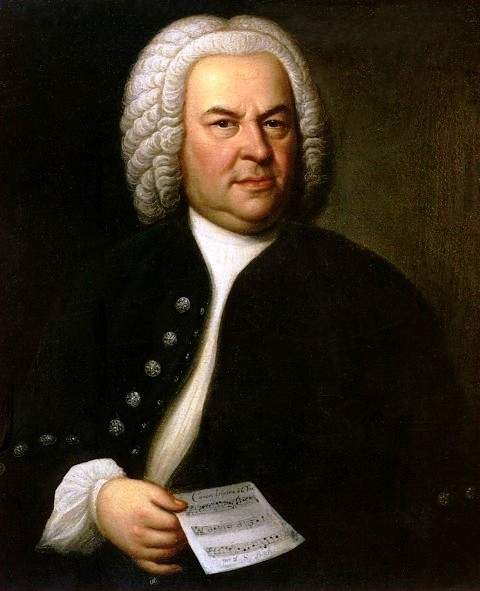
Over this long Easter weekend, and with it recently being the anniversary of Johann Sebastian Bach‘s birthday, it feels appropriate to share four favourite pieces with you.
The first is the Cello Suite no.2 in D minor, BWV1008. The deeply profound Prelude to this suite is often associated with Good Friday and the Crucifixion, and is followed by the traditional sequence of dances where Bach’s masterful writing can be fully appreciated. Having been fortunate to play this piece, I can confirm the music gives as much satisfaction to the performer as it does to the listener!
You can enjoy a performance from Yo-Yo Ma, live at the BBC Proms in 2015, below:
J.S. Bach Art of Fugue BWV1080: Contrapunctus 1, 4, 6 & 9 (1742, rev.1748-9) Turina La oración del torero Op.34 (1925) Shostakovich String Quartet no.3 in F major Op.73 (1946)
Wigmore Hall, London Monday 12 January 2026, 1pm
Reviewed by Ben Hogwood
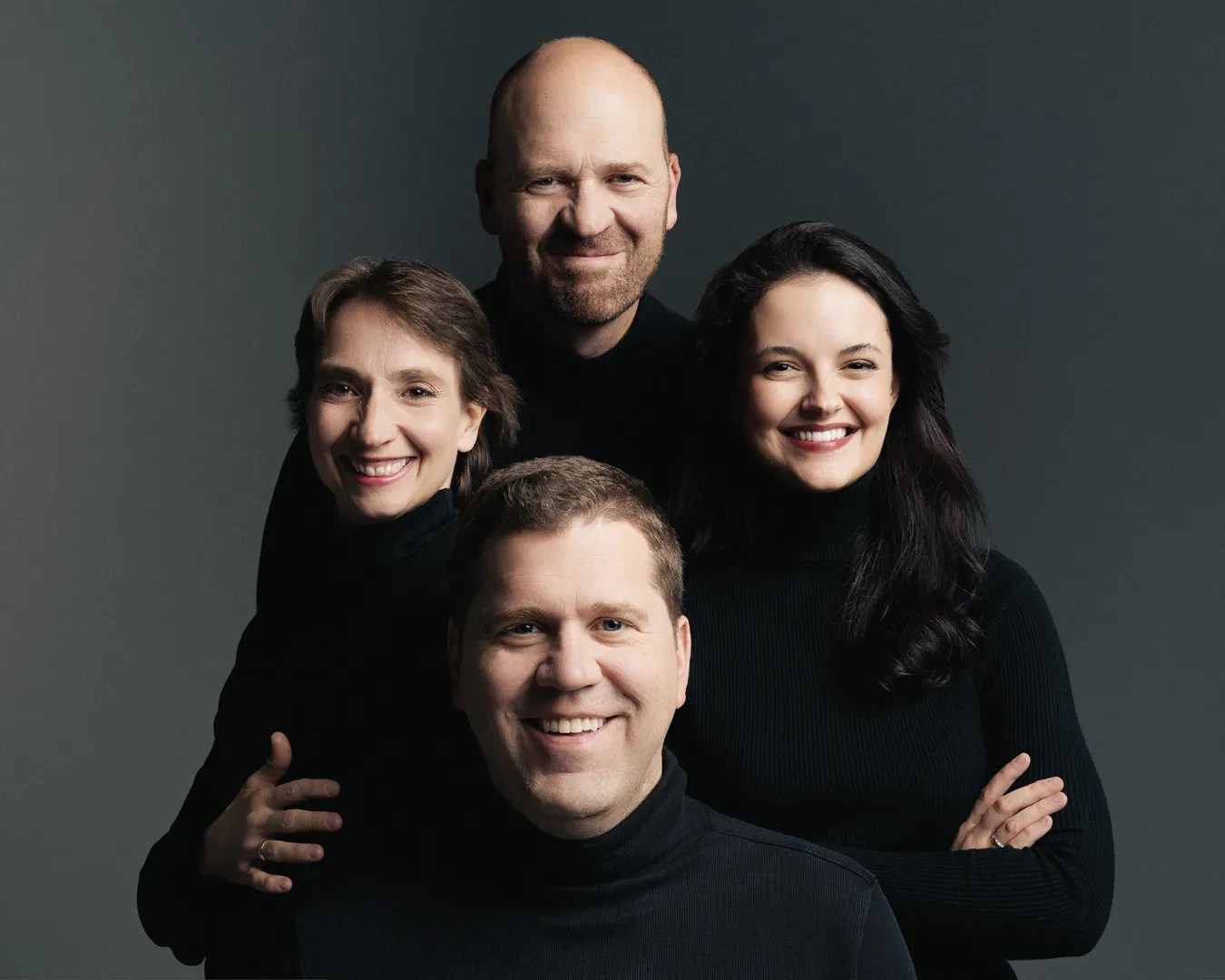
Cuarteto Casals began this BBC Radio 3 Lunchtime Concert with a quartet of movements from The Art of Fugue, Johann Sebastian Bach’s four-part masterpiece of musical counterpoint. The collection has that rare quality of being able to combine technical prowess and emotional substance, and these were evident right from the outset. Initially plaintive, Contrapunctus 1 grew in scope and stature, though while three of the quartet opted against vibrato cellist Arnau Tomàs did not, meaning his instrument was more rounded in tone. A convincing Contrapunctus 4 featured lively exchanges, while Contrapunctus 6 enjoyed the dotted rhythms redolent of a French ‘ouverture’. Finally Contrapunctus 9 was a light-footed dance, its slower theme commendably clear towards the end.
Vera Martínez-Mehner then swapped with Abel Tomàs to assume first violin duties for Joaquin Turina’s chamber tone poem La oración del torero. This vivid account of bullfighters praying for their lives before a fiesta was written in the wake of a scene witnessed by the composer, observng the toreadors ‘backstage’ in the chapel. Martínez-Mehner and Cristina Cordero Beltrán, perhaps unwittingly, were ironically clad in red for a performance that turned up the temperature a good 20 degrees inside the Wigmore Hall. Their highly descriptive account featured castanet evocations that were on point and searching solos that led to a radiant concluding section. Turina’s chamber music is rarely heard in the concert hall, and while this performance revealed a healthy debt to Debussy’s string quartet in particular, it showed off an attractive melodic style. On this evidence it would be rewarding to hear the composer’s string quartets and piano-based chamber music much more frequently.
The temperature cooled notably for the Shostakovich, though here again the quartet were able to use the extremes of their dynamic range. With the String Quartet no.3 closely attuned to the end of the Second World War, it was difficult not to think of telling parallels with the current situation in Russia and Ukraine, evident on every page. The songful melody of Martínez-Mehner’s opening tune cast initial warmth, but this soon dissipated, the quartet’s confidential asides drawing a notably hushed response from the Wigmore Hall audience.
Parallels with Shostakovich’s Eighth Symphony, completed just three years earlier, were revealed – the heavy-set viola tread of the second movement recalling its scherzo, while the solemn fourth movement Passacaglia, placed as in the symphony, found an equivalent emptiness, nowhere more so than in the stricken unison from viola and cello towards the end.
Yet there was hope, as the questioning finale struck a more positive tone in spite of heavy irony, and a cold dread as the Passacaglia music reappeared. The music hung in a still suspension through the coda, in only the way Shostakovich can, revealing answers that were hard to come by while peace and dread co-existed in equal measure. Silence followed, and there was understandably no encore.
Listen
You can listen to this concert on BBC Sounds, until 11 February. Meanwhile click here to listen to a playlist of the works in this concert on Tidal, with the J.S. Bach and Shostakovich recorded by the Cuarteto Casals themselves.