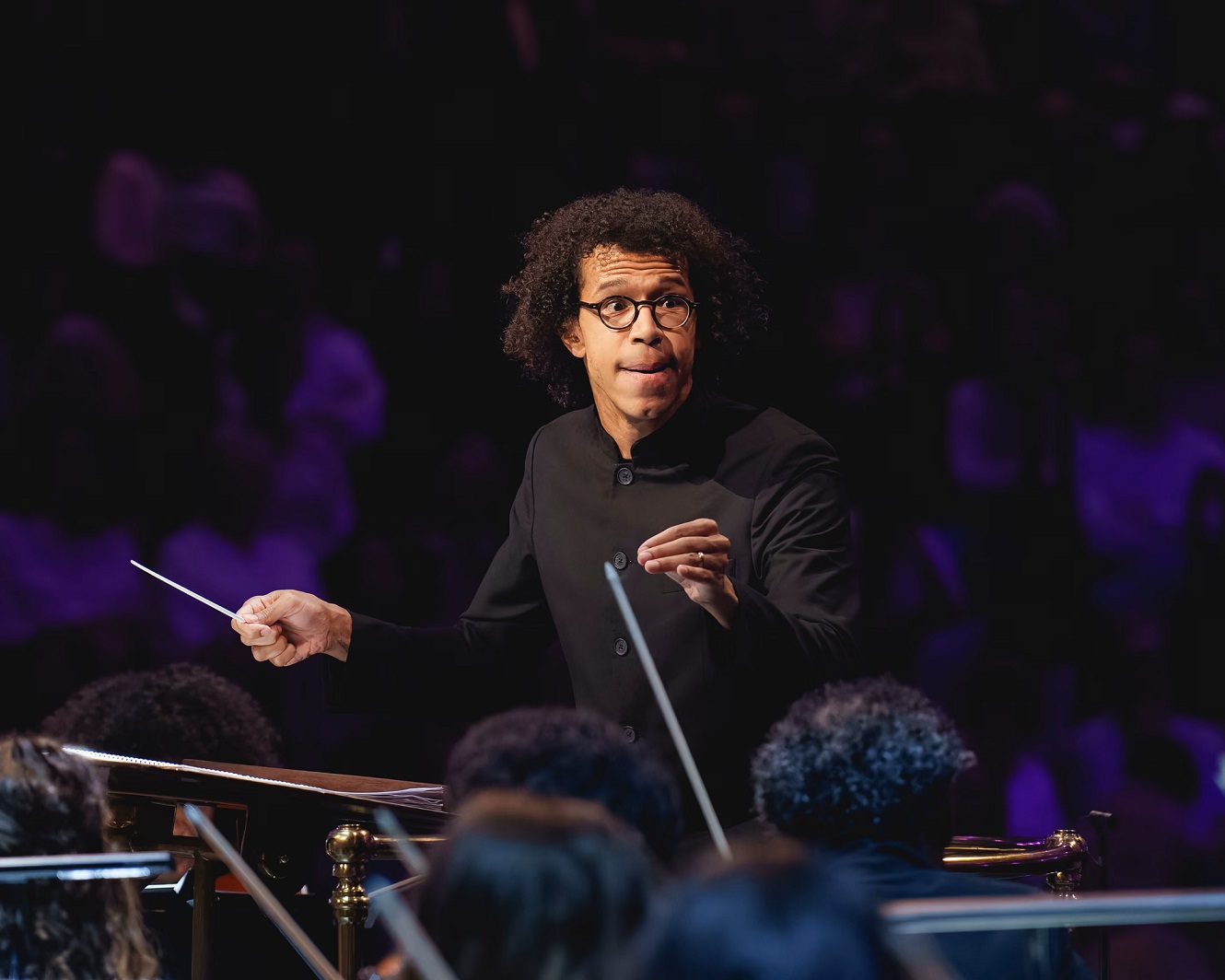
In concert – Chineke! Orchestra / Jonathon Heyward @ BBC Proms: Coleridge-Taylor, Coleman, James Lee III & Shostakovich

Chineke! Orchestra / Jonathon Heyward

Coleridge-Taylor The Bamboula Op.75 (1910)
Coleman Fanfare for Uncommon Times (2021) [UK premiere]
James Lee III Visions of Cahokia (2022) [European premiere]
Shostakovich Symphony no.10 in E minor Op.93 (1953)

Royal Albert Hall, London
Friday 5 September 2025

Reviewed by Richard Whitehouse Photos (c) BBC / Andy Paradise

Sir Simon Rattle may have stood down from his second Prom this season, but as his replacement for Chineke! Orchestra’s eighth appearance here was the highly regarded Jonathon Heyward (current music director of the Baltimore Symphony), a positive outcome was all but ensured.

Curious, if not unexpected, that Samuel Coleridge-Taylor’s The Bamboula enjoyed 16 Prom performances in 22 seasons before going into oblivion for 91 years. Although this ‘Rhapsodic Dance’, inspired by a West African drum that found its way into Haitian spiritual practice, is not among its composer’s major works, the increasingly fluid juxtaposition of animated and soulful dances makes for highly sophisticated light music of its period. Certainly, it came up newly minted in this effervescent and responsive reading under Heyward’s assured guidance.

Two pieces from American composers of the middle generation afforded productive contrast in this first half. Aside from its titular play on Copland’s evergreen, Fanfare for Uncommon Times found Valerie Coleman reflecting societal as well as musical ambiguities in a piece that builds not a little ominously in waves of activity towards a latter half whose interwoven brass and percussion conveys a vibrant if disturbing impression: her call to ‘‘face these ‘uncommon times’ with a renewed sense of hope and determination’’ shot through with not a little anxiety.

From here to James Lee III’s Visions of Cahokia was to be transported back into a Medieval settlement which became a centre for Mississippian culture until its still-unexplained demise in the 14th century. Whatever else, this provided inspiration for an orchestral triptych whose fusing elements from Stravinsky with those of Villa Lobos or even Revueltas was evident in the music’s variegated textures and evocative colours. Effectively a ‘concerto for orchestra’ of compact dimensions yet immediate impact, it might well prove a highlight of this season.
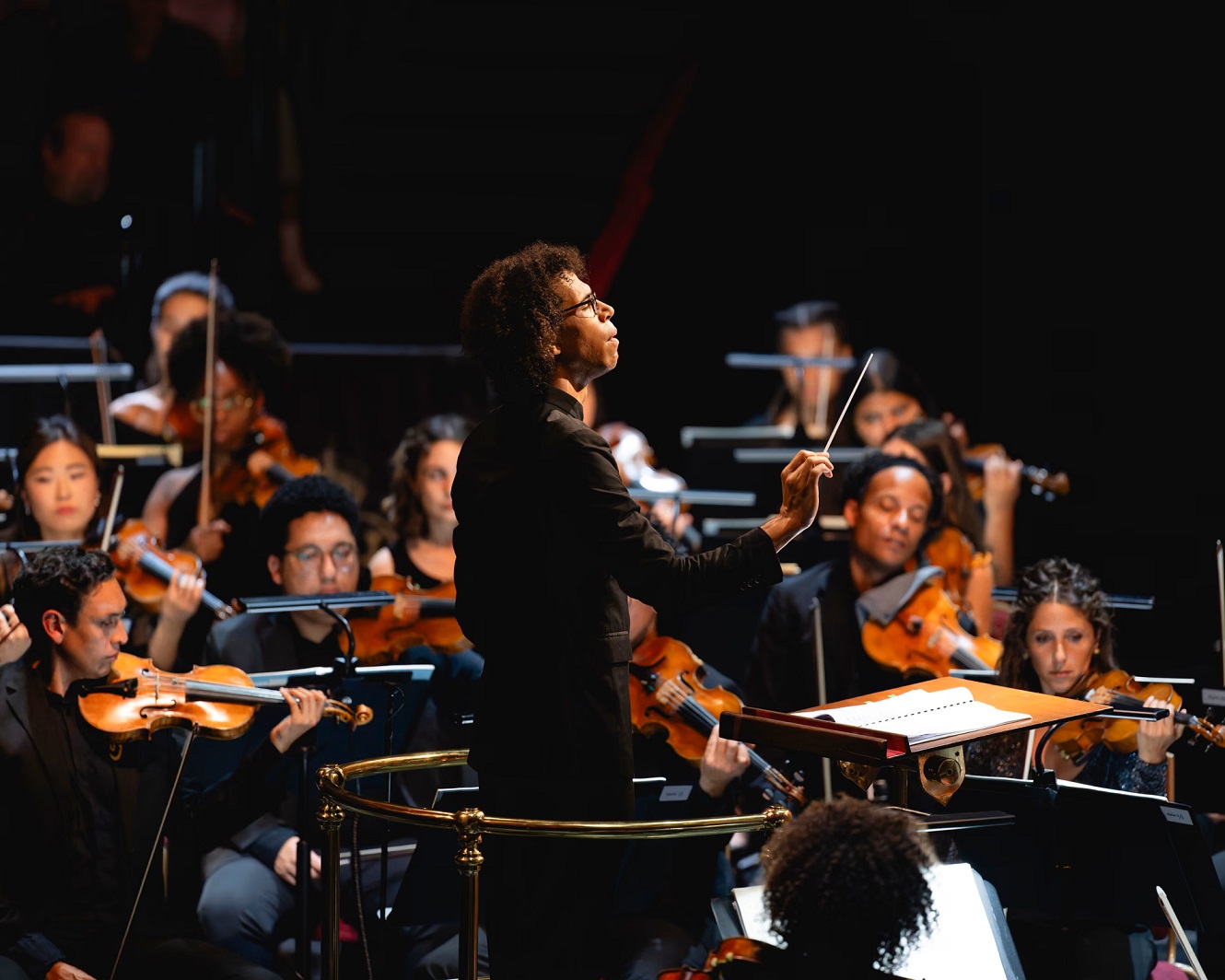
As, interpretively speaking, might the performance of Shostakovich’s Tenth Symphony after the interval. Interesting that this piece is currently the most often heard here of its composer’s symphonies – this being its 36th appearance – with Heyward having its measure not least in an opening Moderato such as built methodically yet assuredly from sombre beginnings to a powerful central climax before regaining its initial introspection. After this, the brief Allegro provided explosive contrast as made its being allegedly a ‘portrait’ of Stalin more irrelevant.

Unexceptionally fine as was Chineke!’s playing in these two movements, it came into its own with the Allegretto that ranks among Shostakovich’s most distinctive and personal creations – not least for its motivic interplay of boundless subtlety capped by a stentorian motto on horn to which Pierre Buizer was in accord. Heyward paced it ideally, as also the lengthy Andante whose plangency is swept aside only to return intensified by the finale’s ensuing Allegro; at the close, giving this music its head on route to a decisive and almost affirmative conclusion.

A memorable reading that rounded off a worthwhile concert and likely this orchestra’s most impressive Proms showing yet. Hopefully Chineke! will go on to tackle further symphonies of the later 20th century – maybe a much-needed UK premiere for Allan Pettersson’s Sixth?

Click on the artist names to read more about the Chineke! Orchestra and conductor Jonathon Hayward, and composers Coleridge-Taylor, Valerie Coleman, James Lee III and Dmitri Shostakovich – and the BBC Proms

Published post no.2,650 – Sunday 7 September 2025
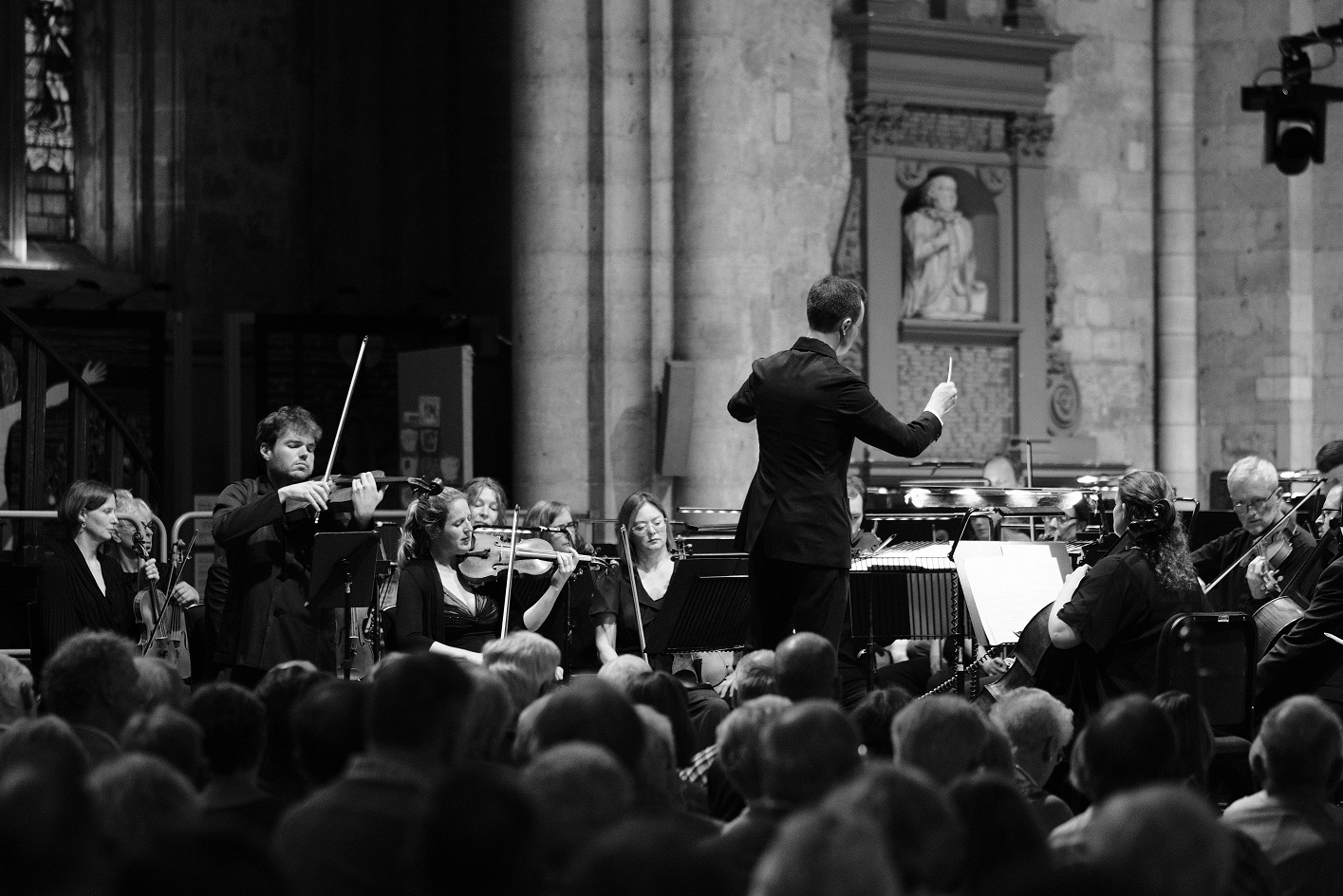
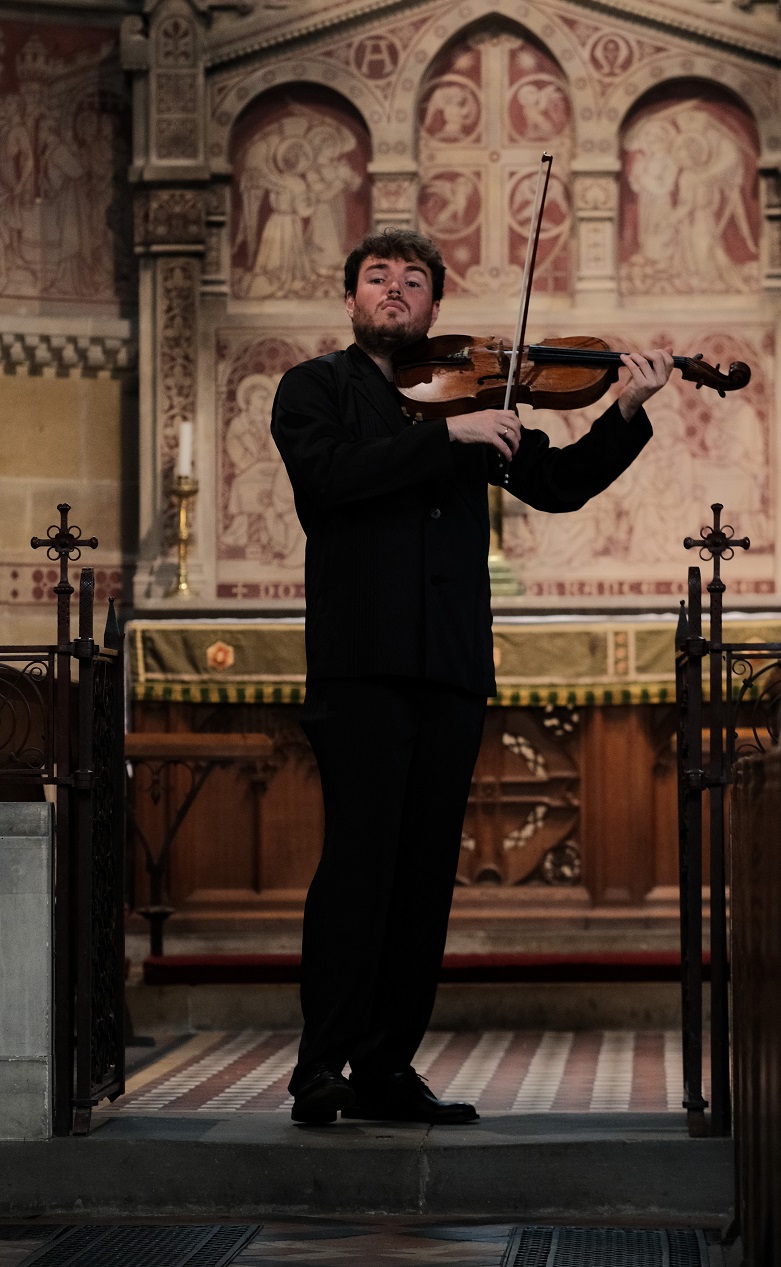
In concert – Ryedale Festival: Timothy Ridout, Orchestra of Opera North / Tom Fetherstonhaugh – Bliss: Viola Concerto first performance; Vaughan Williams, Coleridge-Taylor & Elgar

Timothy Ridout (viola), Orchestra of Opera North / Tom Fetherstonhaugh

Vaughan Williams The Wasps – Overture (1909)
Bliss (orch. Wilby) Viola Concerto, B68a (1933, orch. 2023)
Coleridge-Taylor Solemn Prelude in B minor, Op. 40 (1899)
Elgar Variations on an Original Theme, Op. 36 ‘Enigma’ (1898-99)

Ripon Cathedral
Saturday 19 July 2025

Reviewed by Richard Whitehouse Photos (c) Jonas Cradock

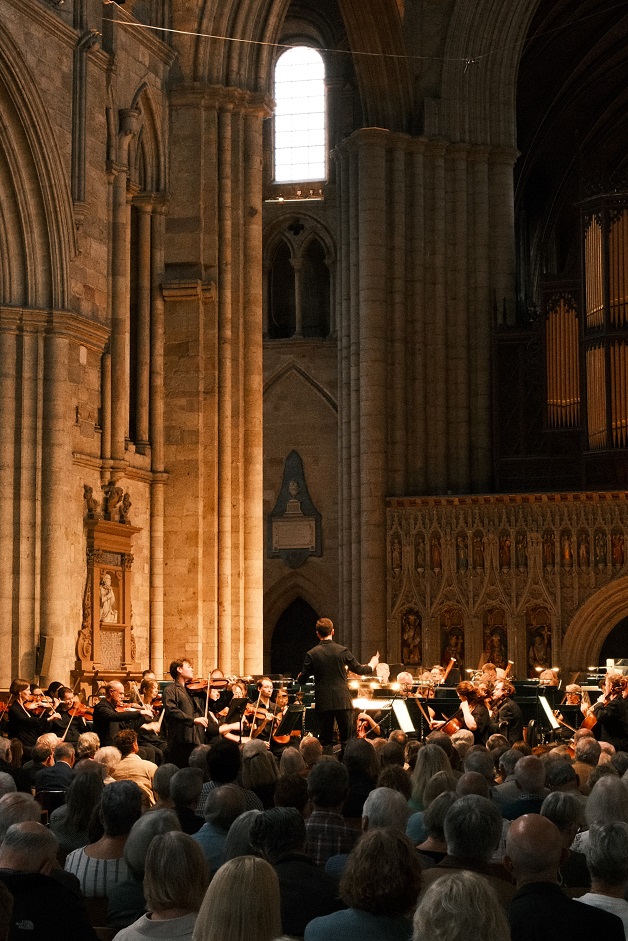
With a variety of activities throughout its region, the Ryedale Festival is now well established among the most wide-ranging of such events 45 years since its inauguration and this evening’s concert showcased the Orchestra of Opera North in the impressive setting of Ripon Cathedral.

The all-British programme centred on the first hearing for a Viola Concerto that Arthur Bliss had always intended to create out of his sonata for that instrument, but has only recently been carried out by Philip Wilby. A former professor of composition at Leeds University, Wilby is best known for his choral and organ music but as was duly confirmed, is an able orchestrator with a keen appreciation of Bliss’ idiom. Hence the successful launch of a piece that deserves to assume its place within the still-limited repertoire of concertante works for this instrument.

That it exists at all was no doubt through the prompting of Lionel Tertis, for whom Bliss wrote his Viola Sonata some 20 years after a single-movement Violin Sonata (never played publicly during his lifetime) as was his only other such duo. Formally it is among his most innovative pieces, the skewed sonata design of its initial Moderato exuding a restive and even impulsive eloquence as responded well to an orchestration which resembles more the intimacy of Bliss’ late Cello Concerto than the full-blooded fervour of his earlier such works for piano or violin.

The ensuing Andante is Bliss at his most personal – its darkly ruminative progress building to an anguished culmination made the more so in this context, before subsiding into the fugitive unease from which it had emerged. There follows a propulsive Molto allegro modelled on the rhythmic syncopation of the Furiant, a scherzo-cum-finale climaxing with a powerful cadenza here forcefully partnered by timpani. After which, the Coda poignantly surveys all that went before in a sustained Andante maestoso as brings about an apotheosis of plangent resignation.

At around 27 minutes, Bliss’s Viola Concerto is equal in its scale as in its expressive reach to comparable works by Hindemith and Walton, so credit to Timothy Ridout (above, among the leading younger violists) that its essence was so tangibly conveyed. Nor was the OON found wanting under the assured direction of Tom Fetherstonhaugh, heard here in an ambience where detail lacked only the final degree of definition. Hopefully a recording will follow of what is likely to be the most important performance scheduled in this 50th anniversary-year of Bliss’ death.

The first half had begun in sparking fashion with the overture Vaughan Williams wrote as part of incidental music for a Cambridge University production of Aristophanes’ satire The Wasps, its incisiveness not precluding an open-hearted response to the ineffable melody at its centre.

A very different proposition duly launched the second half. Solemn Prelude is a characteristic statement by Samuel Coleridge-Taylor that did not merit the total neglect after its premiere at Worcester Cathedral; further hearings only made possible with the score’s belated relocation at the British Library so new parts could be made. Fusing Elgarian nobility with Brucknerian grandeur, any risk of portentousness was countered with an expressive immediacy abetted by Fetherstonhaugh’s flexible control over pace so that a welcome spontaneity came to the fore.

It certainly made an ideal entrée into the ‘Enigma’ Variations. Performances of Elgar’s earliest masterpiece now seem more frequent than ever, and tonight’s had much to commend it. Never fazed by the expansiveness of this acoustic, Fetherstonhaugh opted for mainly swift tempi as might easily have caused blurring in those faster variations had it not been for his scrupulous balance of detail. Elsewhere there was no lack of emotional input, not least during variations VIII-X with the wistfulness of ‘W.N.’ then deftness of ‘Dorabella’ framing a ‘Nimrod’ whose fervour was the greater for its relative urgency. Nor was the ‘E.D.U.’ finale lacking in panache as it brought the whole sequence to a conclusion of ringing affirmation, though it was maybe a pity that this building’s impressive organ could not have been utilized for the closing bars.

What was hardly in doubt was the response that this account received from the near-capacity audience, making one anticipate more such events at Ripon Cathedral in future editions of the Ryedale Festival, as it continues assiduously to promote the cultural life of North Yorkshire.

For more on the festival, visit the Ryedale Festival website, and click on the artist names to read more about violist Timothy Ridout, the Orchestra of Opera North and their conductor Tom Fetherstonhaugh. Meanwhile click to read more on the Arthur Bliss Society and the Samuel Coleridge-Taylor Foundation

Published post no.2,602 – Monday 21 July 2025

In concert – Roberts Balanas, Ealing Symphony Orchestra / John Gibbons: Electrifying Ealing – Bernstein, Ángela Luq, Coleridge-Taylor & Bliss

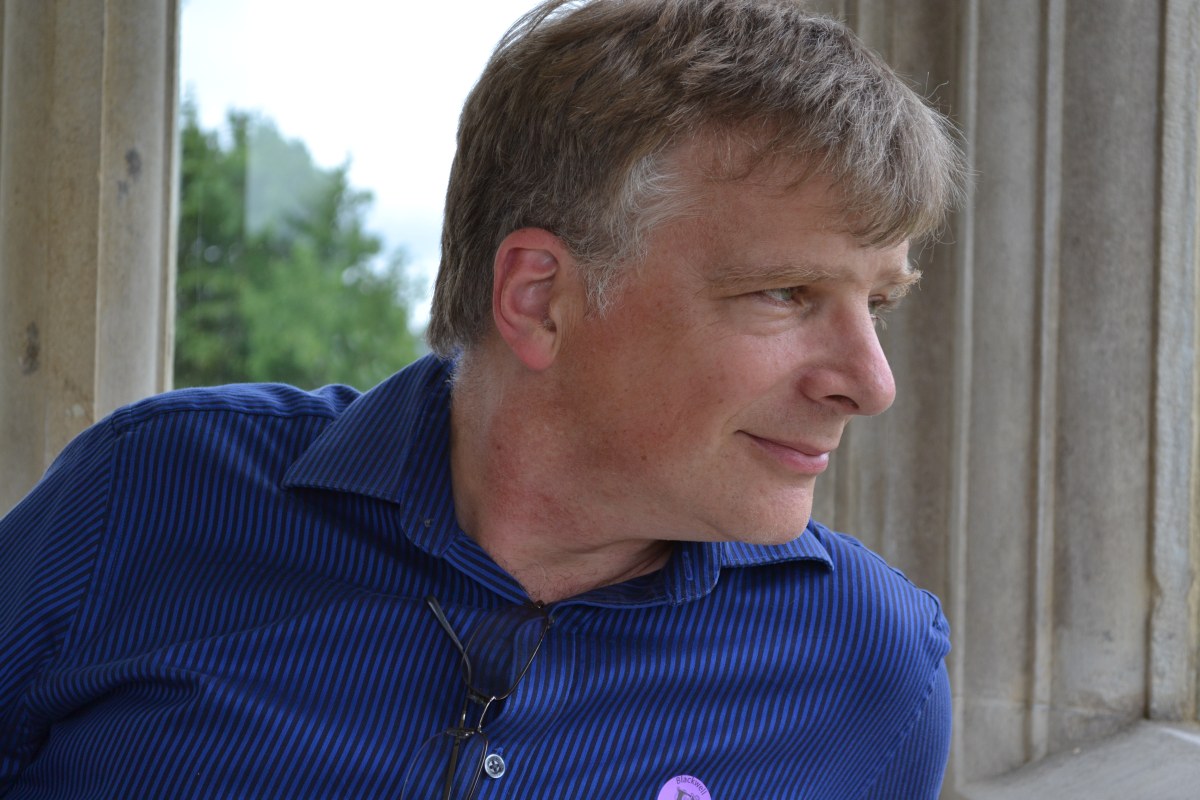
Roberts Balanas (electric violin, below), Ealing Symphony Orchestra / John Gibbons (above)

Bernstein orch. Kostall & Ramin Symphonic Dances from West Side Story (1957 arr. 1961)
Luq Electric Violin Concerto ‘Machina Humana’ (2023-24) [World Premiere]
Coleridge-Taylor Valse de la reine Op.22/3 (1899)
Bliss A Colour Symphony Op.24 (1921-22, rev, 1930)

St Barnabas Church, Ealing, London
Saturday 10 May 2025

Reviewed by Richard Whitehouse Picture of Roberts Balanas (c) Kiril Kozlov

Another typically enterprising concert by the Ealing Symphony Orchestra and its longstanding music director John Gibbons, featuring the first performance (albeit not designated such) of a major work for electric violin and pieces from a diverse trio of British or American composers.

It might have been orchestrated by regular collaborators Irwin Kostall and Sid Ramin, but the Symphonic Dances from Leonard Bernstein’s West Side Story is as characteristic of the latter’s idiom as it is representative of his most successful musical. Rhythmically a little straightlaced in the Prologue, the performance audibly hit its stride with a Somewhere of melting pathos then a vivacious Scherzo leading to an impulsive Mambo, before the insouciant Cha Cha and ominous fugal Cool presaged a visceral Rumble then a Finale of heartfelt eloquence.

Lauded for her work with electronics, Spanish composer Ángela Luq evidently had no qualms when tackling a full-scale concerto for electric violin. Comprising four contrasted movements, Machina humana duly exploits those timbral and expressive possibilities of its solo instrument – whether in the intricate rhythmic dialogues of its opening Machina, the lucid textures and sensuous harmonies of Sueño (Dream), the impulsive conflict between soloist and orchestra of Animal, then the surging emotions of the final Amar (Love). Musical content may have lacked memorability, with the work rather falling short of its ambition (at least as expressed in the composer’s programme note), but the virtuosity or finesse of Roberts Balanas in realizing this innovative project was unarguable, with the Ealing SO audibly relishing its involvement.

No doubt this piece will secure even greater attention when soloist, orchestra and conductor tour it to Latvia in due course. Maybe on that occasion Gibbons will take the opportunity to give what would likely a first hearing there of Valse de la reine by Samuel Coleridge-Taylor. Third in a sequence of Four Characteristic Waltzes, this is a reminder that its composer was highly adept at ‘light’ music; its halting gait and its affecting lyricism to the fore in what was a welcome revival and a pertinent reminder of his legacy at the time of his premature death.

It also made a telling entrée into A Colour Symphony by Arthur Bliss. This 50th anniversary-year of his passing has led to a notable upsurge in performance and not least of what remains his best-known orchestral work. Whether or not Gibbons has previously conducted it, he had the measure of this piece. Purple made for a thoughtful yet never turgid prelude; one whose stately processional found immediate contrast in the alternate impetus and effulgence of the scherzo that is Red. Nor was there any underplaying of that ambivalent and even ominous element which underpins the outwardly placed unfolding of Blue, a slow movement which leads effortlessly into the finale that is Green with its intricately arrayed double-fugue that builds to a peroration whose outcome is a true declaration of intent thrillingly conveyed here.

An impressive performance, then, which once again confirmed Gibbons’s prowess across the broad spectrum of British orchestral music. Hopefully the Ealing SO will be able to include more Bliss in future programmes, this being music it had clearly taken to its collective heart.

Published post no.2,541 – Thursday 22 May 2025

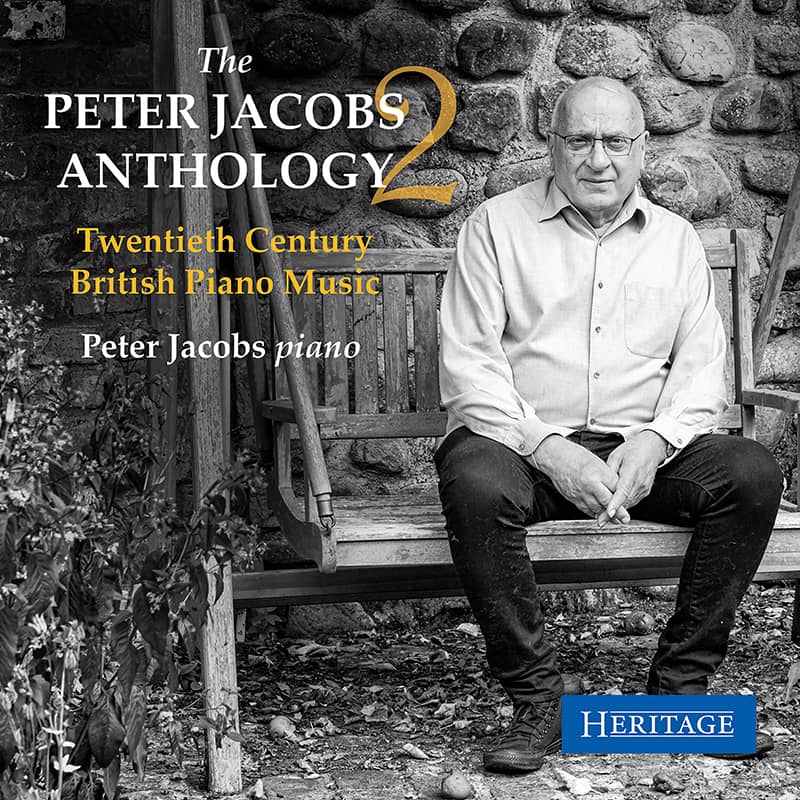
On Record – The Peter Jacobs Anthology Vol. 2 – Twentieth Century British Piano Music (Heritage)

Coleridge-Taylor Petite Suite de Concert Op.77 (1911)
Cooke High Marley Rest (1933)
Delius Mazurka and Waltz for a Little Girl RTIX/7, 1 & 2 (1922-3)
Headington Toccata (1963)
Rubbra Eight Preludes Op.131 (1967)
Scott Lotus Land Op.47/1 (1905)
Armstrong Gibbs Lakeland Pictures Op.98 (1940) – no.2, After Rain (Rydal Beck); no.8, Quiet Water (Tarn Howe)
Baumer Idyll (1935)
Mayer Calcutta-Nagar (1993)

Peter Jacobs (piano)

Heritage HTGCD131 [73’30″]
Producer & Engineer Paul Arden-Taylor

Recorded 14 & 16 September 2014 at Wyastone Concert Hall, Wyastone Leys, Monmouth

Reviewed by Richard Whitehouse

What’s the story?

Heritage extends an already extensive discography of British music with its follow-up to the Peter Jacobs Anthology, a further volume featuring collections of or standalone miniatures with a wide range of musical idioms given focus through the persuasiveness of the pianism.

What’s the music like?

Among the miscellaneous pieces included here are Greville Cooke’s ruminative ‘portrait’ of the home of pianist (and his former teacher) Tobias Matthay, Delius’s respectively pert and fey offerings, or Christopher Headington’s scintillating study for John Ogdon. Cyril Scott’s evergreen is treated to a subtly understated reading, while two out of a set of eight by Cecil Armstrong Gibbs provide enticing evocations of Rydal Beck then Tarn Howe – their innate Englishness sounding removed from the overtly Russian manner of that from Cecil Baumer.

Forming the backbone of this collection are three sets that in themselves attest to the variety of the music featured. Best known in its orchestral guise (a recording of which can be found on Heritage HTGCD249), Samuel Coleridge-Taylor’s Petite Suite de Concert is light music of a superior kind – witness its flighty initial Caprice, its ingratiating Sonnet or its lively closing Tarantelle, though its ostensible highlight is Demande et Réponse whose alluring sentiment helped with keeping the composer’s memory alive prior to his belated rediscovery.

Other than figuring among its composer’s later works, the Eight Preludes by Edmund Rubbra could hardly have been more different. As with his Eighth Symphony written soon afterward, these short while arresting pieces likewise focus on specific musical intervals rather than any overall key scheme, though their cohesiveness heard as an integral sequence could never be in doubt. Introspective without being inscrutable, this is wholly absorbing music and Jacobs accords ample justice to what is only the second complete recording this set has yet received.

As the most unlikely inclusion, John Mayer’s Calcutta-Nagar proves nothing less than a total delight. Known primarily for his syntheses of Indian and European elements, notably through the group Indo-Jazz Fusions, Mayer wrote extensively for Western media with this collection a notable instance. Only two of its 18 pieces last over a minute, yet their capturing of places recalled from the Calcutta of the composer’s youth is absolute. Jacobs notes his favourite as being the 13th (Kali Temple), but listeners will doubtless come up with their own favourites.

Does it all work?

Yes, whether as a judiciously planned collection or an anthology from which one can select individual items as preferred. The three collections are each among the most distinctive of its kind, while they and the various individual pieces provide ready-made encores in recital. Evidently this is music which Jacobs has long included in his repertoire, the performances exuding that combination of technical finesse allied to a probing insight as have long been hallmarks of his interpretations. Those who are unfamiliar with this music are in for a treat.

Is it recommended?

Indeed, not least as the sound has a combination of clarity and warmth ideal for piano music. The pianist pens informative notes, and one hopes that there will be further such anthologies. Meanwhile, Jacobs approaches his 80th birthday (this August) with his pianism undimmed.

Listen & Buy

For purchase options, you can visit the Heritage Records website

Published post no.2,448 – Monday 17 February 2025

In concert – Jenebah Kanneh-Mason, CBSO / Andrew Gourlay: Coleridge-Taylor, Rachmaninoff & Wagner

Jenebah Kanneh-Mason (piano), City of Birmingham Symphony Orchestra / Andrew Gourlay

Coleridge-Taylor Ballade in A minor Op.33 (1898)
Rachmaninoff Piano Concerto No. 2 in C minor, Op. 18 (1900-01)
Wagner arr. Gourlay Parsifal Suite (1877-82, arr. 2017-18)

Symphony Hall, Birmingham
Thursday 12 October 2023 (2.15pm)

Reviewed by Richard Whitehouse

A regular collaborator with the City of Birmingham Symphony Orchestra over recent seasons, Andrew Gourlay returned to Symphony Hall this afternoon for a varied programme of music from the late nineteenth-century and one where his input extended to more than conducting.

The resurgence of interest in Samuel Coleridge-Taylor’s music continues apace, his Ballade a success at the Three Choirs Festival and no less an effective concert-opener today. Gourlay drew a keen rhythmic impetus from its outer sections, while making the most of the surging melody that comes between before it returns to dominate the closing pages. What (if anything more specific) this piece might be about remains uncertain, but its undeniable impulsiveness of expression carries all before it, not least in so vibrant and committed a performance as this.

Rachmaninoff’s Second Piano Concerto has never been more ubiquitous than it is today, and it takes a performance of some distinction to experience it afresh. That was not the case here, even though Jeneba Kanneh-Mason certainly contributed pianism of a high order – elegance of touch combined with crystal-clear articulation as made those more understated passages a pleasure to behold. What it lacked was greater projection elsewhere – piano all but inaudible at the climax of the first movement, despite Gourlay reining in orchestral dynamics – or that sense of the work as a long-term, cumulative entity. Intimate and confiding, the Adagio was the undoubted highlight and though the scherzando sections of the finale lacked a degree of incisiveness, the ‘big tune’ was eloquently rendered when it returned as a fervent peroration.

Overall, if this was a performance not quite the sum of its best parts, it confirmed this latest addition to the Kanneh-Mason dynasty is shaping up as a pianist with whom to reckon – as was demonstrated by her capricious take on Rachmaninoff’s Prelude in A flat major Op.23/8.

Symphonic syntheses from Wagner’s music-dramas (latter-day equivalent of those ‘bleeding chunks’ beloved of an earlier generation) have enjoyed something of a vogue in recent years, though Gourlay’s Parsifal Suite feels both more modest and more successful in its ambitions.

Writing in the programme, the conductor explained his concern had been to draw this opera’s numerous orchestral passages into a continuous as well as a cohesive sequence, with no need for ‘outside’ linking material. This he achieved by reordering those seven sections in question such that one segued naturally into the next. Thus the Prelude to Act One – opulent but never portentous – was followed by the Good Friday Music from Act Three, its beguiling pathos a perfect foil for the anguished Transformation Music from Act Three then the desolate Prelude to Act Three; now finding its continuation in the volatile Prelude to Act Two, before dramatic and musical equilibrium is restored with the Transformation Music from Act One – its stately progress here making possible the Finale to Act Three with its serenely enveloping catharsis.

Certainly, anyone deterred by the formidable length and gravitas of the complete opera will find Gourlay’s suite conveys its essence – not least as rendered with such poise and insight by the CBSO, in excellent shape prior to touring Germany and Switzerland later this month.

You can read all about the 2023/24 season and book tickets at the CBSO website. Click on the artist names for more information on pianist Jeneba Kanneh-Mason and conductor Andrew Gourlay, and for more on composer Samuel Coleridge-Taylor. Andrew Gourlay’s recording of the Parsifal Suite is available through Orchid Classics, and can be listened to below:

Published post no.1,979 – Sunday 17 October 2023