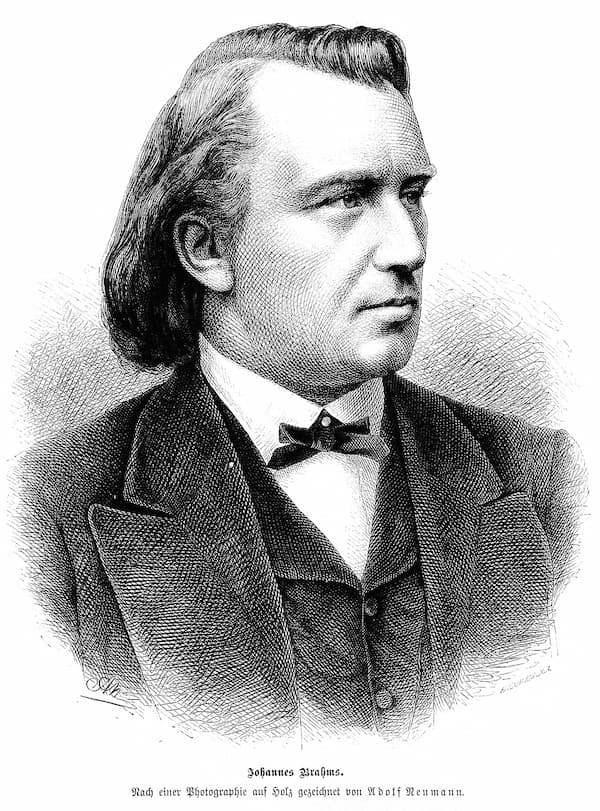
On this day in 1881, Johannes Brahms took to the stage to play in the world premiere of his Piano Concerto no.2 in B flat major, Op.83, with Alexander Erkel conducting the Budapest Philharmonic Orchestra.
The concerto is one of the biggest in the repertoire. Set in four movements and lasting well over 40 minutes, it is more symphonic in structure, with demands of stamina and technique for the soloist that complement the more tempestuous Piano Concerto no.1.
The Second is a more obviously graceful work, from the lilting horn theme at the start to its elegant slow movement, where a solo cello plays a particularly beautiful melody. There are moments of grandeur – especially in the first two movements – while the finale is a dance, light on its feet and brimming with good spirits.
You can listen to a performance below from Yefim Bronfman, with Sir Antonio Pappano conducting the Verbier Festival Orchestra:
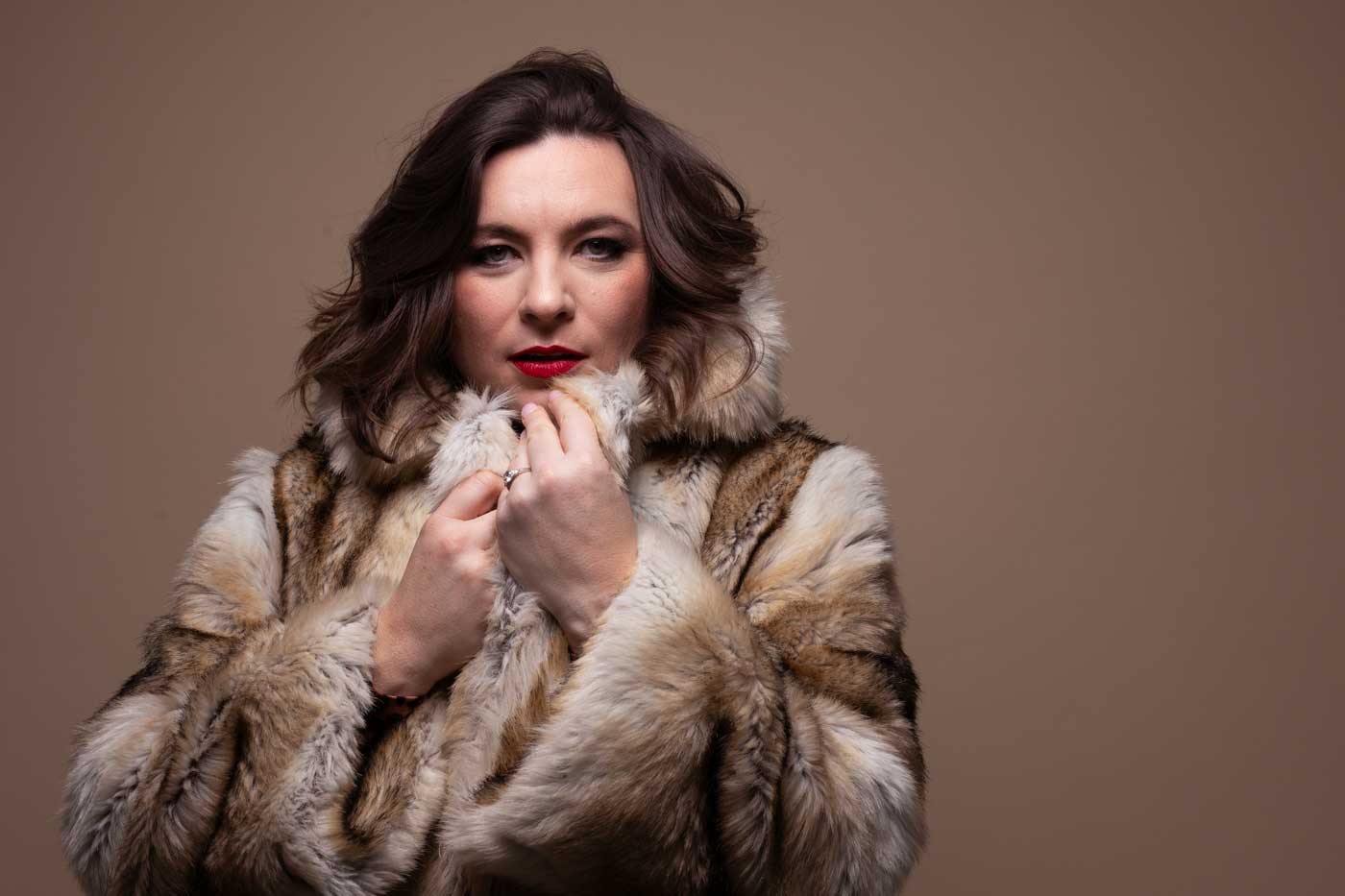
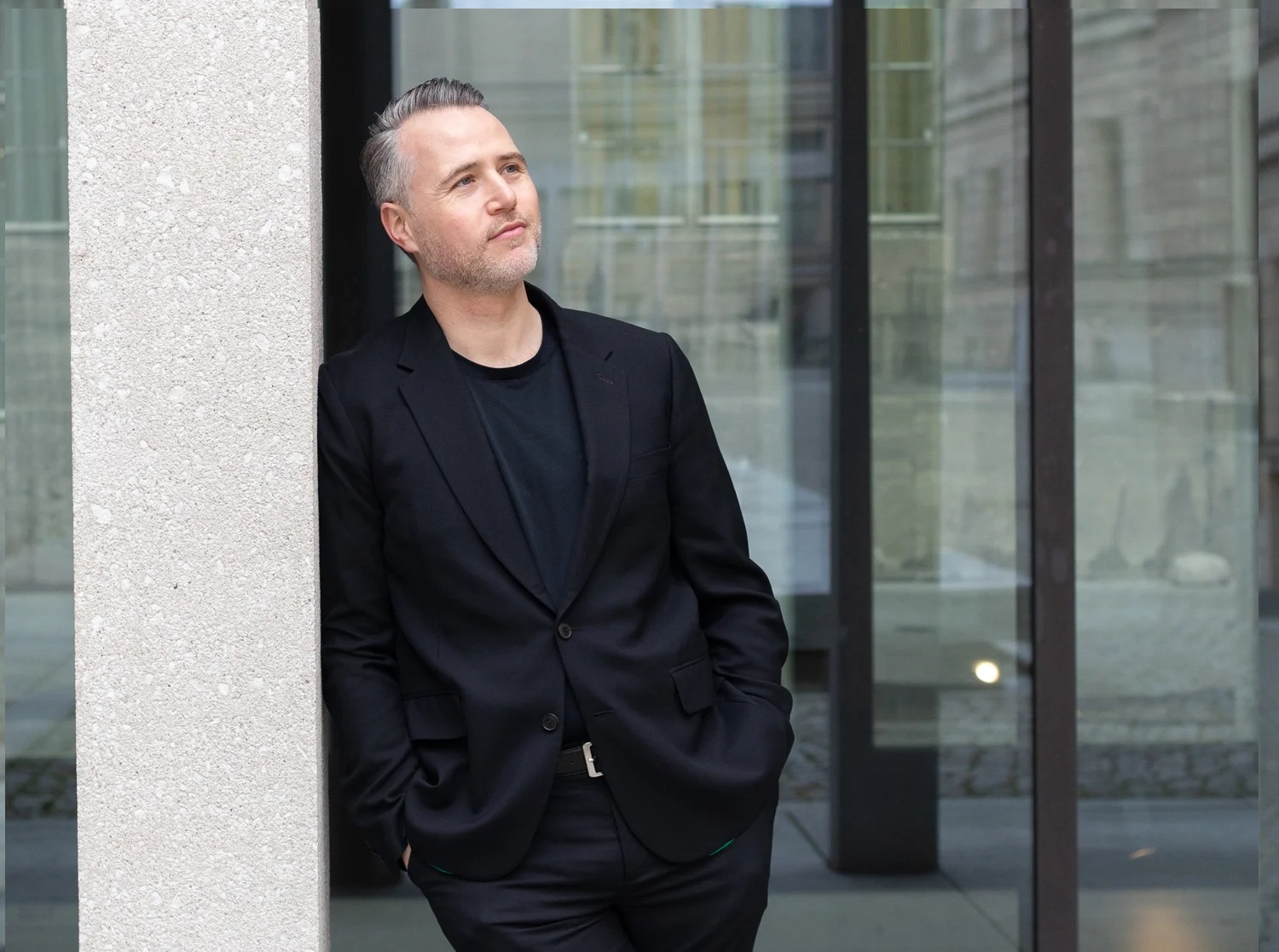
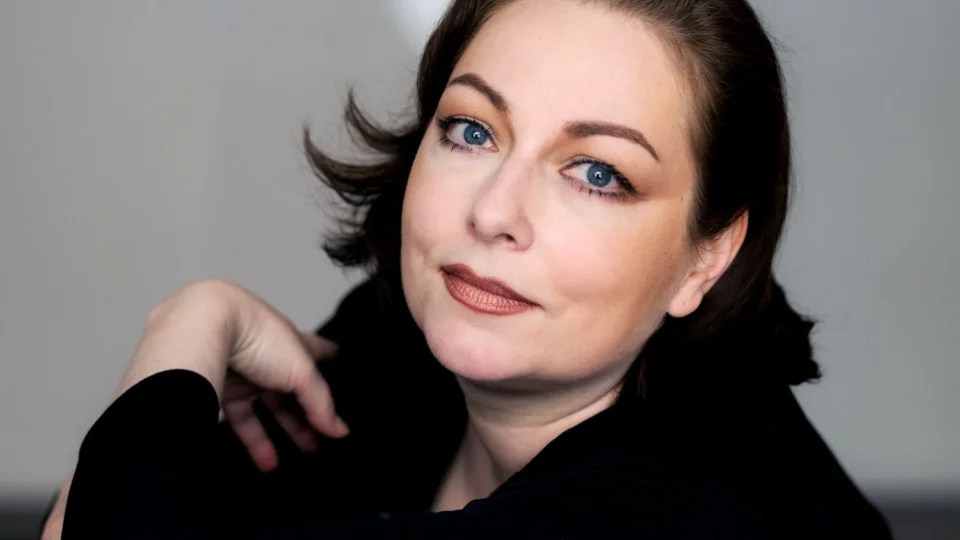
Dorothea Röschmann, soprano & Joseph Middleton, piano Saturday 1 November 2025, 7.30pm Bliss Song Series, Pembroke Auditorium, Cambridge
Don’t miss this exceptional recital by Grammy Award-winning soprano Dorothea Röschmann and world-renowned pianist Joseph Middleton, featuring an evocative programme of Schubert, Brahms, Schoenberg and Weill.
Celebrated for her “superbly expressive and richly coloured” voice (The Guardian), Röschmann is one of the most compelling recitalists of her generation. Her artistry brings rare emotional depth to repertoire ranging from the Romantic to the cabaret-influenced songs of 20th-century Berlin. She is joined by Joseph Middleton, praised by The New York Times as “the perfect accompanist” and Artistic Director of the Bliss Song Series—the East of England’s leading platform for song.
Experience two of the world’s finest recital artists in an evening of profound storytelling, wit, and beauty.
Here they are in concert at the Leeds Lieder Festival in 2022:
Their program on Saturday is as follows:
SCHUBERT
Romanze aus Rosamunde
Des Mädchens Klage
Auf dem Wasser zu singen
Der Tod und das Mädchen
Die junge Nonne
Nachtstück
Nacht und Träume
Der Zwerg
BRAHMS
Vier ernste Gesänge
– Interval –
SCHOENBERG
Galathea
Gigerlette
Der genugsame Liebhaber
Mahnung
Arie aus dem Spiegel von Arkaien
KURT WEILL
Berlin im Licht
Je ne t’aime pas
Klops Lied
Nana’s Lied
Youkali
🎟 Student tickets: £5 + £2.50 booking fee
Pre-concert talk: 6.45pm Dr Jane Hines, specialist in German Romantic poetry, Gonville & Caius College Dr Jane Hines | Gonville & Caius
Published post no.2,703 – Thursday 30 October 2025
Ruby Hughes (soprano), Natalie Clein (cello), Julius Drake (piano)
Schubert arr. Jones Der Hirt auf dem Felsen (The Shepherd on the Rock) D965 (1828) Kodály Sonatina for cello & piano (1922) Tavener Akhmatova Songs: Dante, Boris Pasternak, Dvustishie (Couplet) (1993) Brahms 2 Songs Op.91 (1884) Trad arr. Britten I wonder as I wander (1940-41), At the mid hour of night (Molly, my dear), How sweet the answer (The Wren) (both 1957) Deborah Pritchard Storm Song (2017) Janáček Pohádka (Fairy tale) (1910, revised 1923) Ravel Kaddisch from 2 Mélodies hébraïques (1914) Bloch From Jewish Life (1924) Schubert Auf dem Strom (On the river) D943 (1828) (Encore) Berlioz La Captive
Queen Elizabeth Hall, London, 27 June 2025
by John Earls. Photo credits (c) Philip Sharp (above), John Earls (below)
Two of the most affecting sections of Ruby Hughes’ excellent 2024 album with the Manchester Collective End of My Days are three of John Tavener’s Akhmatova Songs (Dante, Boris Pasternak and Couplet) and Maurice Ravel’s Kaddish (from 2 Mélodies hébraïques).
These also featured to dramatic effect in this fascinating concert programme of Schubert and Other Folksongs spanning two centuries, where Hughes was joined by Natalie Clein (cello) and Julius Drake (piano).
In this performance the Tavener song miniatures were performed for voice and cello and were at turns powerful, beautiful and urgent across their nine-minute duration. The prolonged silence from the audience afterwards was noticeable. Ravel’s lament-like Kaddish, this time for voice and (sparse) piano, was similarly respectfully performed and observed.
There were non-vocal pieces for cello and piano where Clein and Drake displayed what a well matched duo they are. Zoltán Kodály’s Sonatina was luminescent, Leoš Janáček’s Pohádka absorbing (not least the cello bowing and pizzicato) and Ernest Bloch’s From Jewish Life was both lovely and mournful.
But this was a concert where Ruby Hughes’ amazing voice was to the fore but often in an understated, but no less impactful way. The captivating trio of Benjamin Britten folksong arrangements with their minimal piano trills were a case in point.
The trio performances were also impressive in their delivery and range. Brahms’ 2 Songs (Op.91) were both gorgeous, while Deborah Pritchard’s Storm Song (from 2017, the most recently written piece) was powerfully unnerving between its haunting start and end (the composer was in the audience to take a well deserved bow).
The concert was bookended by two songs written by Franz Schubert shortly before his death in 1828 at the age of just 31. As David Kettle remarks in his excellent programme notes, to call them simply songs is to do them a disservice. Der Hirt auf dem Felsen (The Shepherd on the rock), arranged by Peter Jones for voice, cello (replacing the clarinet) and piano, traversed a journey of yearning and joy that was both delicate and impassioned. The closing Auf dem Strom (On the river) saw Hughes capturing the drama convincingly throughout.
An encore of Berlioz’s La Captive concluded this concert that combined fascinating and thoughtful programming with performances of beautifully judged expression.
Stephen Waarts (violin), City of Birmingham Symphony Orchestra / Mirga Gražinytė-Tyla
Brahms Violin Concerto in D major Op.77 (1878) Weinberg Symphony no.5 in F minor Op.76 (1962)
Symphony Hall, Birmingham Wednesday 11 June 2025
Reviewed by Richard Whitehouse Picture of Stephen Waarts (c) Maarten Kools
Seriously disrupted as it was by the pandemic and attendant lockdowns, the period of Mirga Gražinytė-Tyla as music director of the City of the Birmingham Symphony Orchestra (2016-22) was a successful one, especially in terms of bringing unfamiliar music to the orchestra’s repertoire.
Not least that by Mieczysław Weinberg, his Fifth Symphony tonight receiving only its second UK hearing, almost 63 years after Kiril Kondrashin and the Moscow Philharmonic had given it at the Royal Festival Hall while on tour. Weinberg was unable to attend and the performance attracted minimal comment, but the Fifth is arguably the greatest among his purely orchestral symphonies – a work whose size and scope had merely been hinted at by its predecessors. Six decades on and those qualities confirming its significance then still ensure its relevance today.
The influence of Shostakovich’s Fourth Symphony, written over a quarter century earlier but premiered just months before, has often been noted but whereas this piece is inclusive to the point of overkill, Weinberg’s Fifth has a formal rigour and expressive focus as could only be that of full maturity. Not least in the moderately-paced opening Allegro, its content deriving from the pithy motifs on lower strings and trumpet heard against oscillating chords on upper strings at the outset, and which builds to a febrile culmination before retreating into agitated uncertainty. MGT has its measure as surely as that of the ensuing Adagio, its threnodic string writing palpably sustained prior to a heartfelt climax; either side of which, woodwind comes into its own in a slow movement comparable to that of Shostakovich’s own Fifth Symphony.
Playing without a pause, the latter two movements consolidate the overall design accordingly. Thus, the scherzo-like Allegro alternates furtive anticipation and barbed anger with a dextrous virtuosity that found the CBSO at its collective best – subsiding into a finale whose Andantino marking rather belies the purposefulness with which it elaborates on earlier ideas as it builds towards a searingly emotional apex. Once again, however, the music winds down into a coda whose rhythmic pulsing underpins resigned solo gestures at the close of this eventful journey.
Whether or not Brahms’s Violin Concerto was an ideal coupling, it certainly received a most impressive reading by Stephen Waarts (above). Winner of the 2014 Yehudi Menuhin International and 2015 Queen Elizabeth competitions, this was his debut with the CBSO but there was no lack of rapport – not least an imposing first movement whose technical challenges were assuredly negotiated and with a rendering of the Joachim cadenza that integrated it seamlessly into the overall design. Waarts’ interplay with woodwind in the Adagio was never less than felicitous, then the finale pivoted deftly between panache and insouciance on its way to a decisive close. MGT was as perceptive an accompanist as always, with an encore of the opening ‘L’Aurore’ movement from Eugène Ysaÿe’s Fifth Solo Sonata an appropriate entrée into the second half.
Ultimately, though, this concert was about MGT’s continued advocacy of Weinberg as of her association with the CBSO. Good news that the Fifth Symphony has been recorded for future release by Deutsche Grammophon, so enabling this fine performance to be savoured at length.
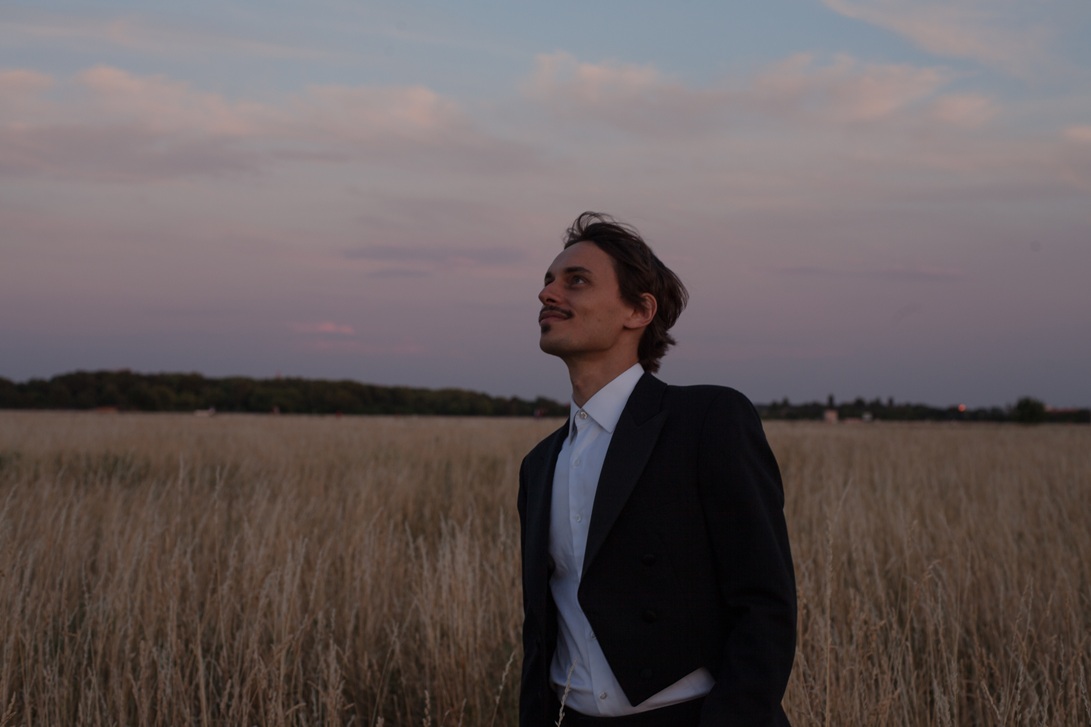
Jong-Gyung Park (piano, below), Tonbridge Philharmonic Orchestra / Oliver Cope (above)
Tchaikovsky Romeo & Juliet Fantasy Overture (1869, rev. 1880) Rachmaninov Rhapsody on a Theme of Paganini Op.43 (1934) Brahms Symphony no.4 in E minor Op.98 (1884-5)
Chapel of St Augustine, Tonbridge School, Tonbridge Saturday 22 February 2025
Reviewed by Ben Hogwood Photos of Oliver Cope, Chapel of St Augustine (c) Ben Hogwood
This was the first concert for the Tonbridge Philharmonic Orchestra under their interim musical director Oliver Cope, in the position while current incumbent Naomi Butcher is on maternity leave. On this evidence he has quickly built a rapport with the orchestra, already in fine fettle under Butcher’s recent direction. On this occasion they responded with a memorable concert of Romantic favourites, given in the spectacular setting of the Chapel of St Augustine in Tonbridge School.
It is easy to take Tchaikovsky’s inspiration for granted, for his storytelling and melodic gifts are so abundant that his best music flows irrepressibly. Such is the case with the Romeo & Juliet Fantasy Overture, in spite of the two revisions required for its composer to be fully satisfied. Cope was an athletic presence on the podium as the orchestra responded with a dramatic account of the lovers’ story, the sword duel between Mercutio and Tybalt particularly vivid, while the soaring love theme tugged at the heartstrings. With fire and brimstone, and crisp ensemble playing, this performance lit the touch paper at the start of the evening.
If anything, Rachmaninov’s Rhapsody on a Theme of Paganini was even better. This was because Jong-Gyung Park (above), the popular rehearsal pianist with the Tonbridge Philharmonic Choir, delivered a sparkling account of the theme and its 24 variations. Cope threw down the gauntlet with a brisk tempo, yet Park rose to the challenge by taking control of even the quickest exchanges. There was an instinctive flow through the first six variations, the mood acquiring an appropriate chill as the Dies Irae was introduced in the seventh. From here the music travelled down darker roads, though still found time for a baleful sixteenth variation, before a shiver could be felt in the air as the seventeenth took hold. The famous eighteenth variation was lovingly delivered, before a flight to the finish that saw Park dazzle with her virtuosity, never losing sight of the whole picture.
To complete a challenging program, Brahms’s Symphony no.4 – and after initial hesitation, a convincing interpretation revealing this work’s unique bridges to the past – notably Bach – and the future, with Schoenberg on the horizon. There was an attractive open-air quality to much of the orchestra’s music making, with the second movement becoming a spring-like counterpart to the obdurate first. The scherzo built on this, dancing with a smile on its face. Flautist Rebecca Rees led a fine woodwind section in the second movement, where the horns, led by Paul Kajzar, were suitably fulsome. They were to prove critical to the success of the finale as the passacaglia developed, capping a performance with serious outlines but shot through with bursts of optimism suggesting Brahms still had a great deal to be thankful for later on in life. It put the seal on an extremely impressive concert.