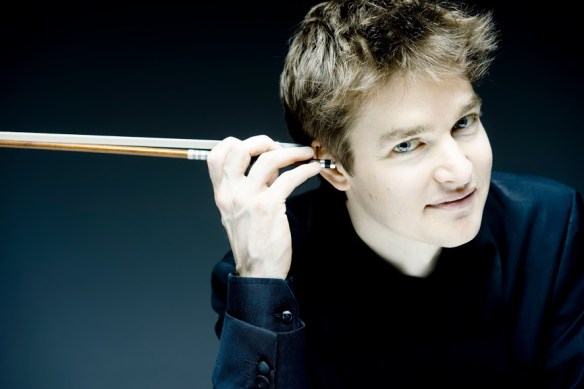
Wigmore Mondays: Catriona Morison & Yuka Beppu in songs by Brahms, Korngold & Mahler

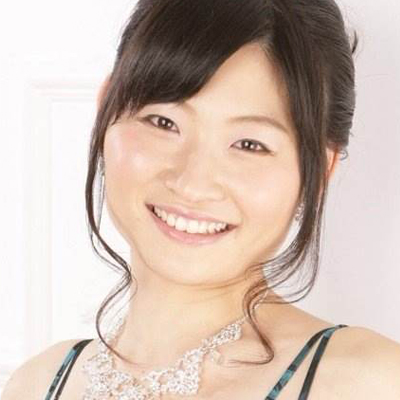
Catriona Morison (mezzo-soprano, above), Yuka Beppu (piano, below)

Brahms Meine Liebe ist grün Op. 63/5 (1873) (2:01-3:27), Alte Liebe Op. 72/1 (c1876) (3:37-6:37), Geheimnis Op. 71/3 (6:48-8:50) (1877), Ständchen Op.106/1 (c1888) (8:54-10:21), Immer leiser wird mein Schlummer Op.105/2 (1886) (10:32-13:30), Dein blaues Auge hält so still Op.59/8 (1873) (13:37-15:20) and Von ewiger Liebe Op.43/1 (1864) (15:25-19:13)
Korngold 5 Lieder Op. 38 (1947) – Glückwunsch (21:35-24:06); Der Kranke (24:11-26:10); Alt-spanisch (26:25-27:44); Alt-englisch (27:49-28:45), Kein Sonnenglanz im Auge (28:46-30:44)
Mahler Rückert Lieder (1901-2) Ich atmet’ einen linden (32:59-35:20) Blicke mir nicht in die Lieder! (35:24-36:33); Liebst du um Schönheit (36:43-39:12); Um Mitternacht (39:21-45:22); Ich bin der Welt abhanden gekommen (45:35-51:50)

Wigmore Hall, London; Monday 8 October 2018

You can listen to the BBC Radio 3 broadcast by clicking here

Written by Ben Hogwood

Catriona Morison and Yuka Beppu began their first recital at the Wigmore Hall with a group of seven Brahms songs, drawn mostly from the composer’s forties and fifties. There was an immediate surge of headstrong passion with the music of Meine Liebe est grün (My love’s as green) (2:01 on the broadcast link), with a typically full texture in the piano, but shadows fell in a moving account of Alte Liebe (Old love) (3:37), especially when the music turned back to its original minor key.

Geheimnis (Secret) (6:48) was notable for its pure stillness, while Ständchen (Serenade) (8:54) was restless but enjoyably so. Dein blaues Auge (Your blue eyes) (13:37) was bittersweet, but the most substantial song was left until last. Von ewiger Liebe (Eternal love) (15:25) threw off the shackles to rejoice in the power of its subject matter. Morison was superb here, pacing herself through to the final, glorious ode, showing here and elsewhere an admirable control of the full tones she has at her disposal. Yuka Beppu was a sensitive partner, bringing clarity to Brahms’ more congested part writing.

Morison clearly has a soft spot for the music of Korngold, and enjoyed the characterisations offered by the composer’s 5 Lieder of 1947. In each his melodic gifts and economy of setting are clearly evident, and in Der Kranke (24:11) the piano’s obsession with a nagging phrase, brilliantly handled by Beppu, felt like a recurring ache. Morison enjoyed the contrasting Alt spanisch (26:25) and the brash Alt-englisch (27:49) before the softer tones of Kein Sonnenglanz im Auge (My mistress’ eyes) (45:35)
In the right performance Mahler’s Rückert Lieder can present an unforgettable concert experience, which was exactly the case here. The flowing, outdoorsy Ich atmet einen linden Duft (I breathed a gentle fragrance) (32:59) had the ideal weight and pitch, delighting in its floral subject, while Blicke mir nicht in die Lieder! (35:24) found the subtle humour comparing the privacy of bees and songwriters! The ‘dying’ phrases of Liebst du um Schönheit (If you love for beauty) (36:43) were really well done, turning inwards, Morison’s voice again an instrument of beauty, while the famous Um Mitternacht (39:21) cast its spell through descriptive piano playing and expressive singing in Morison’s gorgeous lower register sound, the song’s pain vividly conveyed. Finally Ich bin der Welt abhanden gekommen (I am lost to the world) (45:35) reduced the audience to silence and reflection on how remarkable it was that two young interpreters of this song could bring so much insight.

A deserved encore followed, returning us to Korngold and one of his finest songs, Schneeglöckchen – where Morison charmed throughout.

Further listening

Catriona Morison has not yet recorded the music heard in this concert, but it can be heard on the Spotify playlist below:

Meanwhile you can explore the chamber music and songs of Korngold on this double album from Deutsche Grammophon, with the mezzo-soprano Anne Sofie von Otter and friends:

Meanwhile the orchestral versions of the Mahler songs appear on this peerless disc from Dame Janet Baker, one of the all time classics of the vocal classical repertoire:
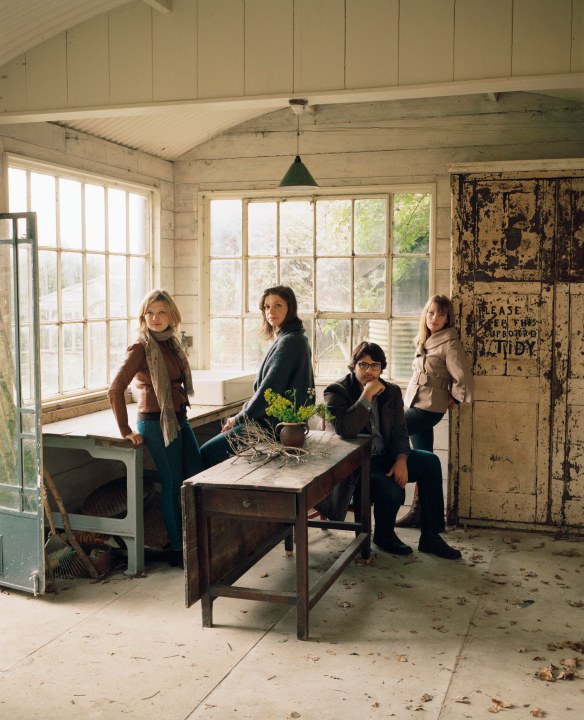
Wigmore Mondays: Chiaroscuro Quartet play Haydn & Schubert

Chiaroscuro Quartet (Alina Ibragimova, Pablo Hernán Benedí (violins), Emilie Hörnlund (viola), Claire Thirion (cello)

Haydn String Quartet in E flat major Op.33/2 ‘Joke’ (1781) (1:43
Schubert String Quartet in A minor D804 ‘Rosamunde’ (1824) (21:32-54:10)

Wigmore Hall, London; Monday 1 October 2018

You can listen to the BBC Radio 3 broadcast by clicking here

Written by Ben Hogwood

This concert was due to be headed by clarinetist Annelien Van Hauwe, but sadly due to personal circumstances she was not able to join the Chiaruoscuro Quartet for Mozart’s Clarinet Quintet. Instead the quartet provided an autumnal work from their repertoire, Schubert’s String Quartet in A minor. This is known as the Rosamunde, for its slow movement contains a tune from the incidental music Schubert wrote to the play.

First, however, we had one of Haydn’s great early quartets. The composer already had two substantial sets of six quartets under his belt, published as Op.17 and Op.20 (the Sun quartets), and continued his expansion of the string quartet as the primary form of chamber music with six more, published as Op.33 in 1781. The second of these was subtitled The Joke, with a punchline making itself clear in the last movement.

Before that came an enjoyable first movement Allegro moderato (from 1:43 on the broadcast). This was a little bit sinewy in the sound initially, but it was played with a nice air and a hint of the humour that was to flourish later on. The perky second movement (7:02) found a slightly more detached approach from Ibragimova, but was given a sprightly step. By contrast the slow movement (10:21) felt very down at hand initially, with lean bow strokes from the players, with quite a savage intervention halfway through.

Perhaps this was to emphasise the humour of the skittish finale, beginning at 15:27. The tune is a fun one and was played as such, especially when the false endings began at 18:25 – after which point the audience enjoyed second guessing when the piece would actually finish. Haydn – even now – would have been smiling.

The Schubert (beginning at 21:32) enjoyed moments of great beauty in a performance stressing the softer nature of his quartet writing. With a very quiet start, the first movement developed into an engaging and often imposing argument as the main theme was modified and passed around – before returning, still in sombre mood, at 29:50.

The Rosamunde movement, starting at 34:01, was quite plaintive to start with but like the first movement grew in stature, its lyricism also more evident. The Scherzo was much darker, its shadowy outlines from 40:54 lightly sketched by the cello. The fragility of this music found shafts of light from its accompanying Trio section, with just a couple of squeaks in the upper register from the violin, before the scherzo material itself returned at 45:20.

The finale had a forthright, martial character (from 47:29) and found the firm resolution that the other movements had noticeably held back on – completing a thought provoking and carefully thought out performance from a very fine quartet.

Further listening

The music heard in this concert, including the Chiaroscuro’s recording of the Schubert, can be heard on the Spotify playlist below:

The Chiaroscuro have recorded Haydn’s set of six quartets Op.20, which appear in the two album links below, showing off the early innovations made by the composer in the form. Entertaining, too!

For more information on the Chiaroscuro Quartet, head to their website

Wigmore Mondays: Lucy Crowe & Joseph Middleton – English song

Lucy Crowe (soprano, above), Joseph Middleton (piano, below)

Purcell, realised Britten Lord, what is man? (A Divine Hymn) (1693) (1:17-6:36 on the broadcast link below); O solitude, my sweetest choice (1684-5) (6:40-12:00)
Weldon, realised Britten Alleluia (before 1702) (12:04-14:00)
Michael Head Over the rim of the moon (1918) (The ships of Arcady 15:20-18:15, Beloved 18:25, A blackbird singing 19:48-22:08, Nocturne 22:12-25:21)
Ireland The trellis (1920) (26:37-29:25); My true love hath my heart (1920) (29:33-31:10); When I am dead, my dearest (1924) (31:14-33:00); If there were dreams to sell (1918) (33:02-34:46); Earth’s call (34:54-39:38) (1918)
Walton 3 Façade Settings (1931-2) (Daphne (40:47-43:30; Through gilded trellises (43:36-47:16); Old Sir Faulk (47:17-49:08)

Wigmore Hall, London; Monday 24 September 2018

You can listen to the BBC Radio 3 broadcast by clicking here

Written by Ben Hogwood

On this evidence Lucy Crowe and Joseph Middleton are two of the finest exponents of English song around. This finely planned recital showed off the versatility in Crowe’s voice, as well as its clarity and pure emotion. Middleton also distinguished himself with some exceptional scene-setting and characterisation of his descriptive piano parts.

The solemn glory of Britten’s Purcell realisations provided an imposing start, although Crowe allowed the expansive setting of A Divine Hymn (from 1:17 on the broadcast) plenty of room to express its excitable joy, with a sparkling finish to boot. O solitude (6:40) was a more thoughtful interpretation and beautifully sung, while the twists and turns of John Weldon’s Alleluia (12:04) were skillfully negotiated. Britten’s expanded piano parts, his own informed response to Purcell’s melodies, were in safe hands thanks to Middleton.
There followed a rarity in the form of Michael Head’s short cycle Over the rim of the moon, from his late teenage years. The ships of Arcady (15:20) featured tolling bells in Middleton’s right hand, while a rapturous Beloved (18:25) gave up its soul. A blackbird singing (19:48) embraced the open air, with a sparkling first note from Crowe, while the cool Nocturne (22:12) sent a light shiver down the spine.

Crowe really came into her own in a sequence of five John Ireland songs. Ireland can be elusive in some interpretations, but not here. As soon as Middleton’s descriptive piano set the scene for The trellis (26:37) Crowe was in her element, using a poignant pause to illustrate ‘the whisper’d words between and silent kisses’. The breathless adoration of My true love hath my heart (29:33) was countered by the finality of When I am dead, my dearest (31:14), which brought a tear to the eye. If there were dreams to sell (33:02) offered a more upbeat outlook, before Earth’s call (34:54) took us right to the water, depicting the plover, cuckoo and stormy ploughland with exquisite detail, all blown by Middleton’s blustery breeze.

After these heights, the Walton Façade settings worked well, Crowe handling the tricky wordplay of Edith Sitwell impressively. Her sideways looks during Daphne (40:47) were brilliantly done, as were Middleton’s persuasive piano rhythms underpinning Through gilded trellises (43:36), where Crowe hit her top B flat with ease. Old Sir Faulk (47:17), with its bizarre lyrics, gave a nonsensical end.

The two encores were unforgettable. Crowe began with an unaccompanied version of She moved through the fair (50:23-53:18), which tugged urgently at the heartstrings, and ultimately brought a tear to the eye. So too did one of Britten’s finest folksong settings, The Salley Gardens (54:20-56:47), a pure and beautiful note on which to end.

Further listening

Lucy Crowe has not recorded any of the repertoire in this concert, but the playlist below gives leading interpretations of the songs she sang.

For further exploration of the songs of John Ireland, this album gives his complete output:

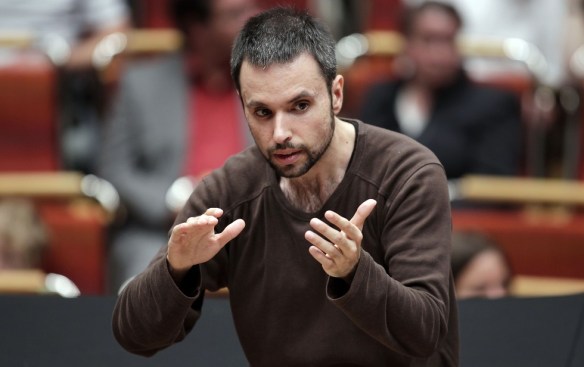
Live review – Yulianna Avdeeva, CBSO / Constantinos Carydis – Skalkottas, Tchaikovsky & Beethoven

Yulianna Avdeeva (below, piano), City of Birmingham Symphony OrchestraConstantinos Carydis (above)

Photo credits: Thomas Brill (Constantinos Carydis), C Schneider (Yulianna Avdeeva) 

Symphony Hall, Birmingham. Thursday October, 2018

Skalkottas Four Images (1948)
Tchaikovsky Piano Concerto no.1 in B flat minor Op.23 (1875)
Koukos In Memoriam Y. A. Papaioannou (1989)
Beethoven Symphony no.7 in A major Op.92 (1812)

Written by Richard Whitehouse

Conductors are not obliged to programme their compatriots, though Constantinos Carydis certainly rang the changes by including music by Nikos Skalkottas (1904-49) – who, along with Xenakis, is undoubtedly the leading Greek classical composer from the 20th century.

Nor is the City of Birmingham Symphony unacquainted with his work, having given the first complete performance of his First Symphonic Suite in 1972. That piece typifies the intricate, serially-derived music of his earlier maturity, whereas the Four Images comes from his last years when tonal music predominated. Derived from a longer ballet score for piano, these characterful miniatures amply evoke folk scenes (without using actual folk themes) in a way recalling Bartók’s Dance Suite or, more directly, the dances from Ginastera‘s ballet Estancia.

Carydis accordingly had their measure – whether the forceful rhythms and acerbic harmonies of The Harvest, or wistful pathos of The Sowing with its resplendent, bell-capped climax. After this, The Vintage provides a scherzo of no mean propulsion and Carydis was right to lead directly into The Grape Stomping for a finale of scintillating vigour and impetus. Such were the qualities that the CBSO brought to this music, in what was a captivating account of a piece which could easily become as familiar as those aforementioned given such advocacy.

Tchaikovsky’s First Piano Concerto has never wanted for exponents, so credit to Yulianna Avdeeva for her engaging perspective on music to which the ‘war-horse’ epithet is too often applicable. The indelible opening melody was majestic without being portentous, with the imposing first movement convincingly held together so that the accrued momentum carried through to a searching take on its lengthy cadenza. There was no lack of deftness during the Andantino, replete with woodwind playing of real elegance, while the finale had energy to spare on its way to a surging peroration. This is an impressive interpretation in the making.

As well as his illustrious forebears, Carydis was intent on promoting the music of his Greek contemporaries. Well regarded for his operas, Periklis Koukos (b.1960) is little known in the UK, but the tribute to his teacher In Memoriam Y. A. Papaioannou suggests a composer of no mean eloquence – this threnody for strings not a little redolent of Nino Rota in its restrained sentiment, and a solo violin part that leader Anna-Liisa Bezrodny rendered with ideal poise.

Carydis then headed directly into Beethoven’s Seventh Symphony, here given a reading that was always invigorating and often electrifying. Dynamic contrasts occasionally verged on the contrived, and the repeat of the scherzo’s hymnal trio was almost parodic in its stateliness, but these were outweighed by the power and incisiveness elsewhere. Carydis drove the CBSO hard in the finale, but the players admirably rose to the challenge – antiphonal violins to the fore as the coda reached its visceral culmination. Whatever its inconsistencies, this was a performance to reaffirm the greatness of this music, as an enthusiastic reception testified.

A persuasive programme of the evergreen and unfamiliar. Should Carydis include Skalkottas’ ballet The Maiden and Death in a future engagement with the CBSO, then so much the better.

Tonight’s concert will be repeated at Symphony Hall on Sunday 7th October at 3pm. For more information on future CBSO concerts head to their website

Live review – O/Modernt / Hugo Ticciati at Kings Place: Looping Time

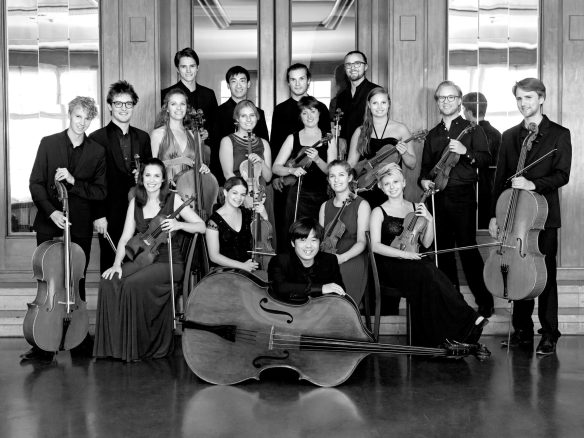
O/Modernt (above) / Hugo Ticciati (below)

Hall One, Kings Place, Friday 21 September 2018

Tüür Violin Concerto no.2 Angel’s Share (2018)
Adams Shaker Loops (1978)
Pérotin arr. Johannes Marmén Viderunt omnes (c1200)
Glass Symphony no.3 (1995)

Written by Ben Hogwood

The Time Unwrapped series at Kings Place has dealt out a number of very interesting concerts. This program from the young Swedish-based but European-sourced O/Modernt chamber orchestra combined established minimalist forebears with new interpretations of working with small musical cells – or waveforms as the program called it.

In a change to the order of the program we began with the Violin Concerto no.2 of Erki-Sven Tüür, premiered in the composer’s native Estonia earlier this year. Tüür has an intriguing past where progressive rock meets classical, and it has furnished him with a very strong sense of dramatic structure and the gift for vivid storytelling. This work, subtitled Angel’s Share, was all about interpreting the gap of air that appears in the barrel during the ageing of whisky, and how that can be applied to the wisdom of an adult as they grow older, ‘letting go of the unpleasant tastes’ in the words of the composer.

Cannily he captured this in musical terms, culminating with the release of the cork at the start of the concerto’s third movement, where the (sadly unnamed) percussionist dealt a striking blow. The start employed the other end of the percussive spectrum, with a high metallic note from which Ticciati’s solo part germinated. The soloist was superb, inhabiting the part and its distinctive figures, while the strings’ counterpoint was consistently absorbing and meaningful, right up to the affirmative finish. It would be great to hear this work again soon, and certainly those present appreciated it – among them violinist Fenella Humphreys.

John AdamsShaker Loops followed, a relatively early minimalist classic from 1978 that remains a success in concert. The near-constant tremolos require great stamina and control on the part of the string players, but that was never an issue with the 19-strong orchestra here, who danced and shimmered in tune with a sensitively handled light display. Double bassists Ben Griffiths and Jordi Carrasco Hjelm were the rock on which the three-movement piece stood, but the way the slower lines undulated over the top was particularly affecting, capturing the deep spiritual roots of the piece – which is after all a representation in music of ‘shaking’. Adams is in thrall to Sibelius when he writes for strings in this way, but the harmonic language is an extension and has a distinctly wide-open, American feel. Ticciati and his charges took us out onto that plain.

Johannes Marmén‘s arrangement of Pérotin’s Viderunt omnes opened the second half, a curiousity that showed how even in the 1200s music had minimalist tendencies. On occasion it was difficult to see Perotin’s original thinking, however, as the arrangement took hold, but the final paragraph from the double basses took us back into his world. It showed how ancient and modern can still integrate – we use largely the same notes after all – and how both are still relevant and complement each other. The fly in the ointment, unfortunately, was extraneous but unidentified noise from the roof of Hall One that threatened to disrupt the performance.

Ticciati had to acknowledge it with a rueful smile before moving straight into the jewel of tonight’s crown, Philip Glass’s Symphony no.3. The previous work in his symphonic output is on Brucknerian dimensions, running for nearly an hour, but in the Third Glass compresses his musical argument into an impressive, cohesive whole. O/Modernt got right to the heart of the small cells that are cleverly manipulated here, but also found the deep emotion of the central Chaconne, which has a dark heart but opens out with major key harmonies to find greater optimism – before going back into the minor key again. It is an ebb and flow that proves extremely affecting on repetition, and was the centrepiece of a fine performance, whose outer movements showed the virtuosity of these string players to the highest degree.

This was a very fine concert and an ideal showcase for minimalism as an extremely valid form of composition, showing also that there is a sizable library beyond the works of Steve Reich. By way of an encore we had Rufus Wainwright in the style of John Adams, his song Across the Universe played with beautiful precision and lovingly directed by Ticciati.